Table of Contents
A large dog ran in front of Parker Croft's car on a rural road in upstate New York, and the memory never let him go. The Liars of Black Mountain Road is the film born from that suspended moment between violence and consequence — only this time, on a desolate stretch of Castaic, California, the animal does not get up. What follows is quieter and stranger than a conventional drama: a slow peeling away of the selves a couple has constructed, played as dry, bitter comedy.
Croft directs, co-wrote, and edited the film, his fourth collaboration with actor-producer Nolan Gould and their first shared screenwriting effort. It is a small, scrappy production that carries a large question, watching what Croft calls "the harmony of thought, speech, and action" collapse in real time.
Key Takeaways
- Built from a real accident in Croft's late twenties, the film uses a dead dog on a mountain road as a mirror two people cannot look away from.
- A three-day October shoot on an active road nearly collapsed under 100-degree heat, a custom dog puppet, and a tiny crew wearing many hats.
- The hardest choice in post was a song — and the one cue that made Croft laugh more than silence turned out to be "Who Let the Dogs Out."
What follows is Croft on the memory behind the film, the making of it, and why time is the greatest luxury on any set.
Interview
What drew you to make this film, and why this story, why now?
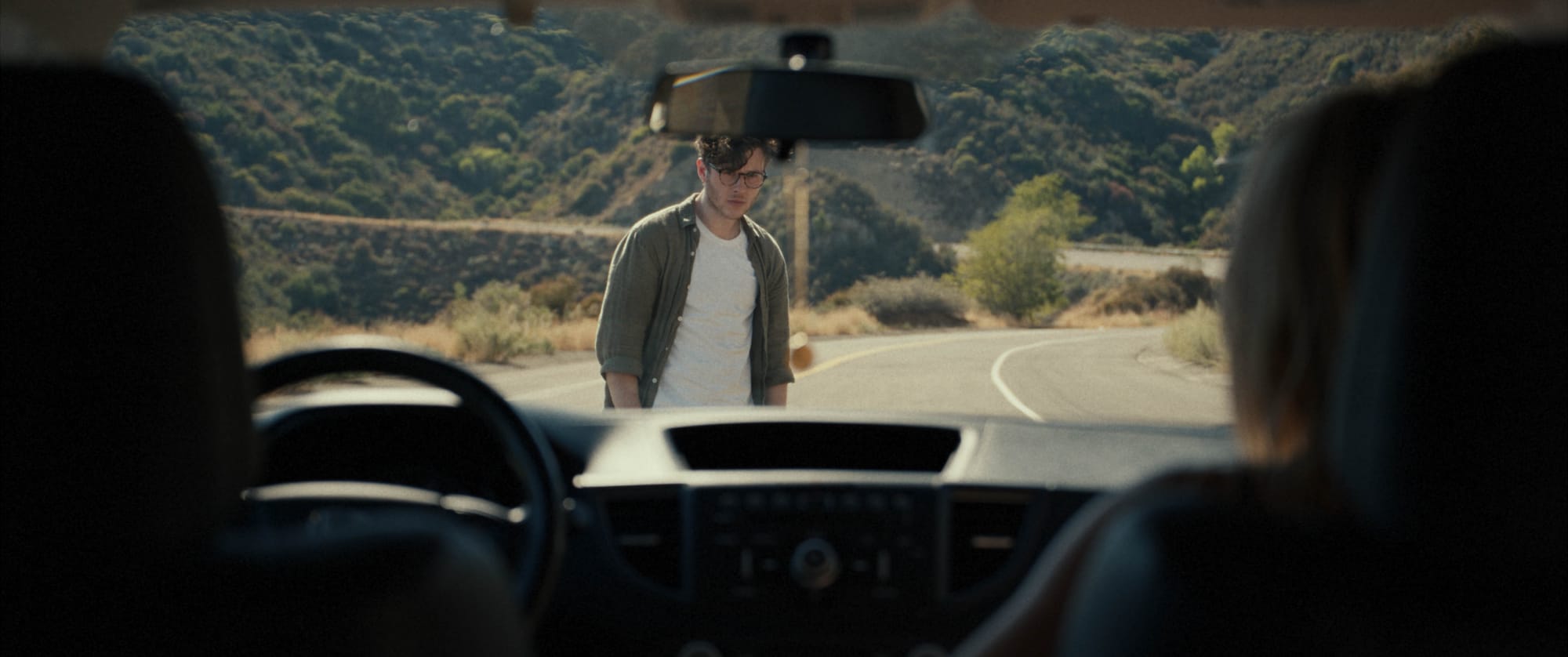
Some years ago, I was driving a rural road in upstate New York when a large dog ran out in front of my car. There was no warning. The impact was immediate and violent. I stopped the car and stepped into the silence that followed. The world had narrowed. Trees stood still. The sky pressed down. After what felt like a lifetime, the dog rose slowly, shaking, and bolted into the woods.
That moment, suspended between violence and consequence, between guilt and reprieve, has stayed with me. It held something elemental. A reckoning. The Liars of Black Mountain Road tells the story of a couple who hit and kill a stranger's dog. In their case, the animal does not get up, and so they are forced to live in that moment I was spared. Though the film carries the shape of a dark comedy, it is not light. The humor is dry, often bitter. It comes from the desperate things people do to avoid the truth. I once heard someone define integrity as the harmony of thought, speech, and action. The film watches that harmony collapse.
What surprised you most about the filmmaking process, creatively or logistically?
Nolan and I talked a lot about relationship dynamics, integrity, and the humor in punishing silences. We were both drawn to stories where no one holds the moral high ground, where no one walks away clean. Eventually, we uncovered that old, horrible memory. It was a terrible moment in my life, but it felt like fertile ground for conflict. That was the seed.
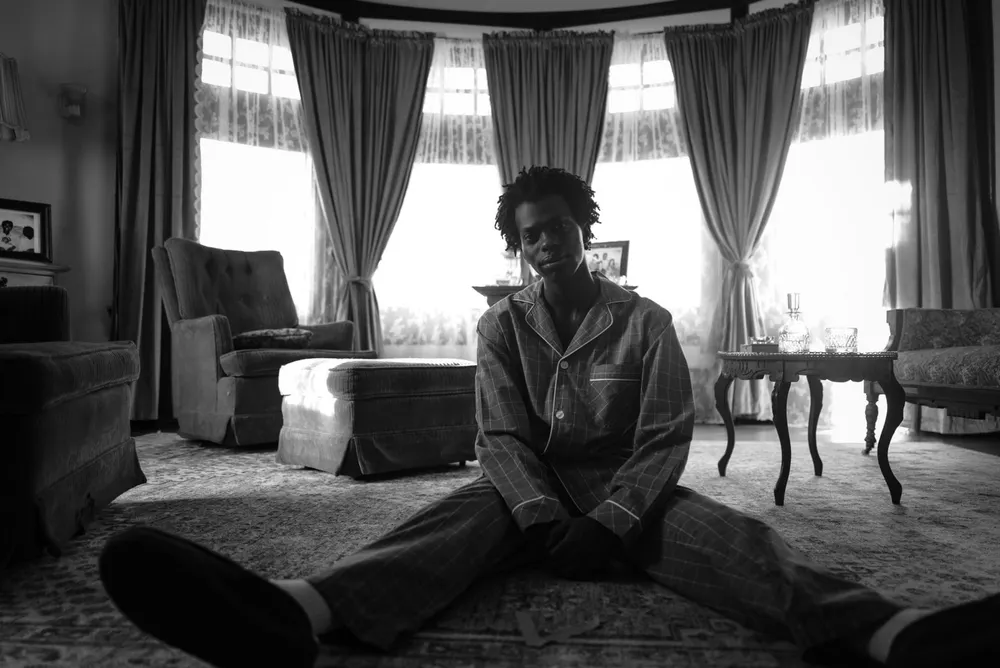
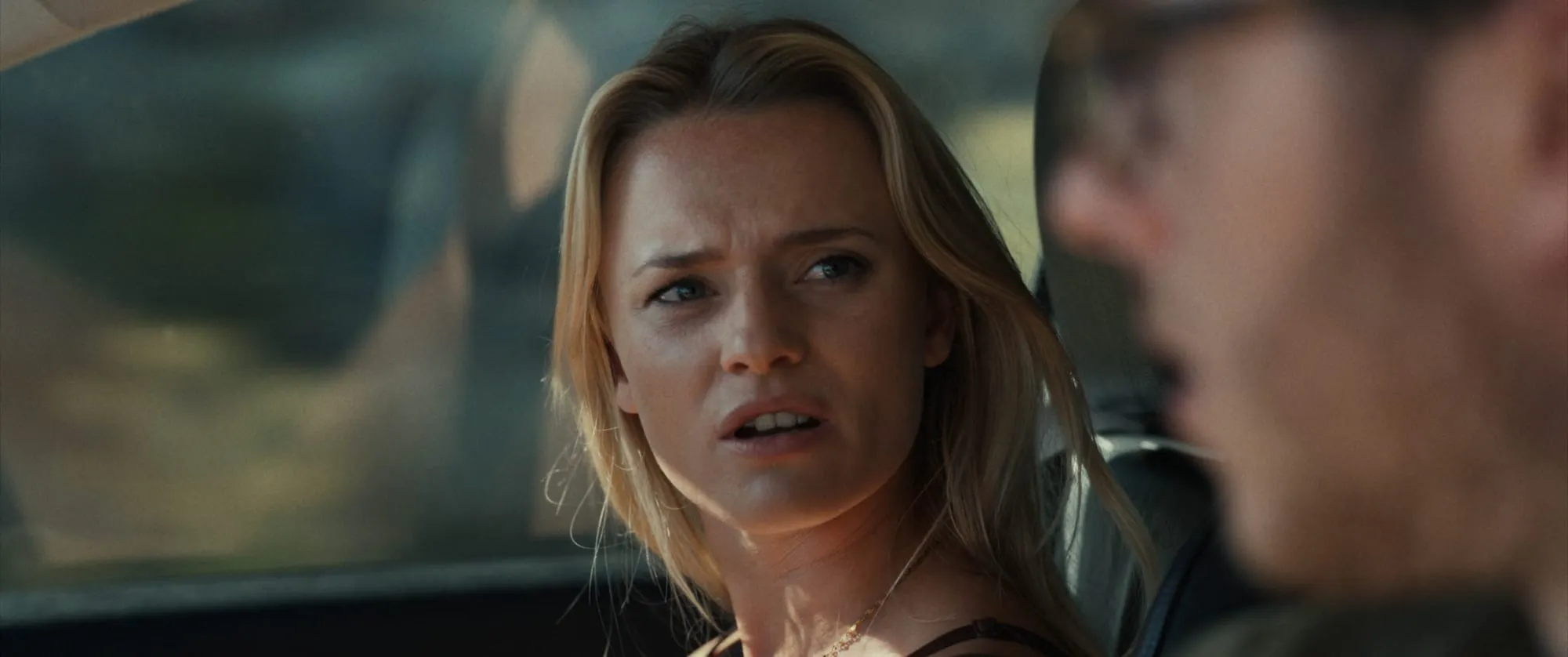
Casting Abbie took forever — the whole film rests on the chemistry between Abbie and Ethan. As Nolan puts it, "We saw hundreds and hundreds of tapes." When Millie Gibbons's tape came in, there was no doubt she was the one. She was based in New York, and financial constraints nearly ended it, but she fought for the role and her manager secured housing in Los Angeles so she could rehearse and shoot. As Millie says, "I fell in love with the story, and with Abbie. It was something special, and that doesn't happen all the time. So I fought for it."
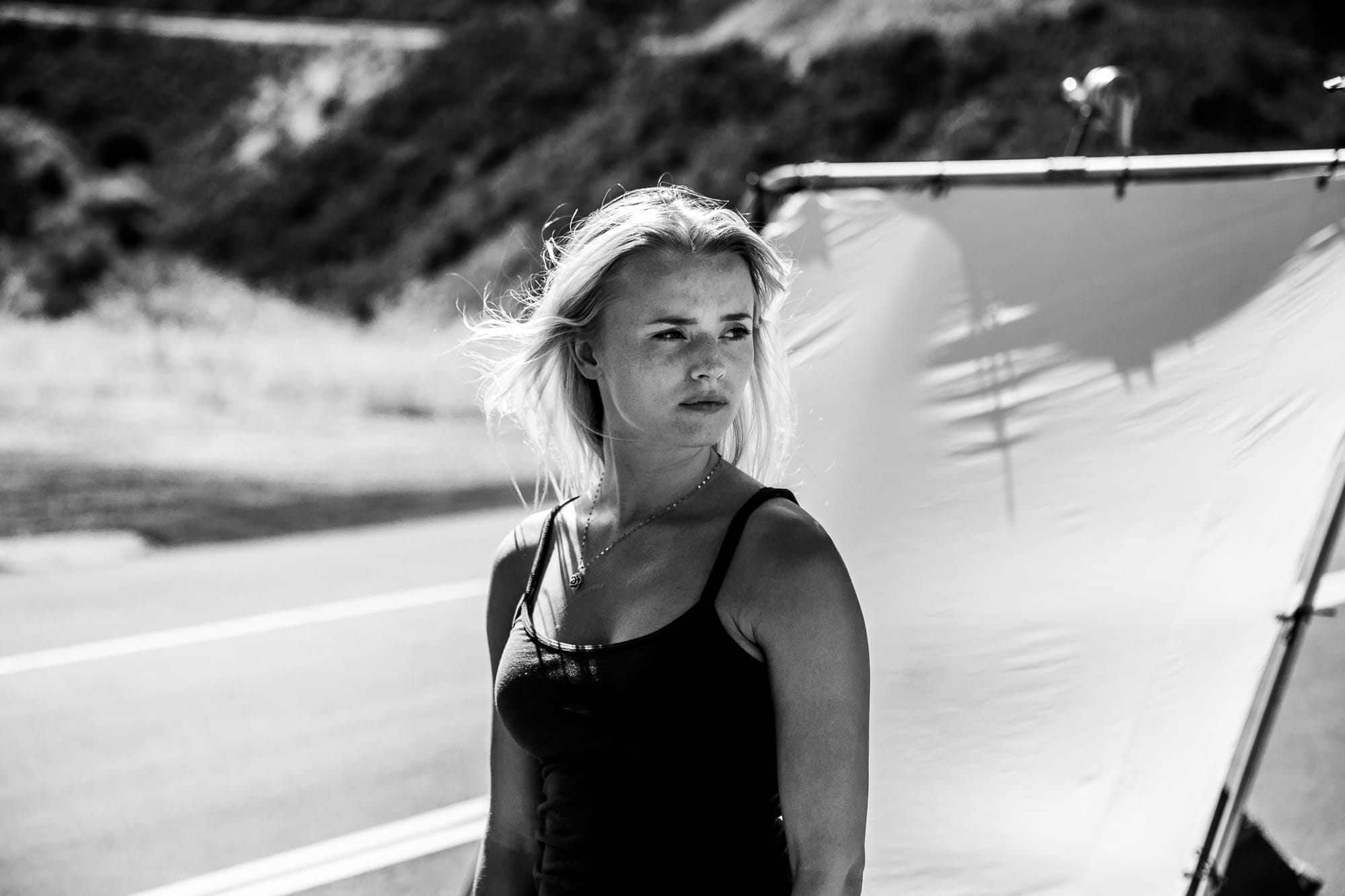
The film was deceptively challenging for how simple the story is. We were shooting on an active road for multiple days, and we had to have a dog die on camera. We'd hoped to use a trained dog and even reached out to the handlers behind the canine star of Anatomy of a Fall, but the logistics didn't work, so Bischoff's Animals built us a custom puppet that we finished with VFX. My DP, Zakaree Sandberg, and I combed through countless references and tested extensively before partnering with ZEISS Cinema on a combination of Supreme Primes, Compact Zooms, and Nano Primes paired with the Sony Venice. Then, despite it being October, the heat spiked past 100 degrees. We had people in direct sun for hours with almost no shade. If it had been a few degrees hotter, there would be no Liars of Black Mountain Road.
What was the hardest creative decision you made while making the film?
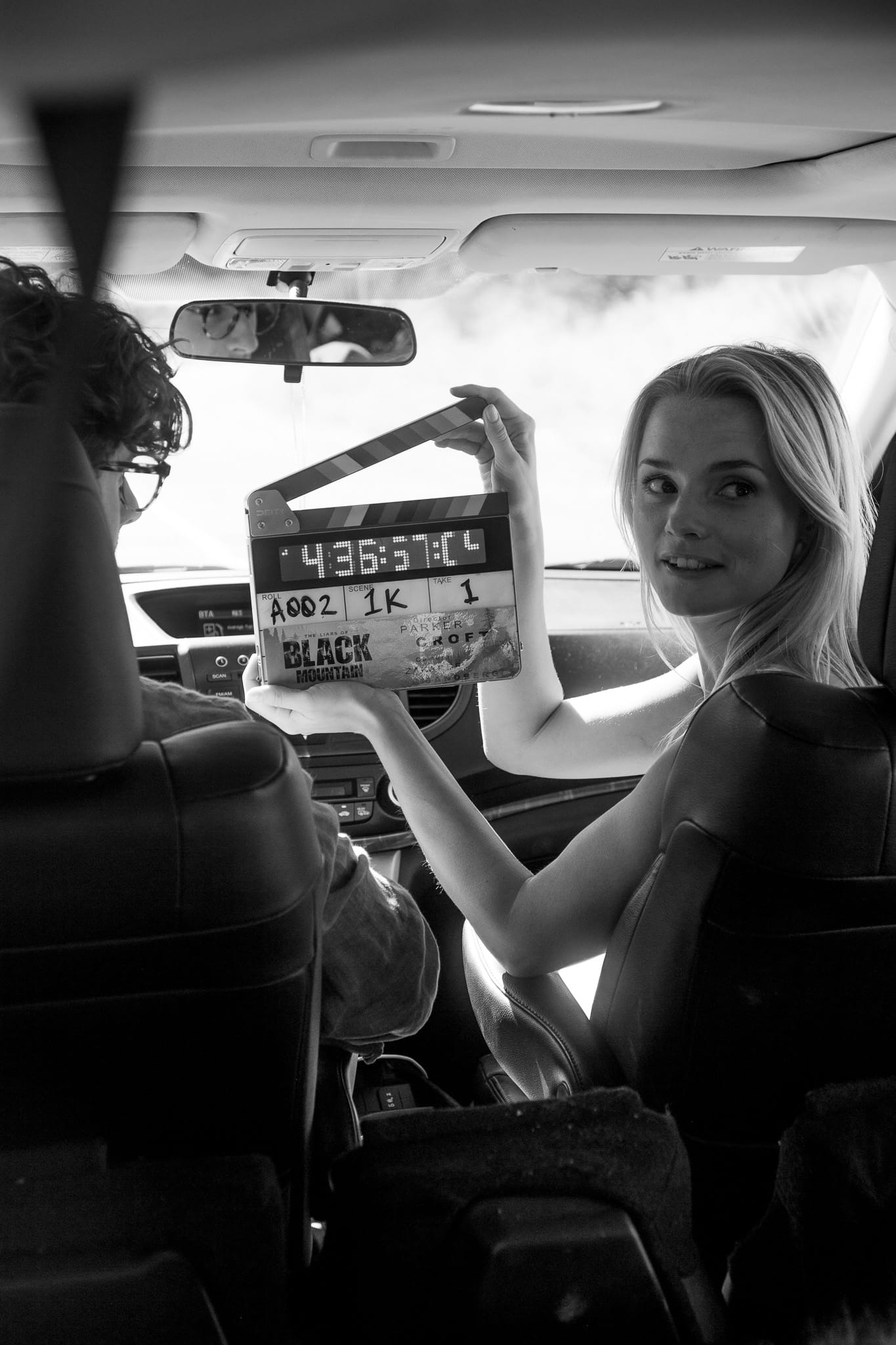
The final song cue. Originally I reached out to a composer I'd worked with before, and they delivered this brilliant, powerful piece of music — but ultimately it robbed the film of so much of the humor that came from the painful silence. There was only one song that made me laugh more than silence, and I never thought we'd actually get it: "Who Let the Dogs Out" by Baha Men. For months the production team fought to secure the rights. After hundreds of emails, we finally struck a deal.
What tool, technique, or mindset shift helped most during production?
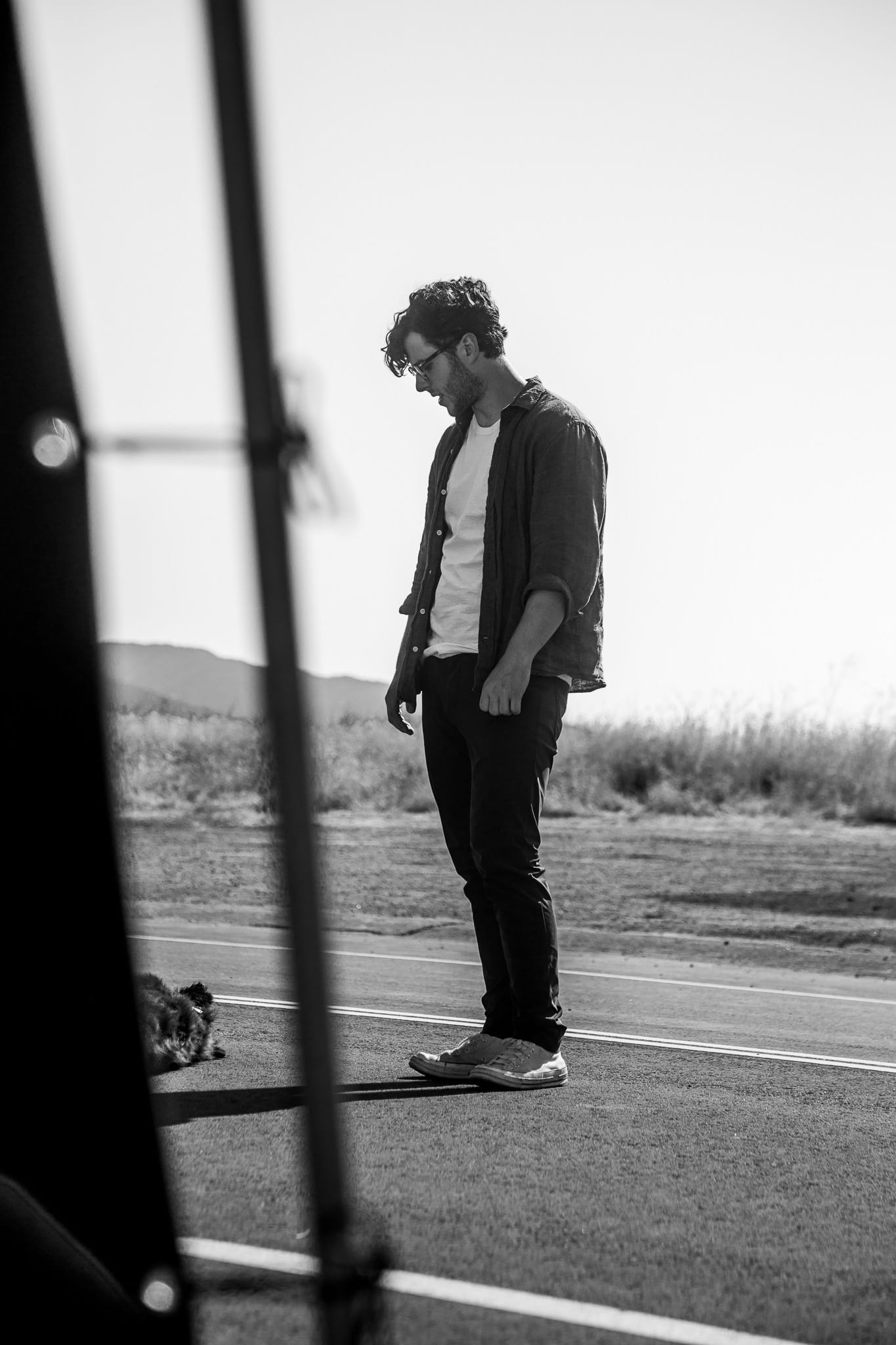
We gave ourselves more time than we thought we needed, and it was barely enough in the end. Time is the greatest luxury you can have on a film.
What is the greatest strength of independent filmmaking, and how did you lean into it here?
It feels like the greatest strength is its independence. It affords you the opportunity to make unconventional choices, and we made a lot of those in this film. Sometimes it feels like a drama posing as a comedy, and sometimes it feels like a comedy posing as a drama.
What does it mean to have your film selected for HollyShorts?
It means our film connected with the right people at the right time, and that always feels good, because you never really know how an audience is going to respond. We hope this sparks a conversation about morality.
Where do you see this film going next?
We'll finish the 2026 festival circuit and then release it in 2027 on a digital platform. Every film we make teaches us many lessons that we bring forward to the next project. The next film we're shooting in October is a horror titled Bearing the Dead. At the core of all my work is a desire to explore the challenges, joys, pain, confusion, beauty, and stupidity of the human experience.
Main Cast & Crew
- Directed by Parker Croft
- Screenplay by Parker Croft, Nolan Gould
- Produced by Nolan Gould, Parker Croft, Magen Ashley Young
- Executive Producers Abigail Breslin, Elisa Croft
- Director of Photography Zakaree Sandberg
- Production Designer Camden Wikler
- Editor Parker Croft
- Visual Effects Supervisor Timothy Stevens-Eustace
- Sound Design Ian Chase
- Colorist Josh Bohoskey (Rare Medium)
- Cast: Nolan Gould (Ethan), Millie Gibbons (Abbie), Bill Welden (Scott)
- A Paper Horse Pictures / Adversary Pictures production
Filmmaker Opportunities
💛 Fund your next project with fiscal sponsorship
Have a project in the works? As a 501(c)(3) nonprofit, the Cinematography for Actors Institute can accept tax-deductible donations on your film's behalf — a door-opener for grants, foundations, and supporters who want to back your work. We've serviced over 100 projects to date and helped route over $800,000 in funding to filmmakers. Explore fiscal sponsorship →
📬 Grant deadlines and festival opportunities, straight to your inbox
The CFA newsletter rounds up grants, festival calls, and community news for independent filmmakers — the kind of opportunities that are easy to miss and painful to miss. Join the newsletter →
🎬 Focus on the creative — we'll help with the logistics
Production Management, CFA's newest member program, launches this November: production insurance and workers' comp, payroll, film permits, gear rental coordination, SAG-AFTRA compliance, contract drafting, production consulting, and crew recommendations — handled by a team of working filmmakers, à la carte or all in, in partnership with Creative Access Group. It's waitlist-only until launch. Join the waitlist →
League of Filmmakers is published by our parent organization, the Cinematography for Actors Institute — a 501(c)(3) dedicated to education, community, and capital for underrepresented filmmakers and actors. Learn more about CFA →