Table of Contents
When Freddie Nole drives to meet a man walking out of prison, he isn't just offering a ride. He's offering hope, dignity, and a path to permanent freedom. In Dana Nachman's vérité road trip, The Second Life of Freddie Nole, we come to learn the remarkable story behind Freddie's mission: a staggering mistake that cost him 50 years of freedom, but ultimately brought him right back to the prison door.
Nachman, a former journalist turned filmmaker and the founder of Sweet World Films, is known for stories that reveal the best of humanity. Having its Los Angeles premiere at HollyShorts, The Second Life of Freddie Nole is a quiet, observational film that asks its audience to fall in love with a person before learning his history — and then to reckon with everything they thought they knew.
Key Takeaways
- Nachman withholds Freddie's 50-year prison sentence until the film's end, letting audiences meet him first as a husband, friend, and generous stranger.
- The car was rigged with multiple cameras, but there was no room for the director inside — a constraint that produced the film's most authentic moments.
- Beyond its 16-festival run, the film is beginning an impact journey with reentry organizations, with hopes of screening inside prisons.
Nachman spoke with us about trust, simplicity, and the emotional heart of a film built on one small act of kindness at a time.
Interview
What drew you to make this film, and why this story, why now?
My producing partner, Chelsea Matter, and I had been talking about making a short documentary. We typically make feature documentaries and documentary series, but we'd been looking for the right story that could have a powerful emotional impact in a shorter format. Chelsea came across an article in The Washington Post about Freddie Nole and sent it to me. I immediately fell in love with the story. Within a few days we were on Zoom with him, and that very first conversation sealed it for me. Freddie has this incredible warmth, humility, and sense of purpose that comes through almost immediately.
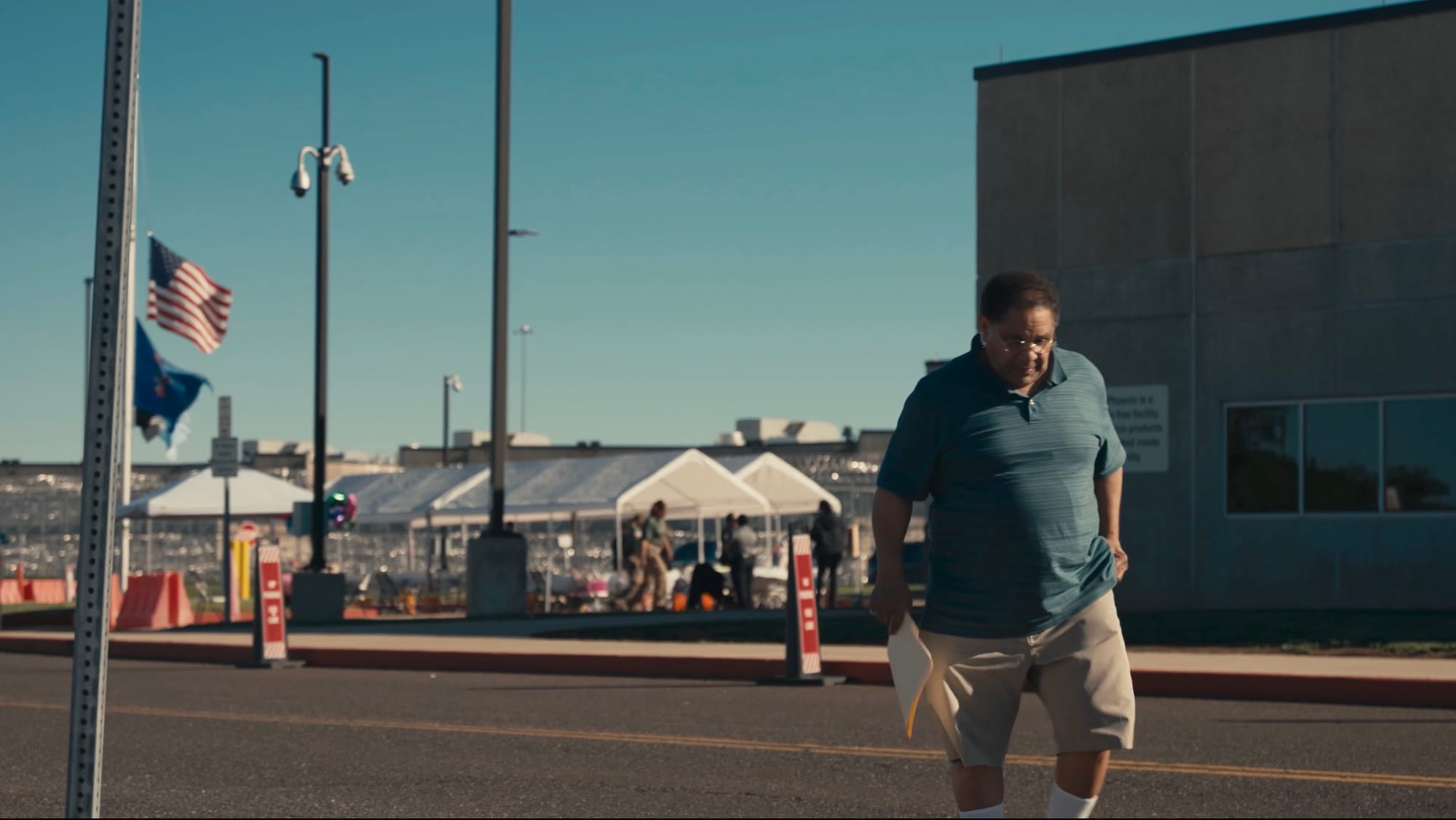
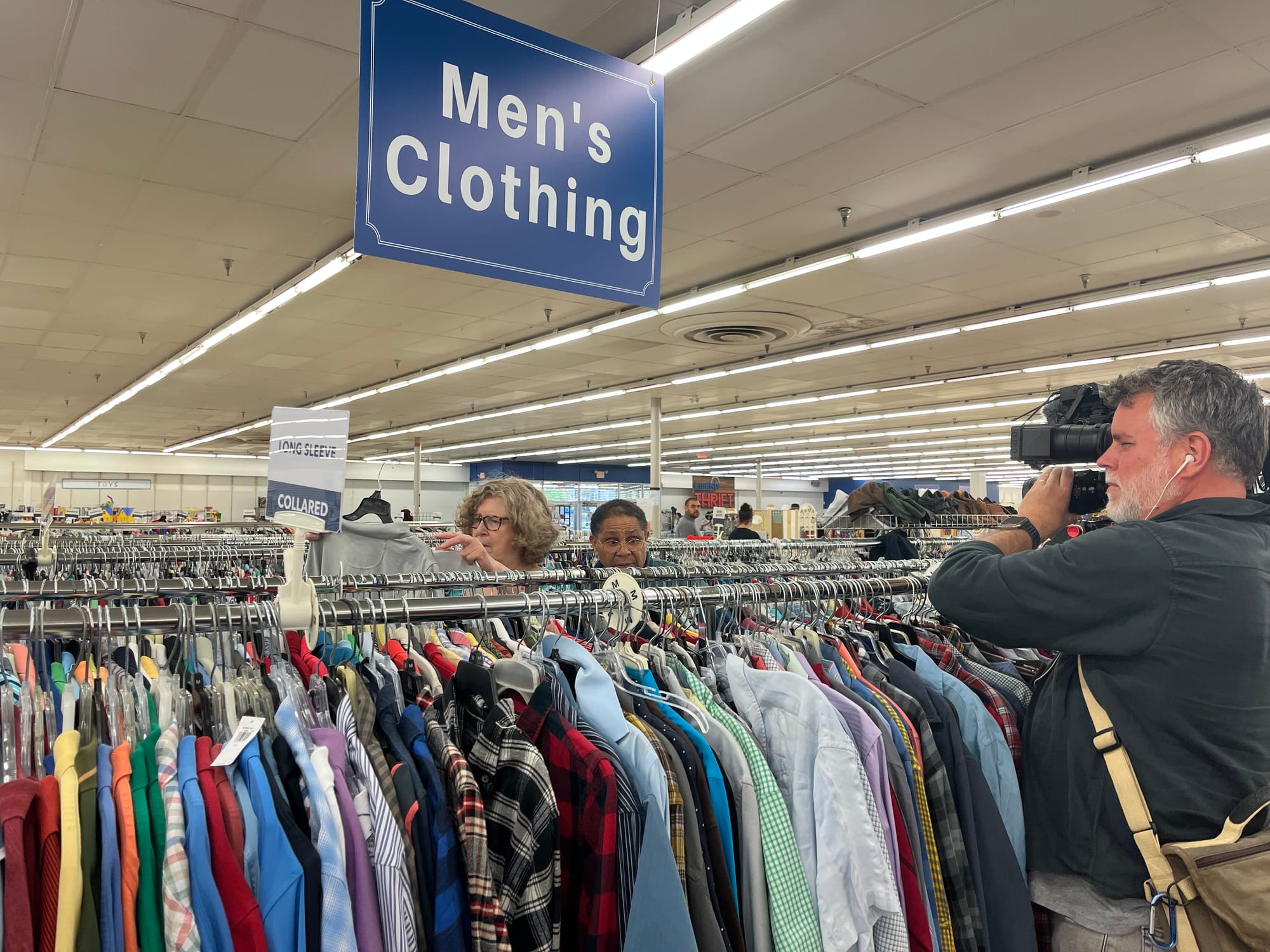
What initially drew us in was the simple but profound idea of a man who spends his days picking people up from prison when they have no one else to call. But as we got to know Freddie, we realized the story was much deeper. He doesn't just give people a ride. He spends the entire day with them, provides clean clothes, a mobile phone, takes them out for a hot meal, and helps them navigate those first overwhelming hours of freedom. At a time when conversations about incarceration often focus on punishment or statistics, Freddie reminds us of the humanity that exists on the other side of a prison gate.
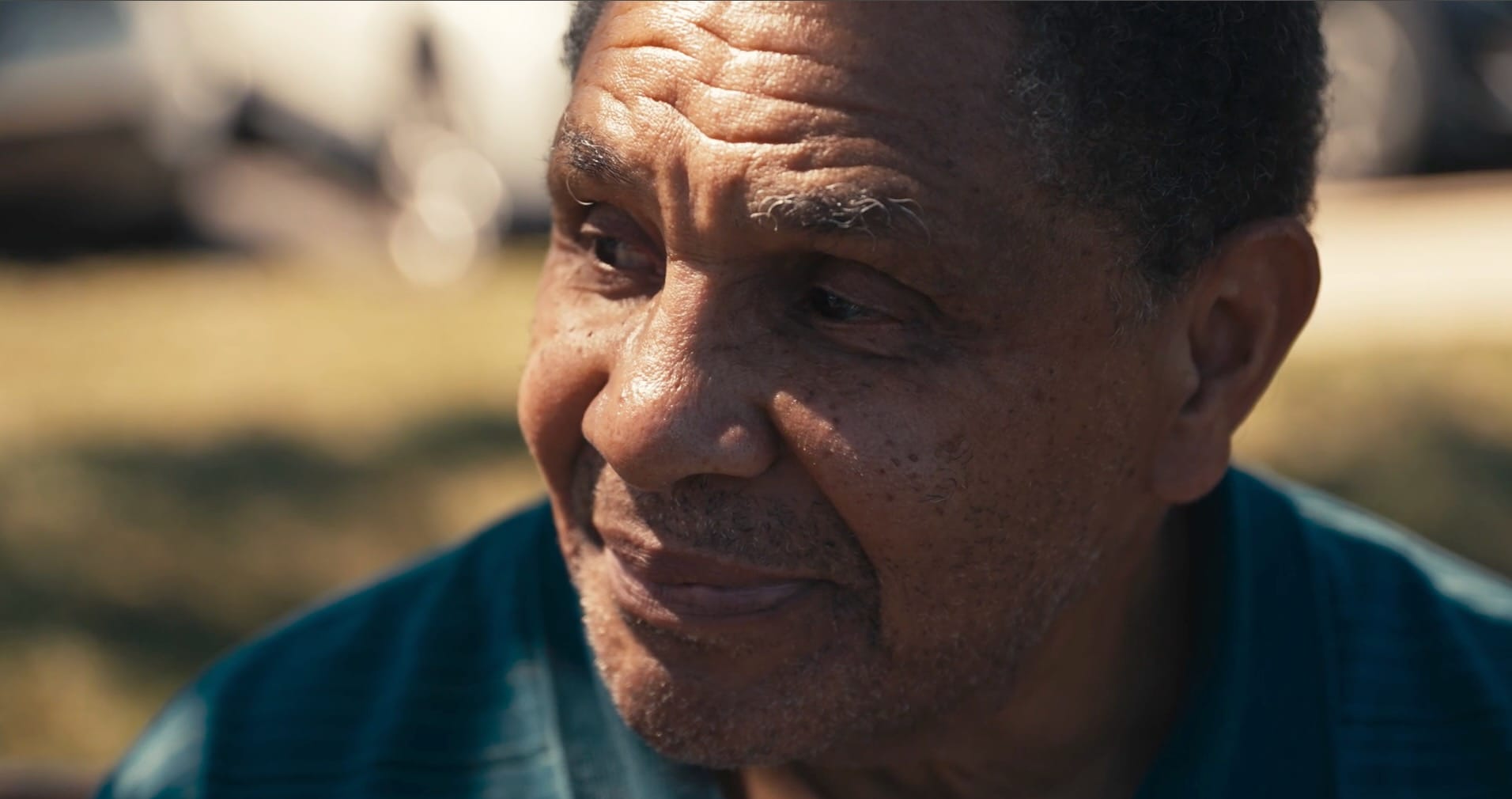
What surprised you most about the filmmaking process, including any moment that changed how you saw the story?
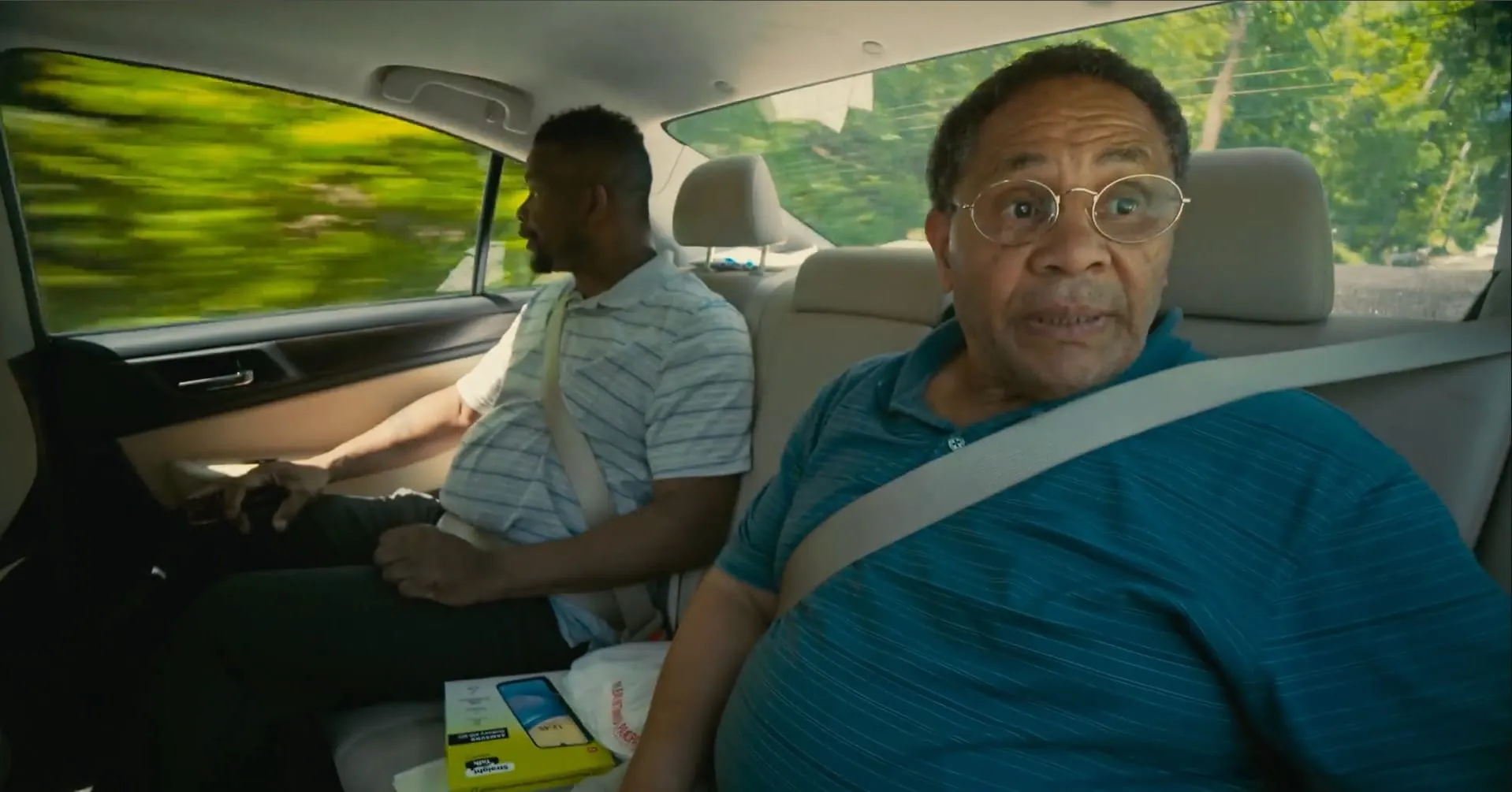
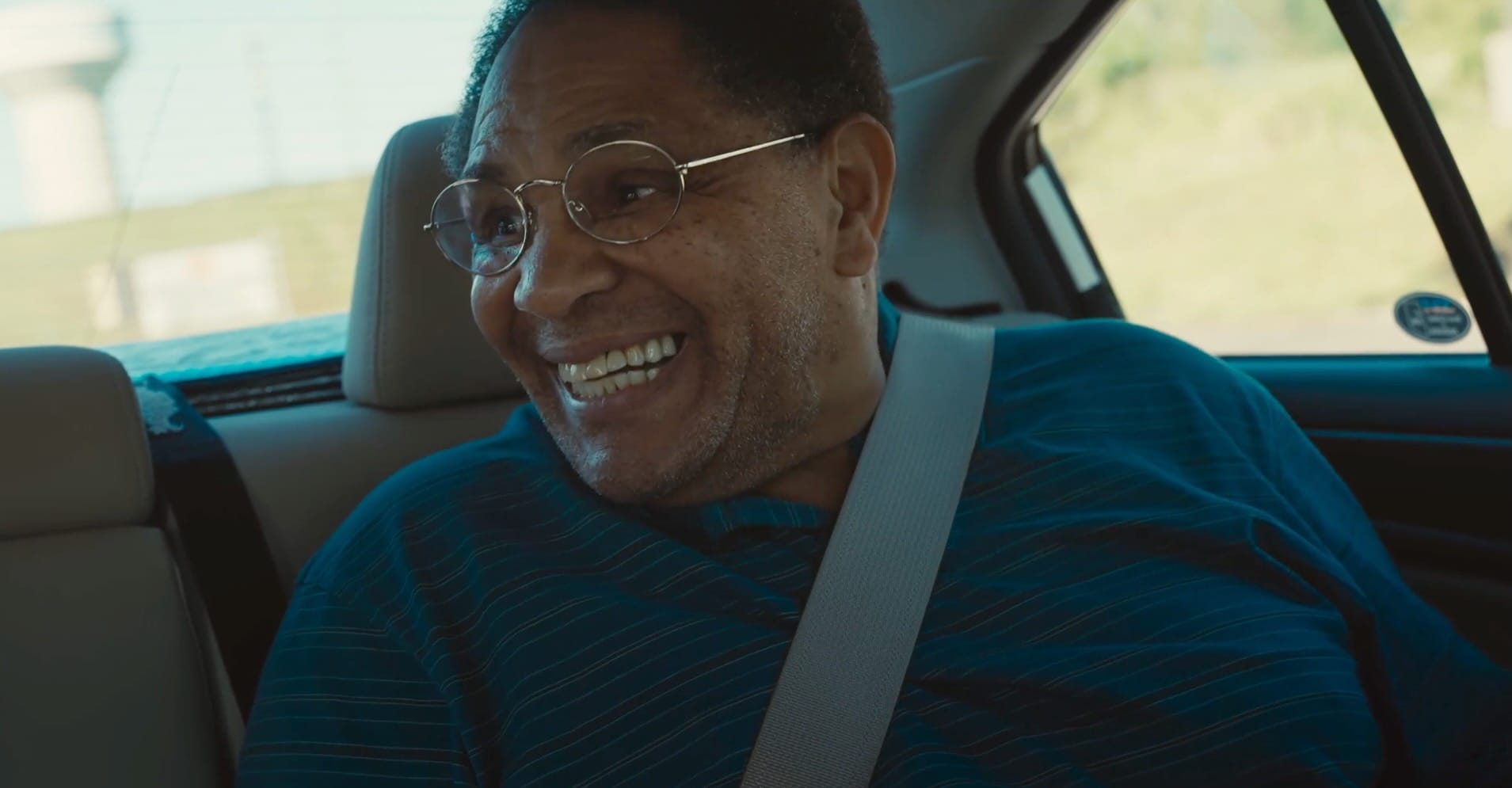
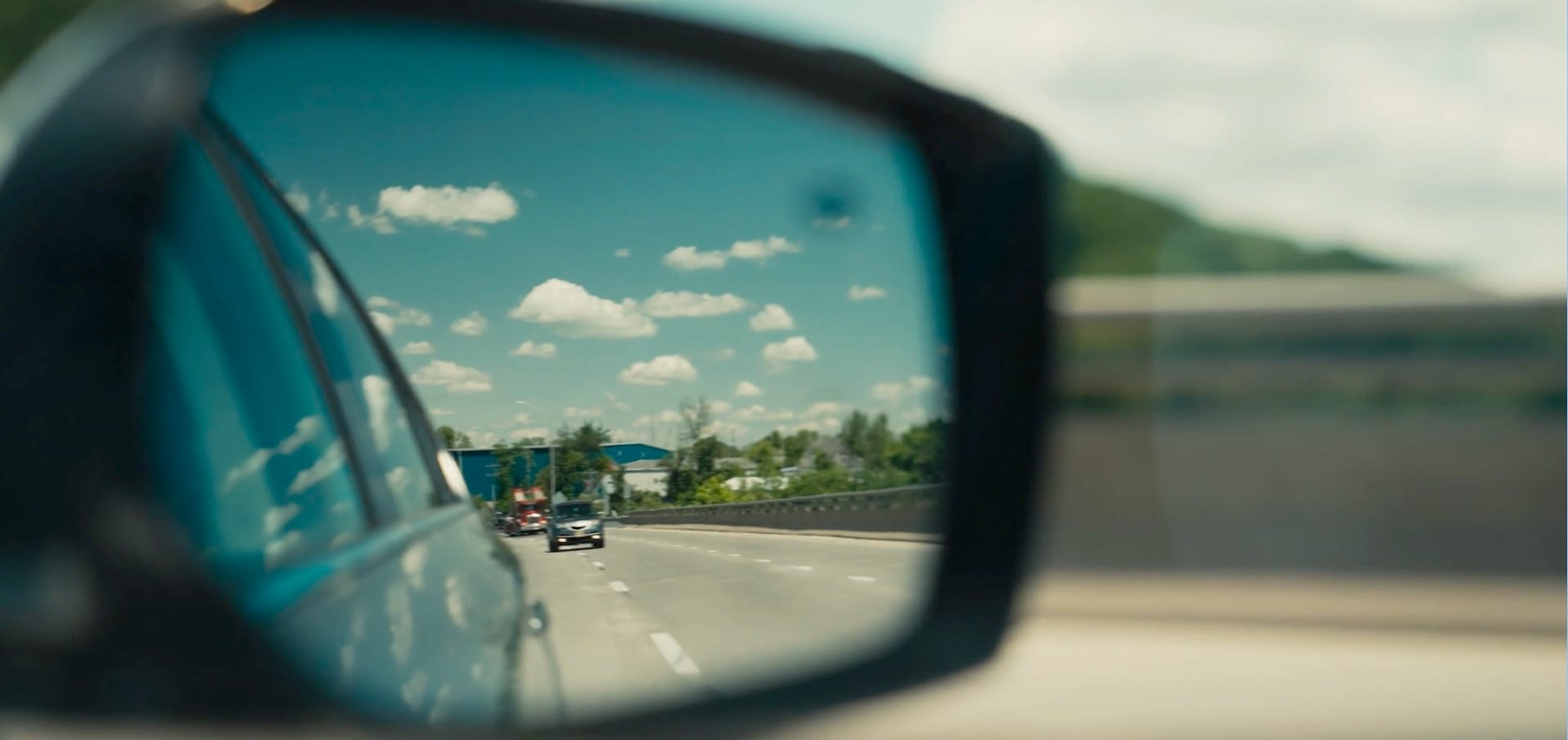
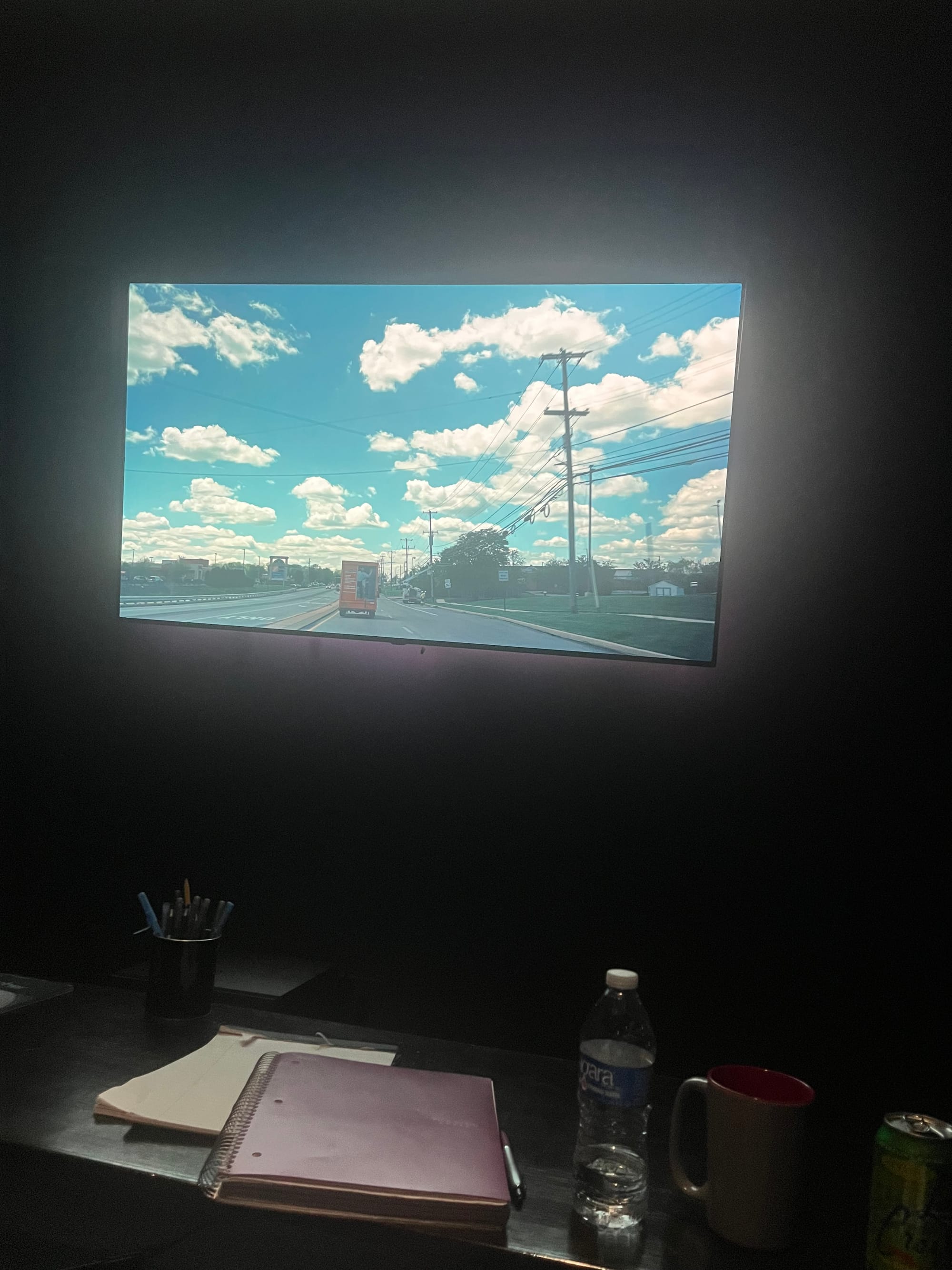
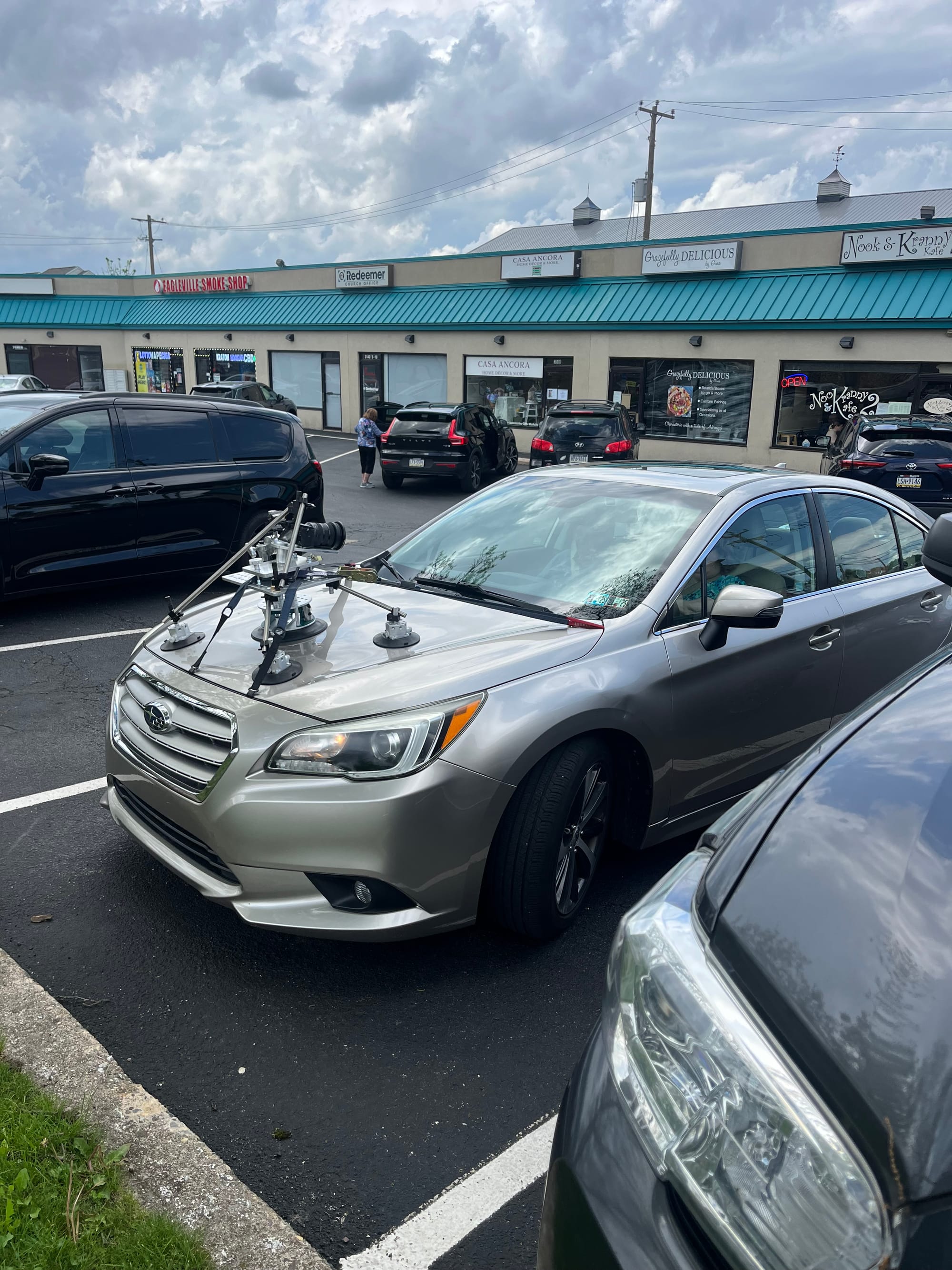
One of our biggest creative goals was for the film to feel like a road trip, so we spent a lot of time figuring out how to rig Freddie's car with multiple cameras to capture that very small, intimate space. What I didn't anticipate was that there wouldn't actually be room for me in the car. Once the cameras, audio gear, Freddie, and his wife were all inside, there simply wasn't space. So for parts of the journey, we just let the cameras and microphones roll and trusted that whatever happened would happen without us.
I didn't see a lot of that footage until we got into the edit. When I watched Freddie and his wife teasing each other and joking back and forth, I was laughing out loud. Their banter was so genuine and familiar, it felt like any couple who's been together forever. I think those moments are as authentic as they are because there wasn't a filmmaker sitting three feet away. We loved those scenes so much that they became the opening of the film.
What was the hardest creative decision you made while making the film?
Without question, it was holding Freddie's backstory until the very end. On paper, it almost seems like the obvious place to begin. Here's a man who was sentenced to life in prison at 17, spent 50 years behind bars, and is now dedicating his life to helping others walk out with hope. From a traditional storytelling perspective, leading with it would have created a much more dramatic opening.
But I felt strongly this was the right choice because it mirrors something Freddie almost never gets to experience in his own life. Most people learn about his conviction first, and everything else they see is filtered through that fact. I wanted audiences to meet the man he is today before learning about the worst thing he ever did as a teenager. Instead of asking, "Can someone like Freddie change?" the audience has already seen that he has. That structure isn't just a storytelling device — it's the emotional and moral heart of the film. It allows viewers to extend Freddie the same grace that he extends to every person he picks up at the prison gate.
What moment in the film feels most like you, or like something only you could have made?
I think the entire film reflects why we founded Sweet World Films in the first place. We've always been drawn to stories that reveal the very best of humanity — stories that remind us that kindness, compassion, and generosity still exist, even in places where you might least expect to find them. In a world where so much of what we consume is driven by conflict and division, I've always felt there's enormous value in telling stories that restore our faith in people.
Freddie embodies that idea better than almost anyone I've ever met. He experienced unimaginable hardship, yet instead of becoming bitter, he dedicated his life to making sure complete strangers don't have to face one of the hardest days of their lives alone. That's the kind of story I want to spend my life making, and why this film feels like me.
What tool, technique, resource, collaborator, or mindset shift helped most during production?
The biggest asset on this film was trust. I was fortunate to work with collaborators I've known for years — my producing partner, Chelsea Matter, my cinematographer, Don Hardy, and my editor, Kurt Kuenne. We've made a number of films together, and by now we have a deep trust in one another's instincts.
That trust was especially important because this is an intentionally simple story. There can be a temptation in documentary filmmaking to make things bigger — to add more characters or more storylines or more pickups. But we all believed that the simplicity was the point. Freddie changes lives through one small act of kindness at a time, and we wanted the filmmaking to reflect that. Looking back, embracing that simplicity is what gives the film its emotional power.
What do you hope audiences take away from this film?
More than anything, I hope audiences walk away with greater compassion for people returning to society after incarceration. One thing that became so clear while making this film is that the hardest part of a prison sentence doesn't necessarily end when someone walks out the gate. Most people leave with very little — often no transportation, no phone, no clean clothes, no support system, no clear path forward. We expect people to rebuild their lives, but too often we don't provide the basic tools they need to succeed.
At the same time, I hope audiences leave inspired by Freddie himself. He reminds us that one person's compassion can have an extraordinary ripple effect. He isn't changing lives through grand gestures — he's doing it one ride, one meal, one conversation at a time. Ultimately, I hope people leave believing in the possibility of second chances.
Where do you see this film going next?
HollyShorts marks our 16th festival screening, and we're grateful that the film continues to find audiences. We have several more festivals lined up this fall. But beyond the circuit, we're especially excited about the film's impact journey. We're partnering with organizations that work in reentry to use the film as a conversation starter around second chances, rehabilitation, and successful reintegration. One of our biggest hopes is to bring the film inside prisons, where we believe Freddie's story can be both inspiring and deeply meaningful for people preparing to return home. For us, the festival run is just the beginning.
Main Cast & Crew
- Director: Dana Nachman
- Producers: Chelsea Matter & Dana Nachman
- Executive Producers: Josh Braun, Ryan Harrington, Rudy Valdez, Cheryl Hurd
- Co-Producer, Outreach & Impact Producer: Joanne Esser
- Director of Photography: Don Hardy
- Editor: Kurt Kuenne
- Composer: Dave Tweedie
- Production Company: Sweet World Films
Filmmaker Opportunities
💛 Fund your next project with fiscal sponsorship
Have a project in the works? As a 501(c)(3) nonprofit, the Cinematography for Actors Institute can accept tax-deductible donations on your film's behalf — a door-opener for grants, foundations, and supporters who want to back your work. We've serviced over 100 projects to date and helped route over $800,000 in funding to filmmakers. Explore fiscal sponsorship →
📬 Grant deadlines and festival opportunities, straight to your inbox
The CFA newsletter rounds up grants, festival calls, and community news for independent filmmakers — the kind of opportunities that are easy to miss and painful to miss. Join the newsletter →
🎬 Focus on the creative — we'll help with the logistics
Production Management, CFA's newest member program, launches this November: production insurance and workers' comp, payroll, film permits, gear rental coordination, SAG-AFTRA compliance, contract drafting, production consulting, and crew recommendations — handled by a team of working filmmakers, à la carte or all in, in partnership with Creative Access Group. It's waitlist-only until launch. Join the waitlist →
League of Filmmakers is published by our parent organization, the Cinematography for Actors Institute — a 501(c)(3) dedicated to education, community, and capital for underrepresented filmmakers and actors. Learn more about CFA →