Table of Contents
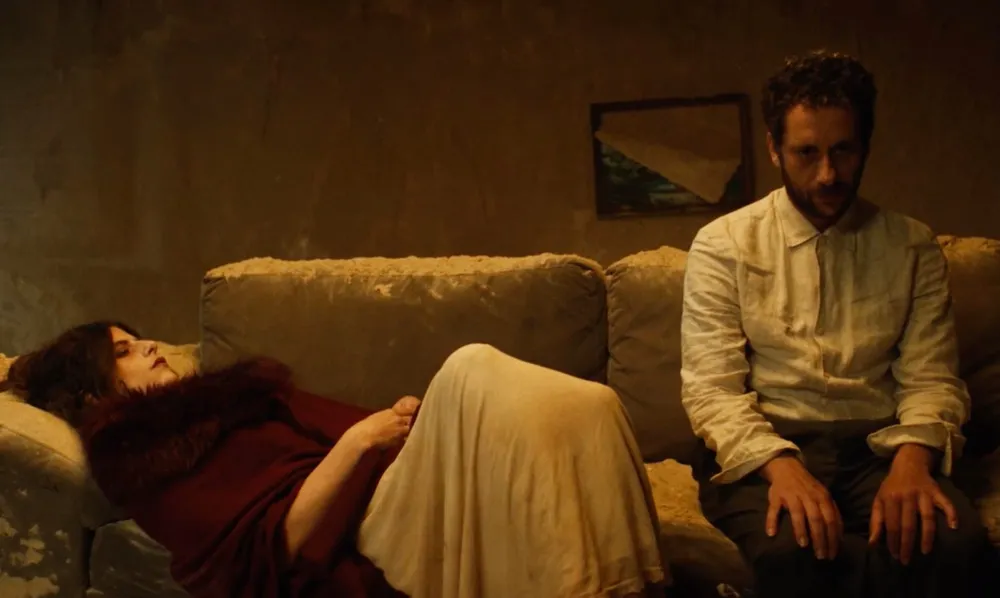
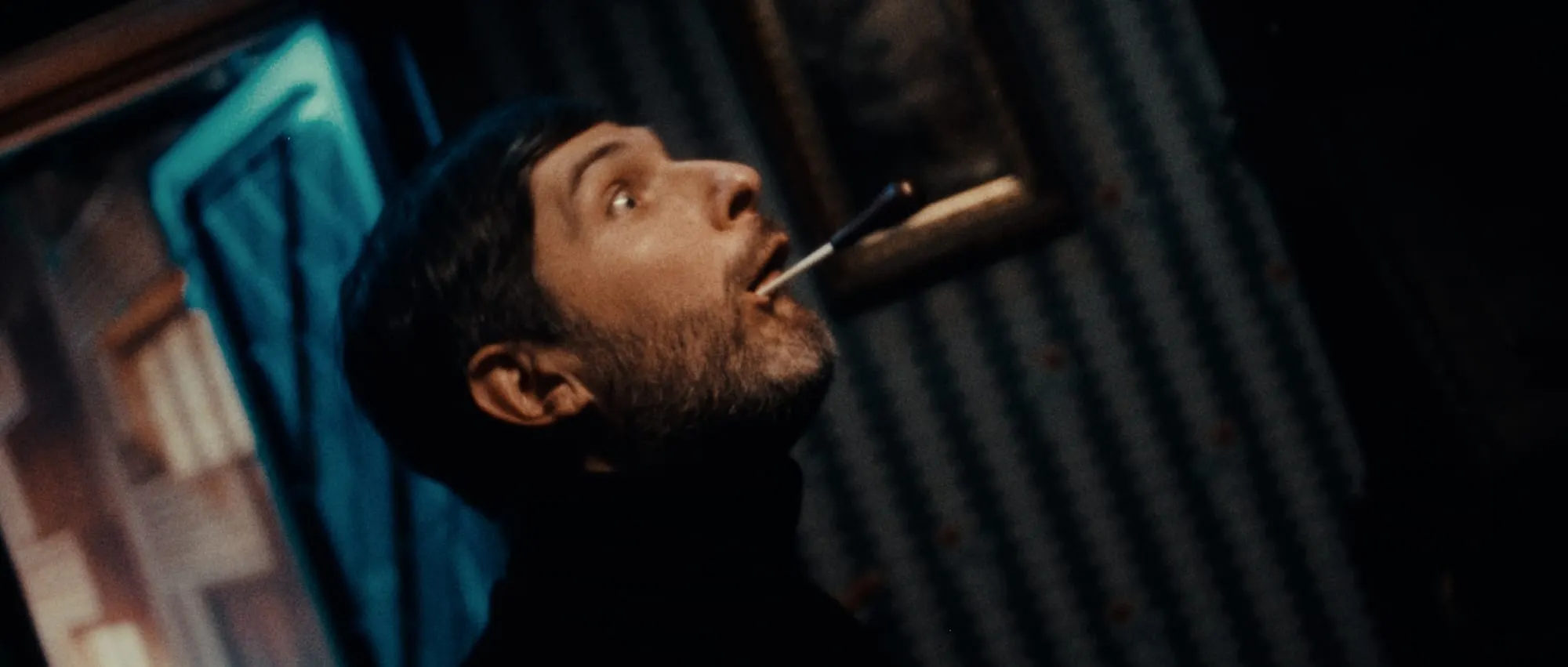
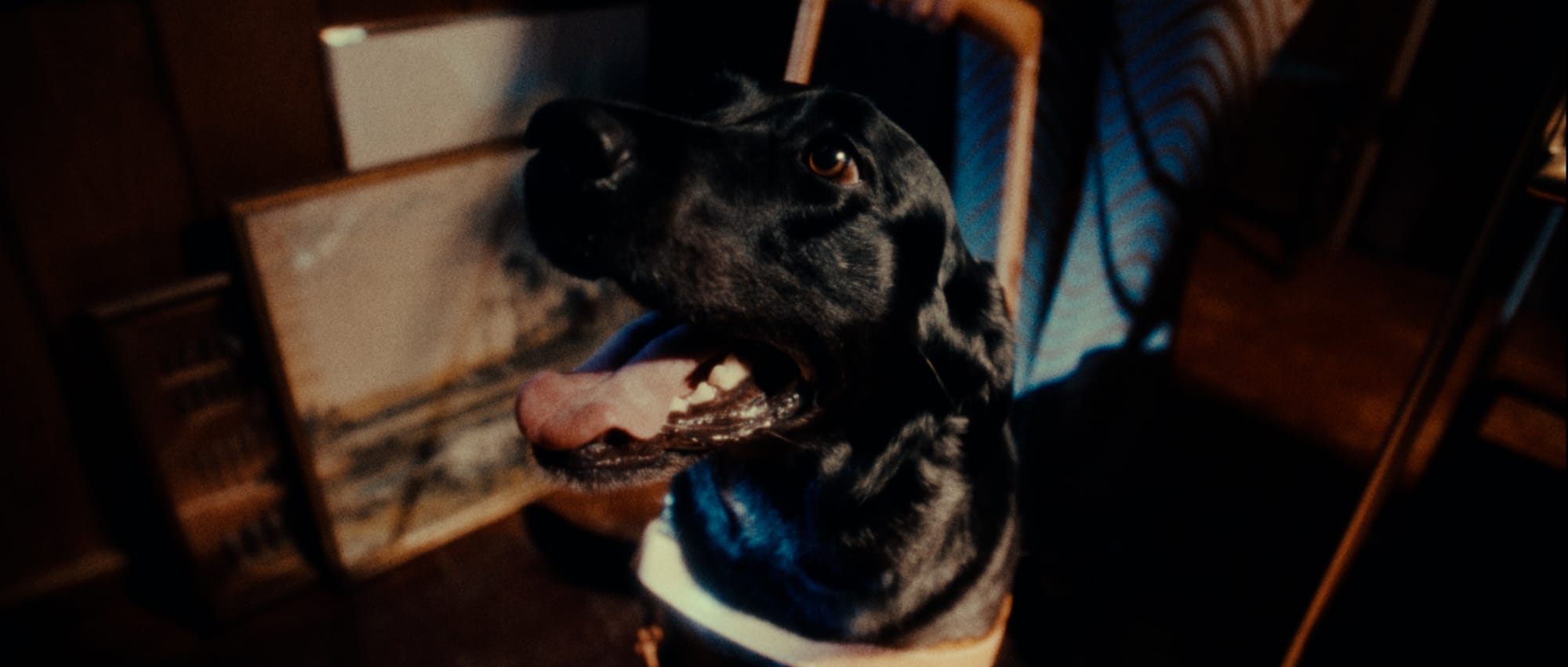
Presented as a lost, rediscovered relic, The Seeing Eye Dog Who Saw Too Much drops us into 1975 Rome, where a blind violinist earns first chair at the symphony and a black-gloved killer begins picking off her fellow musicians. The only witness to the crimes is her seeing-eye dog. Framed as fragments restored by the fictional WBAZ Films, the short is a loving, schlock-forward homage to a genre most audiences have never heard of.
Eric Jackowitz wrote, directed, edited, acted in, and scored the film, and that total authorship is the point. After twelve years making things in Los Angeles, he set out to capture everything he loves about the giallo — the collision of expert craftsmanship and gleefully lurid premises — and to turn new viewers on to it in the process.
Key Takeaways
- A single-vision giallo homage: Jackowitz wrote, directed, edited, acted in, and scored it himself.
- The production ran no sound on set, overdubbing every line to mimic the feel of a 1970s Italian film.
- Already adapted into a feature, now in early development and production.
Below, Jackowitz talks craft, curses, and the pleasures of making something wild on purpose.
Interview
What drew you to make this film, and why this story, why now?
I fell in love with the Italian giallo films of the '70s. The high/low nature of them, the expert craftsmanship mixed with the schlocky premises. It's a genre that isn't well known, and I wanted to capture what I love about them and simultaneously turn people on to the genre.
What surprised you most about the filmmaking process, creatively or logistically?
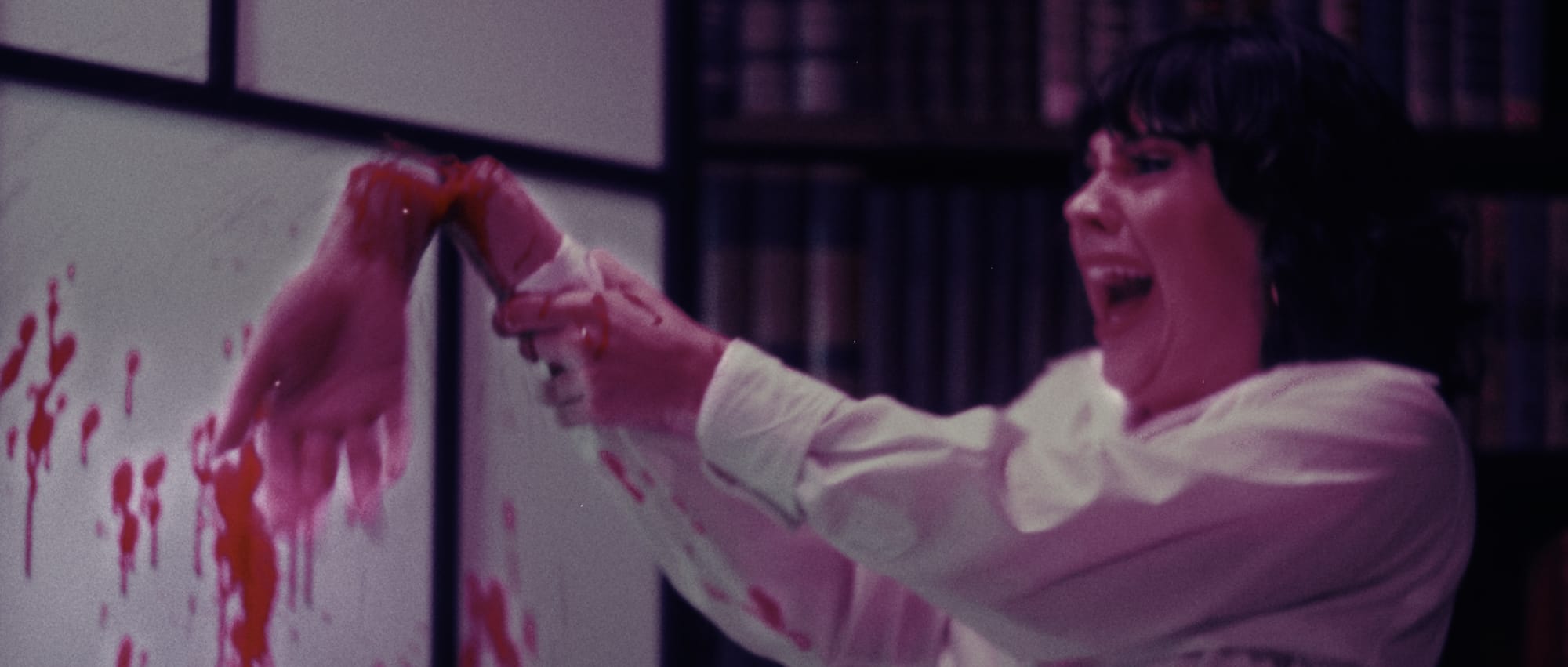
We overdubbed all the dialogue to make it feel like an Italian '70s film, so not running sound on the day was a creative challenge for the cast and crew.
What was the hardest creative decision you made while making the film?
Not running sound, overdubbing all the dialogue, doing the sound design myself, and making it feel like a relic. There was a lot of fine tuning on how to make it feel vintage.
What moment in the film feels most like you, or like something only you could have made?
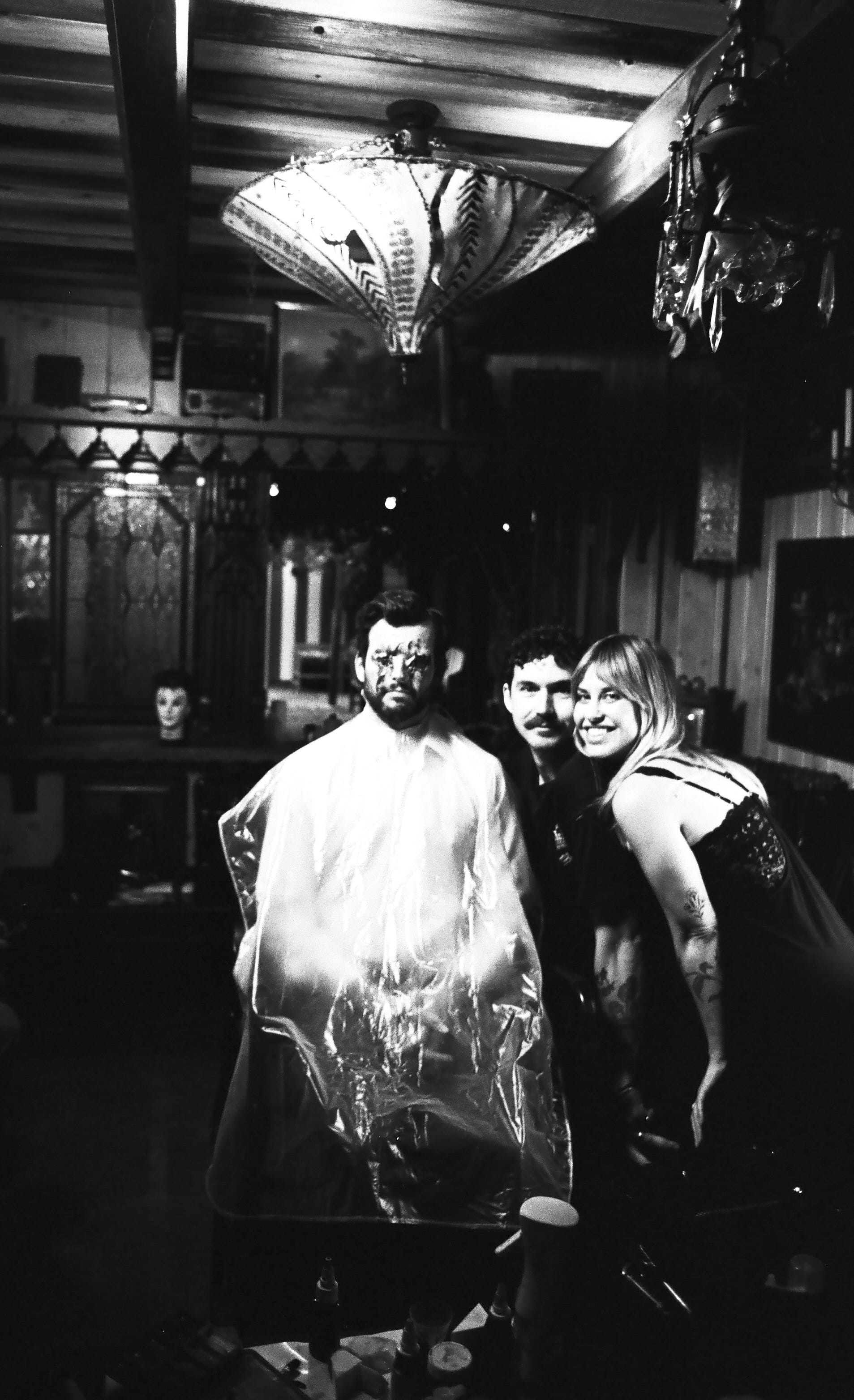
I feel like the entire thing is only something I could have made because I wrote, directed, edited, acted, and scored the film. It's 100% my sensibility.
What tool, technique, resource, collaborator, or mindset shift helped most during production?
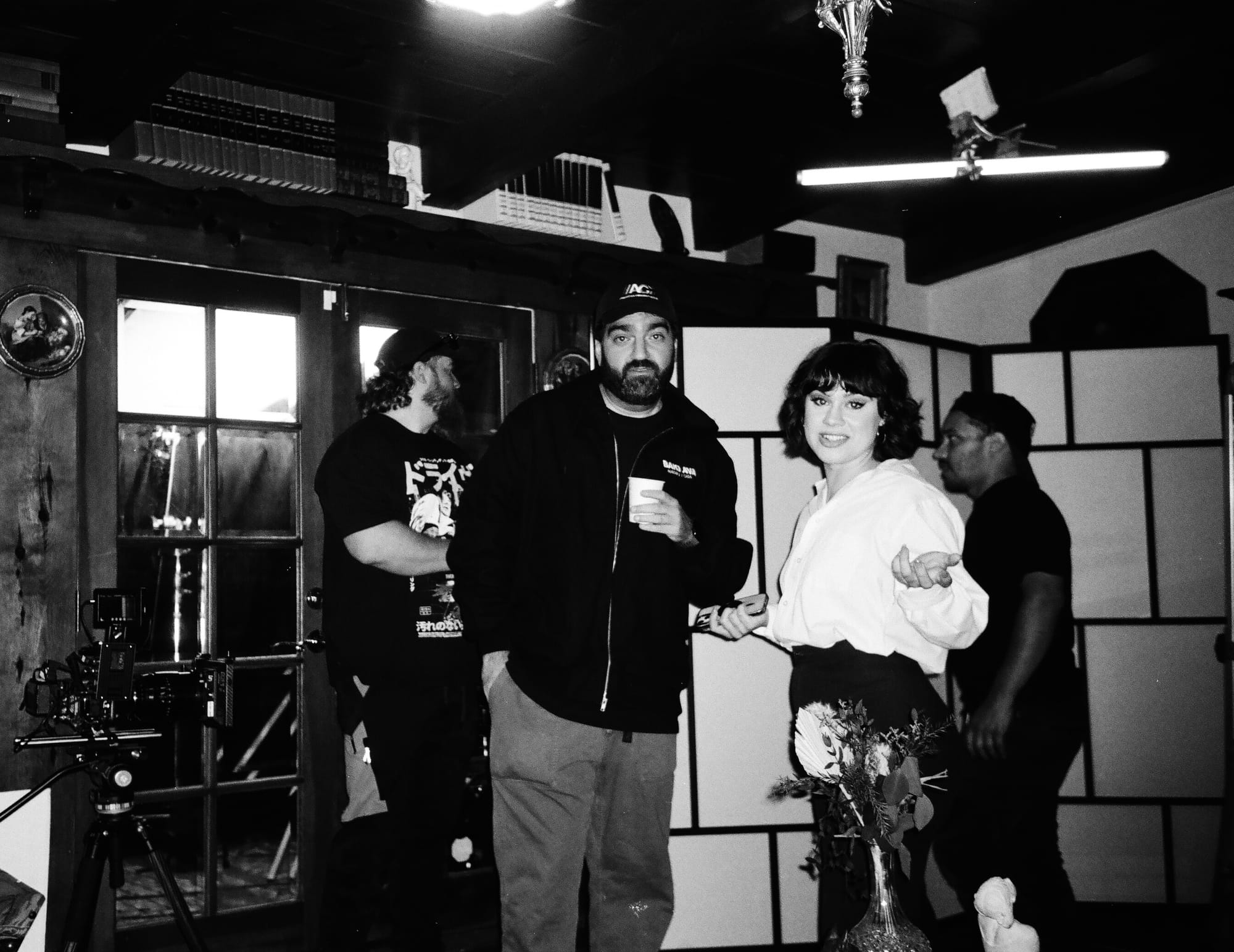
My creative relationships with my DP Blake Gaytan and producer Colton Mastro. We are able to trust, support, and respect each other throughout the ups and downs of the process.
What is the greatest strength of independent filmmaking, and how did you lean into it here?
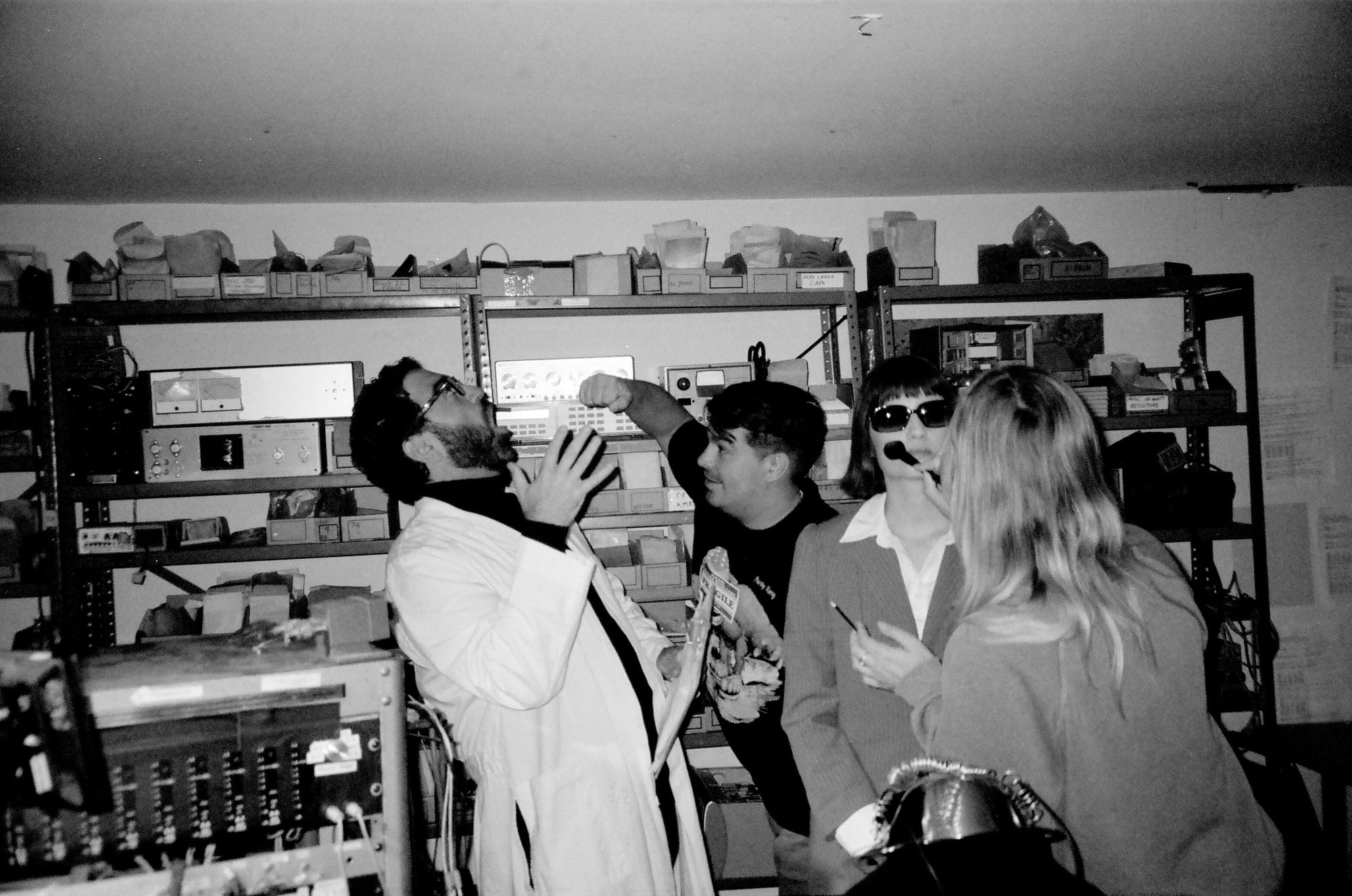
Passion! Everybody did this wild, weird movie because we thought we could make something artistic and great. I like to think this wasn't "just another job" for anybody that worked on this.
What does it mean to have your film selected for HollyShorts, and where does the film go next?
It's a dream come true and a badge of honor. I've lived in LA and have been making things for 12 years, so to be selected is a huge accomplishment. We've adapted the script into a feature, and it's being developed and in early production stages now.
Jackowitz says mimicking his favorite style ultimately taught him his own: through the homage, he realized what he loved, and his own voice was born out of it. At the core of all his work, he adds, is a desire to make something fun, stylish, and cinematic — and, with any luck, to give audiences a reason to laugh in a cinema again while discovering the giallo for themselves.
Main Cast & Crew
- Gabrielle Montes De Oca
- Ethan Edenburg
- Thomas McGovern
- Melissa Villasenor
- Anna Garcia
- Colton Mastro
- Eric Jackowitz
- Blake Gaytan — Director of Photography
Filmmaker Opportunities
💛 Fund your next project with fiscal sponsorship
Have a project in the works? As a 501(c)(3) nonprofit, the Cinematography for Actors Institute can accept tax-deductible donations on your film's behalf — a door-opener for grants, foundations, and supporters who want to back your work. We've serviced over 100 projects to date and helped route over $800,000 in funding to filmmakers. Explore fiscal sponsorship →
📬 Grant deadlines and festival opportunities, straight to your inbox
The CFA newsletter rounds up grants, festival calls, and community news for independent filmmakers — the kind of opportunities that are easy to miss and painful to miss. Join the newsletter →
🎬 Focus on the creative — we'll help with the logistics
Production Management, CFA's newest member program, launches this November: production insurance and workers' comp, payroll, film permits, gear rental coordination, SAG-AFTRA compliance, contract drafting, production consulting, and crew recommendations — handled by a team of working filmmakers, à la carte or all in, in partnership with Creative Access Group. It's waitlist-only until launch. Join the waitlist →
League of Filmmakers is published by our parent organization, the Cinematography for Actors Institute — a 501(c)(3) dedicated to education, community, and capital for underrepresented filmmakers and actors. Learn more about CFA →