
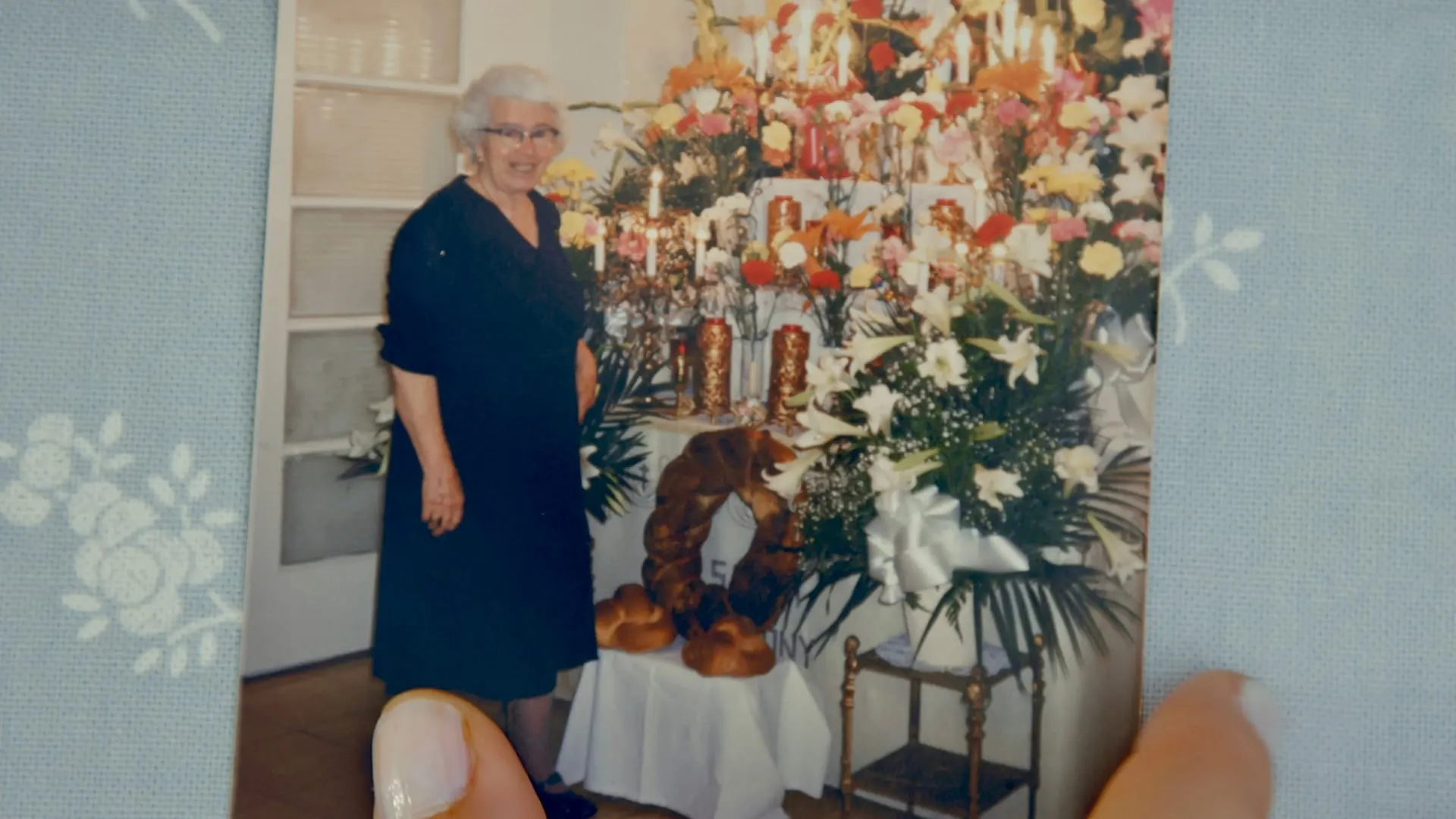
On September 1, 1983, Rosella Tursi's grandmother had just settled in to watch her favorite soap opera when bank robbers burst into her Montreal apartment with guns, a grenade, and a big bag of cash, and took her hostage. Her Italian family has been retelling that day at dinner parties for decades. In The Time My Grandmother Was Held Hostage by Bank Robbers, Tursi sets out to learn how much of the story is true. What she found was stranger than anyone had imagined.
The film is Tursi's directorial debut, but she arrives with a seasoned editor's instincts. Born and raised in Montreal and now based in New York, she has spent twenty years shaping other people's stories, including two Sundance premieres: The Brittney Griner Story for ESPN's 30 for 30 and God Save Texas for HBO. She also cut the HBO series Last Call: When a Serial Killer Stalked Queer New York. Here she turns the lens on her own family. The tense moments in this 24-minute short give way to something warmer: a portrait of oral storytelling, memory, and the comedy that can come out of even the most harrowing day.
Key Takeaways
- The bank robber Tursi's family believed had died at the scene turned out to be alive. She paused the edit and flew back to Montreal to interview him on camera.
- Tursi shot her family photos by hand on her grandmother's tablecloths instead of scanning them. She wanted a tangible, personal exchange between filmmaker and audience.
- The film won the Oscar-qualifying Best Documentary award at HollyShorts in Los Angeles, and Tursi says a streaming deal will be announced soon.
Tursi spoke with us about the twist she never saw coming, learning to be a subject in her own film, and making it alongside her wife.
Interview
What drew you to make this film, and why this story, why now?
For the past twenty years, I've worked as an editor, shaping other people's stories in documentaries, films, and television series. Now I decided to turn the lens on my own family. Through this film, I explored the tradition of oral storytelling in my Italian family: how the stories we share connect us, preserve our history, and keep the memory of those we've lost alive.
I believe my grandmother would have gotten a huge kick out of seeing her story on screen. The events were frightening, and she was understandably shaken in the immediate aftermath, but she soon regained her characteristic mix of stoicism and joyfulness. The film includes tense moments, but its tone is far from dark. It's ultimately about resilience, connection, and the comedy that can arise from even the most harrowing experiences.
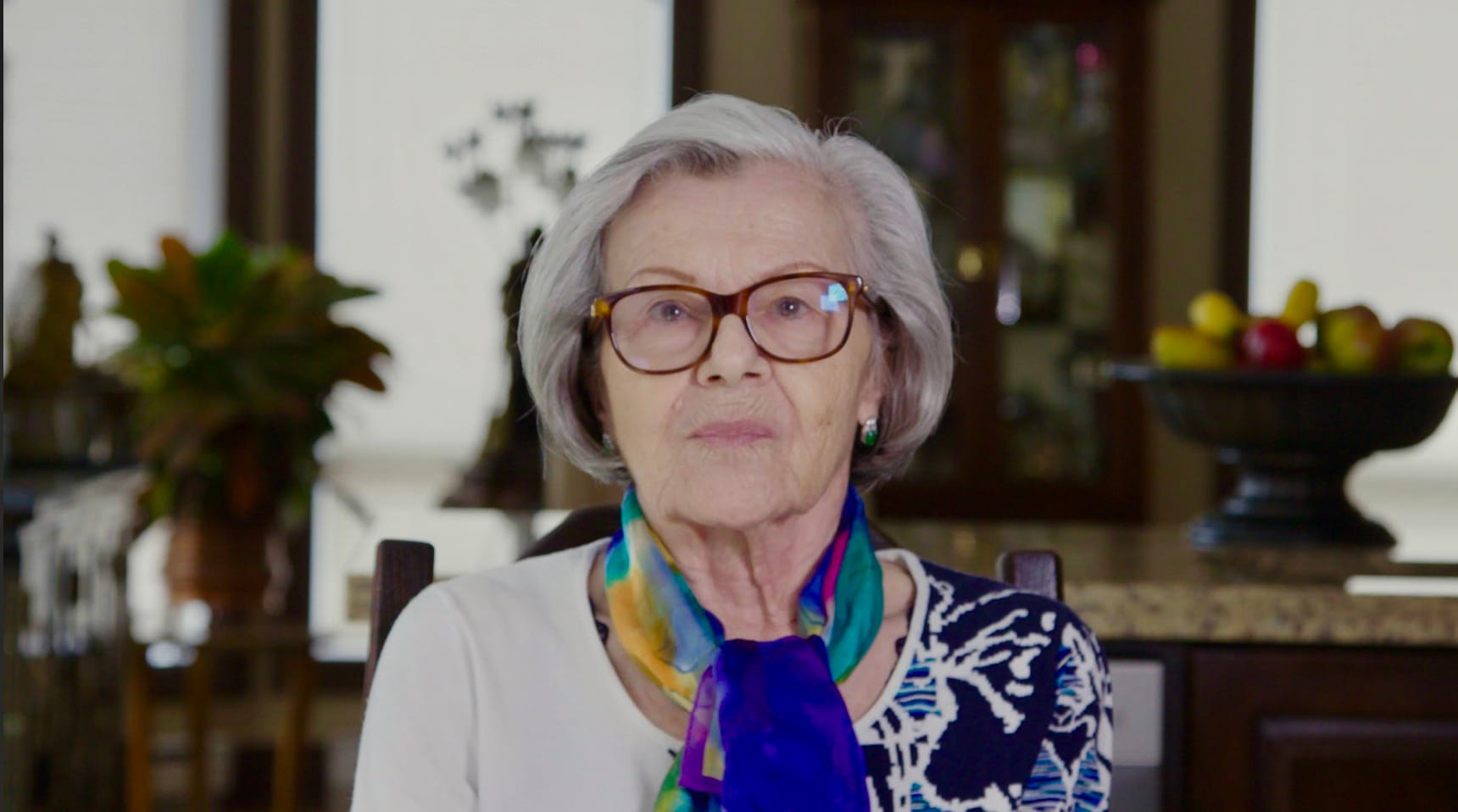
As the years went by, my grandmother never spoke about it. Yet within our family, the story lived on, retold countless times at dinner parties and other gatherings. In recent years, I began to wonder whether I was remembering and retelling it as it truly happened. Making this film led me into the archives, to old newspapers and television news reports, so I could piece the events together accurately and give the story its full shape. I wanted to tell it now because my only living relative who was at the scene, my Auntie Anna, just turned ninety.
When I began, I never imagined I would one day sit face-to-face with one of the bank robbers who held my grandmother hostage. That meeting proved unexpectedly cathartic for both of us, and it forever changed the way all of us tell the story.
What surprised you most about the filmmaking process?
I was shocked to learn that the bank robber we all thought had died at the scene of the crime was actually still alive and willing to sit down for an on-camera interview. I learned this after editing had begun, so I had to pause the edit and fly back to Montreal to interview him. Of course, this changed the way I told the story in the film. It was a major plot twist.
What was the hardest creative decision you made while making the film?
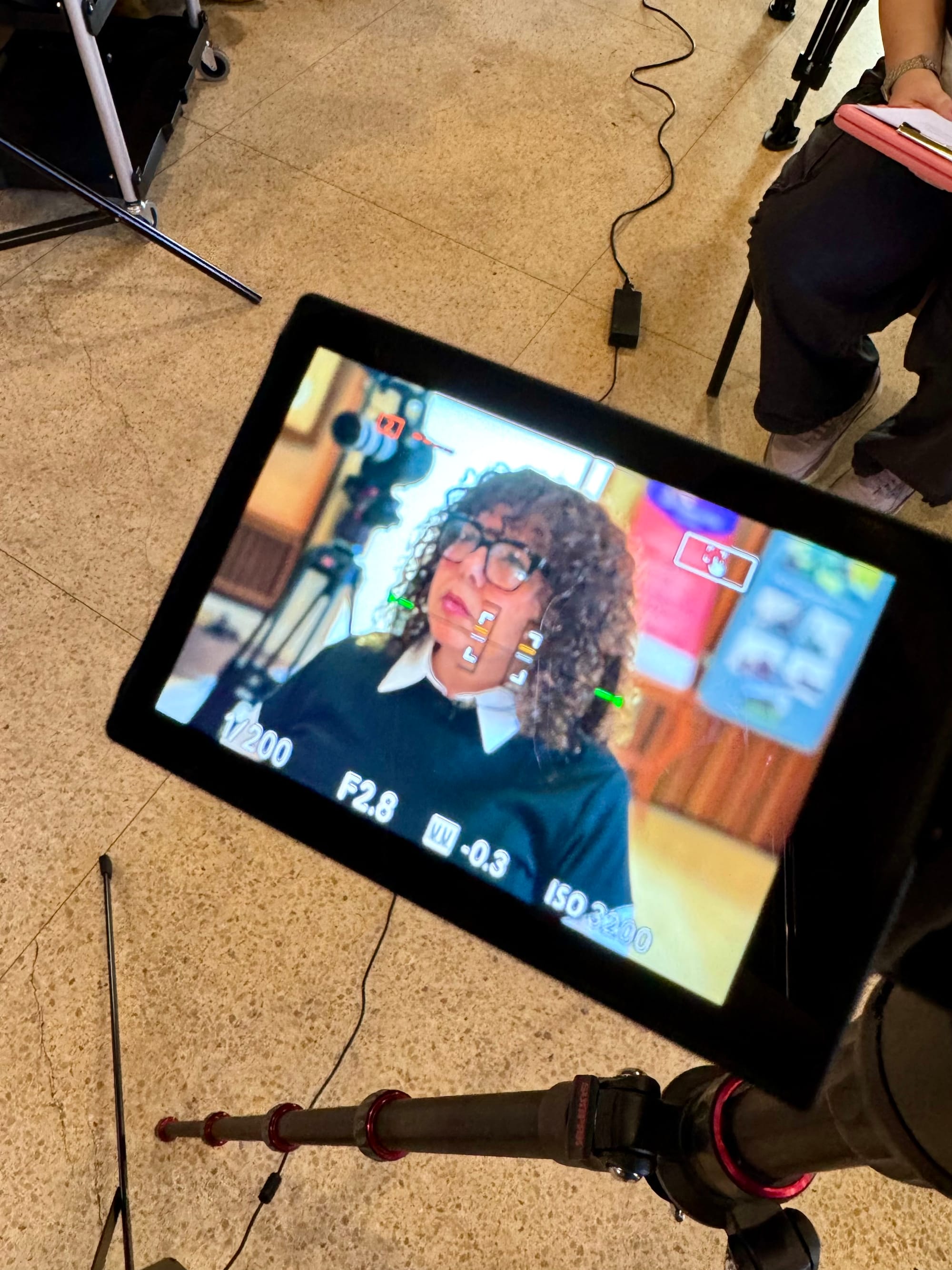
Appearing in the film was something I struggled with. For the longest time, my wife and producer, Christine Champagne, insisted I be part of the story on screen. I resisted until a fellow editor suggested the same thing and agreed with Christine that it was essential. I finally relented, and at first I hated seeing myself on screen. As an editor, I ultimately realized I should give myself the same empathy and care I give all the other participants in the documentaries I edit.
What moment in the film feels most like you, or like something only you could have made?
I can't point to one moment. Overall, this film is an example of how I edit. Even when I'm editing the most intense or serious documentaries, I look for moments of levity that sometimes break the fourth wall. These moments can reveal a lot about a participant.
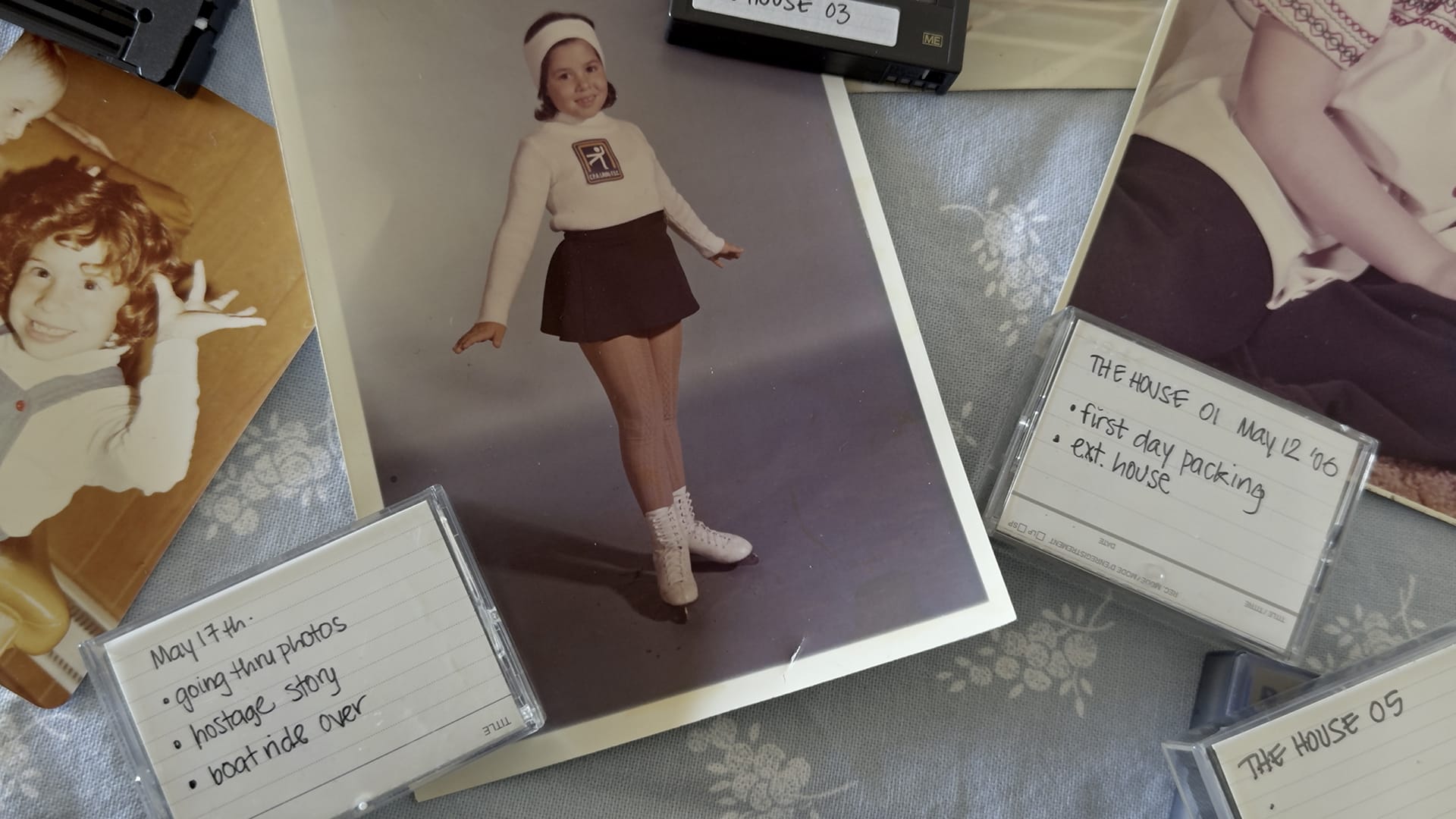
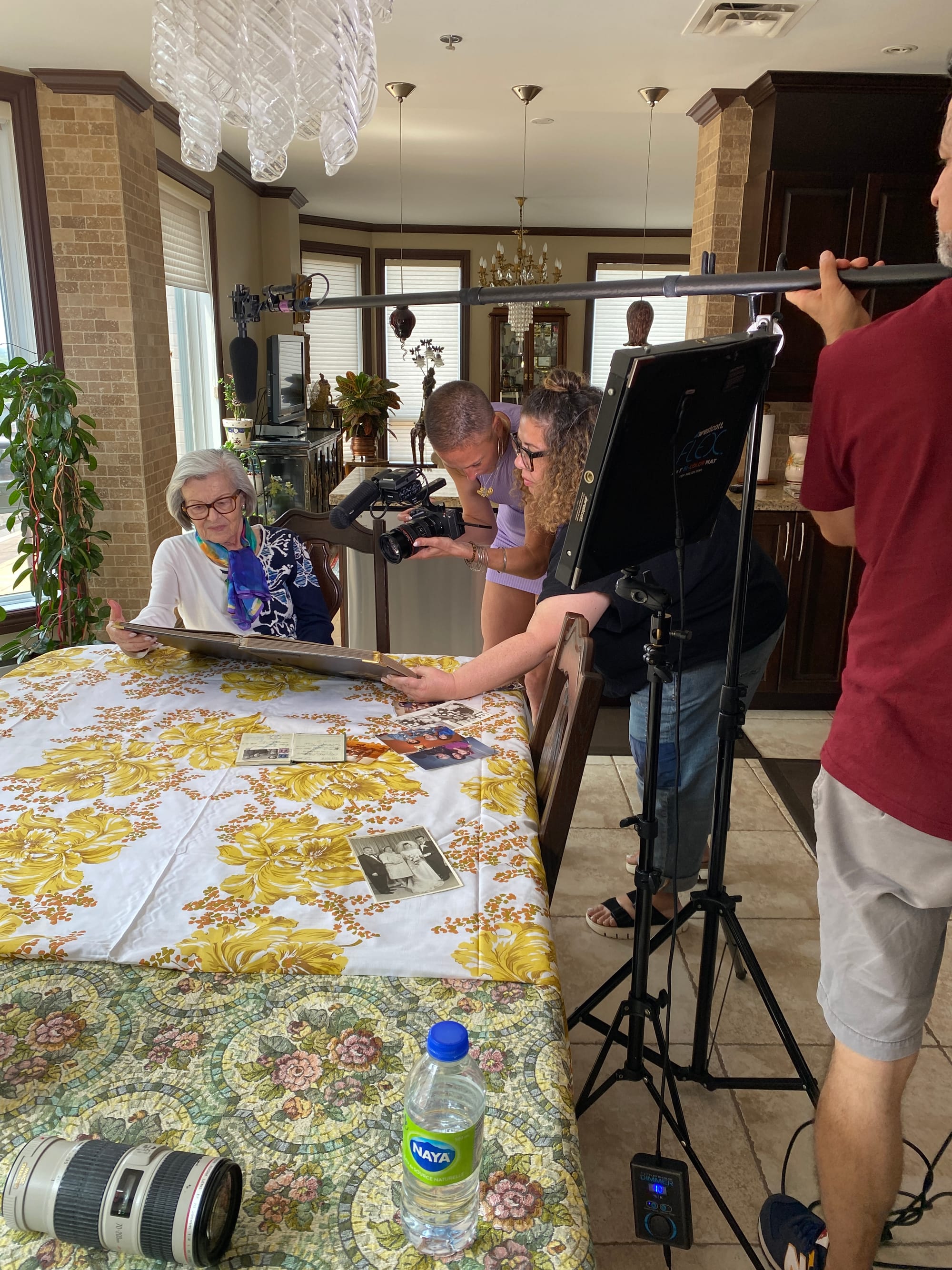
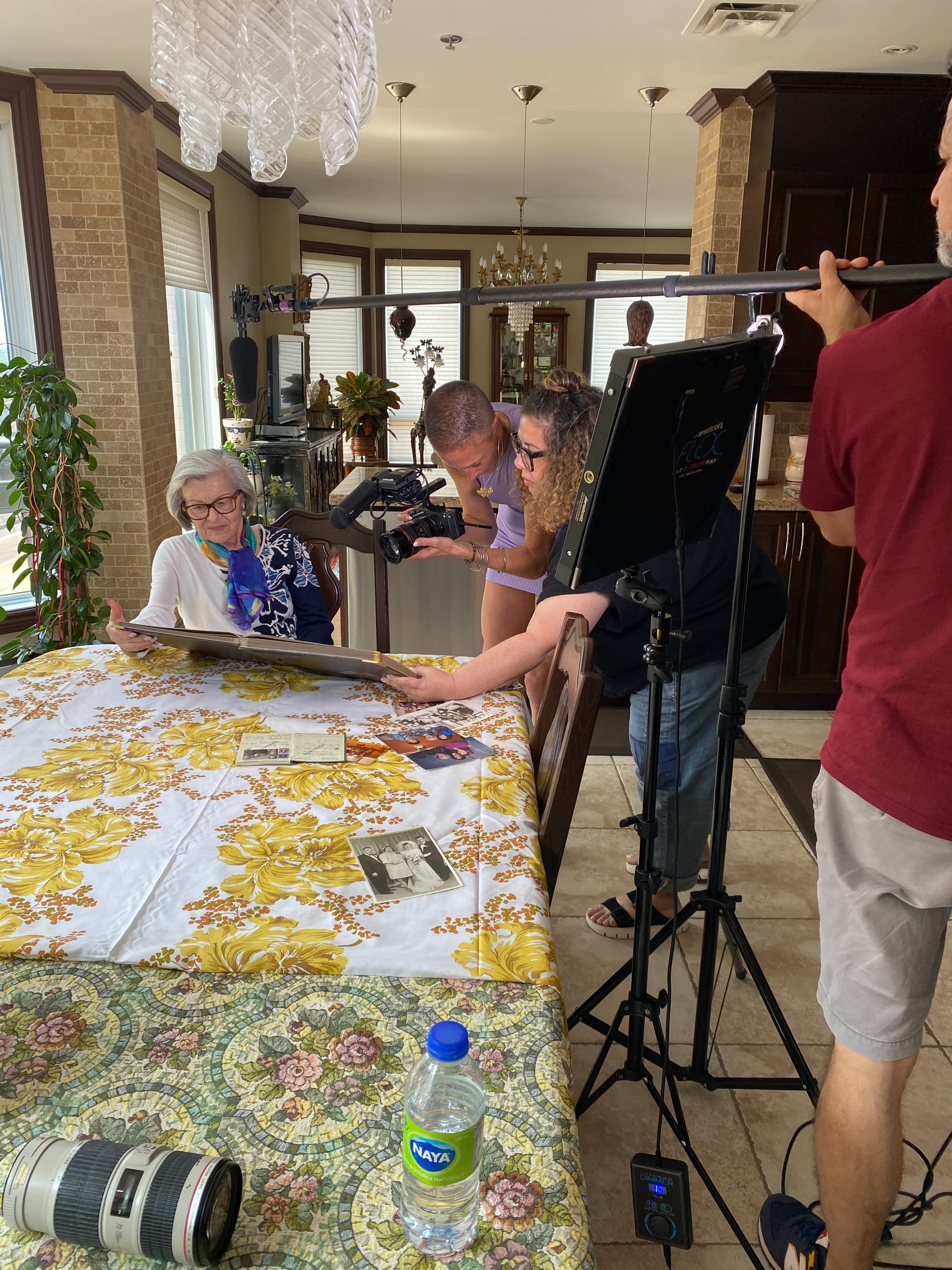
Visually, I wanted to present the family photos in a tangible way rather than scanning them and applying graphic effects. So I shot them overhead, using my grandmother's tablecloths as a background and sliding them into frame with my hand. My goal was to create a personal interaction between the filmmaker and the audience.
What tool, technique, resource, collaborator, or mindset shift helped most during production?
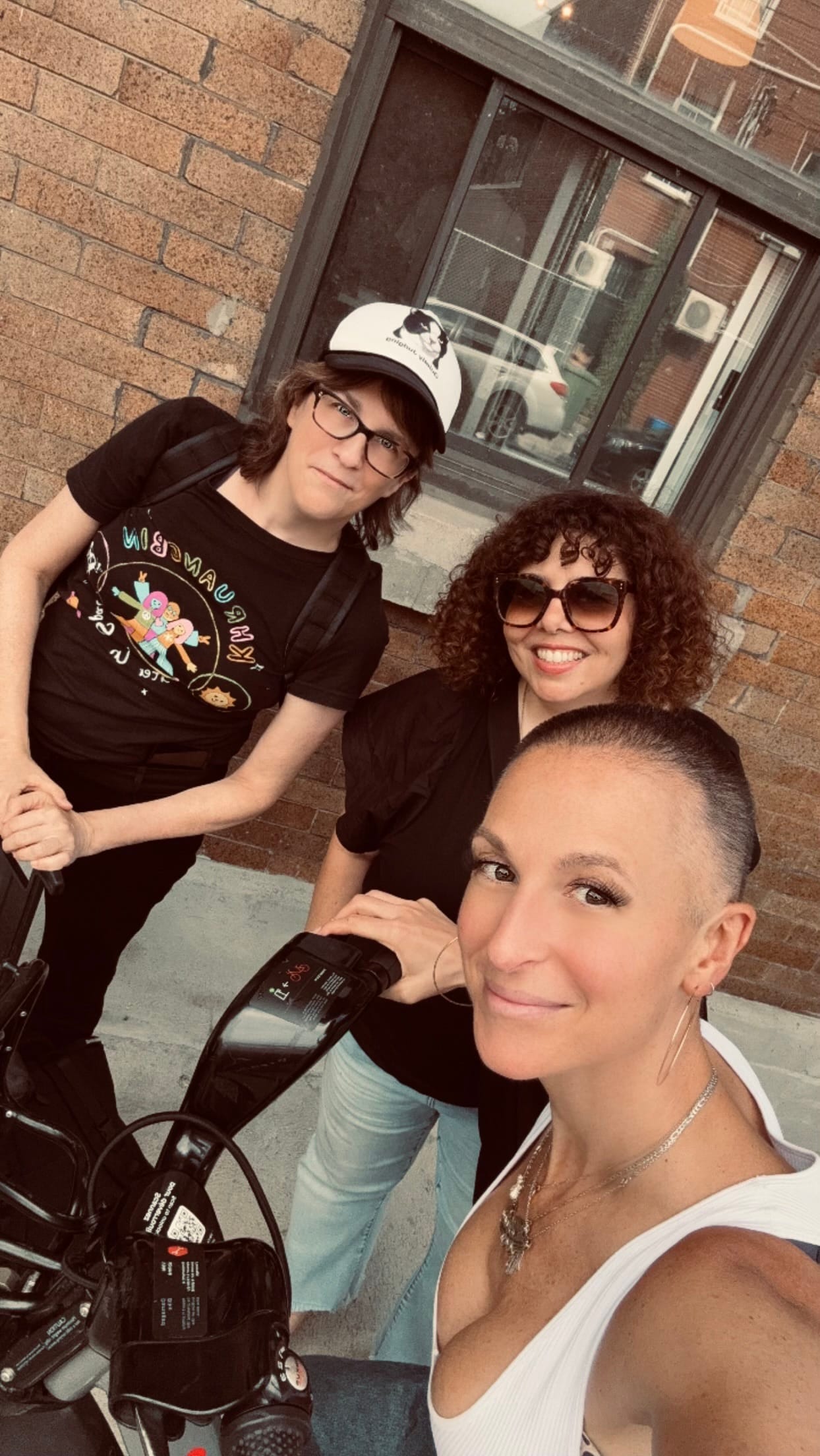
I had never collaborated with my wife, Christine, in any official capacity before. We made the film together every step of the way. Christine is a journalist, and this was her first film. I was pleasantly surprised at how little she had to learn about documentary storytelling. We were in sync the whole way through, and we agreed on the tough choices about what to cut and what to keep. We can't wait to make the next one together.
What is the greatest strength of independent filmmaking, and what lesson would you share with others?
You don't need to wait for anyone's approval or funds to get started. If you have a camera, or a friend with a camera, just start shooting. The momentum fuels the process.
Take your time in the edit. Making an independent film means you don't have to answer to a producer or executive. I found it was really important not to rush. I worked at my own pace and gave myself time to explore and discover ideas along the way.
You should get feedback on your cuts at different stages, but ultimately you have to listen to your own voice. That's what will make your film unique and special.
What does it mean to have your film selected for HollyShorts London, and where is it going next?
This summer, my film won the Oscar-qualifying Best Documentary award at HollyShorts in Los Angeles. I attended, saw so many inspiring films, and met filmmakers from all around the world. The team at HollyShorts fosters connection, so I couldn't pass up the opportunity to screen in the UK. At so many other festivals, short films take a backseat to features. HollyShorts celebrates and elevates short-form filmmaking.
I will be able to announce a streaming deal soon. I would also love to turn this into a narrative feature. I definitely want to tell more personal stories, and I plan to direct more. At the core of all my work is a desire to tell stories and tell them well. I have always been a storyteller. As a child, I went around with a portable tape recorder and my little microphone, interviewing friends and family. I love what I do. I was born to do this.
Main Cast & Crew
- Rosella Tursi: Director, Editor, Producer
- Christine Champagne: Producer, Writer
- Laurence Mathieu-Léger: Cinematography
- Mandy Hoffman: Music
- Website
Filmmaker Opportunities
💛 Fund your next project with fiscal sponsorship
Have a project in the works? As a 501(c)(3) nonprofit, the Cinematography for Actors Institute can accept tax-deductible donations on your film's behalf — a door-opener for grants, foundations, and supporters who want to back your work. We've serviced over 100 projects to date and helped route over $800,000 in funding to filmmakers. Explore fiscal sponsorship →
📬 Grant deadlines and festival opportunities, straight to your inbox
The CFA newsletter rounds up grants, festival calls, and community news for independent filmmakers — the kind of opportunities that are easy to miss and painful to miss. Join the newsletter →
🎬 Focus on the creative — we'll help with the logistics
Production Management, CFA's newest member program, launches this November: production insurance and workers' comp, payroll, film permits, gear rental coordination, SAG-AFTRA compliance, contract drafting, production consulting, and crew recommendations — handled by a team of working filmmakers, à la carte or all in, in partnership with Creative Access Group. It's waitlist-only until launch. Join the waitlist →
League of Filmmakers is published by our parent organization, the Cinematography for Actors Institute — a 501(c)(3) dedicated to education, community, and capital for underrepresented filmmakers and actors. Learn more about CFA →


