Table of Contents
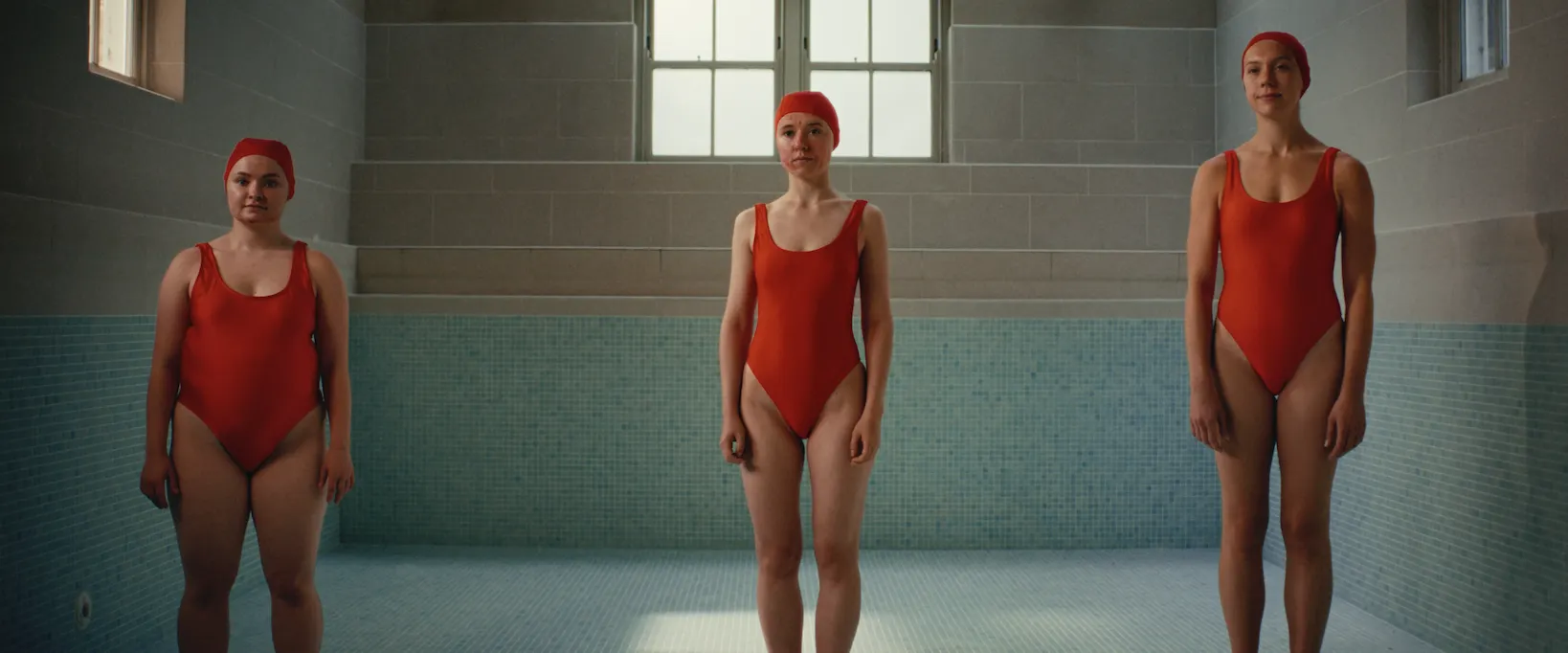
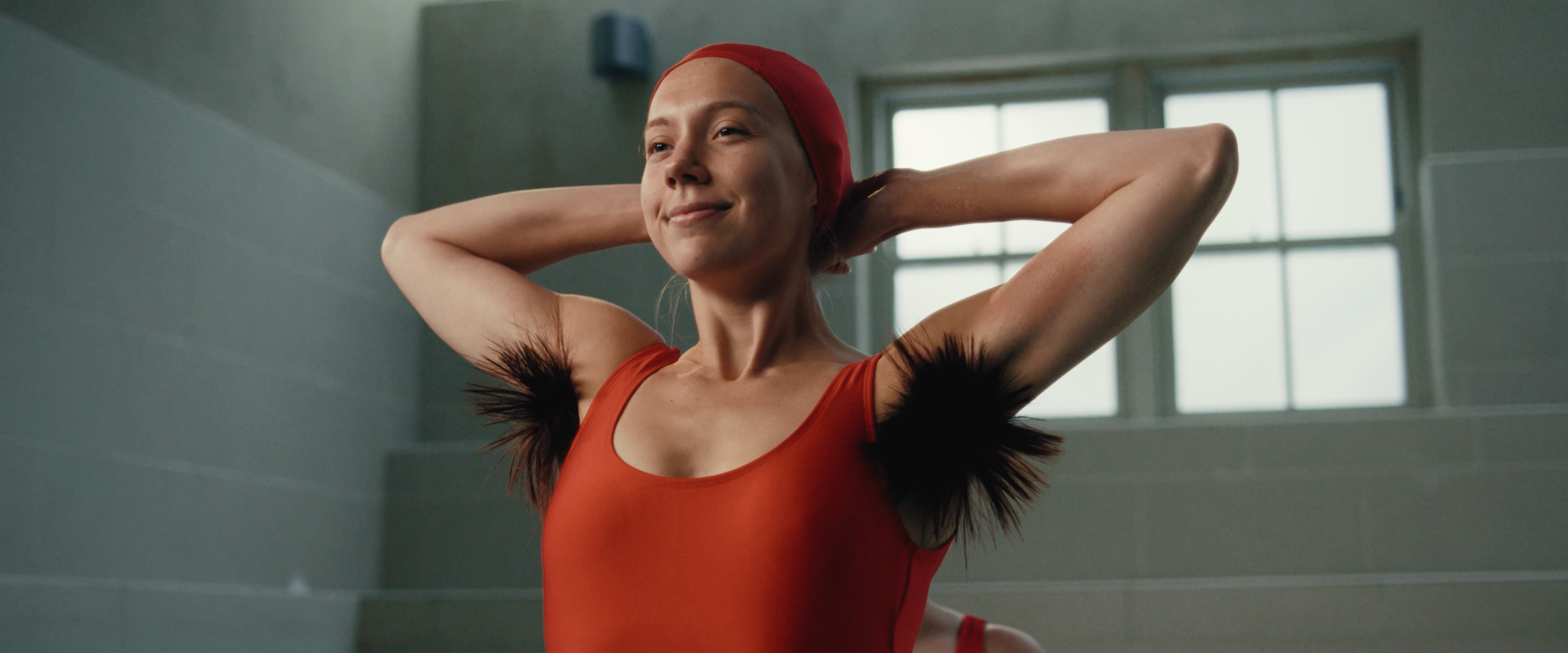
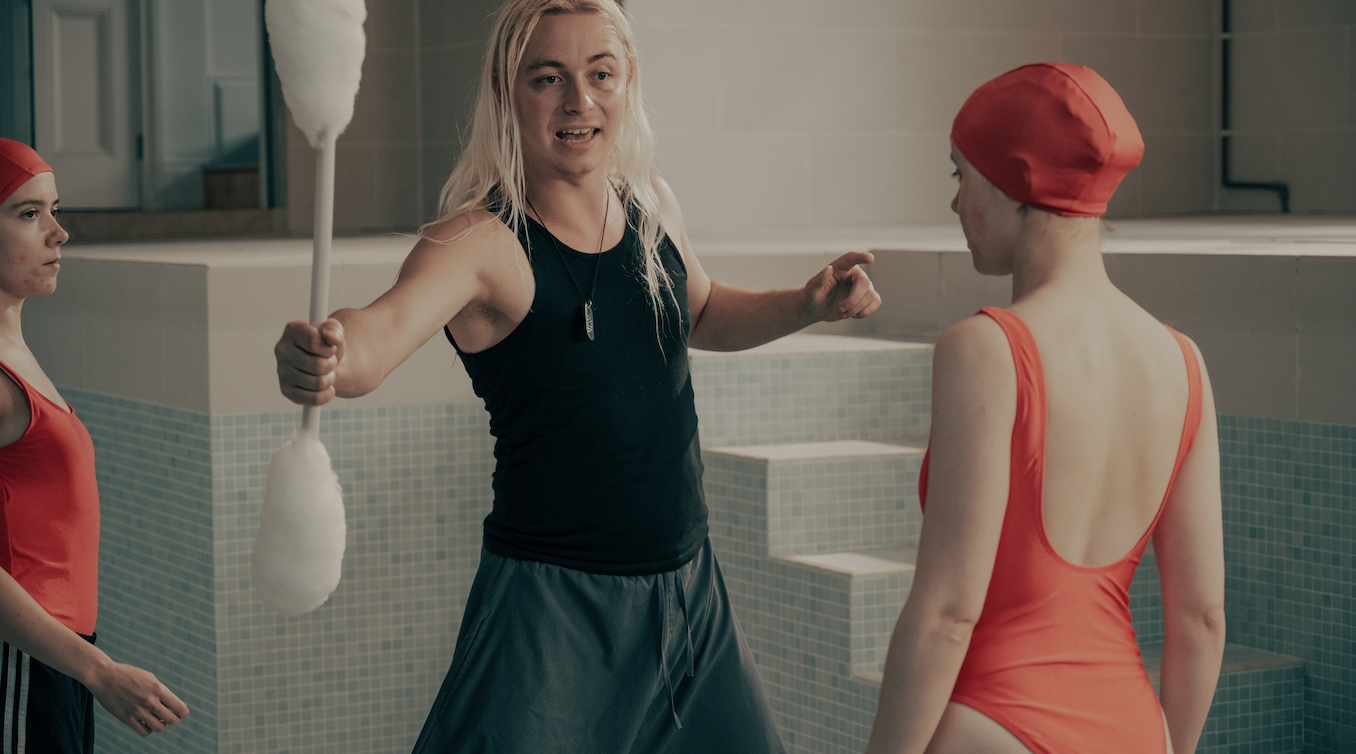
Ava Bounds is a 20-year-old writer and director from Yorkshire whose award-winning films blend dark comedy, surreal storytelling and emotional honesty. In The Witches of Pool Bottom, shy teen Rachel arrives at a crowded public pool in a red bikini and instantly feels exposed. When she dives in, the water drains to reveal three girls clawing up from the deep — one zit-covered, one wildly hairy, one unapologetically fat, and all of them her.
What follows is an outrageous pool showdown that lays bare the absurd pressures of the beauty industry. It is funny, uncomfortable and a little chaotic — much like being a teenage girl — and it lands because Bounds refuses to soften the strangeness of what young women are asked to accept as normal.
Key Takeaways
- A dark-comedy fever dream about body image, built as "a love letter to teenage girls."
- Practical effects over VFX or AI — flying zits made from cake icing, DIY invention as a house style.
- Beyond the festival circuit, the film is already partnering with schools and mental health charities including Leeds Mind.
Bounds spoke with us about absurdity as honesty, funding a film through Qigong, and why she never wanted to fix the film's genre — or herself.
Interview
What drew you to make this film, and why this story, why now?
I made The Witches of Pool Bottom because I grew up believing there was always something to fix. My skin, my body, my face, my reflection — it felt like there was always another product, another trend or another impossible standard telling me I wasn't quite enough.
As a teenage girl, you learn to pick yourself apart without even realising you're doing it. Social media, the beauty industry and the pressure to be "perfect" can make this feel completely normal. I wanted to take those everyday thoughts and push them to the point of absurdity. The film uses dark comedy and surrealism because, honestly, so much of what we're sold is ridiculous. If you stop and look at it properly, it's strange that we've accepted this as normal. It's funny, uncomfortable and a little chaotic — much like being a teenage girl. I hope audiences laugh, cringe, and recognise a little bit of themselves in it.
What moment in the film feels most like you, or like something only you could have made?
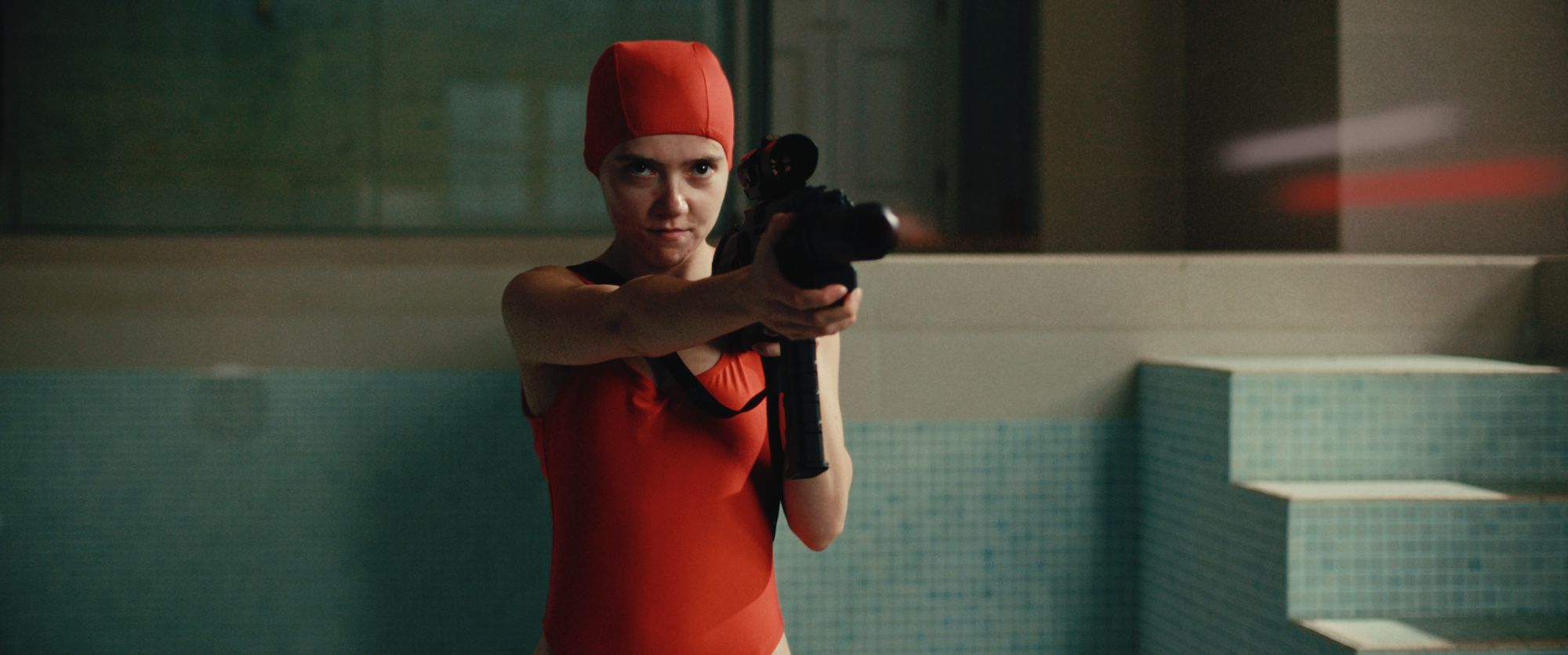
The moment that feels most like me is how the film completely embraces the absurd. I love taking something painfully ordinary and pushing it until it becomes surreal, funny, and slightly unsettling. That balance between humour and discomfort is how I naturally see the world, so the film's wackiest moments feel the most honest. Because at the end of the day, the beauty industry is bizarre, funny and unsettling.
What tool, technique, resource, collaborator, or mindset shift helped most during production?
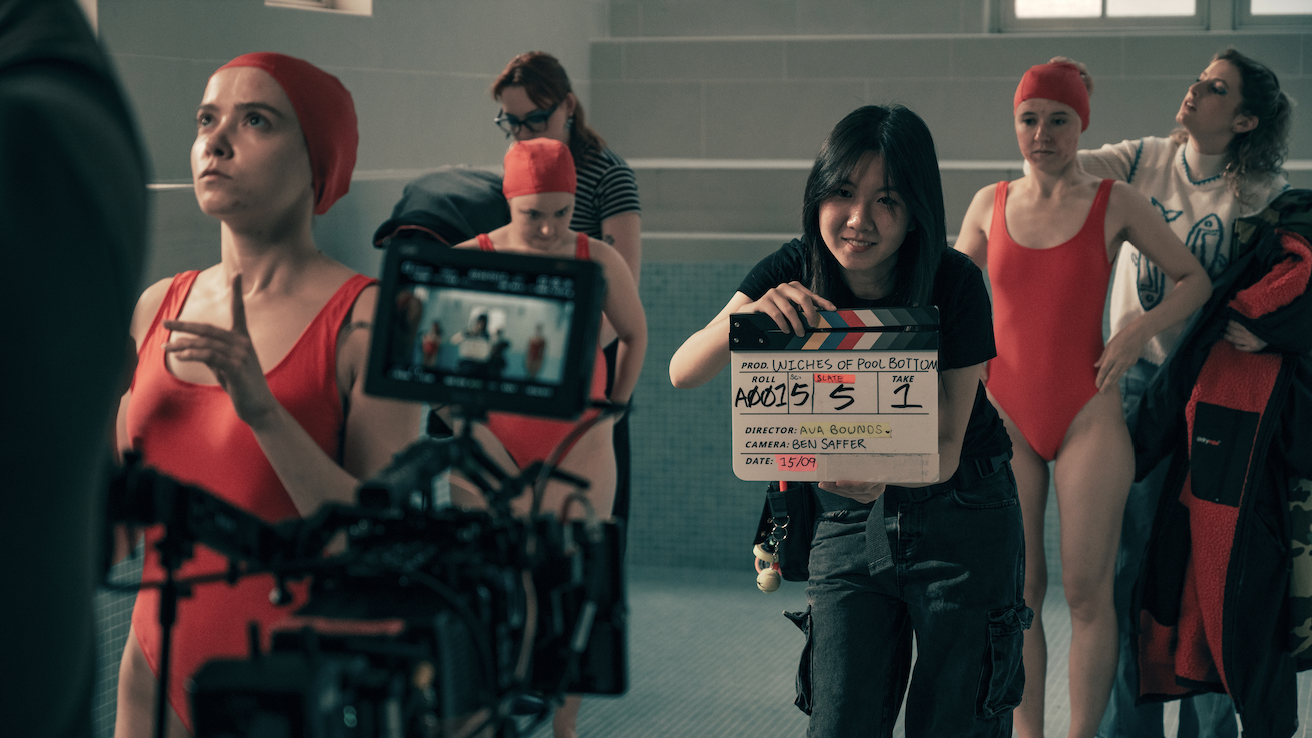
One of the most unexpected things that helped during production was Qigong. Alongside filmmaking, I'm a qualified Qigong teacher, and I actually helped fund The Witches of Pool Bottom by running my own teacher training course. Qigong is a gentle Chinese practice that combines movement, breath and meditation to calm the mind and body. On set, I taught a few simple exercises to some of the crew, which became a really nice way to reset and keep the atmosphere calm during long days — you know how it can be. Beyond that, my Qigong practice has completely shaped how I think about the body, self-image and our relationship with ourselves, so it naturally found its way into the heart of the film.
What is the greatest strength of independent filmmaking, and how did you lean into it here?
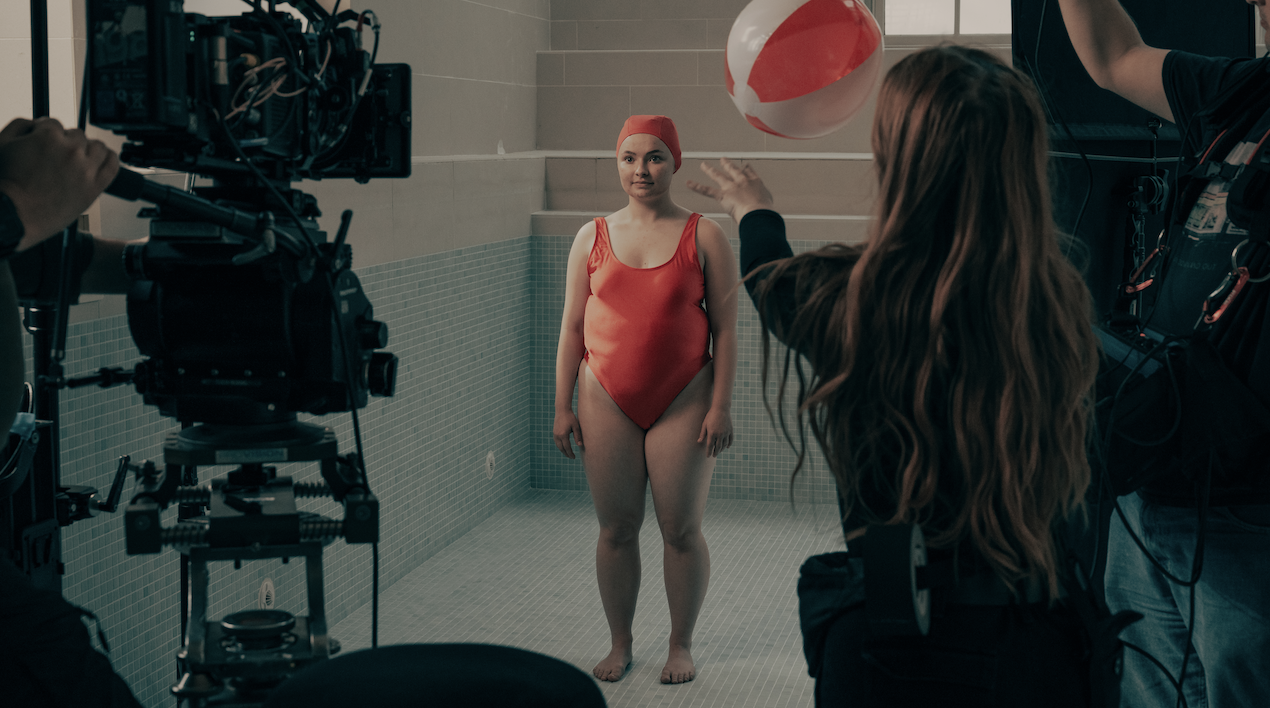
I think the greatest strength of independent filmmaking is that you're forced to be inventive. We leaned into practical effects for almost every gag instead of relying on VFX — or, God forbid, AI — and I think the film is so much better for it. There's a scrappy, DIY charm to it that suits the world of the film. Flying zits were literally made with cake icing, and some of my favourite moments came from finding ridiculous low-budget solutions to weird problems. My biggest takeaway is not to see limitations as something to work around, but as something that can become part of your style.
How does your film fit within, or push the boundaries of, its genre or form?
I don't even know what genre I'd call it — and maybe that's the point. It has elements of horror, comedy, satire, fantasy, dance, time travel. I basically threw everything I had at it. It's a full OTT mockery of the bizarre and often farcical world of the beauty industry, so it felt wrong to keep it within traditional genre boundaries. I wanted the film to feel as chaotic and excessive as the pressures it's poking fun at. The surrealism and absurdity aren't just style choices; they're the way I could honestly express how ridiculous these expectations can feel. It's a strange little creature, but underneath all the madness is a very real story about identity, insecurity and growing up.
What does it mean to have your film selected for HollyShorts?
Being selected for HollyShorts means a huge amount because I always knew this film would be a bit like Marmite. I knew some people — especially those with more traditional tastes — wouldn't connect with its weirdness, but younger audiences have really embraced it. Getting into HollyShorts feels like proof that I wasn't completely mad for making the film the way I did. There were definitely moments on set where I questioned everything, but seeing it find its audience and be recognised by a festival like this makes all of that chaos feel worth it.
Where do you see this film going next?
Beyond the festival circuit, I'm really passionate about using the film as a tool for conversation. I've already started collaborating with schools and organisations like Leeds Mind, a mental health charity, around the premiere, and I'd love to explore more screenings with young people, as well as potential events with body image and body dysmorphia charities. The film was made as a love letter to teenage girls, so seeing it become something that can support, inspire and open up conversations beyond the cinema would mean just as much as any festival selection.
Main Cast & Crew
- Ava Bounds — Director/Writer
- Ben Saffer — Cinematographer
- Anja Cilia — Rachel
- Frankie Bounds — Cameron
Filmmaker Opportunities
💛 Fund your next project with fiscal sponsorship
Have a project in the works? As a 501(c)(3) nonprofit, the Cinematography for Actors Institute can accept tax-deductible donations on your film's behalf — a door-opener for grants, foundations, and supporters who want to back your work. We've serviced over 100 projects to date and helped route over $800,000 in funding to filmmakers. Explore fiscal sponsorship →
📬 Grant deadlines and festival opportunities, straight to your inbox
The CFA newsletter rounds up grants, festival calls, and community news for independent filmmakers — the kind of opportunities that are easy to miss and painful to miss. Join the newsletter →
🎬 Focus on the creative — we'll help with the logistics
Production Management, CFA's newest member program, launches this November: production insurance and workers' comp, payroll, film permits, gear rental coordination, SAG-AFTRA compliance, contract drafting, production consulting, and crew recommendations — handled by a team of working filmmakers, à la carte or all in, in partnership with Creative Access Group. It's waitlist-only until launch. Join the waitlist →
League of Filmmakers is published by our parent organization, the Cinematography for Actors Institute — a 501(c)(3) dedicated to education, community, and capital for underrepresented filmmakers and actors. Learn more about CFA →