Table of Contents
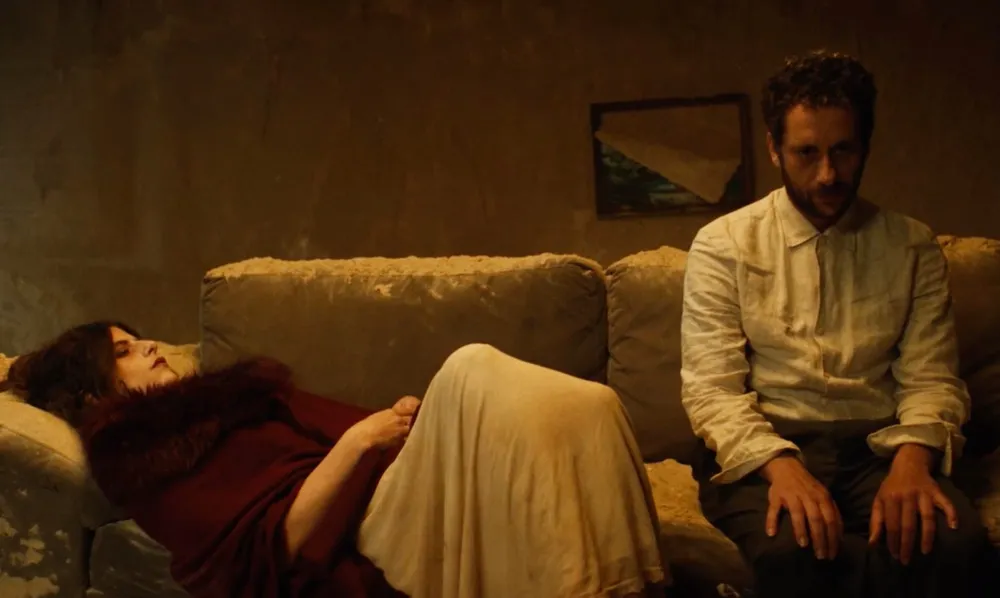
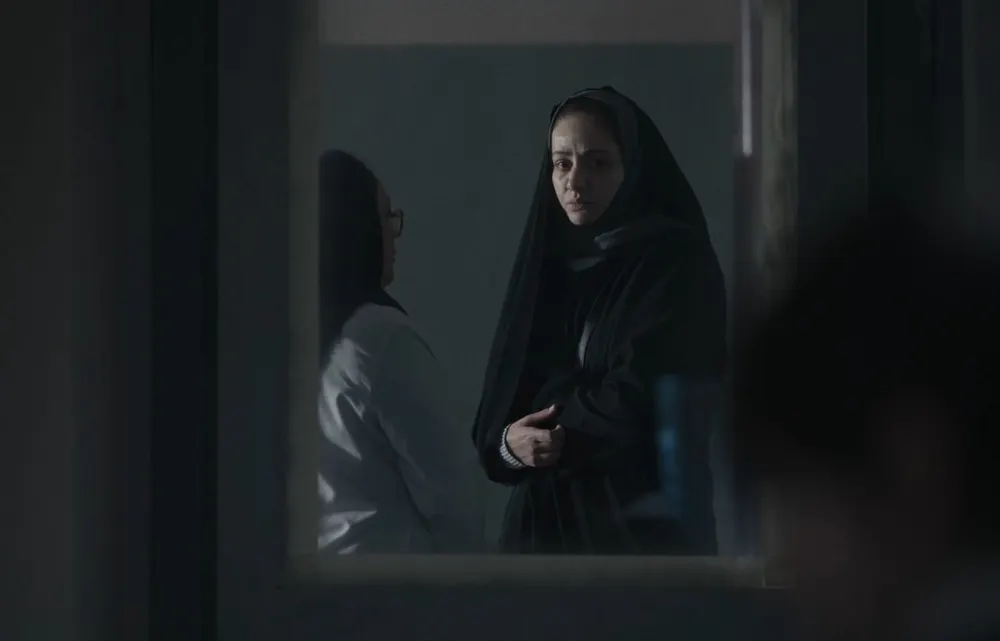
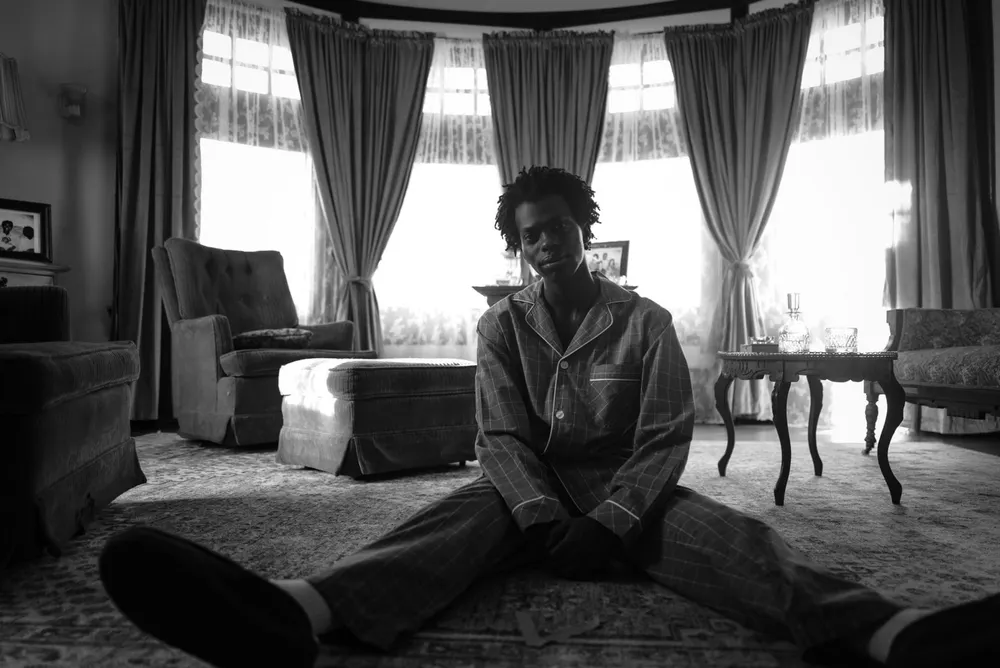
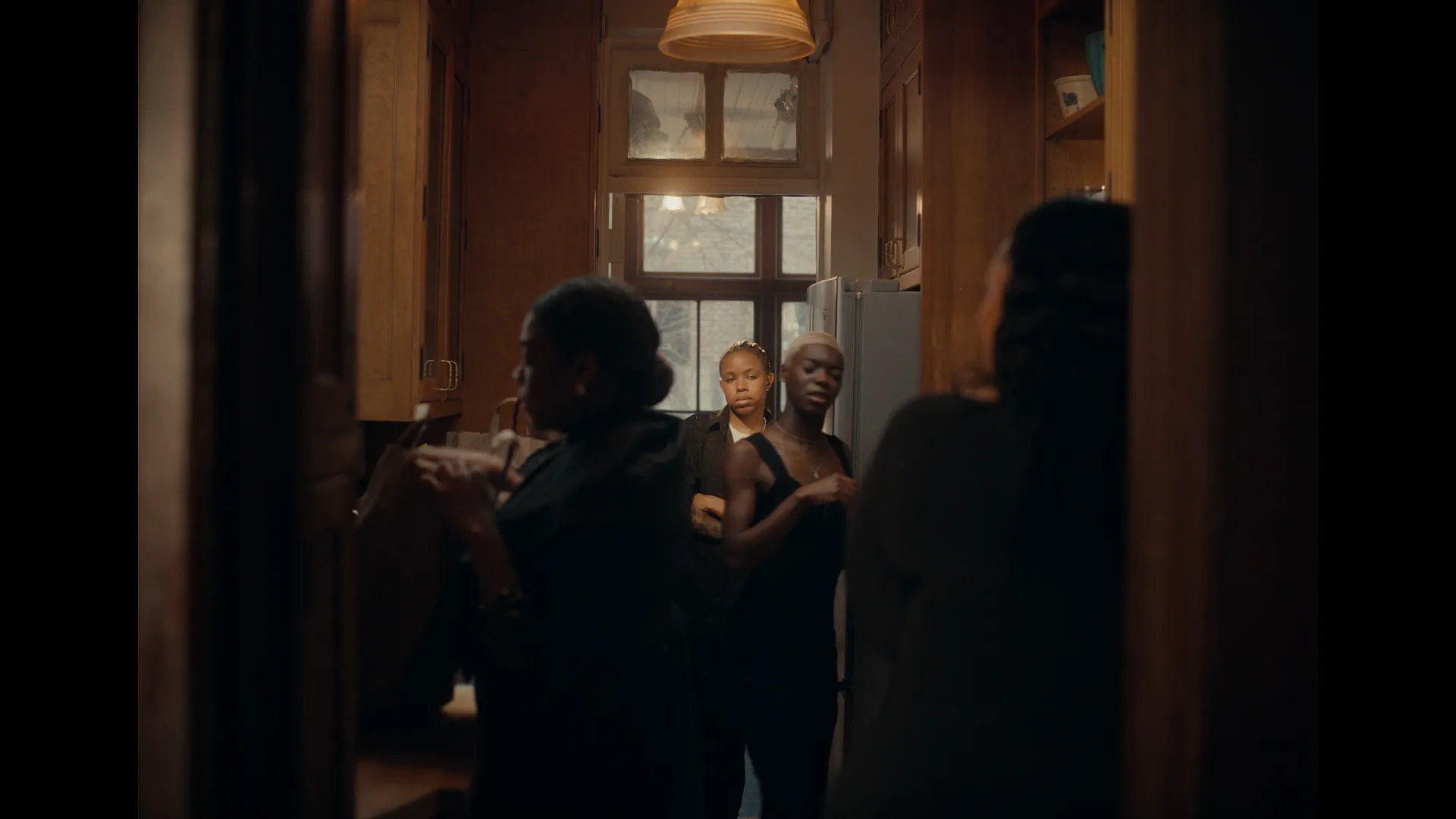
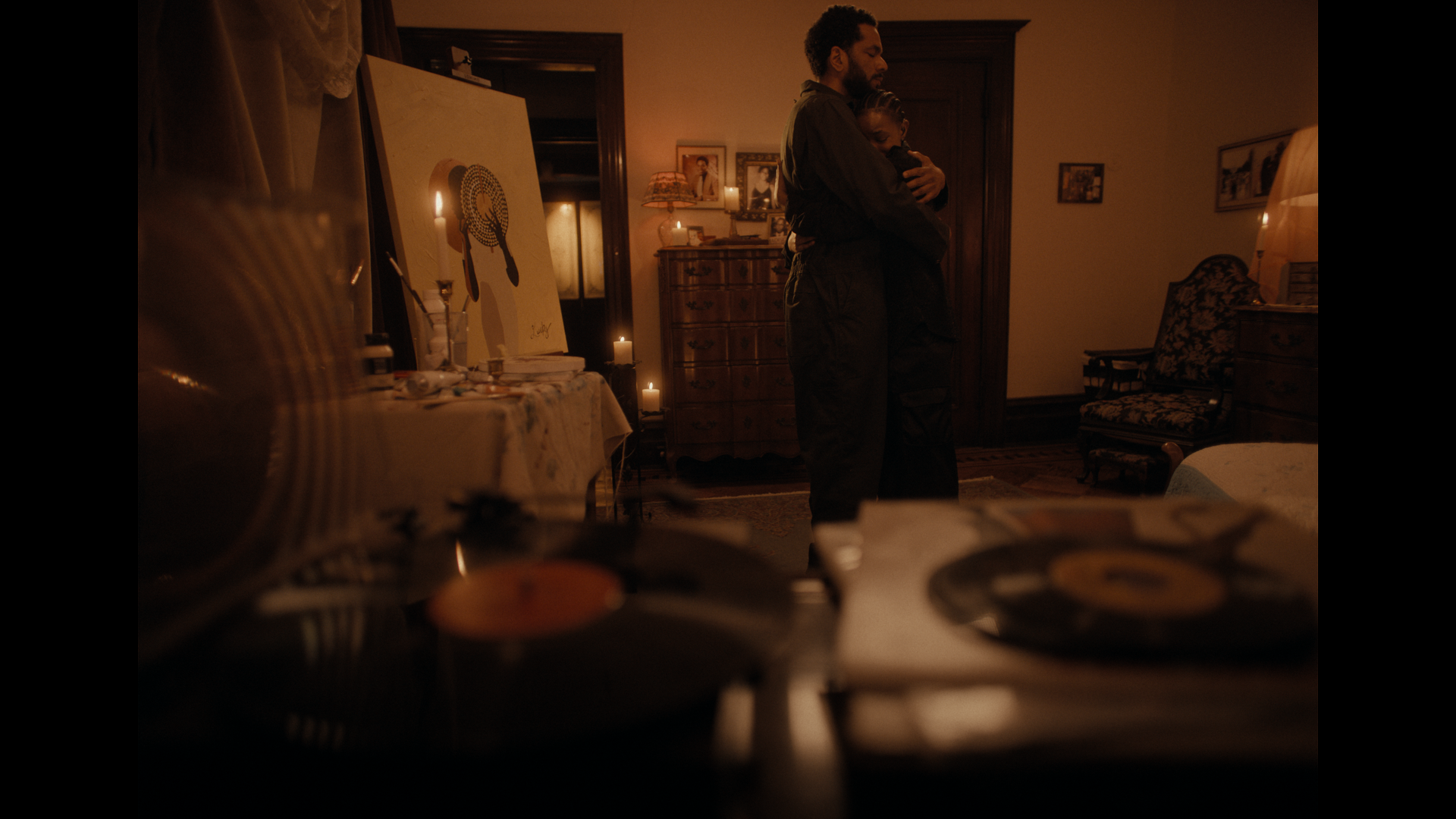
Them That's Not begins in grief and ends in something like grace. Andrea "Drea" Stoney, a down-on-her-luck poet who is introspective, Queer, artistic, and proudly Deaf, arrives at her grandmother's repass surrounded by a seditty, larger-than-life family that has never bothered to learn ASL. When her father Samuel — twenty years into a twenty-five-year sentence, furloughed for a single day to say goodbye to his mother — walks in, two strangers bound by blood are forced to reconcile before his return to prison.
Making his first film, Mekhai Lee draws directly from the isolation he felt at the passing of his own grandmother, using Billie Holiday's "God Bless the Child" as the emotional spine of the piece — and quietly subverting it. Where the song insists on self-reliance, Lee reaches for the opposite: the idea that "our own" can be found in the people around us, even the most unexpected sources of solace.
Key Takeaways
- Lee subverts "God Bless the Child," turning a song about hyper-individualism into a meditation on chosen community.
- Lead actress Angel Theory, who is Hard of Hearing, reshaped the protagonist from script to screen in service of an authentic Deaf experience.
- Them That's Not earned its Oscar Qualification at the Chicago International Film Festival and makes its LA premiere at HollyShorts.
Below, Lee talks about grief, listening, and the discipline of killing his darlings.
Interview
What drew you to make this film, and why this story, why now?
I set out to tell this story at the passing of my own grandmother, when faced with how isolating grief in a family setting could be, especially for those who are closer to the deceased. I found connective tissue in that isolation amongst communities — identifying as Queer in your heteronormative family, identifying as Hard of Hearing in your entirely Hearing family. Thus, Billie Holiday's song "God Bless the Child" became the quintessential tune to bring this film to life. "God Bless the Child" heralds that isolation, and I was keen on subverting the message of the song to be one that instead reminds its listener of trusted community. That "our own" can rest in those around us whom we love, even if they're the most unexpected source of solace.
What surprised you most about the filmmaking process, including any moment that changed how you saw the story?
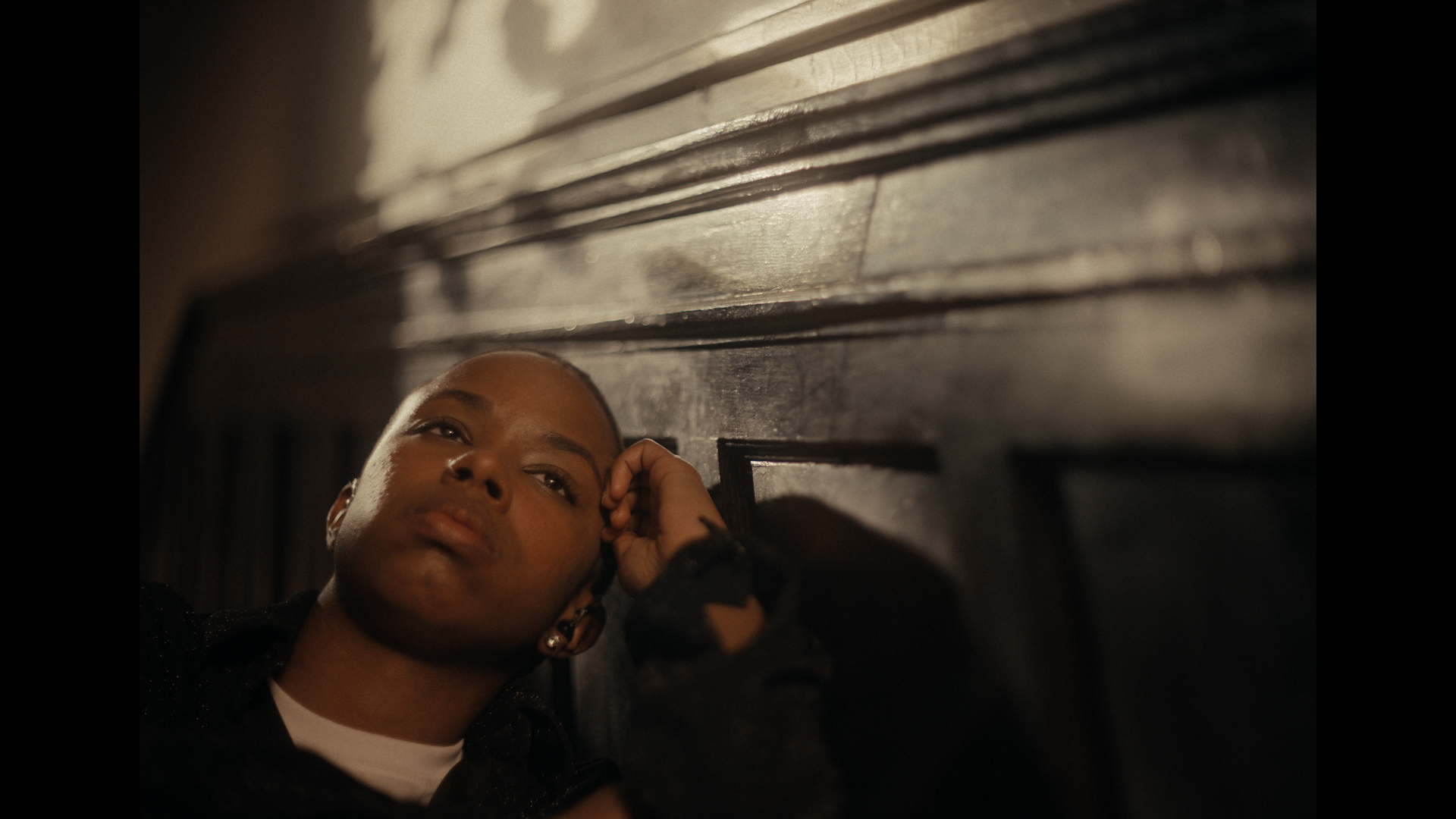
The presence of lead actress Angel Theory shaped the entire approach to the film, in addition to the protagonist, Drea. As a hearing person, my primary goal was authenticity in the representation of the Deaf experience on screen. Angel is Hard of Hearing, and in collaborating with her, learning her isms, Drea as a result had major shifts from script to screen. There are choices made by Angel that would not exist were it not her inhabiting this role, and for that I am forever grateful for her input.
What moment in the film feels most like you, or like something only you could have made?
The sound design and music selections, particularly the last cover of "God Bless the Child" that accompanies the final moments of the film. I wanted to make the experience of watching the film as immersive as possible; I wanted audiences to be unable to look away. The most sensible way to approach this in my mind was to remove sound from the picture, so that images would be the film's sole method of communication. For the final song, I was inspired by artists like Billie Holiday, as well as Gregory Porter and Broadway cast renditions of songs from the musical The Color Purple. My friend and artist Lo Steele and I collaborated on this original, a cappella rendition of the famous tune, and I truly feel the film's emotional weight lies in the music placed in that moment.
What was the hardest creative decision you made while making the film?
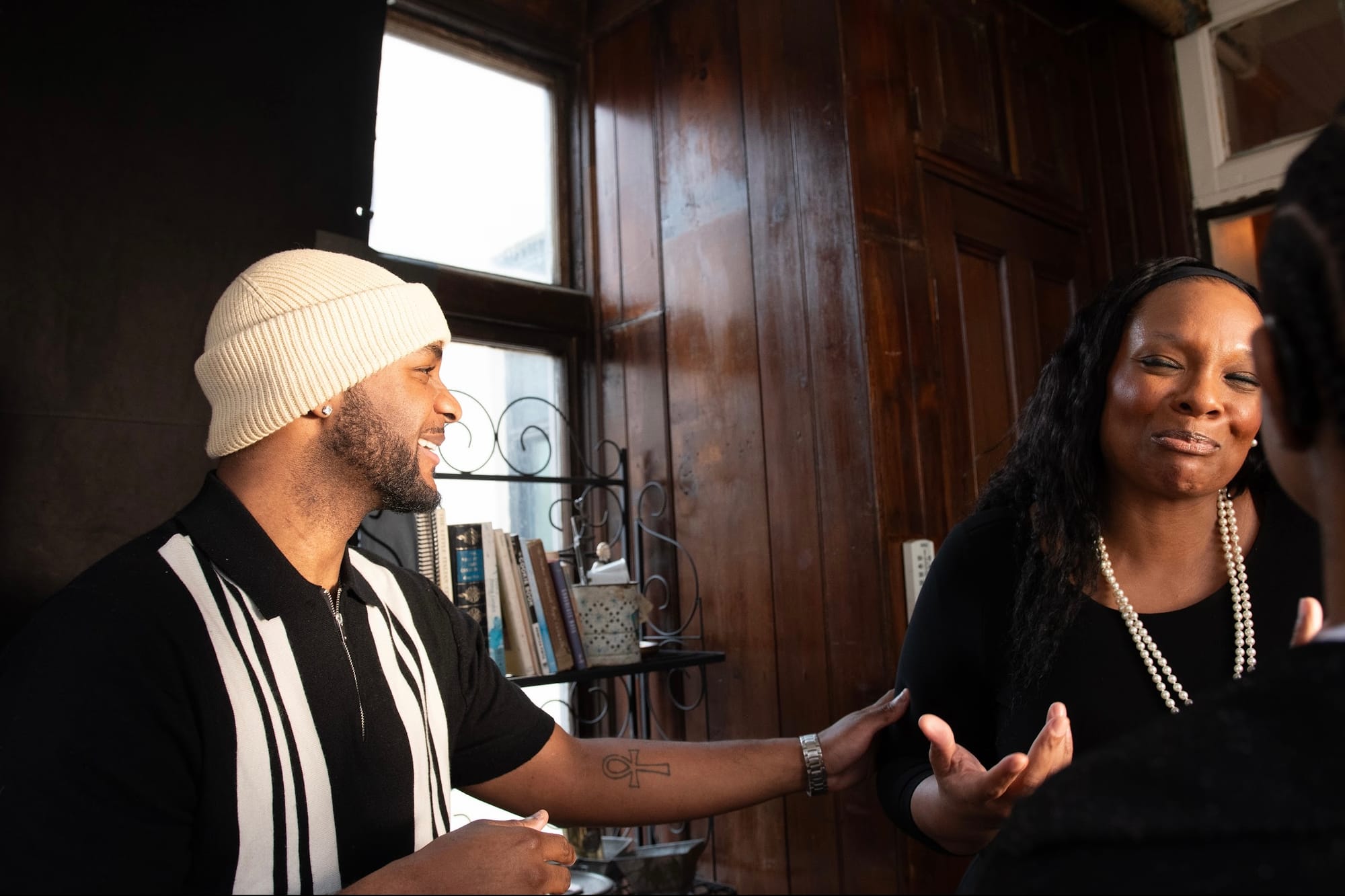
Killing my darlings. The script had a number of scenes that made the picture a fuller depiction of the Deaf experience. But for time on actual production days, as well as in the editing process — to make a more streamlined story that would not delay in succession — many moments I loved I had to cut. The end result I could not be prouder of, and while I truly believe those moments on the page that didn't make it into the final edit would have been worthwhile, I know now that the film that ended up featured in this fest is better for their absence.
What do you hope audiences take away from this film?
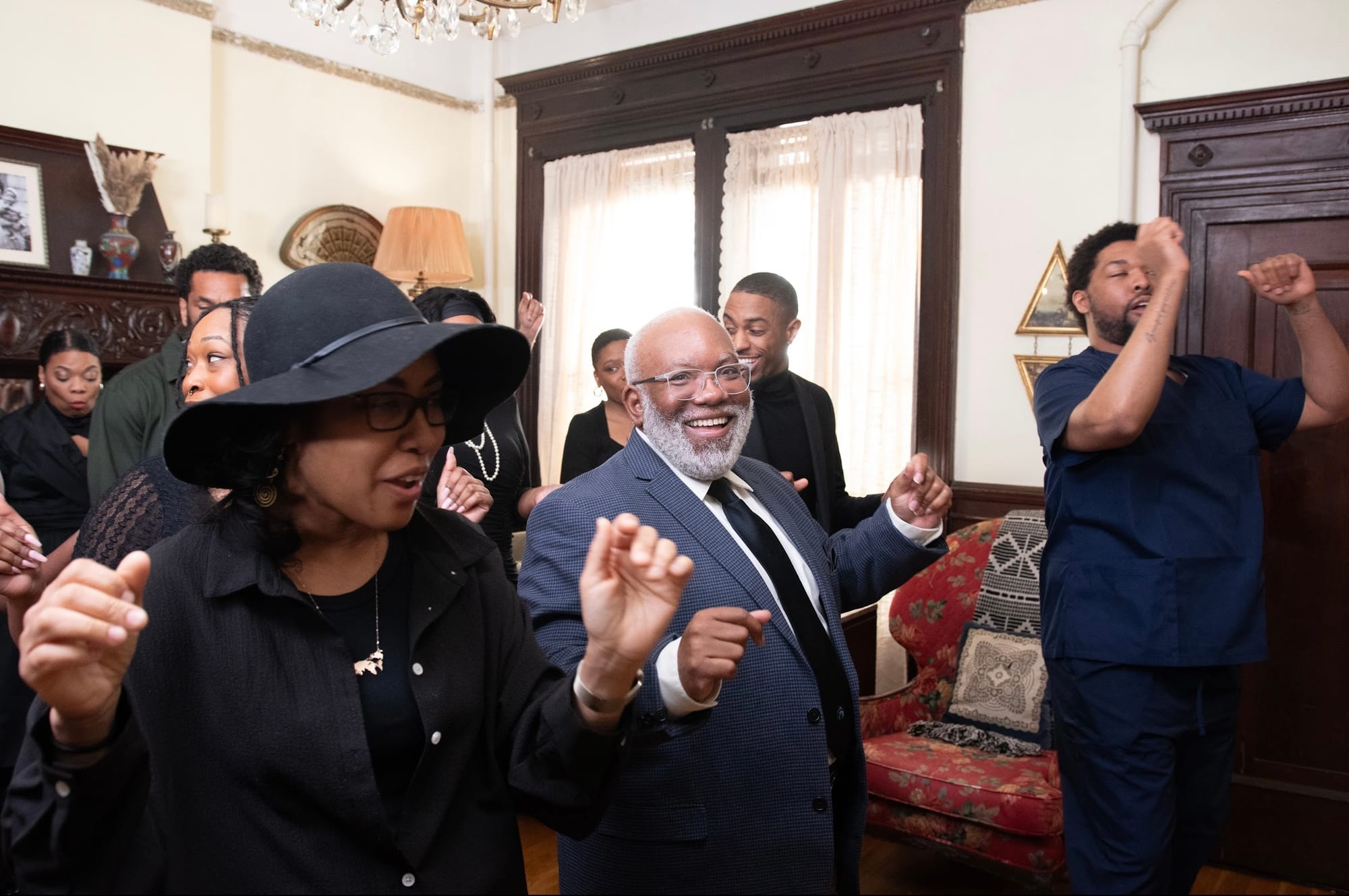
I hope that audiences are reminded of their community. The film is built around the themes of "God Bless the Child," which harken to hyper-individualism, a theme I find particularly resonant in our world of isolation and doom-scrolling. I wanted to subvert the song's message — that the mantra of "our own" repeated in the song can be those we call our community. Our own is those we choose to love on their terms, even if those members of our community are not the faces we initially expected.
What tool, technique, resource, or collaborator helped most during production?
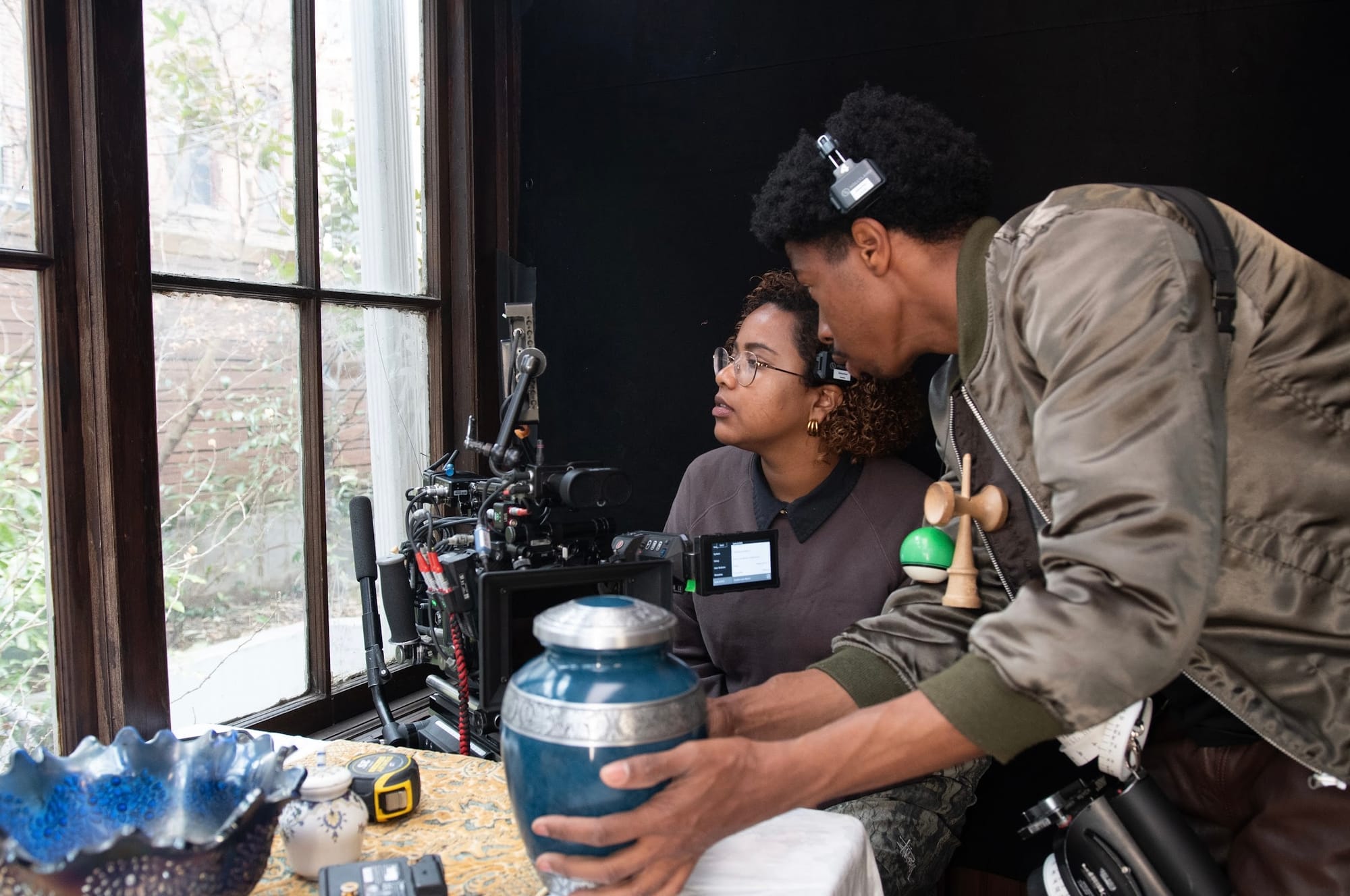
Sade Ndya. My background is based in theatre, so this being my first film, a lot of the technical aspects of the art form were foreign to me. Sade stepped in as my Director of Photography by not only providing the resources to bring my vision to life, but by participating as a creative sounding board in pre-production and production. There were many moments of insight she was able to provide when lapses in my own judgement left me questioning, and as all great collaborators do, she laid a framework for me to grow and learn from.
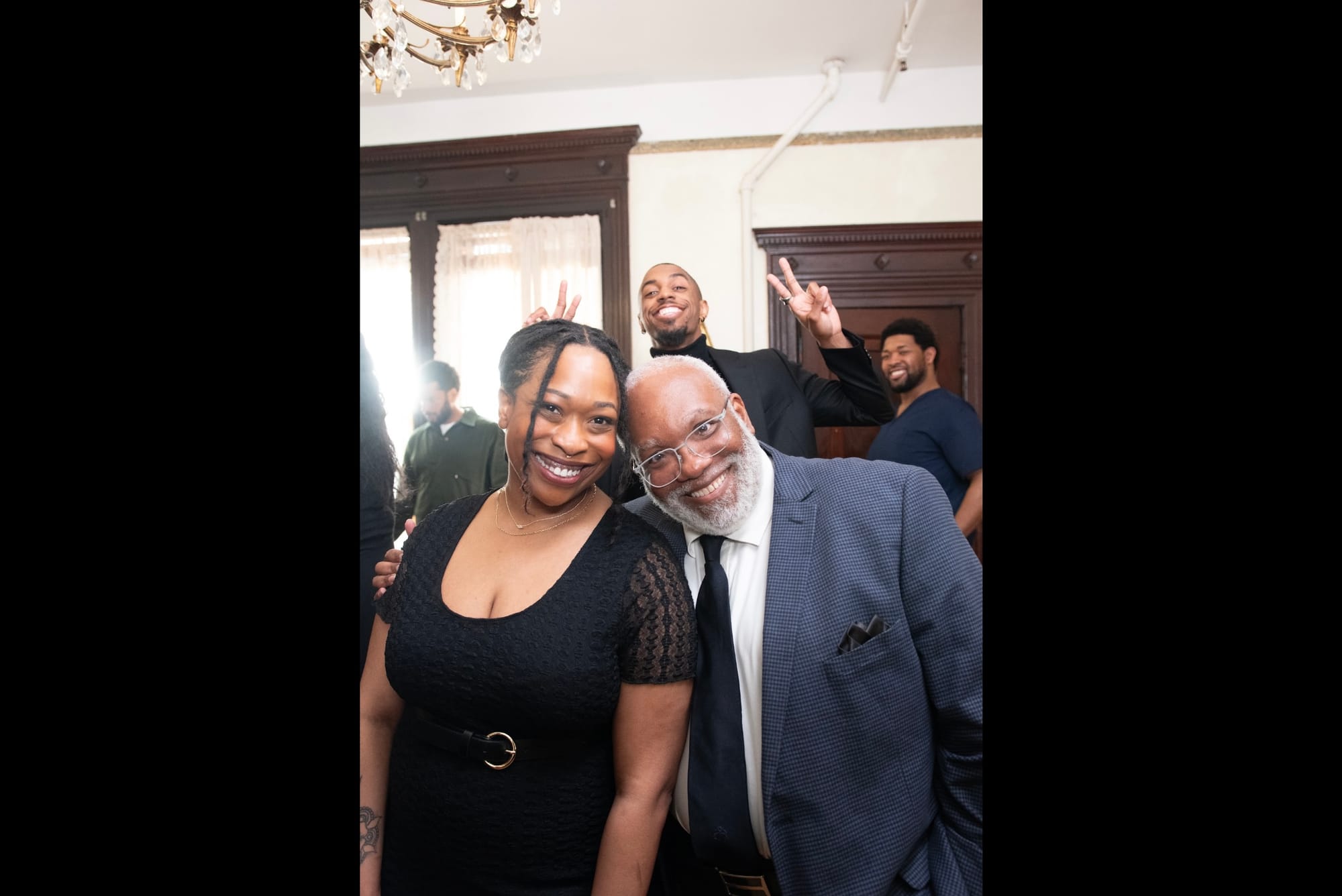
What does it mean to have your film selected for HollyShorts, and where do you see it going next?
I'm beyond honored. To have this fest serve as our LA premiere is an honor beyond belief at times, and I'm so excited to be included in such a reputable lineup. I'm most looking forward to sharing in that excitement with the other filmmakers and seeing their work screened. With a slew of fests slated for this fall, our next goal is the Academy shortlist and the 2027 Academy Awards. Them That's Not received its Oscar Qualification stamp at the Chicago International Film Festival, and our entire team looks forward to the possibility of Academy recognition. In this moment we are preparing for our Academy campaign, and we're so grateful that HollyShorts has become such a major part of our story.
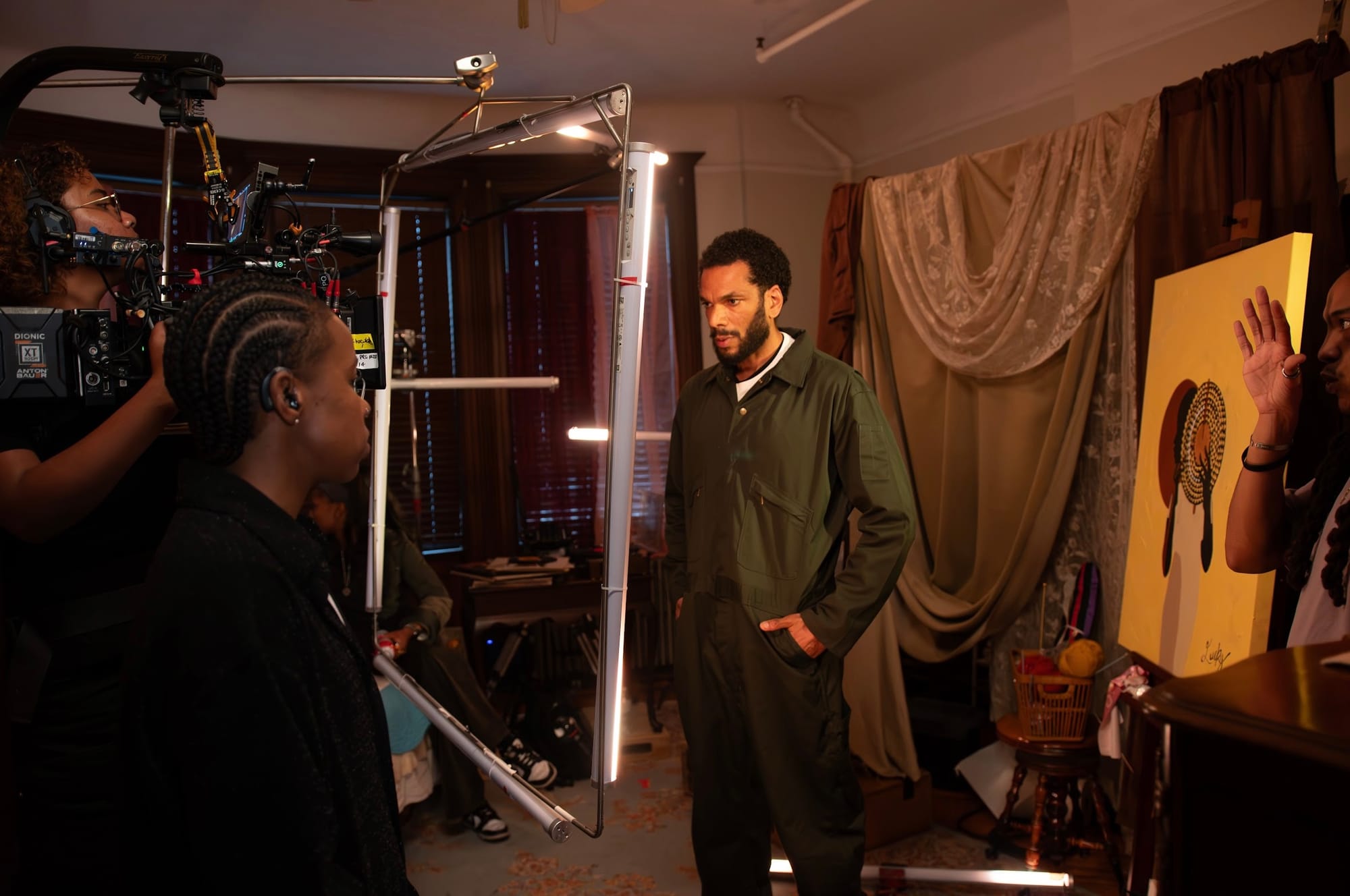
Main Cast & Crew
- Mekhai Lee — Director/Writer
- Sade Ndya — Director of Photography
- CJ Duncan — Editor
- Candace Mortier — Sound Design
- Angel Theory — Drea
- Biko Eisen-Martin — Samuel
- Carrie Compere — Aunt Carol
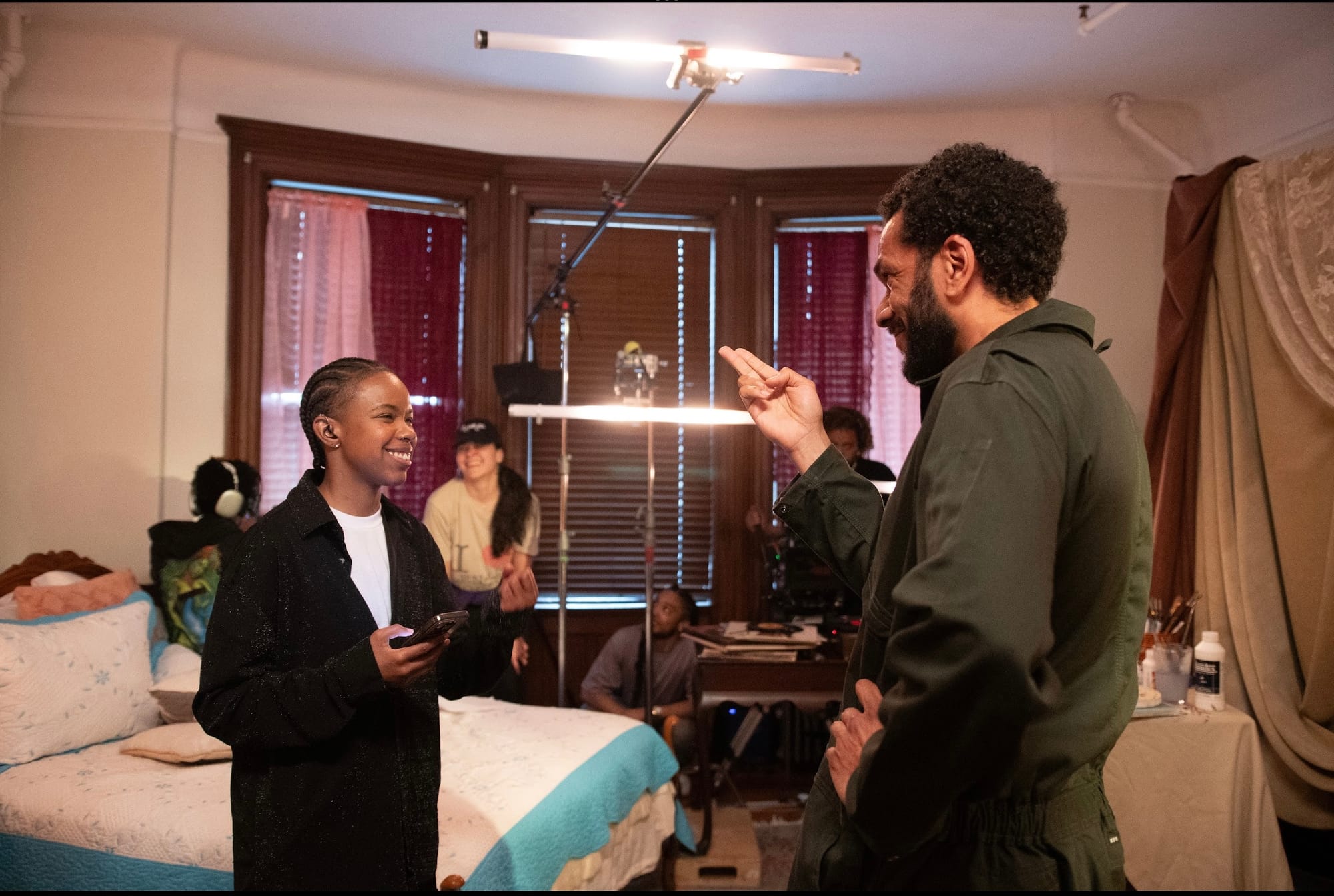
Filmmaker Opportunities
💛 Fund your next project with fiscal sponsorship
Have a project in the works? As a 501(c)(3) nonprofit, the Cinematography for Actors Institute can accept tax-deductible donations on your film's behalf — a door-opener for grants, foundations, and supporters who want to back your work. We've serviced over 100 projects to date and helped route over $800,000 in funding to filmmakers. Explore fiscal sponsorship →
📬 Grant deadlines and festival opportunities, straight to your inbox
The CFA newsletter rounds up grants, festival calls, and community news for independent filmmakers — the kind of opportunities that are easy to miss and painful to miss. Join the newsletter →
🎬 Focus on the creative — we'll help with the logistics
Production Management, CFA's newest member program, launches this November: production insurance and workers' comp, payroll, film permits, gear rental coordination, SAG-AFTRA compliance, contract drafting, production consulting, and crew recommendations — handled by a team of working filmmakers, à la carte or all in, in partnership with Creative Access Group. It's waitlist-only until launch. Join the waitlist →
League of Filmmakers is published by our parent organization, the Cinematography for Actors Institute — a 501(c)(3) dedicated to education, community, and capital for underrepresented filmmakers and actors. Learn more about CFA →