Table of Contents
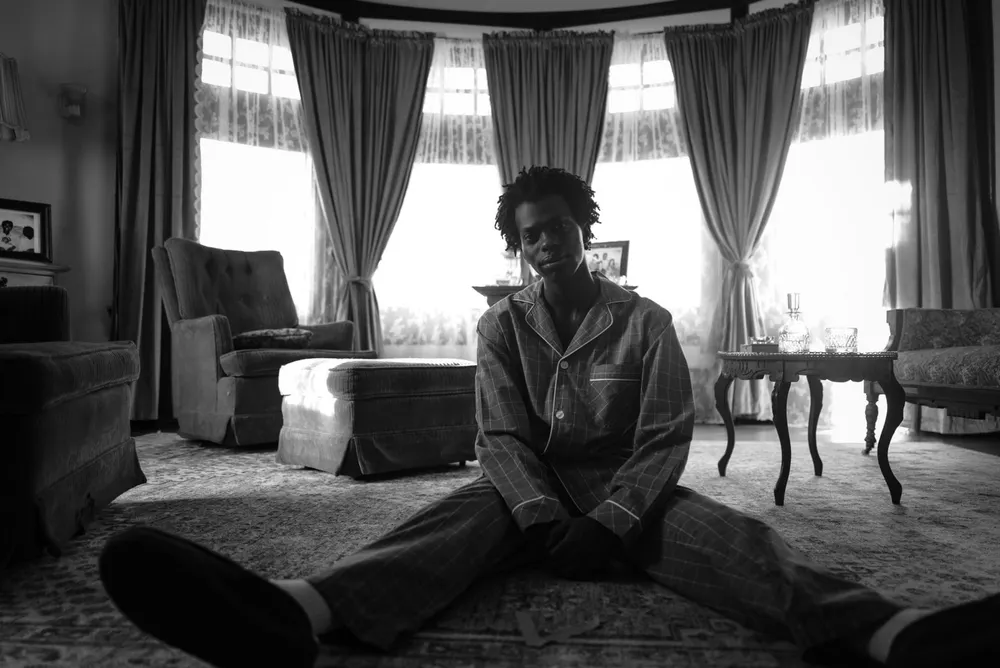
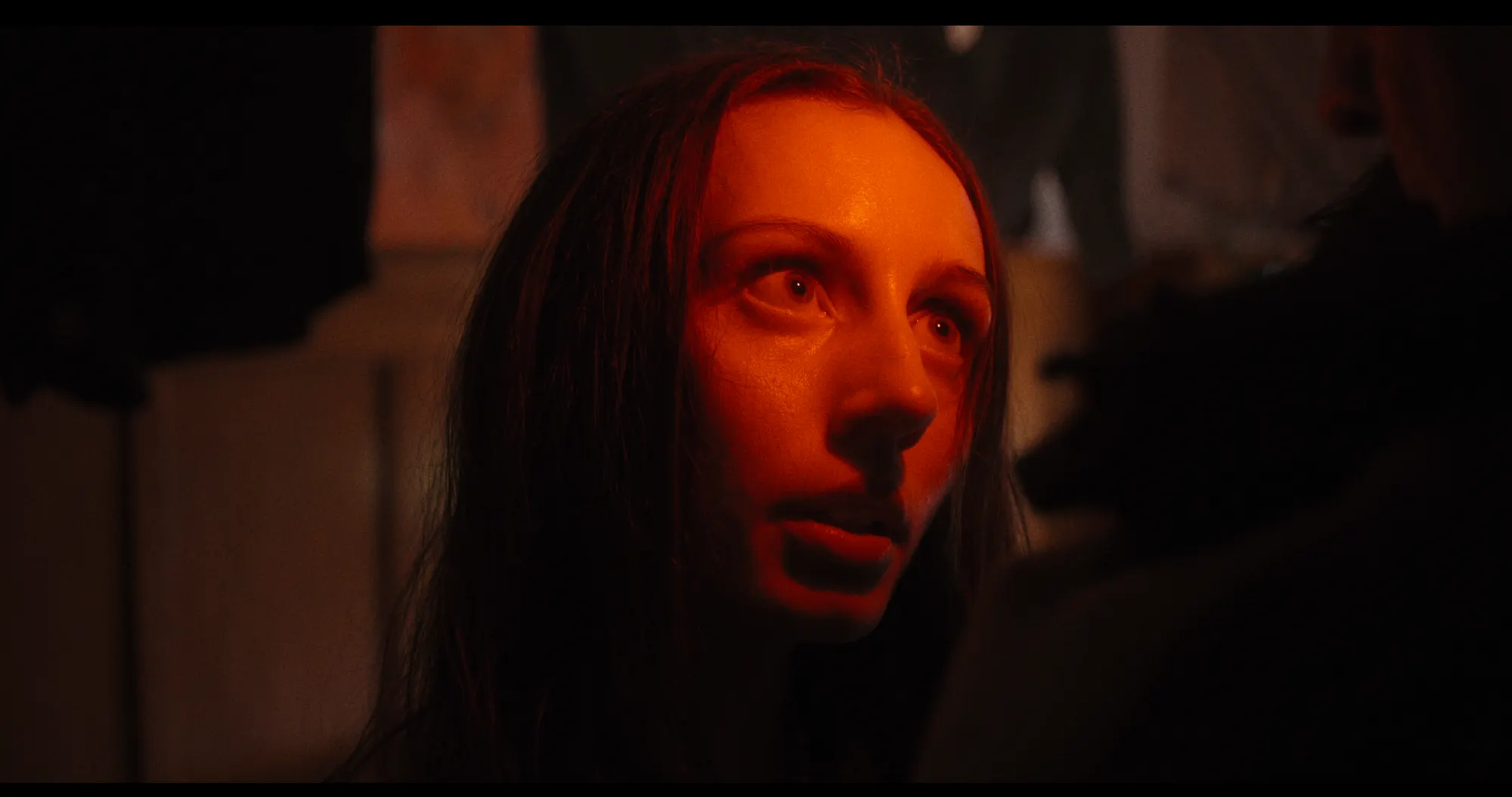
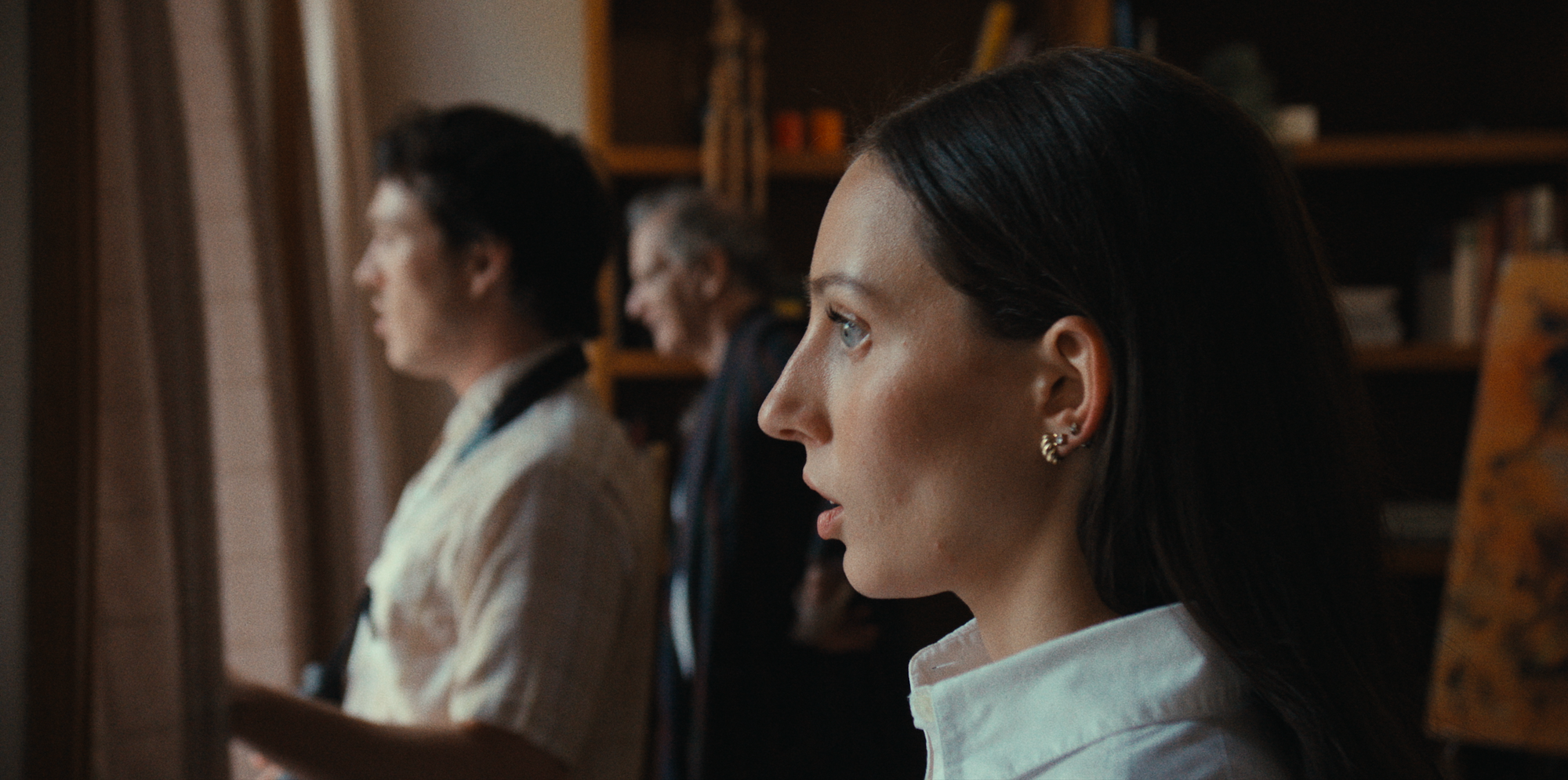
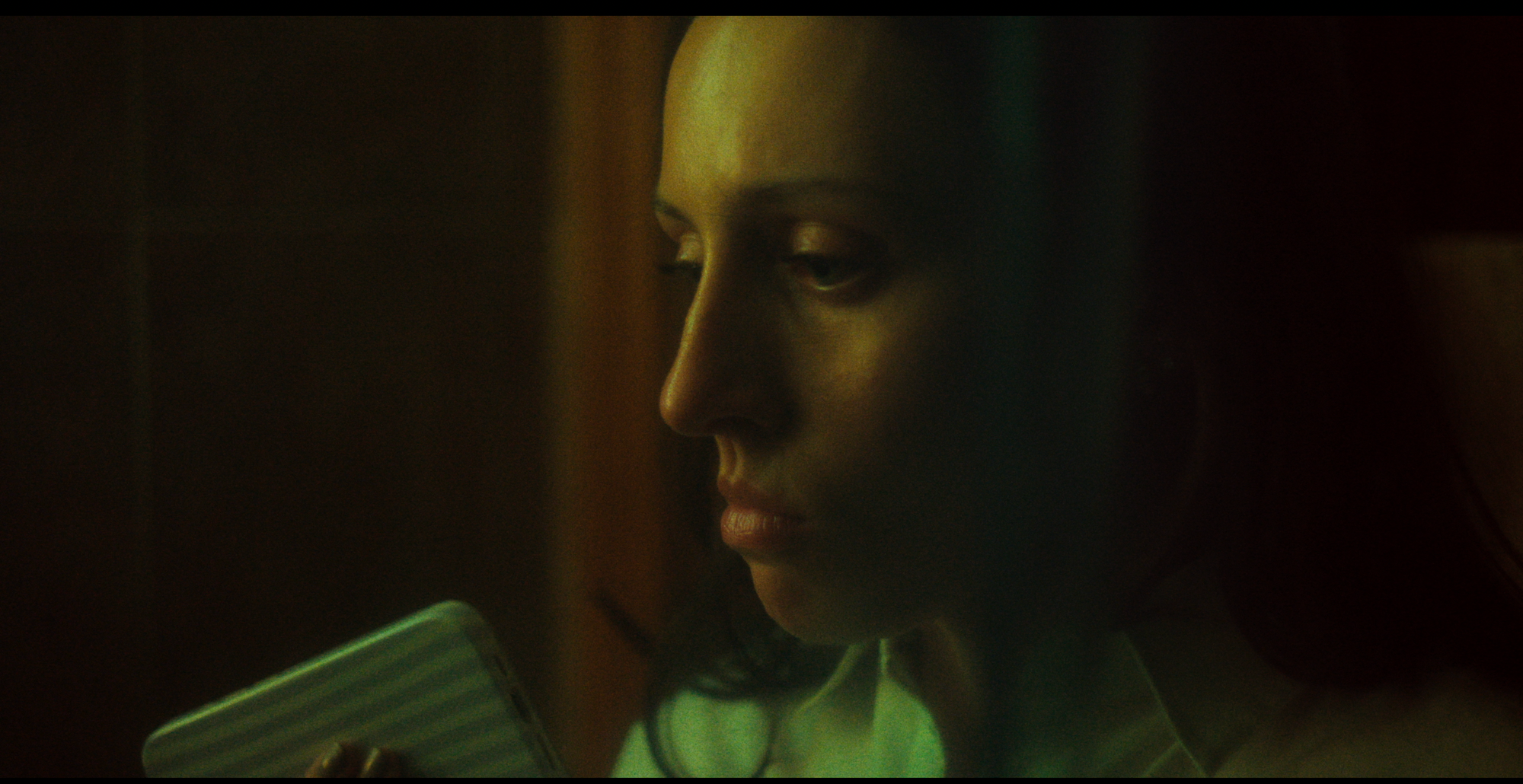
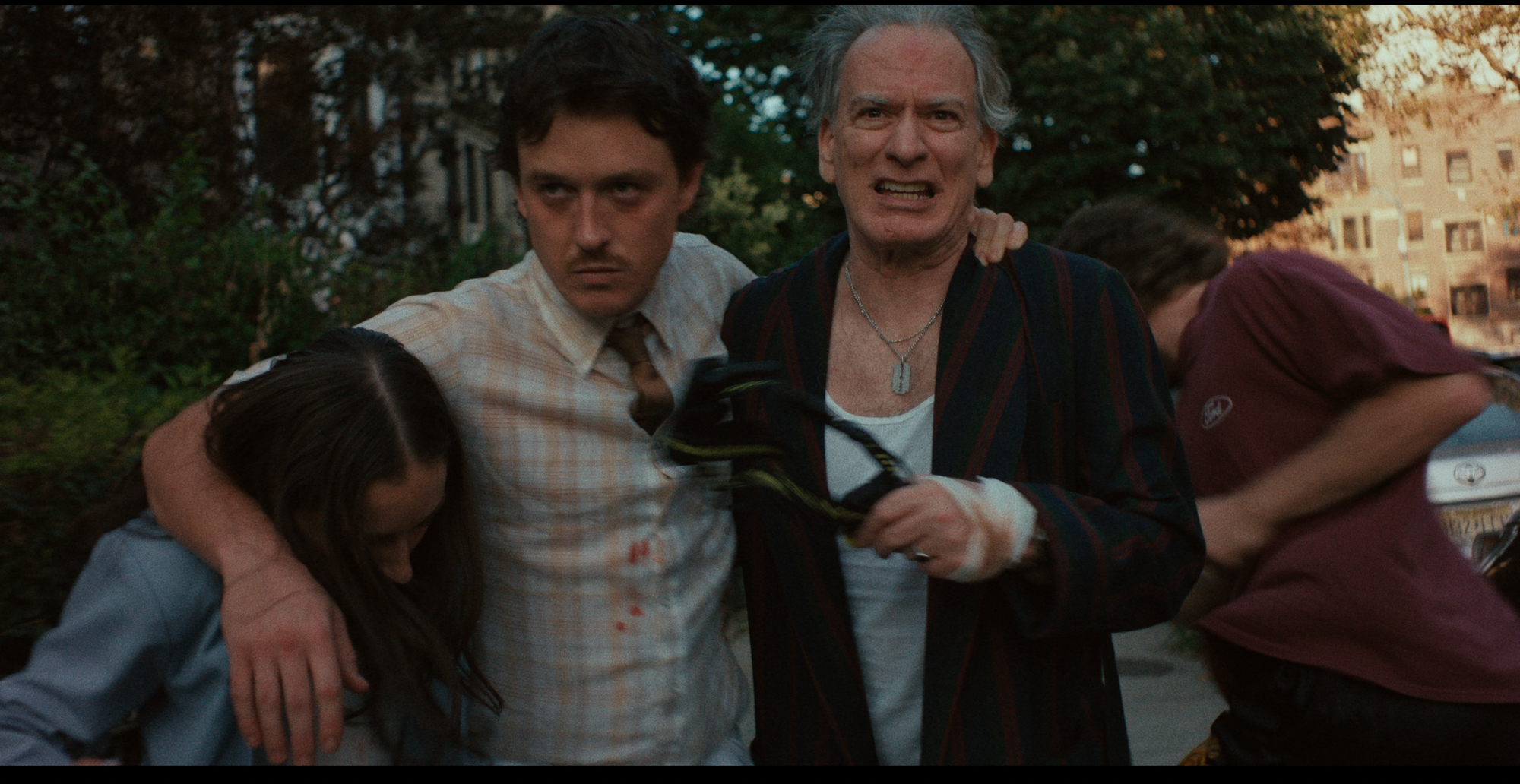
A family celebrates a birthday while the world ends. That's the whole promise of Toy Gun, and Keenan Gray keeps it: as planes fall and chaos spreads across New York, Ellie drops by her dad's apartment to mark her birthday, and what begins as an uneasy reunion spirals into a madcap family meltdown involving a novelty gun, a ruined cake, and the lingering wounds of divorce.
Gray, who directed, co-wrote, and edited the film, built it out of a very modern kind of dread — the feeling of scrolling through an endless feed of catastrophe and asking, quietly, what in the world is going on. His answer was to make a movie about that feeling, and to make it funny, because he insists it is: absurd, terrifying, and deeply ironic all at once.
Key Takeaways
- Toy Gun is a thriller-comedy set at a Brooklyn birthday party as the apocalypse unfolds outside the window.
- A last-day-of-shooting safety call forced Gray to rewrite the ending in thirty minutes — a decision he now credits with getting the film to HollyShorts at all.
- Gray's ambition is scale on a small budget, achieved through sound design, lighting, and practical effects.
Below, Gray talks about the anxiety that started it all, the chaos he loves orchestrating, and what industry recognition means to the kid who once stole his dad's camcorder.
Interview
What drew you to make this film, and why this story, why now?
I was sitting on the toilet, scrolling through reels, when I realized how anxious I felt. A plane crash, a cat, an entire neighborhood engulfed in flames, New York buried under wildfire smog, another cat, insatiable billionaires threatening democracy for fun. Clearly, the world must be ending, right? Or maybe it already has. Or maybe it's been ending for years. Only now we have phones to feed us a never-ending IV drip of vertical bad news. Whatever it is, it ain't all sunshine and fruit loops.
As I spoke with friends and family I quickly realized my unrest was not unique. That quiet question, What in the fck is going on?*, simmers just below the surface for a lot of us. So I thought: I'll make a movie about this feeling. And I'll make it funny. Because it is funny. Absurd, terrifying, and deeply ironic. At the end of life, only irony will remain.
Laughter and tears are basically the same thing. The end and the beginning live smooshed together in the same box. I love movies that explore extreme situations through the lens of awkward and regular people. That's Toy Gun. An exploration of the end, set during a birthday party in Brooklyn.
What surprised you most about the filmmaking process?
What surprised me most was seeing how people resonated with a story about the end of the world. Playing with the idea of keeping your cool under pressure seemed to hit a nerve.
What was the hardest creative decision you made while making the film?
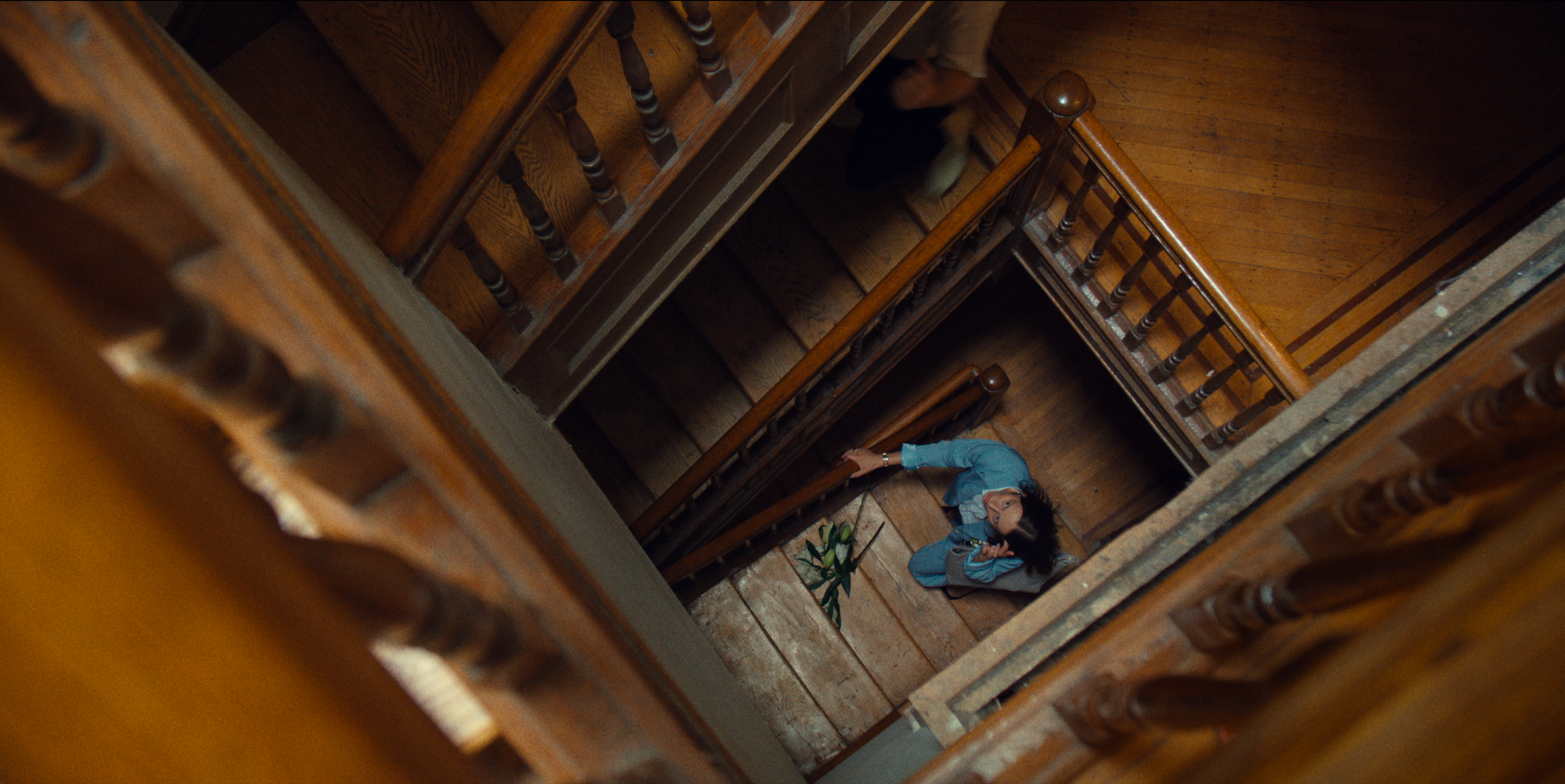
Changing the end of the film. On our last day of shooting, our final scene involved a fake gun being wielded by one of the leads outside on the street. My producer and AD came up to me and said, "we cannot have a gun outside." They were more than right. But that meant we had to rewrite the ending. Doing that within 30 minutes was a hell of a ride. I'm glad we didn't use the gun outside. I don't know if we would be here talking if we did.
What moment in the film feels most like you, or like something only you could have made?
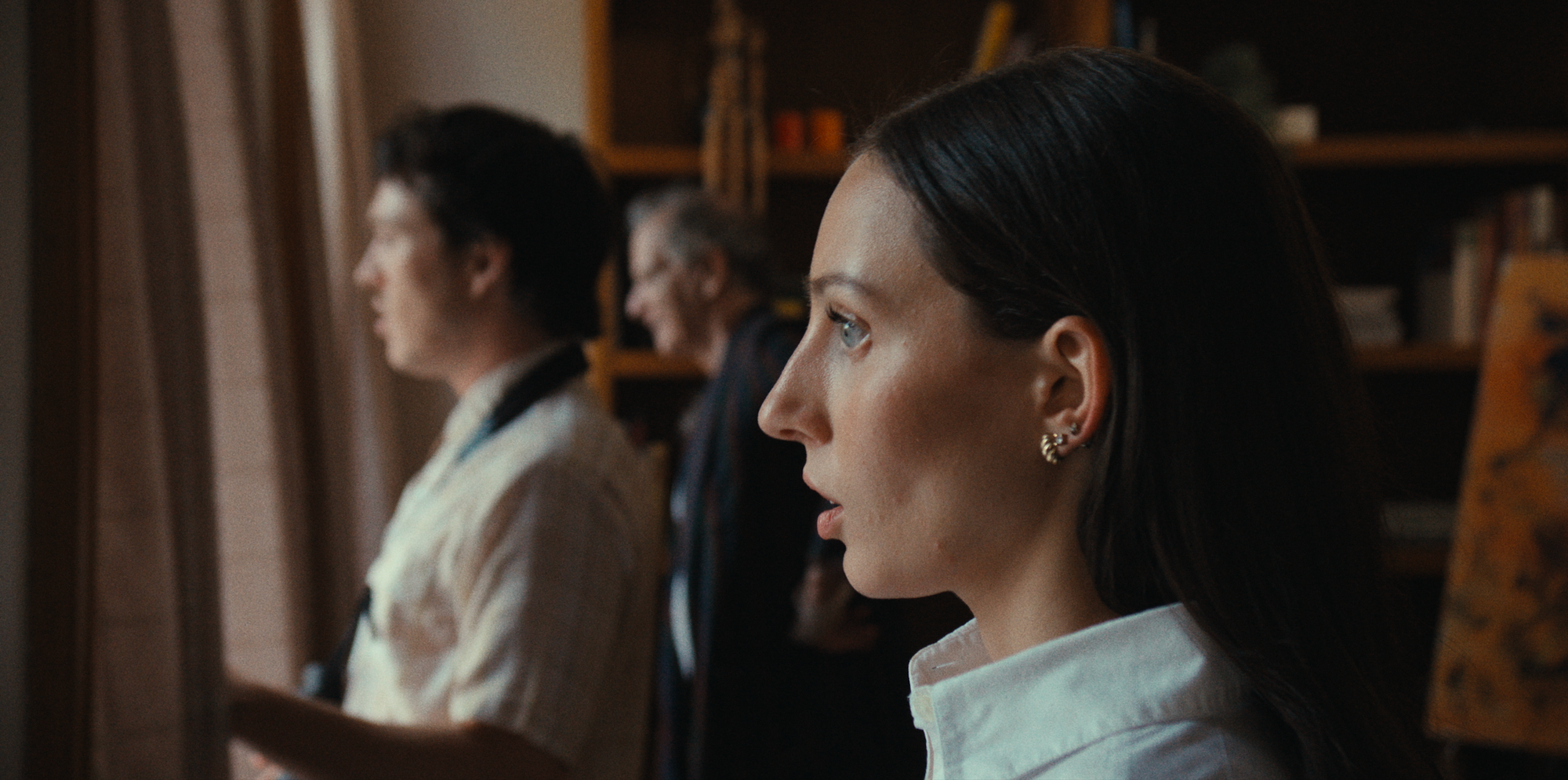
The end. I love the end. I love the chaos. There is blood, throw up, tears, and sirens. Something about orchestrating chaos like that into something that makes sense is deeply gratifying.
What tool, technique, resource, collaborator, or mindset shift helped most during production?
Leaning on actors and respecting other people's opinions proved immensely helpful. People are smart. Those involved in your story have different opinions and thoughts that you may have overlooked. I'm learning to lean on collaborators more.
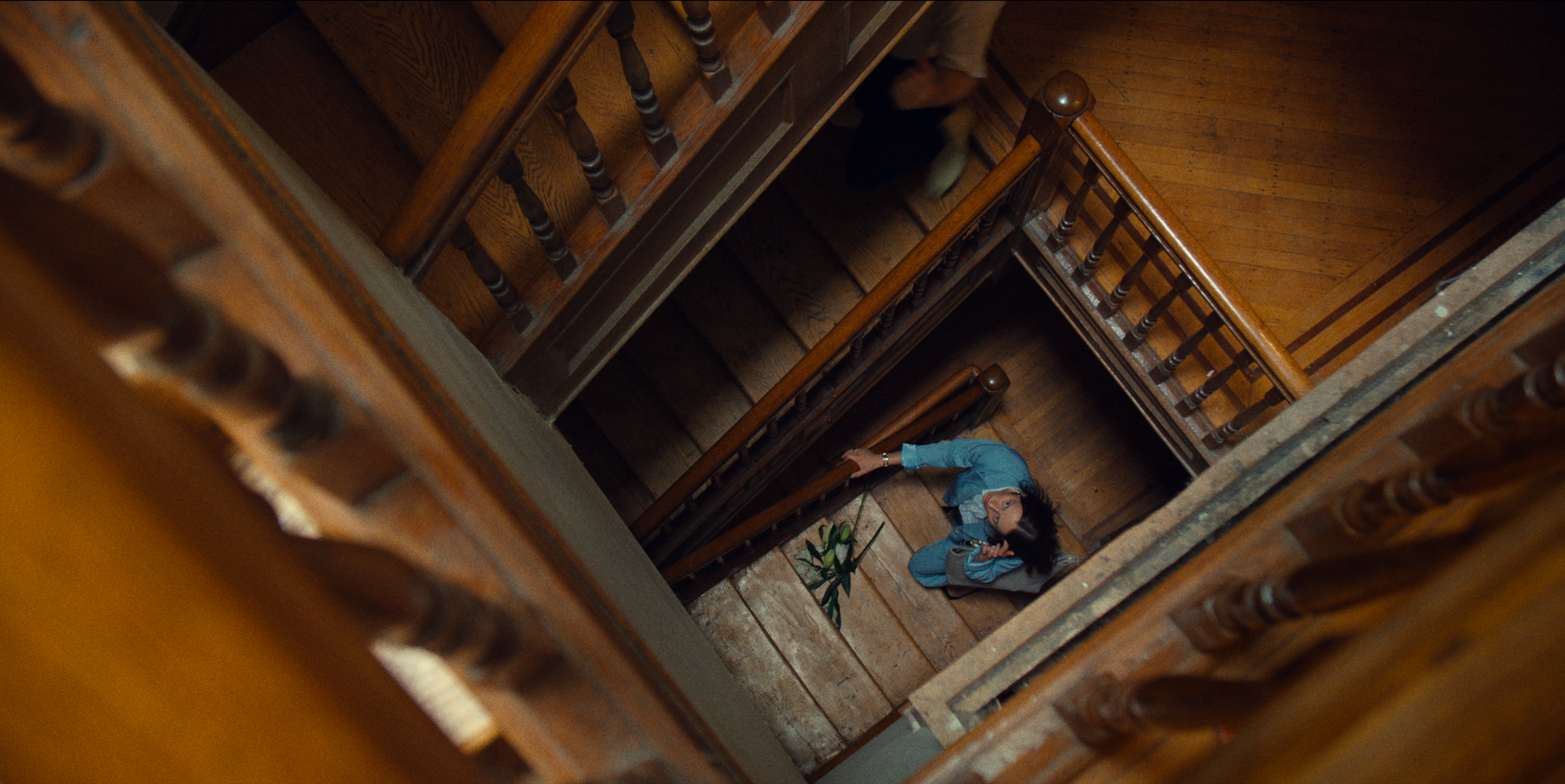
I also learned that we can make something for a relatively low budget that feels large scale, and I believe we accomplished that. My hope is to explore that further in future work, through sound design, lighting, and practical effects.
How does your film fit within, or push the boundaries of, its genre?
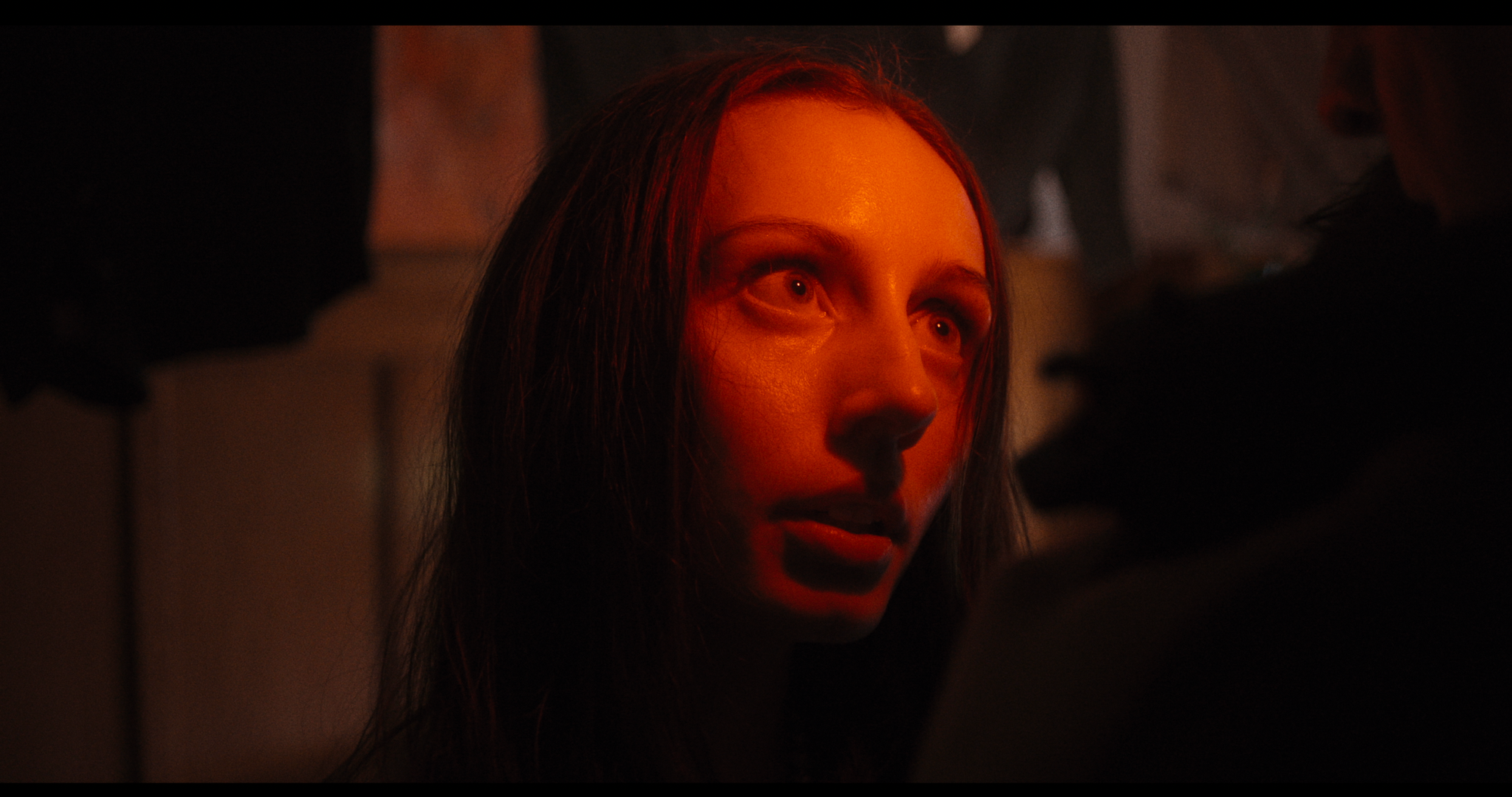
I think Toy Gun and most of my work is trying to find its own genre. Thriller/Comedy. How can we make something that is deeply unsettling and anxiety inducing while simultaneously hilarious? I believe there are moments in the film where we nail this, but I also believe that will be my life's work. Find the line between absurdity and authenticity and ride it like you stole it.
The greatest strength of independent filmmaking is that there are no rules. As long as you are safe and do not harm anyone, you can literally do anything. That is the magic of moviemaking. Anything goes. Understanding that you can think of something in your sleep and then make it happen in reality is freeing. Yes, it's hard, and yes there are problems, but problems can be solved and people do hard things every day.
What does it mean to have your film selected for HollyShorts?
Being a part of HollyShorts is a form of validation that, as an artist, I have not reached until this point. As a career filmmaker, a lot of my work has been me telling people the value of my work. Now with HollyShorts there is an industry-recognized signal telling me that my work is at least good enough to be in the room. For the 12-year-old boy who stole his dad's camcorder to film his friends, this means the world. Dad's proud too.
My hope is that this film finds a place with the people who actually care about it, and that maybe enough interest grows to make a feature-length film based on the premise. At the core of all my work is a desire to make something beautiful. My dream has always been, and will continue to be, to make the world around me a little more beautiful — whether that's my films, my design, or my relationships.
Main Cast & Crew
- Keenan Gray — Director, Co-Writer, Editor
- Davis Brown — Co-Writer
- Rebecca Dearden — Producer
- Andy Kugler — Cinematographer
- Cast: Scarlett Sperduto, Joey Leberer, Robert McCaskill
Filmmaker Opportunities
💛 Fund your next project with fiscal sponsorship
Have a project in the works? As a 501(c)(3) nonprofit, the Cinematography for Actors Institute can accept tax-deductible donations on your film's behalf — a door-opener for grants, foundations, and supporters who want to back your work. We've serviced over 100 projects to date and helped route over $800,000 in funding to filmmakers. Explore fiscal sponsorship →
📬 Grant deadlines and festival opportunities, straight to your inbox
The CFA newsletter rounds up grants, festival calls, and community news for independent filmmakers — the kind of opportunities that are easy to miss and painful to miss. Join the newsletter →
🎬 Focus on the creative — we'll help with the logistics
Production Management, CFA's newest member program, launches this November: production insurance and workers' comp, payroll, film permits, gear rental coordination, SAG-AFTRA compliance, contract drafting, production consulting, and crew recommendations — handled by a team of working filmmakers, à la carte or all in, in partnership with Creative Access Group. It's waitlist-only until launch. Join the waitlist →
League of Filmmakers is published by our parent organization, the Cinematography for Actors Institute — a 501(c)(3) dedicated to education, community, and capital for underrepresented filmmakers and actors. Learn more about CFA →