

Table of Contents
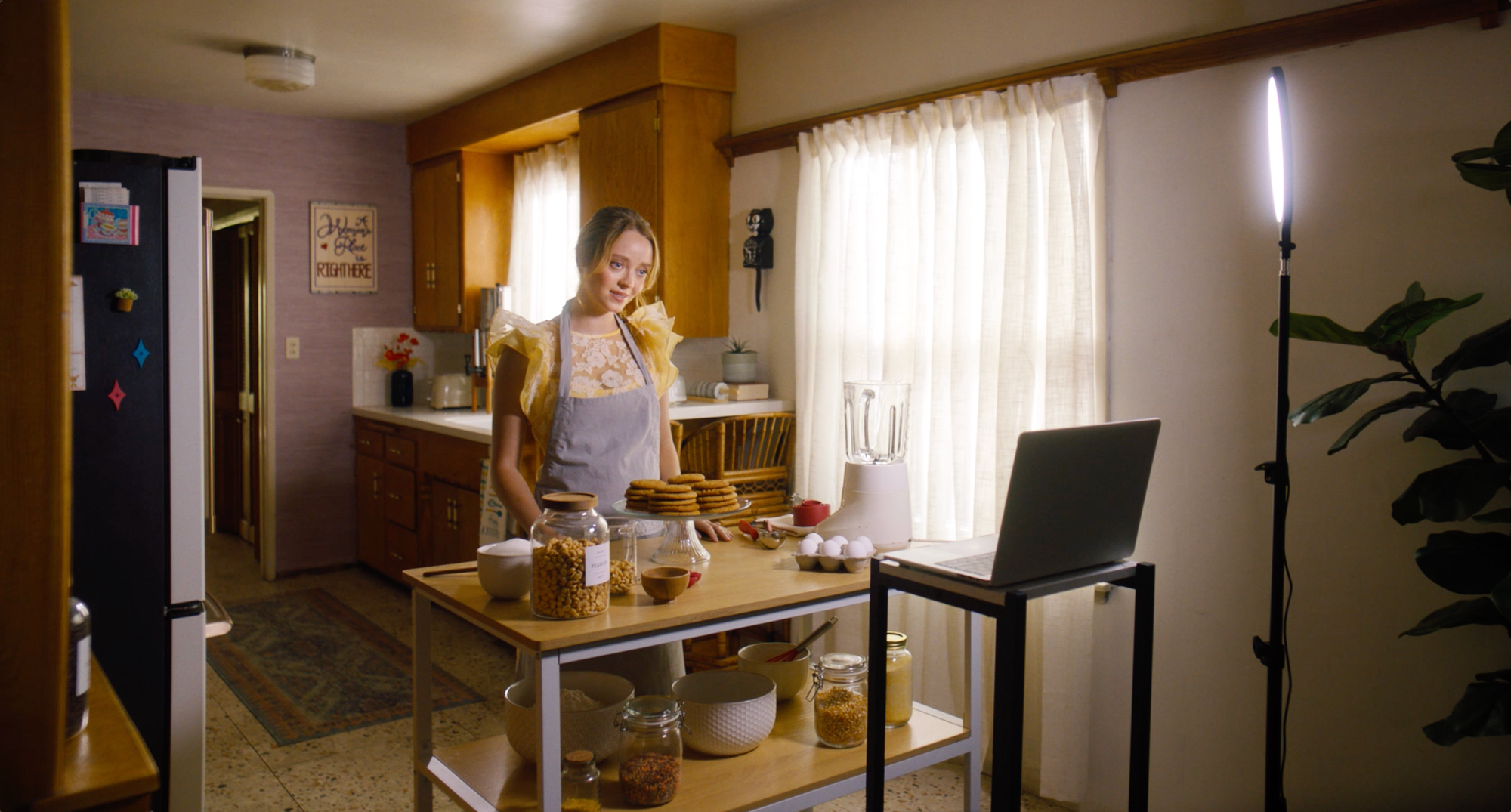
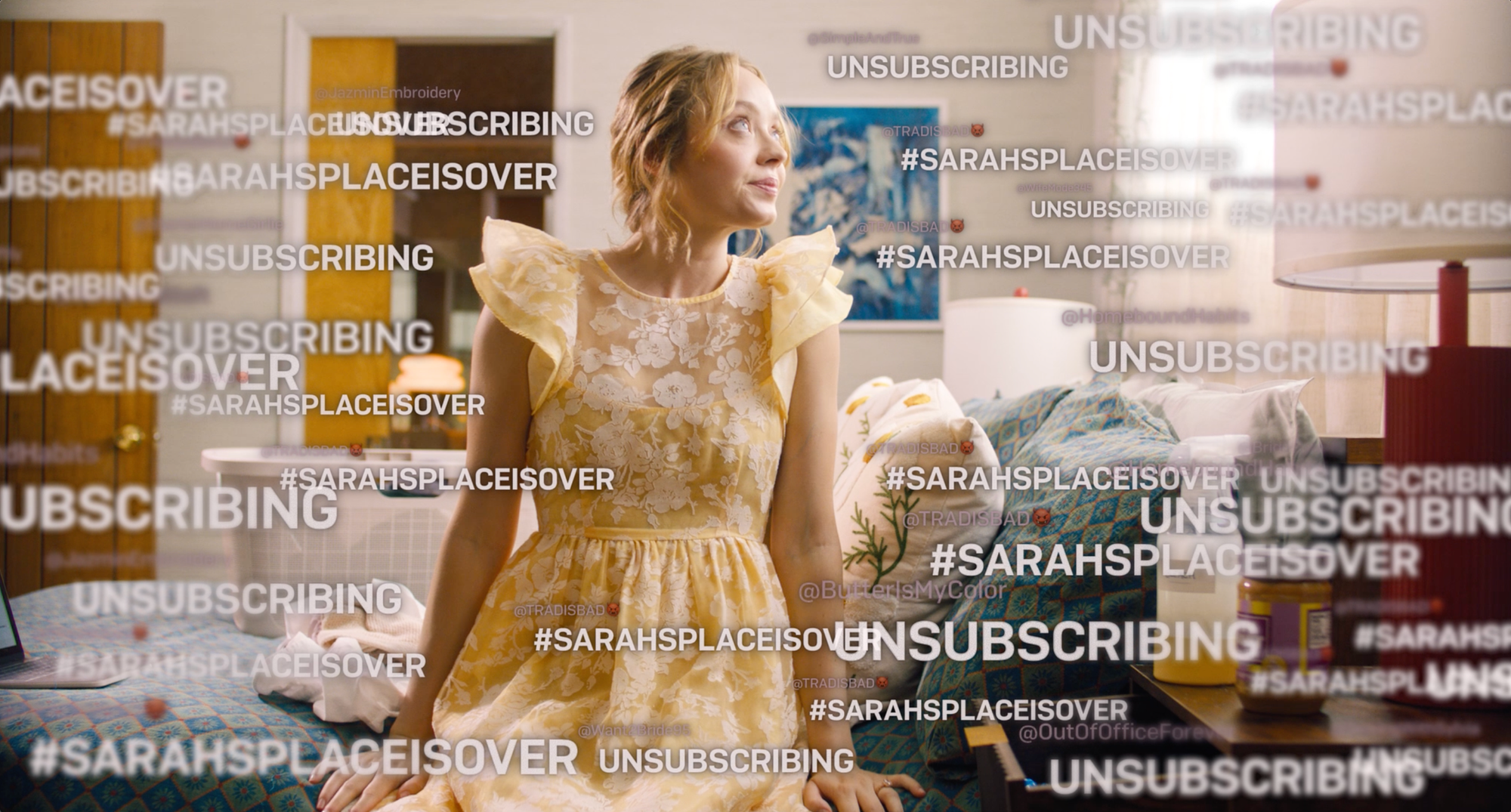
Jacob Combs's Tradwife follows Sarah Beth-Ann, an actress turned online homemaking influencer who is on the brink of an audience milestone when a troll exposes the cracks in her marriage to Jed during a livestream. What begins as glossy social satire tightens, scene by scene, into a sensual interpersonal thriller, as Sarah Beth-Ann stages a high-stakes dinner that might save her show or end the act for good.
For Combs, a Los Angeles-based director, writer, and producer whose work bridges conflicting worlds, the material is anything but speculative. The tradwife influencer, he argues, is only the newest face of a very old political project, and threading Sarah Beth-Ann's journey through Henrik Ibsen's A Doll's House lets Tradwife speak to a struggle for self-determination that is nearly 150 years old and painfully current.
Key Takeaways
- A dark comedy that shifts, by design, from social satire into thriller — one short holding more than one tone on purpose.
- Ibsen's A Doll's House runs beneath the film, framing the tradwife phenomenon as the latest chapter in a long fight over women's self-determination.
- Built through Film Independent's Project Involve by a core creative team of women and queer artists invested from the film's inception.
Below, Combs talks about the personal roots of the film, a vacuum cleaner rigged to a dolly, and why belonging to yourself is the only audience that matters.
Interview
What drew you to make this film, and why this story, why now?
Today's tradwife influencer phenomenon is really the most recent manifestation of a much older political project. Over and over, from the 1950s to the 80s to the early 2000s, women have been told they'll be happier if they just stay at home and make their husband and family their primary focus. Now they're being sold that idea again.
When I first read the script of Tradwife, it jumped out to me because I once fell into a pseudo-tradwife dynamic myself. During Covid, when my husband was in medical residency, I became a househusband, doing almost all the domestic labor. To my surprise, I actually found it really satisfying. The experience led me to an unsettling realization: it's so tempting to get lost in thinking about someone else's happiness and catering to their every need, rather than figuring out what you need. So making a film about a tradwife isn't speculative for me. It's deeply personal.
Right now, questioning traditional gender roles feels more controversial and dangerous than it has at any point in my lifetime. But as a queer man, my entire existence is a rejection of traditional gender roles. My personal journey has been one of asking myself again and again, "how can I belong to me and not to the expectations I think others have of who I'm meant to be?"
What moment in the film feels most like you, or like something only you could have made?
The theater elements of Tradwife are incredibly close to my heart. As a theater kid to my core, I connected very early on to our writer Laura's decision to make the film's protagonist a former theater actor. I can still remember the day during script development that Laura changed the play Sarah Beth-Ann is obsessed with to Henrik Ibsen's A Doll's House. It was such an amazing metaphor for the timelessness of the story we were trying to tell — even though the play is almost 150 years old, its story about a woman making the radical choice to prioritize herself over her husband and children feels so timely, and in direct conversation with our current moment. I think any theater lover will get a kick out of watching this film.
What surprised you most about the filmmaking process, including a moment on set that changed how you saw the story?
One of the most exciting elements of the Tradwife script was also one of the most intimidating to me as a director — the climactic moment when Sarah Beth-Ann ties her cheating husband Jed to a vacuum cleaner and stuffs him away in a closet. The visual metaphor was so delicious, but it raised serious production questions for our small and scrappy team: how would we do this not just in a way that was visually convincing, but also safe for our actors and the rest of the crew.
We did a ton of tests in pre-production, but on the shoot day our DP and his grip team came up with an amazing solution to rig the actors, vacuum and camera on a moveable dolly. The resulting shot is one of my favorites in the film, and one that ended up being incredibly streamlined to shoot.

What was the hardest creative decision you made while making the film?
One of the elements I found challenging was calibrating the blend of tones I wanted the viewer to feel over the course of the film. I envisioned a piece that starts as a funnier social satire and then shifts almost unexpectedly into a sensual, interpersonal thriller. During the process, I would sometimes share tonal comps that felt in conflict to others, and I'd get asked "will it be more like A or more like B?" Sticking to the intention of making a short with more than one tone was both challenging and really satisfying to explore.

What do you hope audiences take away from this film?
I hope this film inspires audience members to ask how they can truly belong to themselves. For me, Tradwife is a call to action: it's never too late to reclaim our agency. Amidst the noise and judgments of social media and internet culture, we can often feel like we're playing to some "audience" we have to keep happy. But too often in these online spaces, nuance is flattened and people are reduced — or reduce themselves — to stereotypes. Tradwife is about breaking free of those shackles. It's about recognizing that while we are all, in a way, performers on the stages that are our lives, we can choose to prioritize the only audience that truly matters: our inner selves.

What tool, technique, resource, collaborator, or mindset shift helped most during production?
Making a film through a program like Project Involve was humbling for me as a director. It was the first time I'd worked on a project where six members of the core creative team had been invested from its very inception, and the first time I'd directed something for the screen written by somebody else. I loved both of these elements, since they helped me learn humility about not always having the answers, and also agency to identify when I could really elevate something or challenge my collaborators to push themselves even further in their work.
What does it mean to have your film selected for The Reel Champions Shorts Fest?
We couldn't be more excited to be part of a film festival with a mission to support women and non-binary filmmakers. Our team met through Project Involve, which is designed to support underrepresented filmmakers, and our entire core creative team is made up of women or queer artists. All of us are passionate about representing our communities and increasing the visibility of filmmakers who don't often get a chance to tell their stories, so Reel Champions is a perfect place for this film to screen. We're developing Tradwife into a feature to further explore these themes.
Main Cast & Crew
- Madeleine Arthur as Sarah Beth-Ann — known for Devil in Ohio, Blockbuster, Color Out of Space, Big Eyes, and the To All the Boys trilogy
- Alex Rich as Jed — Critics' Choice-nominated for Genius: Picasso, with roles in GLOW and The Patient
- Jacob Combs — Director
- Laura Hunter Drago — Writer
- Casey Naranjo — Producer
- Jaycie Luo — Executive Producer
- Omer Lotan — Cinematographer
- Amy Rosenberg — Editor
Filmmaker Opportunities
💛 Fund your next project with fiscal sponsorship
Have a project in the works? As a 501(c)(3) nonprofit, the Cinematography for Actors Institute can accept tax-deductible donations on your film's behalf — a door-opener for grants, foundations, and supporters who want to back your work. We've serviced over 100 projects to date and helped route over $800,000 in funding to filmmakers. Explore fiscal sponsorship →
📬 Grant deadlines and festival opportunities, straight to your inbox
The CFA newsletter rounds up grants, festival calls, and community news for independent filmmakers — the kind of opportunities that are easy to miss and painful to miss. Join the newsletter →
🎬 Focus on the creative — we'll help with the logistics
Production Management, CFA's newest member program, launches this November: production insurance and workers' comp, payroll, film permits, gear rental coordination, SAG-AFTRA compliance, contract drafting, production consulting, and crew recommendations — handled by a team of working filmmakers, à la carte or all in, in partnership with Creative Access Group. It's waitlist-only until launch. Join the waitlist →
League of Filmmakers is published by our parent organization, the Cinematography for Actors Institute — a 501(c)(3) dedicated to education, community, and capital for underrepresented filmmakers and actors. Learn more about CFA →


