Table of Contents
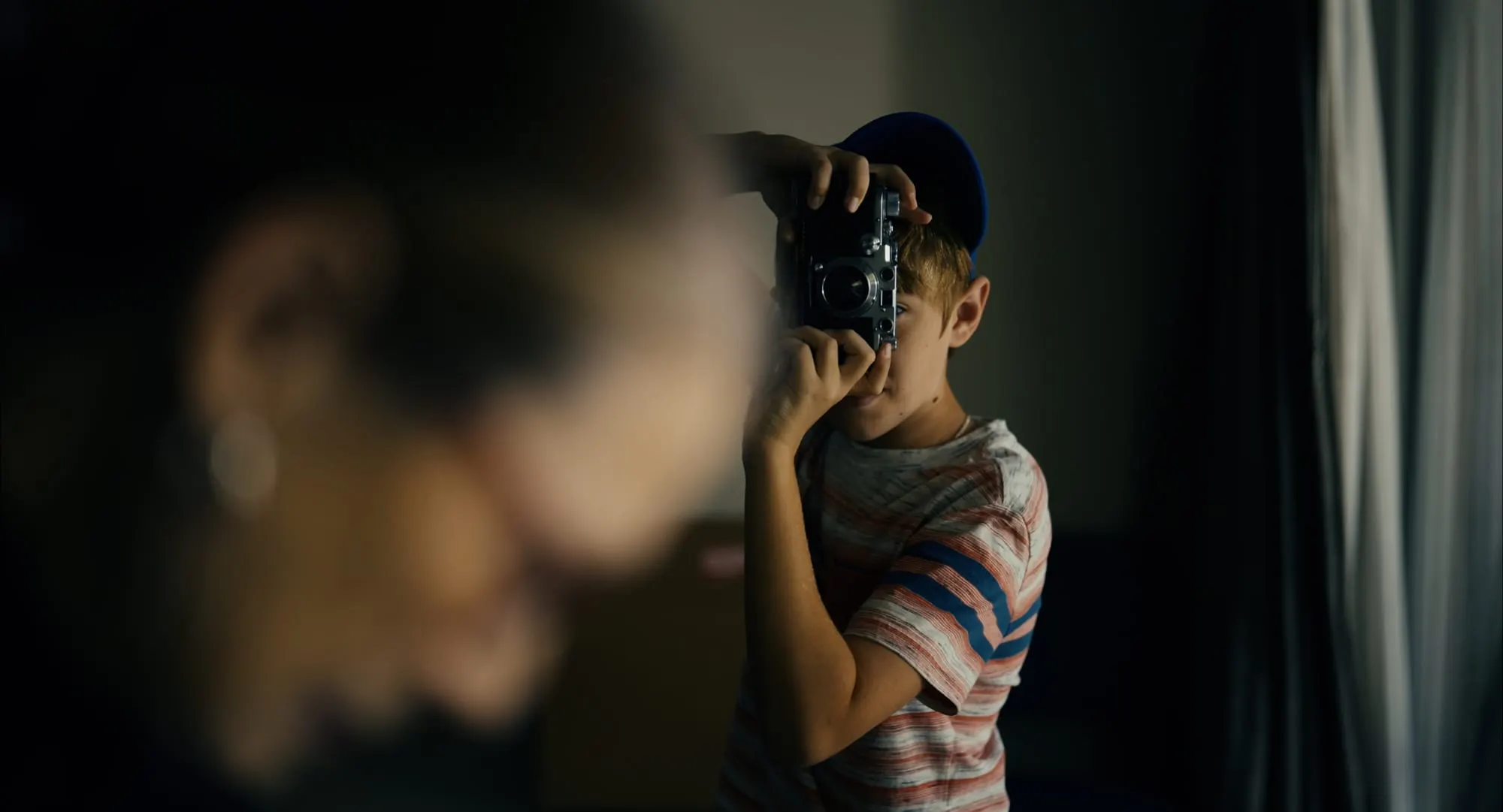
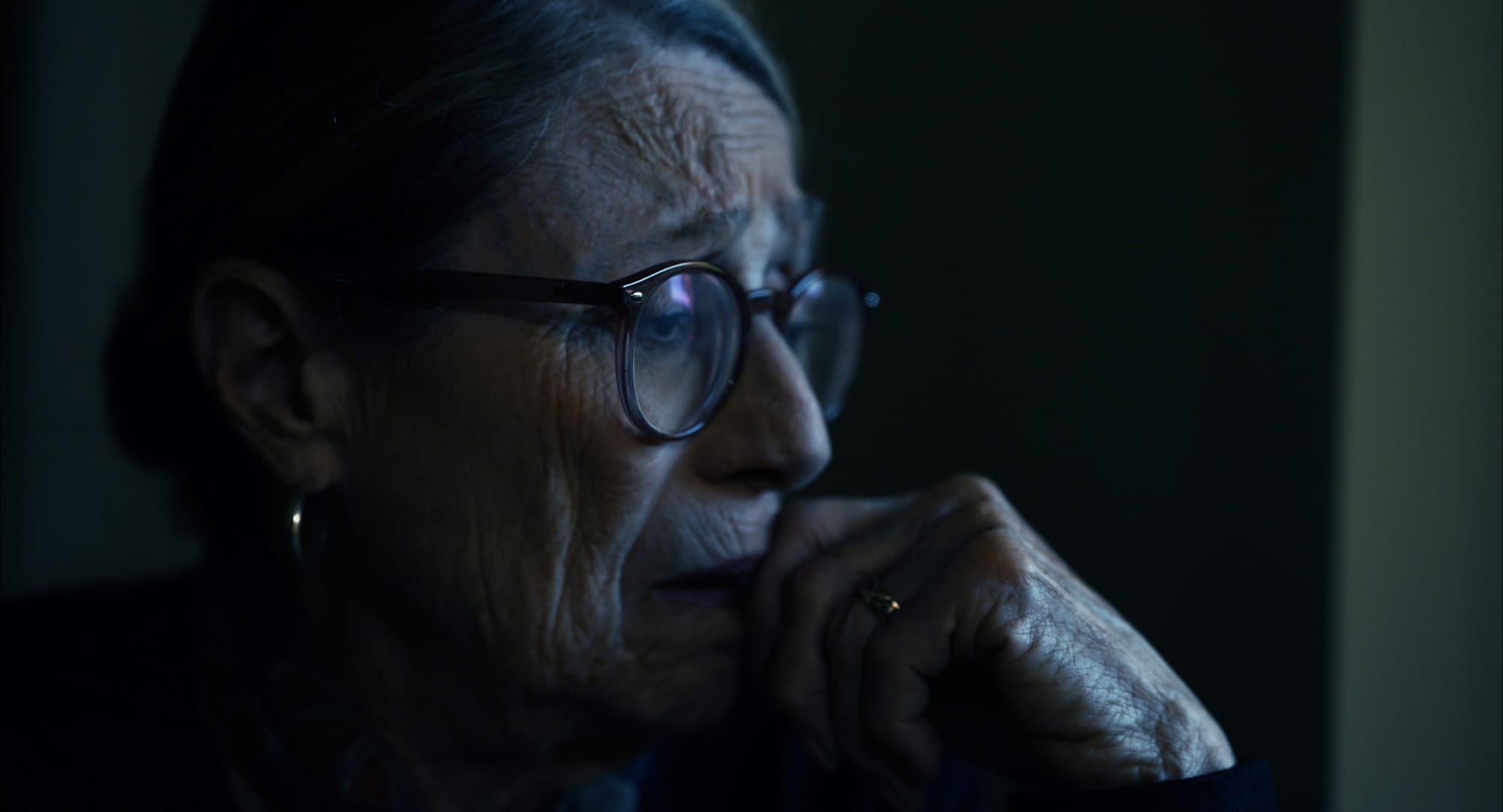
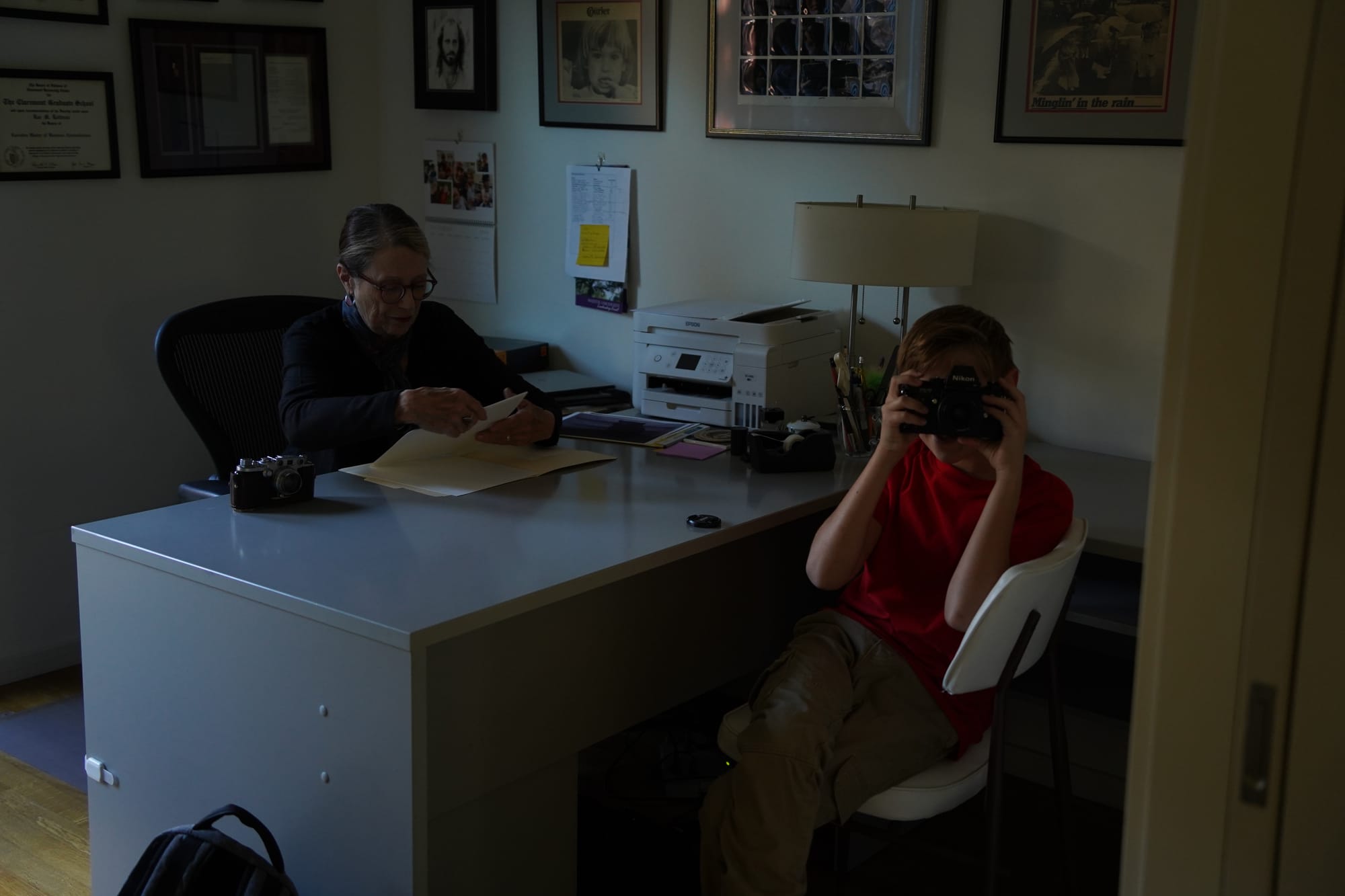
Adam Byrnes spent years building careers in politics and business before the pandemic made him admit he was unhappy. After a year of introspection, he returned to his first love — storytelling through film — and Viewfinder is the most personal expression yet of that return. A quiet family drama, it follows a grieving photographer clearing out her late husband's belongings, only to be caught off guard when her grandson's photographs capture a moment she never meant to reveal.
The film is a tribute to Byrnes's grandmother, an amateur photographer who mentored him as a boy and, without quite knowing it, planted the seeds of his second career. That inheritance — of craft, of seeing, of connection — runs through every frame.
Key Takeaways
- Viewfinder is a fictionalized tribute to Byrnes's late grandmother, the amateur photographer who became his first mentor.
- The film uses photography itself as its dramatic mechanism: its protagonist is exposed not by confession but by an image someone else captures.
- Working with young actor Brayden Gleave sparked Byrnes's ongoing interest in coming-of-age stories.
Byrnes spoke about the woman who ignited his love of imagemaking, the pleasures of a nimble set, and what HollyShorts means at this point in his journey.
Interview
What drew you to make this film, and why this story, why now?
Nearly four years ago I decided to pursue filmmaking fulltime, but the seeds for that transition were planted a long time ago and by an unknowing hand. My grandmother was an amateur photographer who had to wait until her late 40s, when her children were grown, to explore her passion. She earned an associate's degree in photography, and after that a camera was always in her hand.
As a child, I would sit in her house admiring her work and studying her photo books. One day, I asked if she would teach me. She said no, but gave me an old Canon to play with. I experimented with it and eventually took classes. When I showed her my work, she realized I was serious and became my mentor. Later, she gave me my first digital camera to help me keep up with the times.
Much later in life, when I realized that the careers I'd pursued provided stability but not fulfillment, I followed her example by returning to my creative roots. My grandmother passed away four years ago. This film is my tribute to her, and to the fire she ignited in me to use imagemaking to reveal, heal, and connect us all.
What moment in the film feels most like you, or like something only you could have made?
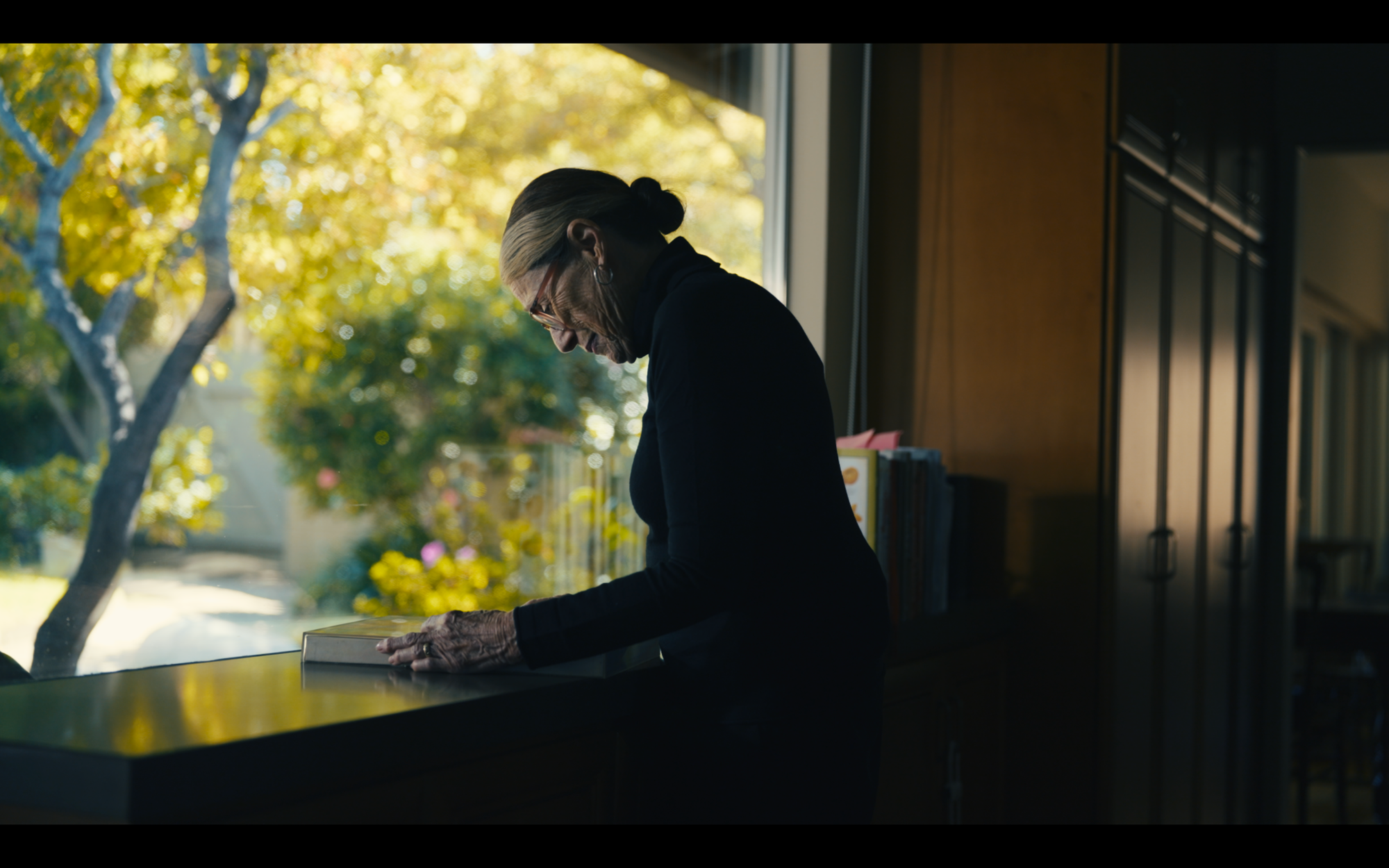
The film itself feels like something only I could have made because it tells a fictionalized version of the relationship I had with my grandmother. I had to win her respect to convince her to teach me the craft, but once I did, we bonded over a shared love for photography. I fondly remember learning the secret alchemy of photography on many photo excursions and during countless hours in her makeshift darkroom. I cherish those memories and return to those lessons often as a filmmaker. I hope that my love — for her and for photography — comes through for the audience.
What surprised you most about the filmmaking process, creatively or logistically?
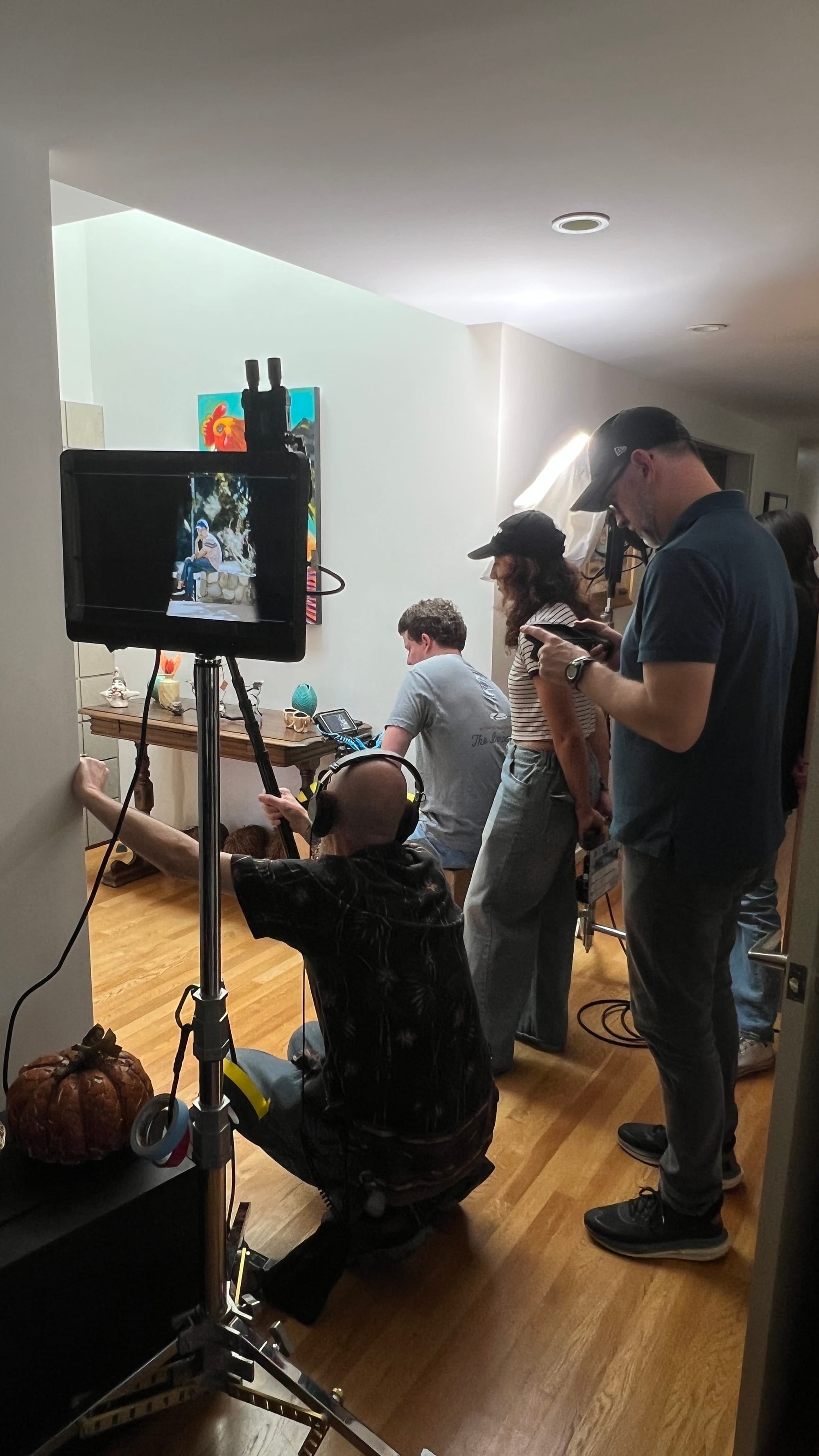
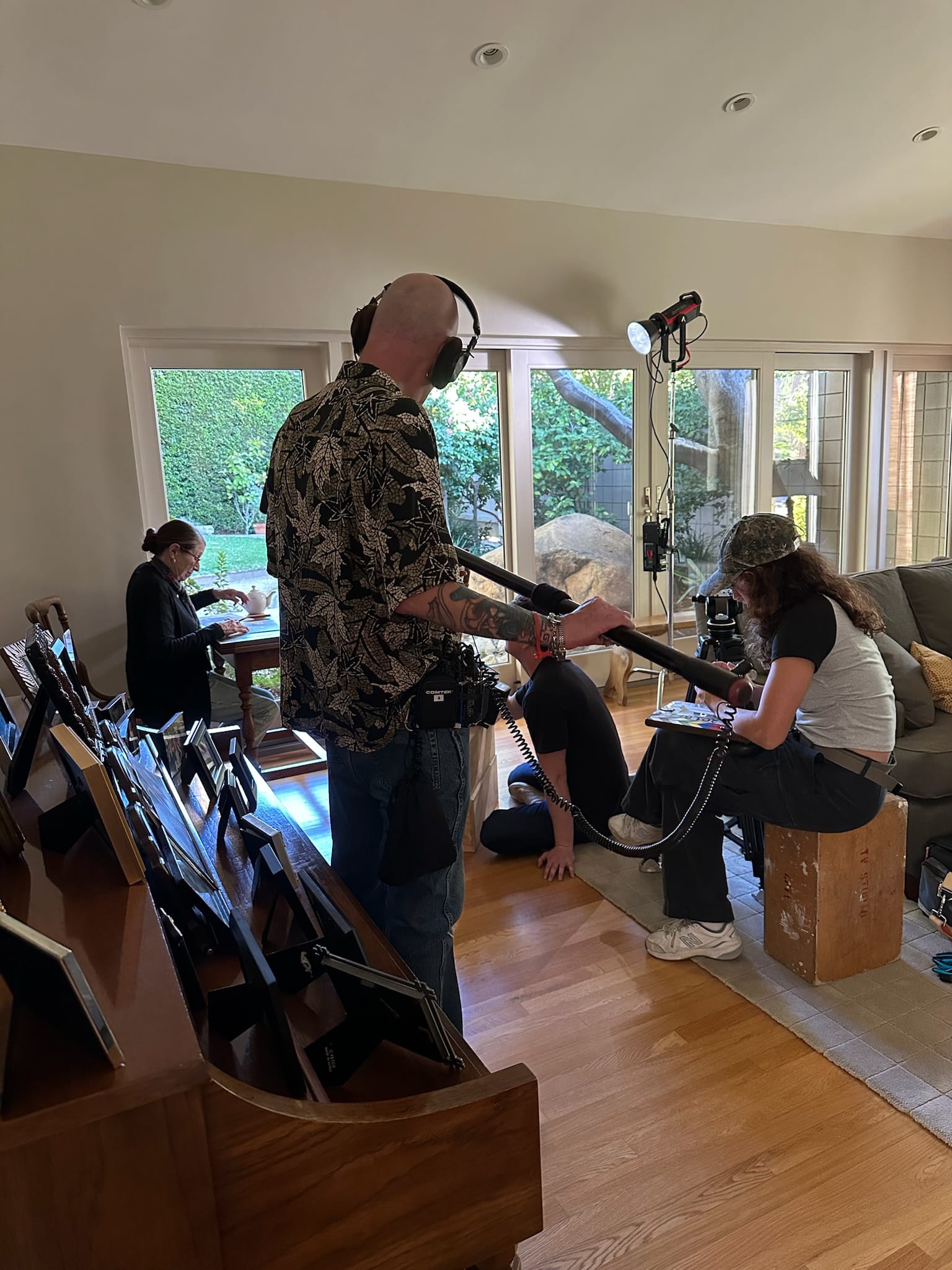
The biggest surprise was how smoothly this production went. This was, in part, because I leaned into our constraints — budget and time — and focused on a story that fit both; and, in part, because of how great Dawn Marie, my producing partner on this project, planned things. We had a small, nimble crew and a story that didn't ask for anything beyond our means, which meant we could stay focused on making the best film possible.
She brought positivity to every challenge, offered useful insight on the story, and pushed me to do the right thing even if it was hard. The production wasn't without its challenges, but it was a breeze thanks to Dawn's hard work.
How has this film shaped or shifted the kinds of stories you want to tell next?
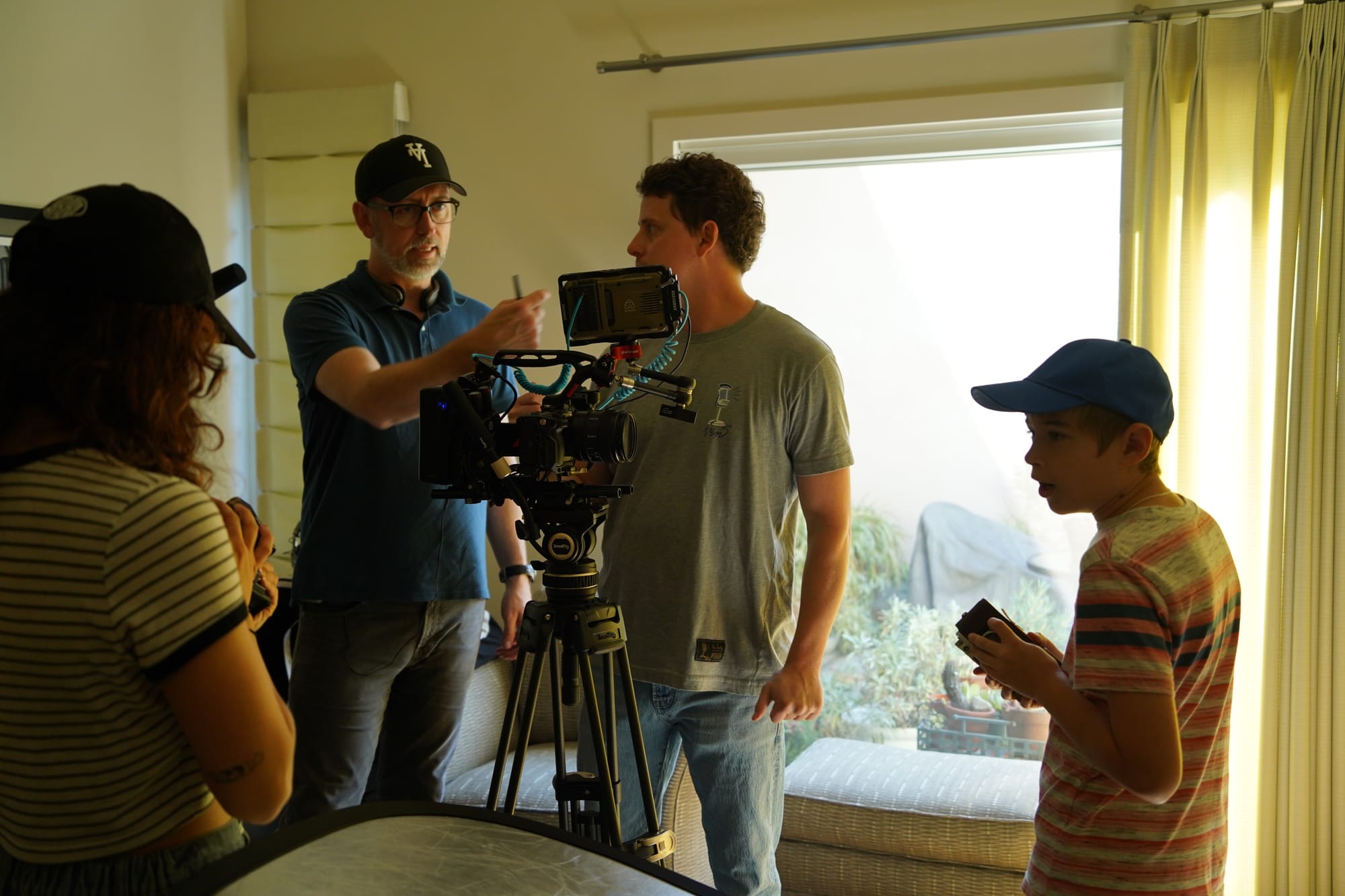
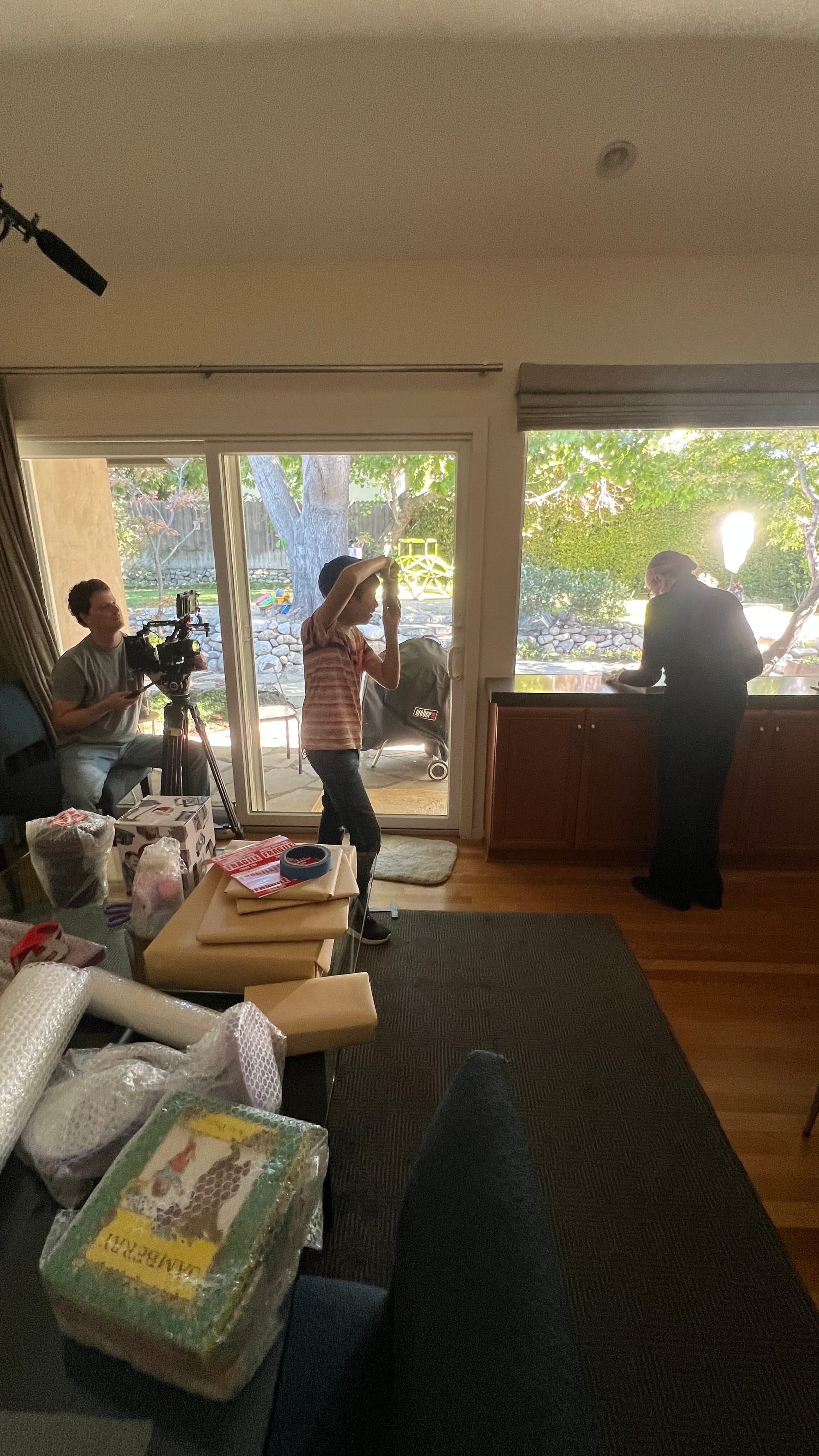
This story is the first time I have worked with a child actor and it sparked an interest in coming-of-age stories that I continue to explore to this day. Brayden Gleave, who plays Kyle in the film, brought a youthful exuberance and great ideas. For example, there's a scene where he smushes his face against a window and makes a face. That was his idea and showcased his creative instinct. It's one of my favorite moments in the film because it shows his character in one single action.
How does your film fit within, or push the boundaries of, its genre or form?
Viewfinder sits in the tradition of the quiet, observational family drama, but it uses photography as the mechanism of the story's central reveal. Rather than the protagonist simply confessing or being confronted, she's exposed through an image someone else captures of her. It reveals an aspect of herself that challenges her self-perception and shows her a reality she was blind to. This underlines one of the film's central themes, that imagemaking has the power to reveal what we can't see in ourselves.
What do you hope audiences take away from this film?
I hope it shows them the power of imagemaking to reveal, heal, and connect us all. And, perhaps on another level, it can show us that we all need to slow down and consider where everyone else is coming from. Both the grandmother and grandson in this piece are unaware of what the other is going through until an image allows them to, literally, see things a different way.
What does it mean to have your film selected for HollyShorts?
It feels like a huge career milestone since I transitioned full time to filmmaking four years ago. HollyShorts is known for its curation, so it's exciting to be included among so many talented filmmakers. That said, the thing I am most excited by is the opportunity HollyShorts creates for filmmakers to build community and learn from each other. The deeper I get into this work the more I value connecting with other creatives and growing as an artist. HollyShorts is one of the first festivals I submitted Viewfinder to, and I am hopeful that its inclusion will allow me to share it at more festivals in the future.
Main Cast & Crew
- Helen Duffy as Ruth
- Brayden Gleave as Kyle
- Alice L. Walker as Kim
- Written, Directed, and Co-Produced by Adam Byrnes
- Lead Producer — Dawn Marie
- DP — Cole Ellett
- Production Design — Gracie Easton
- Sound Engineer — Brad Bryan
- Sound Design — Christina Wen
- Score — Louisa Mariette Byron
- Editor — Parker Davidson
Filmmaker Opportunities
💛 Fund your next project with fiscal sponsorship
Have a project in the works? As a 501(c)(3) nonprofit, the Cinematography for Actors Institute can accept tax-deductible donations on your film's behalf — a door-opener for grants, foundations, and supporters who want to back your work. We've serviced over 100 projects to date and helped route over $800,000 in funding to filmmakers. Explore fiscal sponsorship → You can also catch our 3rd annual financing panel at HollyShorts.
📬 Grant deadlines and festival opportunities, straight to your inbox
The CFA newsletter rounds up grants, festival calls, and community news for independent filmmakers — the kind of opportunities that are easy to miss and painful to miss. Join the newsletter →
🎬 Focus on the creative — we'll help with the logistics
Production Management, CFA's newest member program, launches this November: production insurance and workers' comp, payroll, film permits, gear rental coordination, SAG-AFTRA compliance, contract drafting, production consulting, and crew recommendations — handled by a team of working filmmakers, à la carte or all in, in partnership with Creative Access Group. It's waitlist-only until launch. Join the waitlist →
League of Filmmakers is published by our parent organization, the Cinematography for Actors Institute — a 501(c)(3) dedicated to education, community, and capital for underrepresented filmmakers and actors. Learn more about CFA →