Table of Contents
Key Takeaways
- The Things We Carry is shaped by real-life tragedy. Thibaud Goarin was inspired by a true story of a fatal robbery attempt, leading him to explore themes of violence and humanity in America.
- Unexpected moments can fuel creativity. On set, a coincidental helicopter appearance during a critical scene underscored the natural magic of filmmaking for Goarin and his team.
- Independent filmmaking thrives on freedom and experimentation. Goarin emphasizes the unique creative control available to indie filmmakers, encouraging them to express their truths.
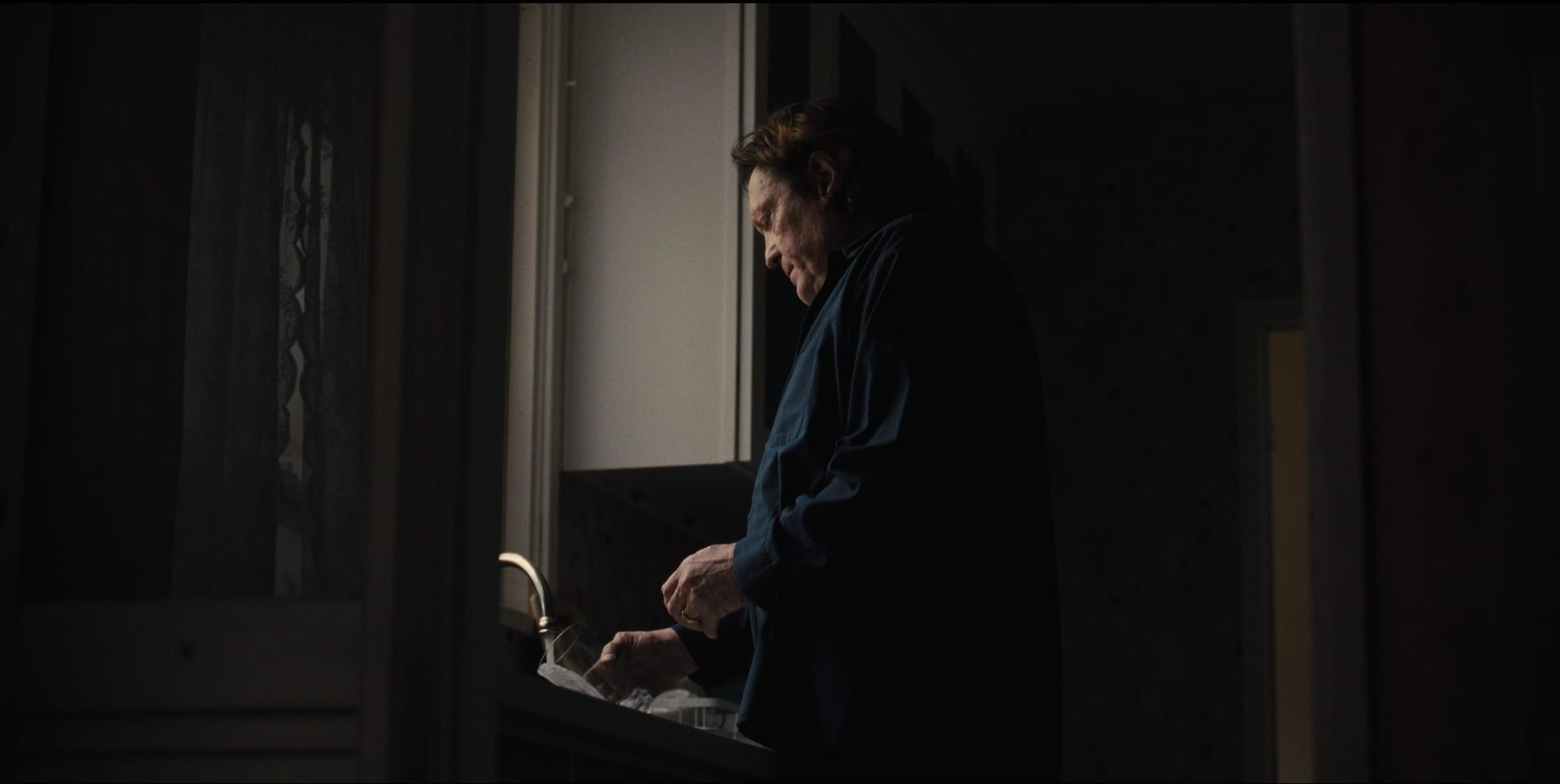
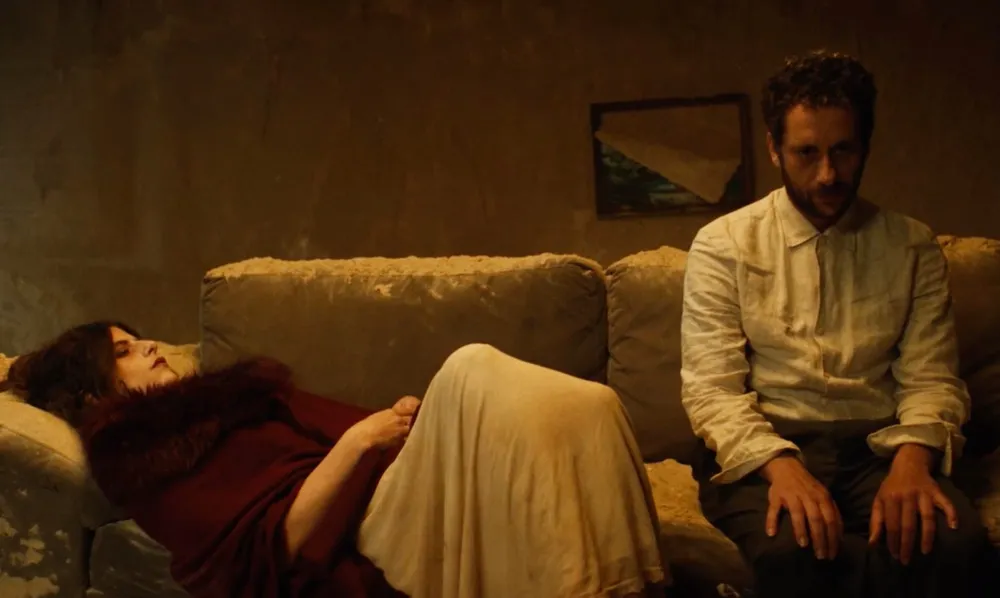
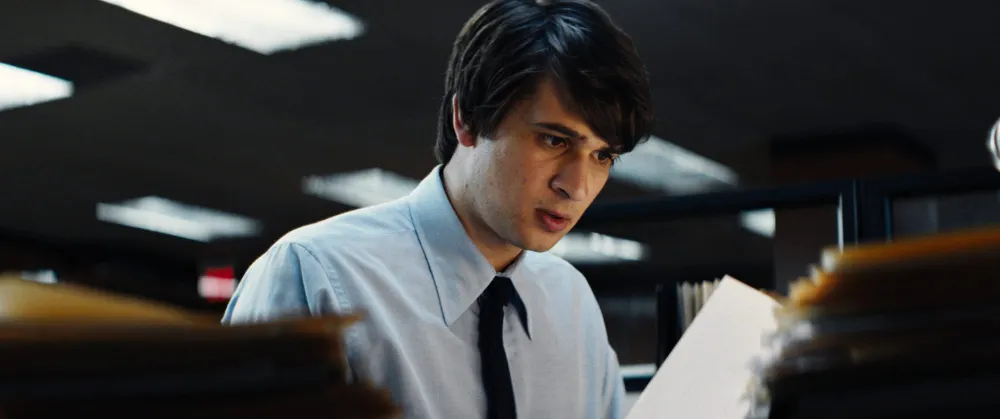
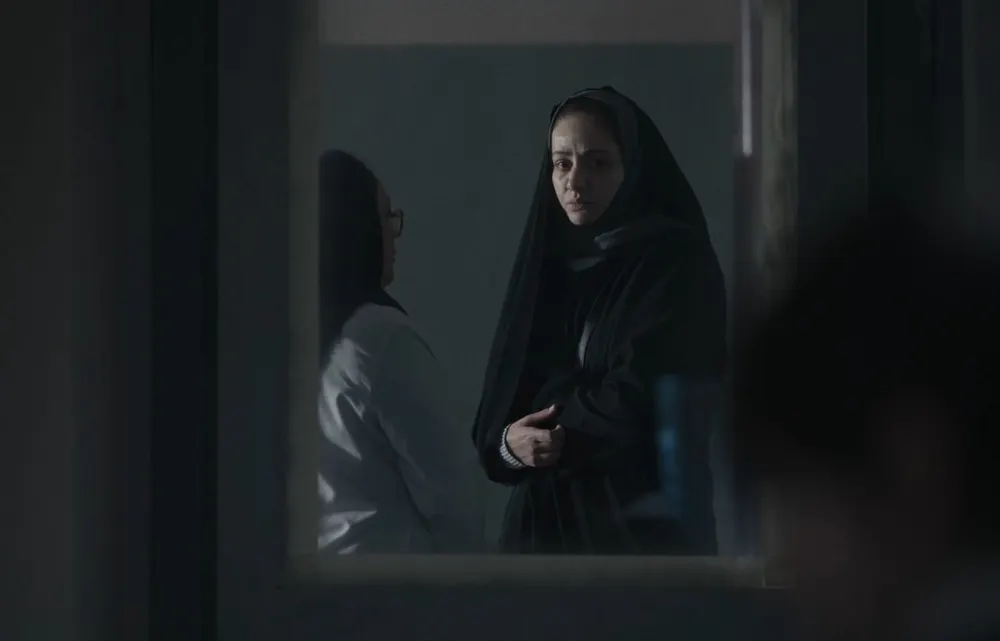
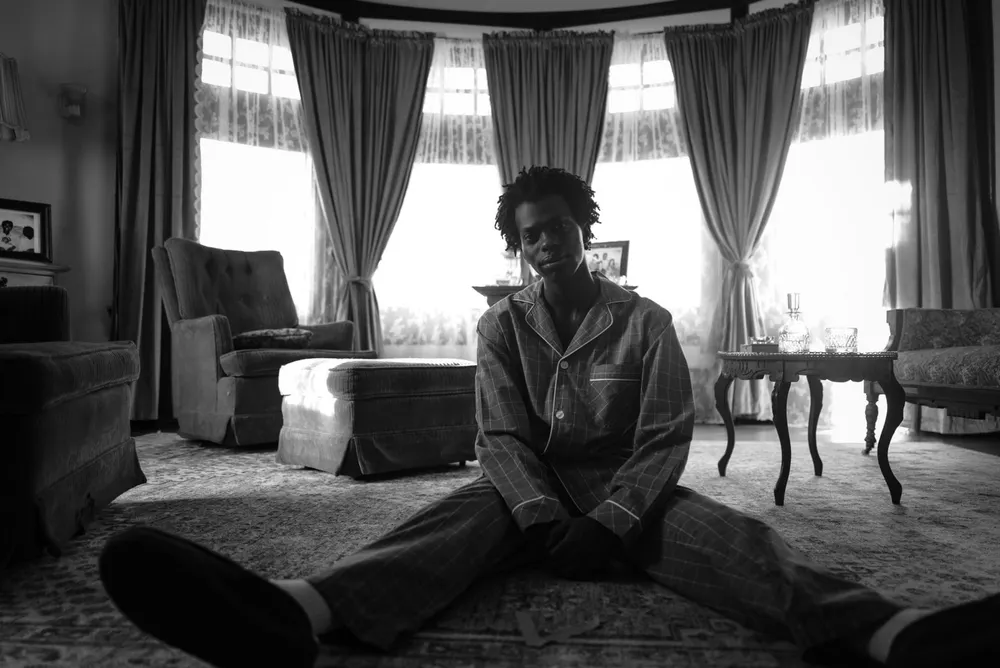
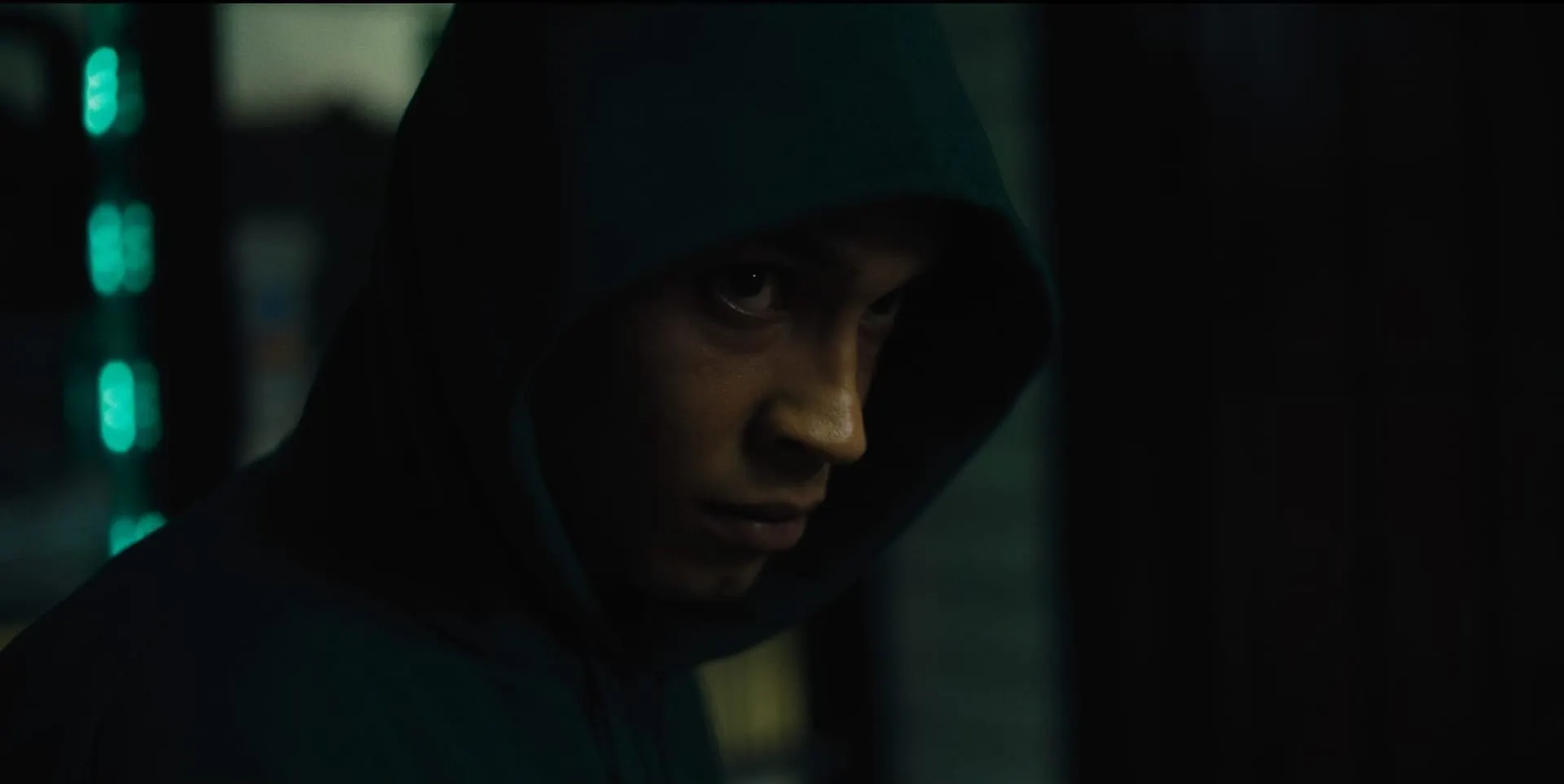
Director and writer Thibaud Goarin brings his latest project, The Things We Carry, to the HollyShorts Film Festival, where it marks the world premiere of one of Michael Madsen's final performances.
Also written by Elizabeth Grullón, the film features an accomplished cast including Elizabeth Grullón, DeAngelo Ableidinger, Delarosa Rivera, and Kayla Heywood.
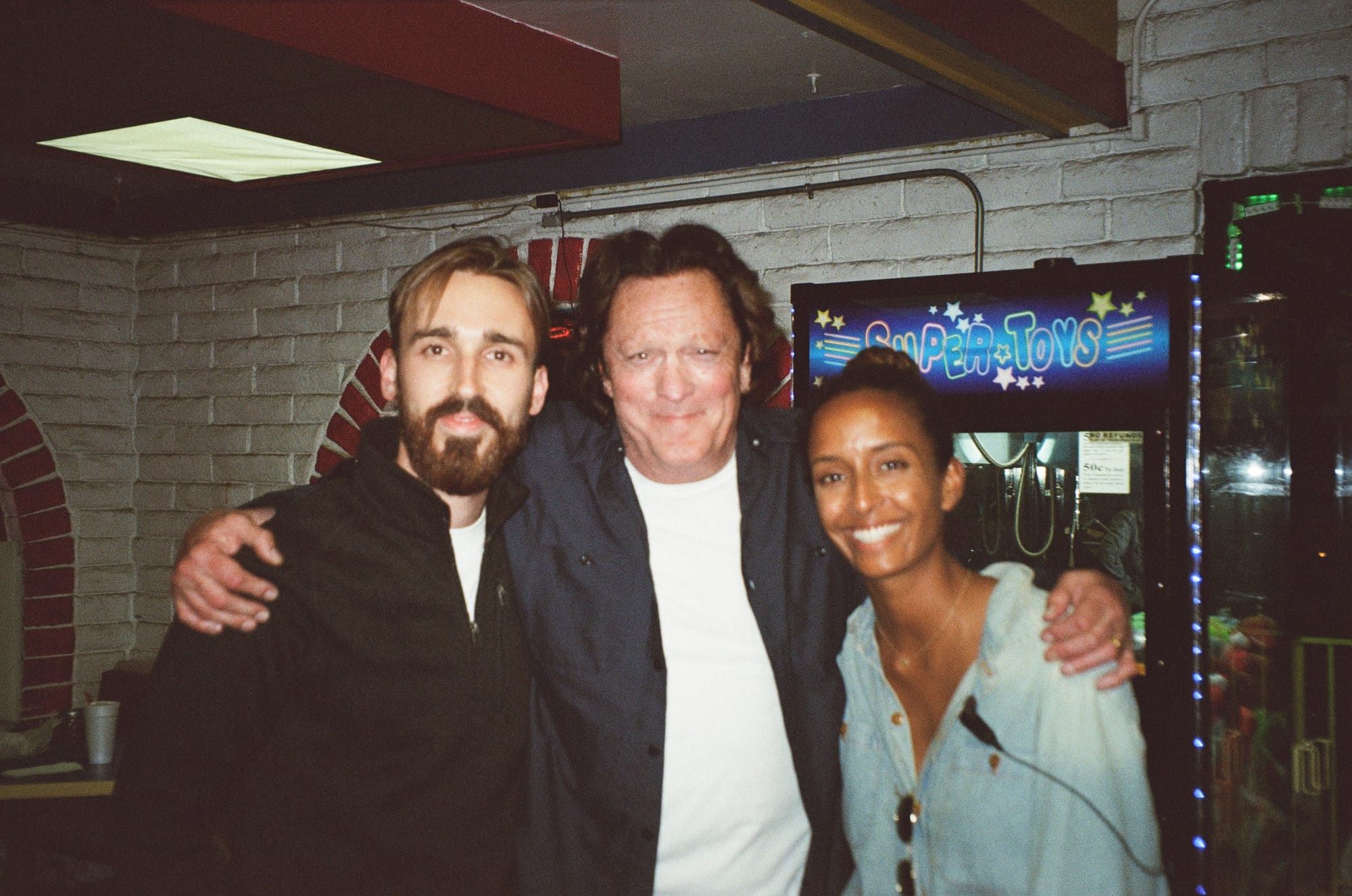
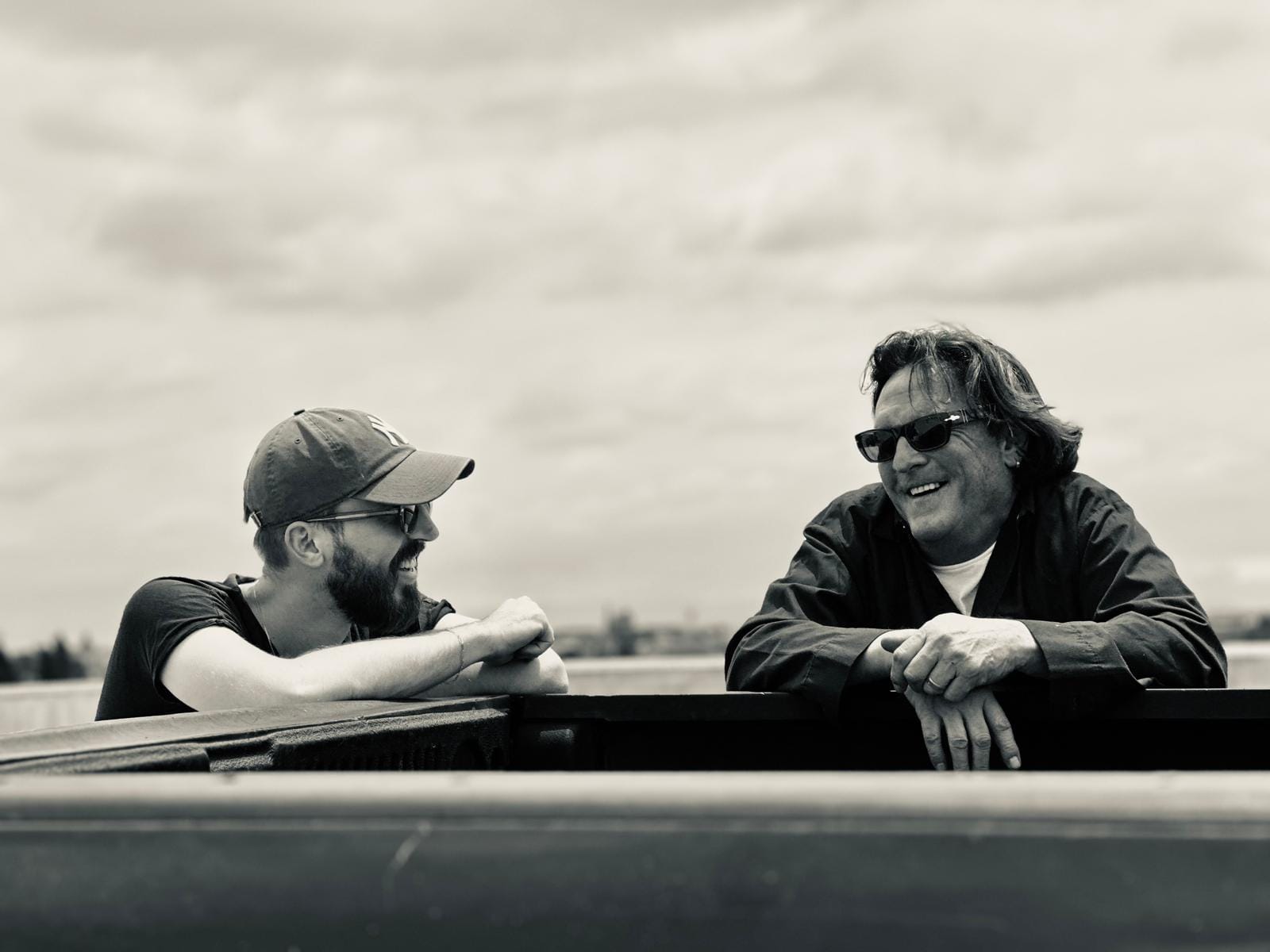
Goarin's collaboration with Madsen not only shaped the film but also left a lasting impact on his journey as a storyteller.
Q&A interview
On the film's inspiration
What drew you to make this film? Why this story, and why now?
When I think back to the night it all started, I remember sitting around the kitchen table with my wife and our producer, just talking over dinner. Our friend shared a story about a young man who’d attempted to rob a restaurant, armed with nothing but a toy gun, who was shot dead by one of the patrons. The tragedy hit me hard, and I knew then that I had to make a film about it. At first, I pictured the story through the boy’s eyes, but the more I wrote, the more the true heartbeat of the film revealed itself: the man who pulled the trigger. An image haunted me for days: a grandfather holding his granddaughter, a pistol fixed at his hip. That’s where the character of Jack was born.
"At the core of all my work is a desire to keep cinema alive."
Thibaud Goarin emphasizes the importance of creating films that remind audiences of their love for cinema.
On the filmmaking process
What surprised you most about the filmmaking process this time—creatively or logistically?
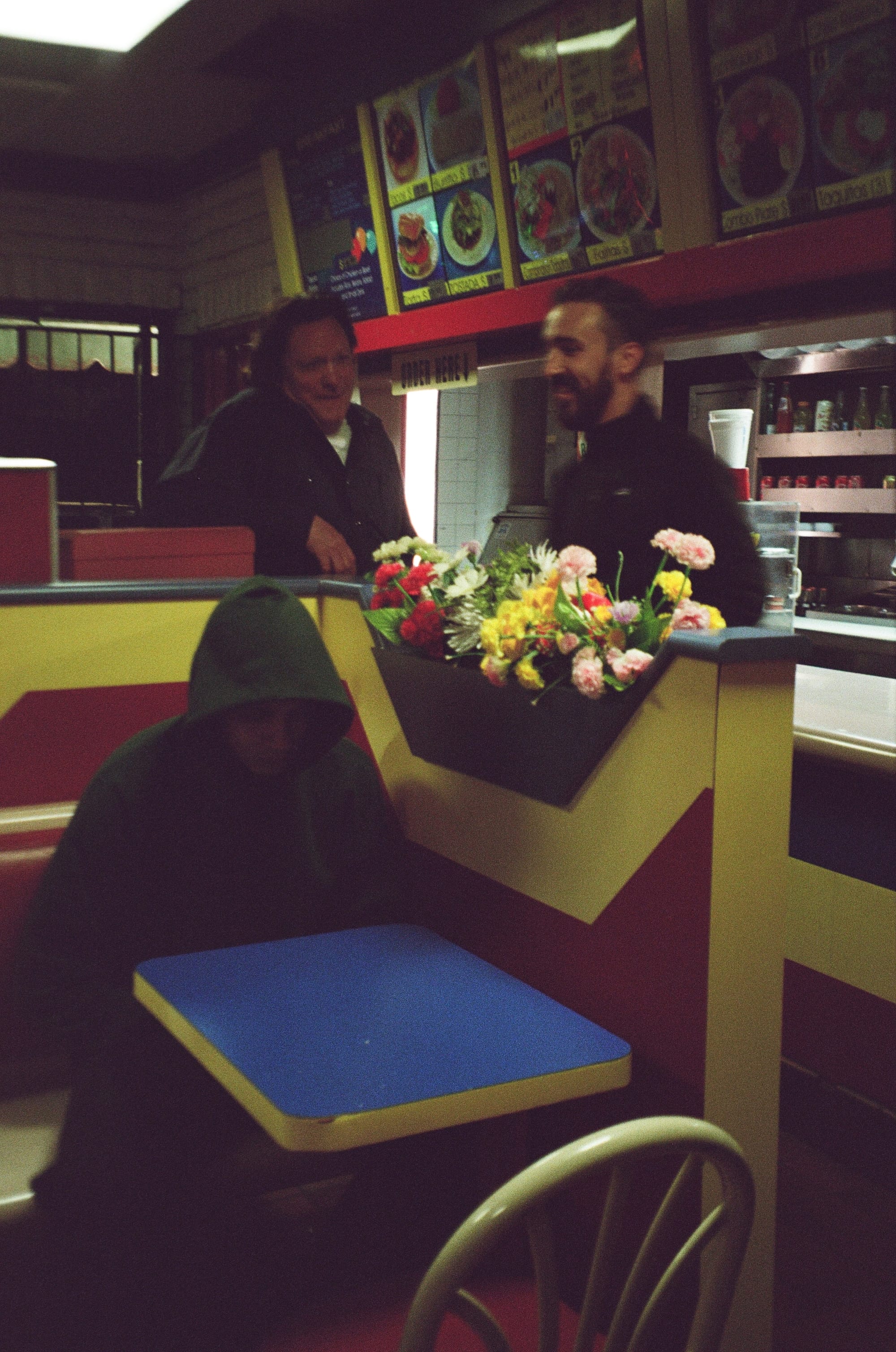
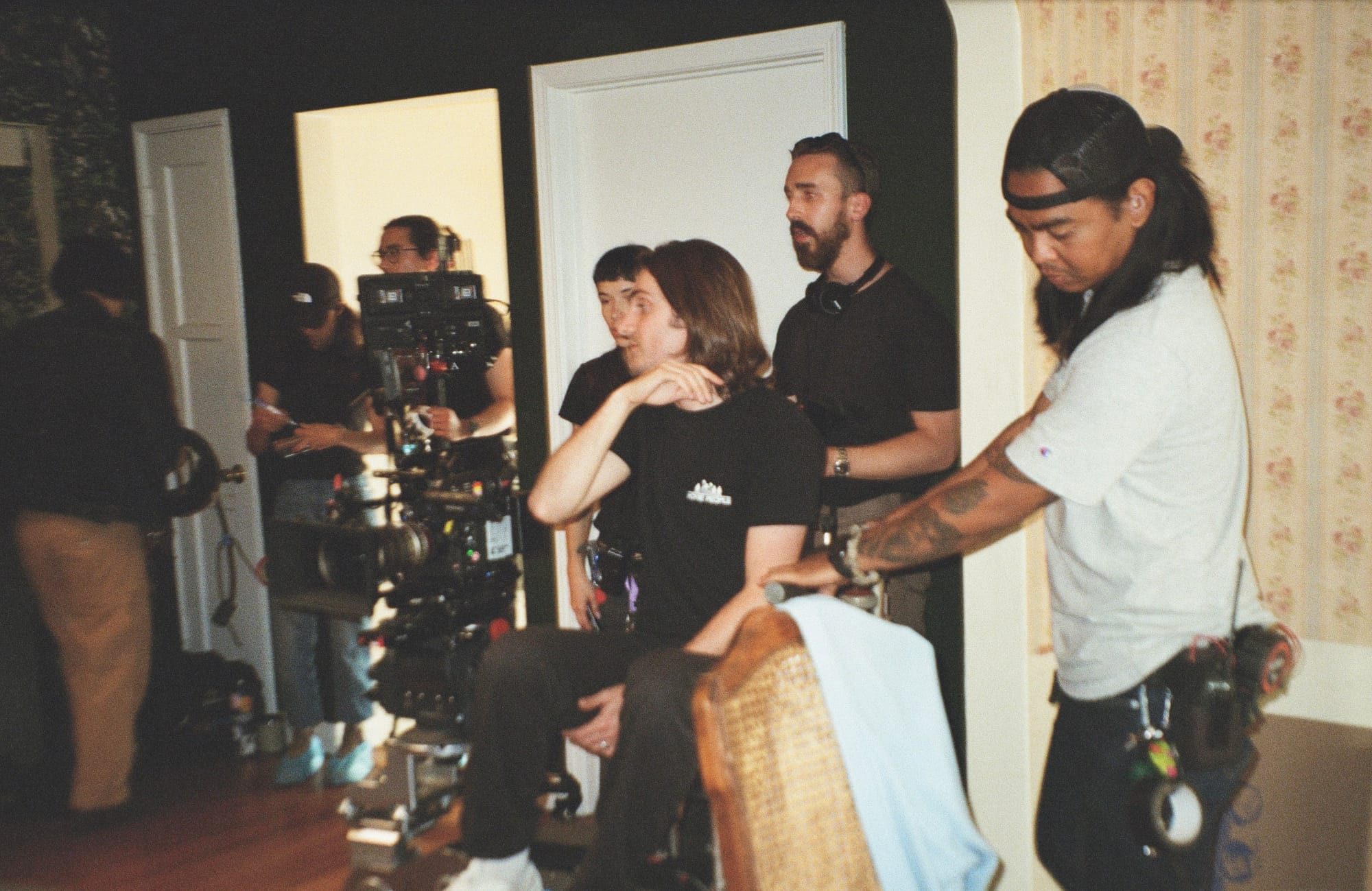
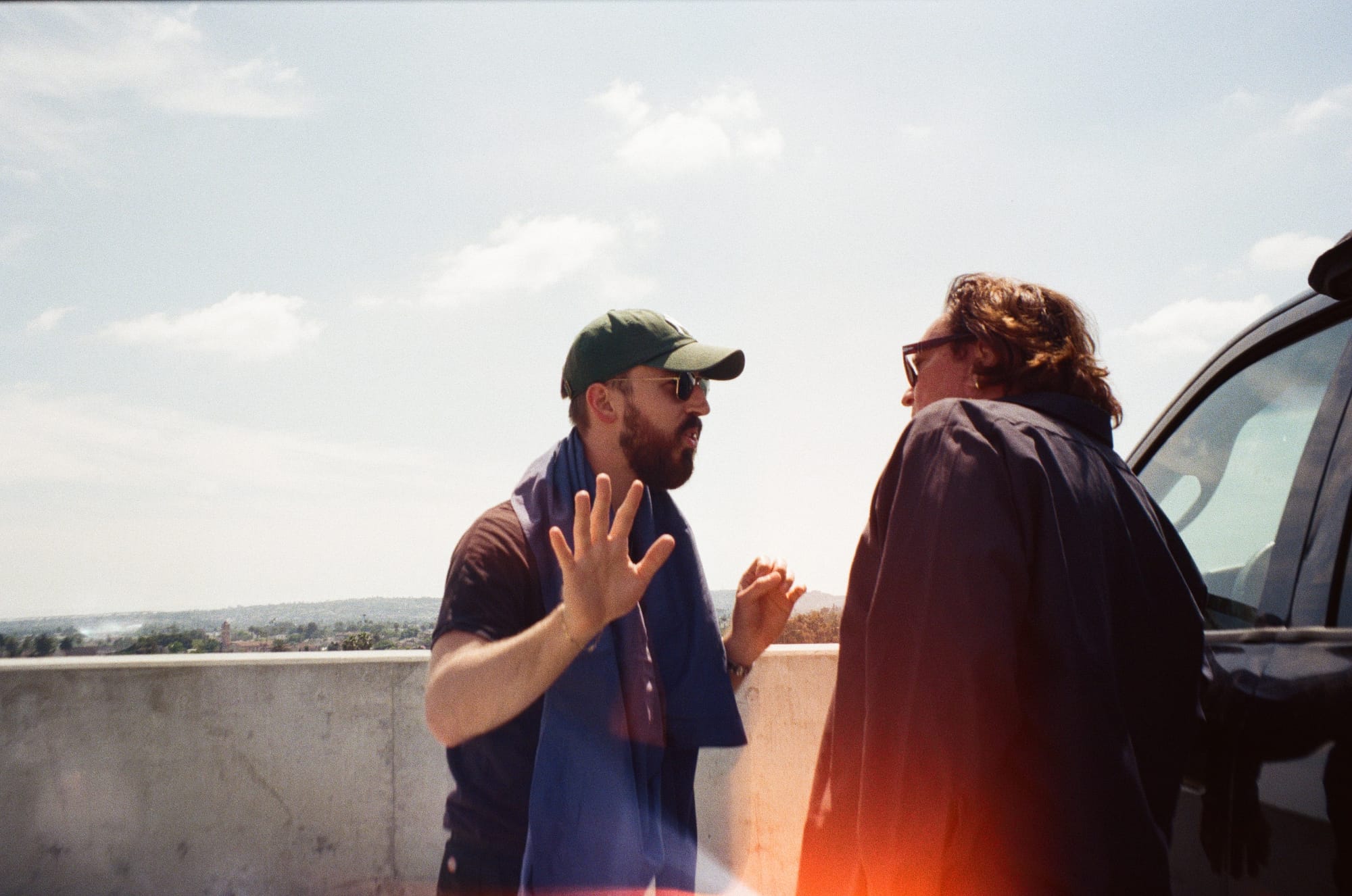
One aspect that really surprised me was these coincidences that would happen, where things would perfectly align. For example, there is a scene where Michael's character, Jack, is awakened by the spotlight of a police helicopter. Just as we were setting up the shot, a helicopter appeared overhead, spotlighting our car. Michael Madsen, with a big smile, said, "you don't mess with God, man." It was such a special moment, a kind of natural encouragement.
On personal creative expression
Is there a moment in the film that feels the most you—something only you could have made?
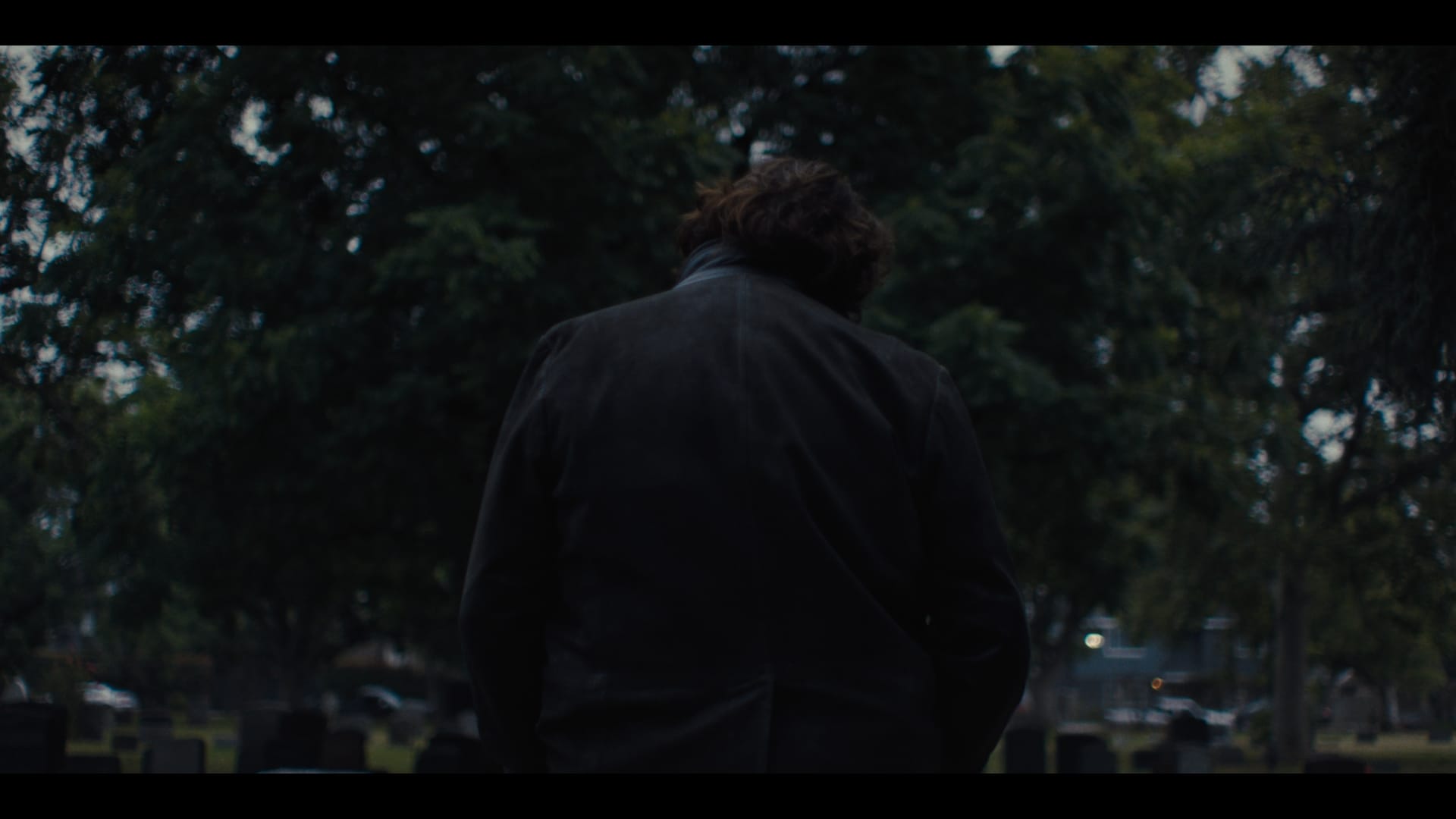
Something that feels very me is the way I chose to frame Michael's performance. I wanted to approach this beloved actor in a fresh way. The film opens with a shot of Michael's back; I wanted to let audiences know this is a very different Michael Madsen. This tendency toward understated choices comes from my background as a Frenchman, drawing inspiration from filmmakers like Jean-Pierre Melville.
On creative challenges
What was the hardest creative decision you made while making this film?
The writing process was the most challenging aspect. Specifically, a tough choice was deciding to tell this story through the eyes of the perpetrator rather than the victim, ensuring his humanity remained at the forefront. It was a decision I had to sit with for a long time and ultimately fought for.
On the impact of the film and future aspirations
What do you hope audiences take away from your film?
I'm excited to discover what audiences take away from this film. I'd like for them to understand that everything is cause and effect. We are all people, no matter how much we misjudge or make mistakes. I hope this film sparks healthy conversation around this complex issue.
"You are nothing without the team around you."
Goarin highlights the importance of surrounding oneself with passionate collaborators in filmmaking.
Cast & Crew Summary
- Cast: Michael Madsen
- Producers: Melissa McNerney, Tim Cronin
- Cinematography: Guido Raimondo
- Editing: Steve Gandolfi
For more about the film, follow their Instagram.