Table of Contents
Three Key Takeaways
- Violent Butterflies channels the raw energy and rage of a generation confronting injustice through art and protest.
- Dávila’s independent filmmaking thrives on creative freedom, turning budgetary constraints and challenges into powerful storytelling tools.
- The film’s unapologetic portrayal of violence and resistance aims to ignite reflection and inspire audiences worldwide.
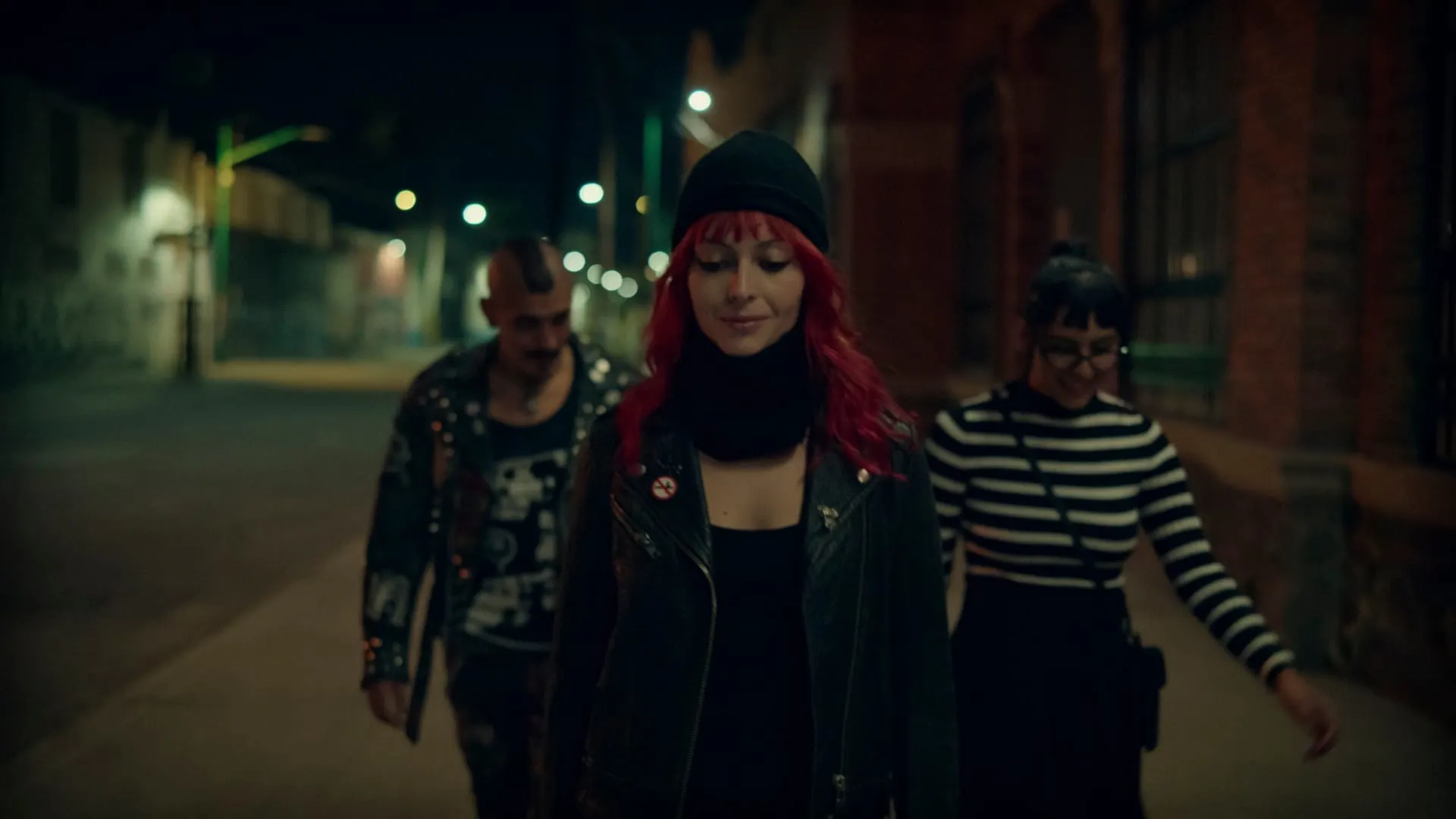
Mexican filmmaker Adolfo Dávila brings his latest film, Violent Butterflies, to Nòt Film Fest with a story steeped in rebellion, youthful defiance, and the urgent quest for justice. Featuring a cast led by Diana Laura Di and Alejandro Porter, the film explores the collision of two young artists — a graffiti artist and a punk singer — against brutal police aggression in a society marked by impunity. Dávila, known for his politically charged and poetic storytelling, uses Violent Butterflies to capture the pulse of a generation refusing to stay silent.
Q&A Interview
What drew you to make this film? Why this story, and why now?
I felt an urgent need to tell a story about rebellious young people — artistically and intellectually alive — whose voices and visions challenge the status quo. Violent Butterflies was born from the deep wound of living in a Mexico marked by the absence of justice, where violence and impunity have become part of daily life. Through the clash between a graffiti artist and a punk singer, I wanted to capture the energy, creativity, and rage of a generation that refuses to remain silent.
"Their defiance becomes art, their art becomes resistance — a living lesson in how culture can stand against brutality."
Now is the moment to tell this story because the conditions it portrays are not fading — they are intensifying. This film is both a reflection of what is happening and a call to see, to feel, and to remember that rebellion is also a form of truth.
What surprised you most about the filmmaking process this time—creatively or logistically? Was there a moment on set or in post that completely changed how you saw the story?
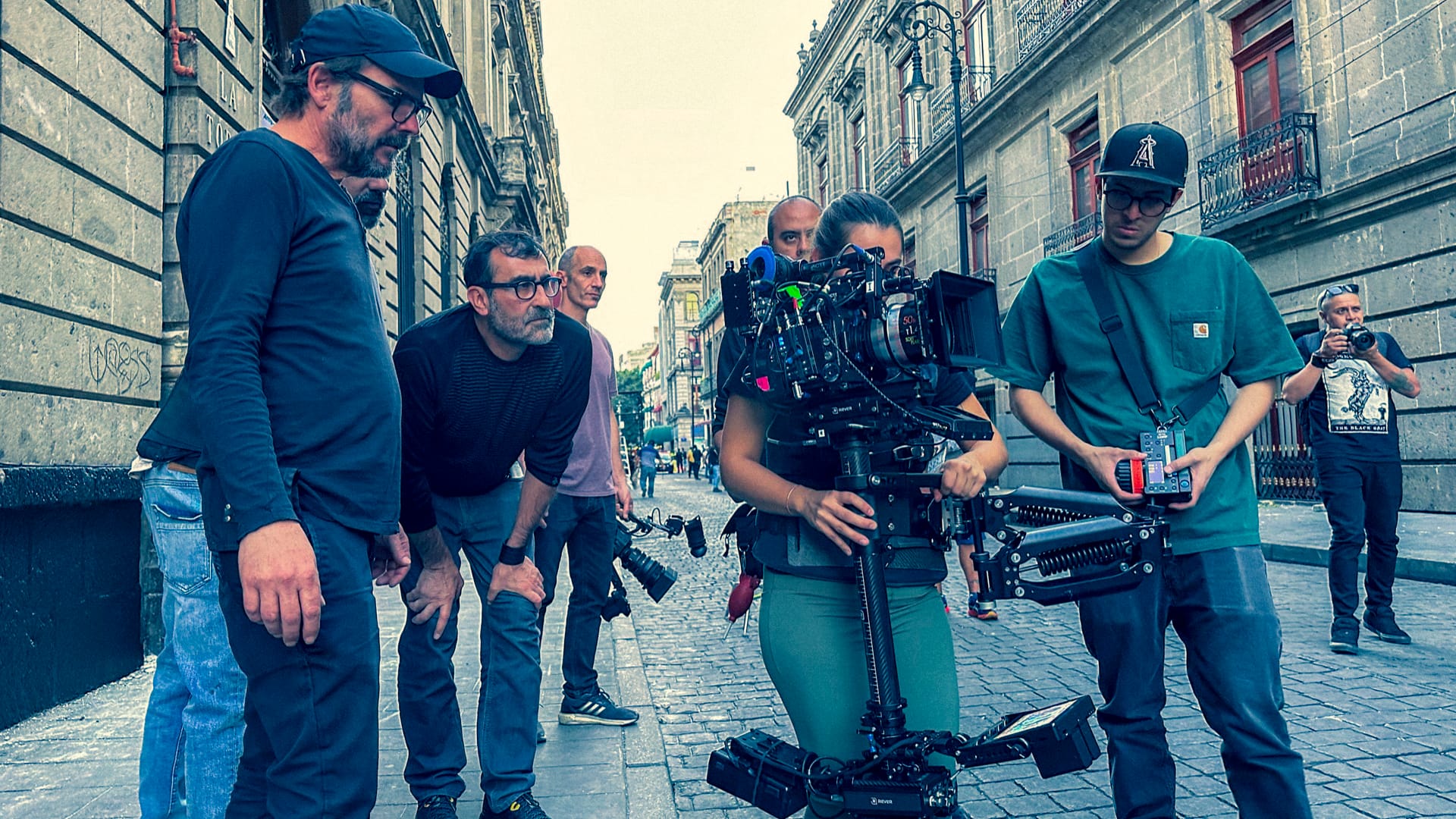
What surprised me most was the spirit of my crew — the absolute commitment of my collaborators and actors to tell this story from the heart, despite all the budget limitations we faced. There was an unspoken pact on set: everyone brought their full energy, creativity, and resilience, turning obstacles into opportunities. That collective drive not only shaped the film’s visual and emotional power, it reminded me that independent cinema thrives when made with urgency, solidarity, and a shared sense of purpose.
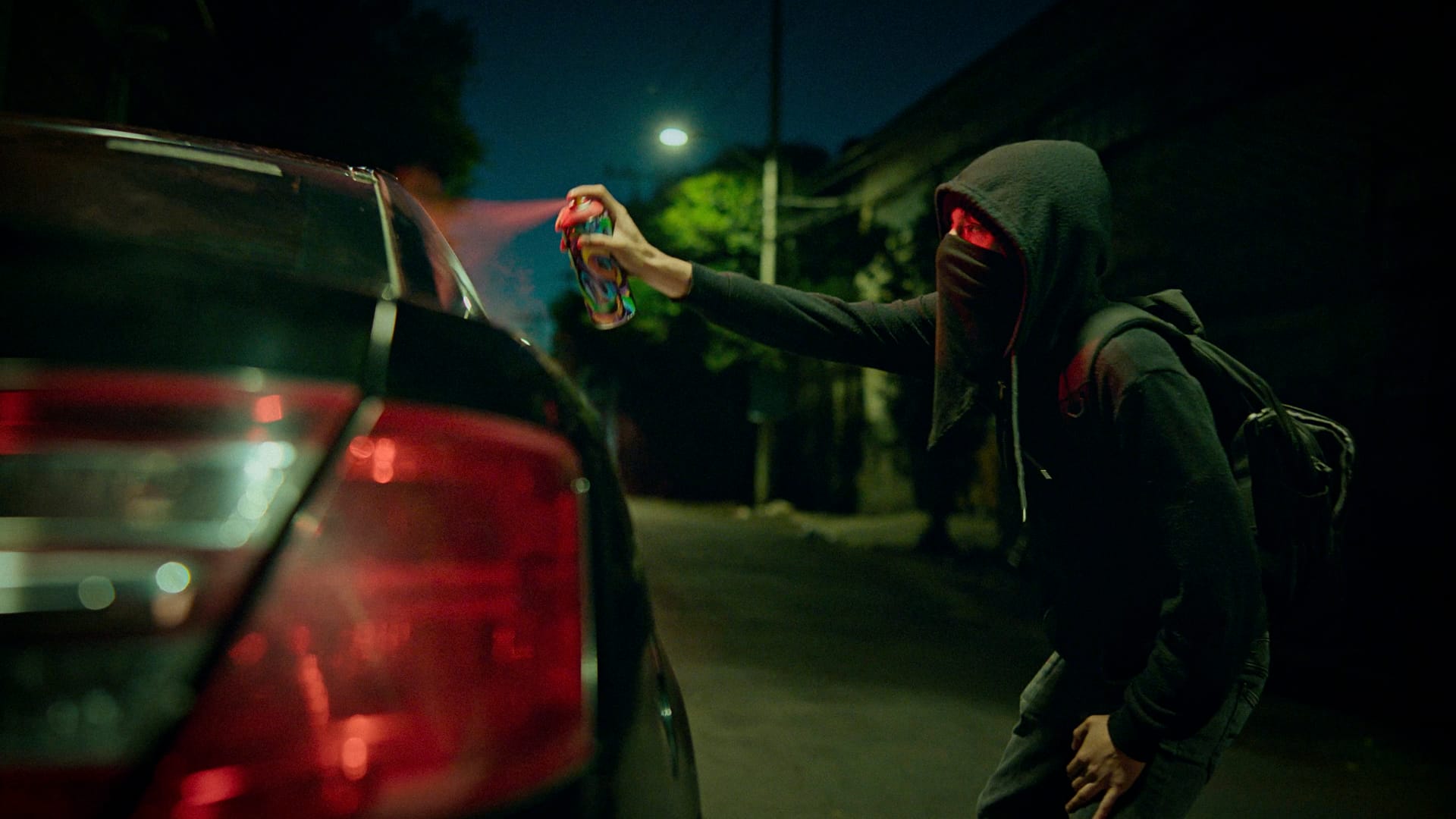
Is there a moment in the film that feels the most you—something only you could have made?
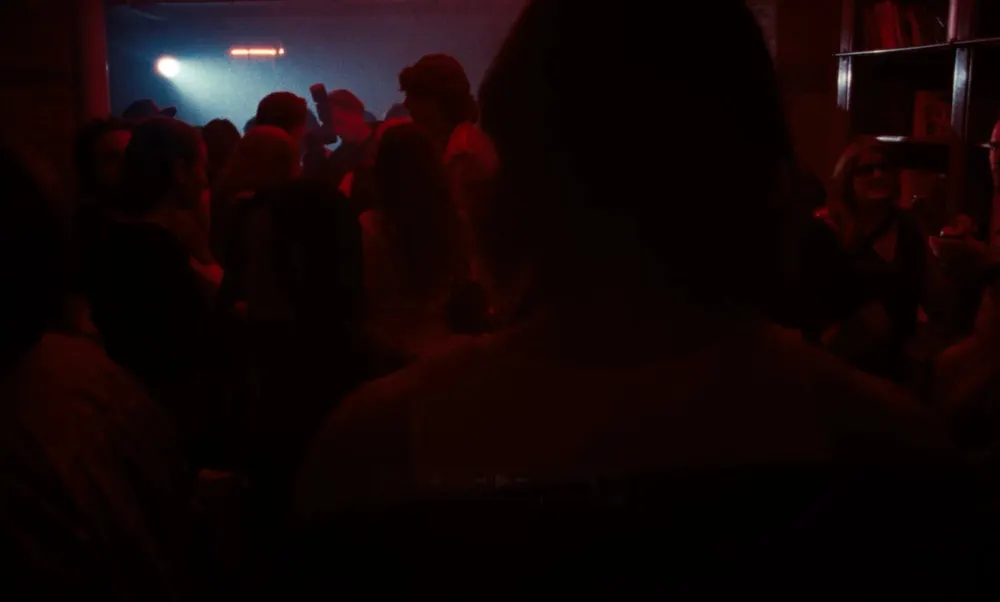
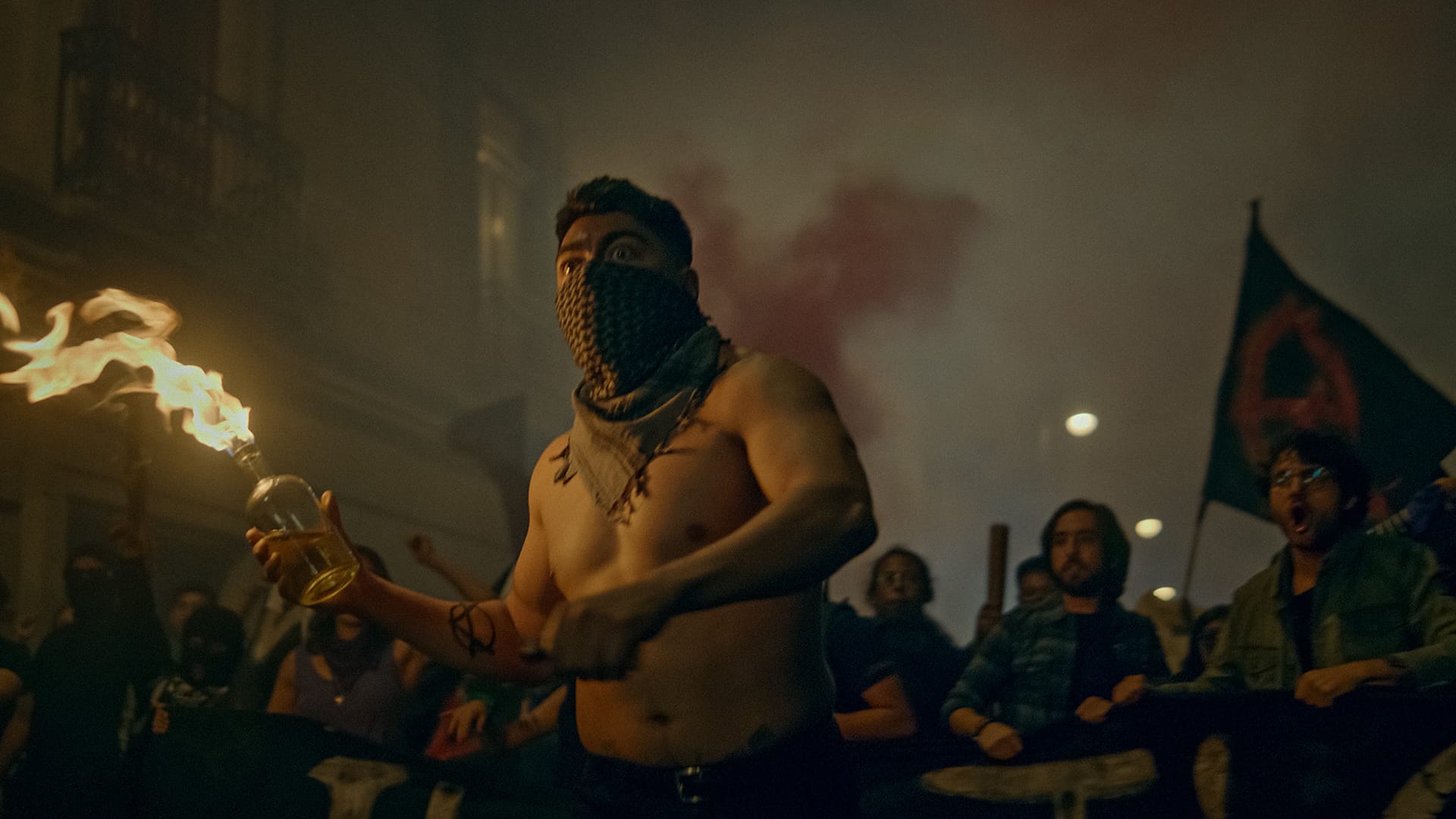
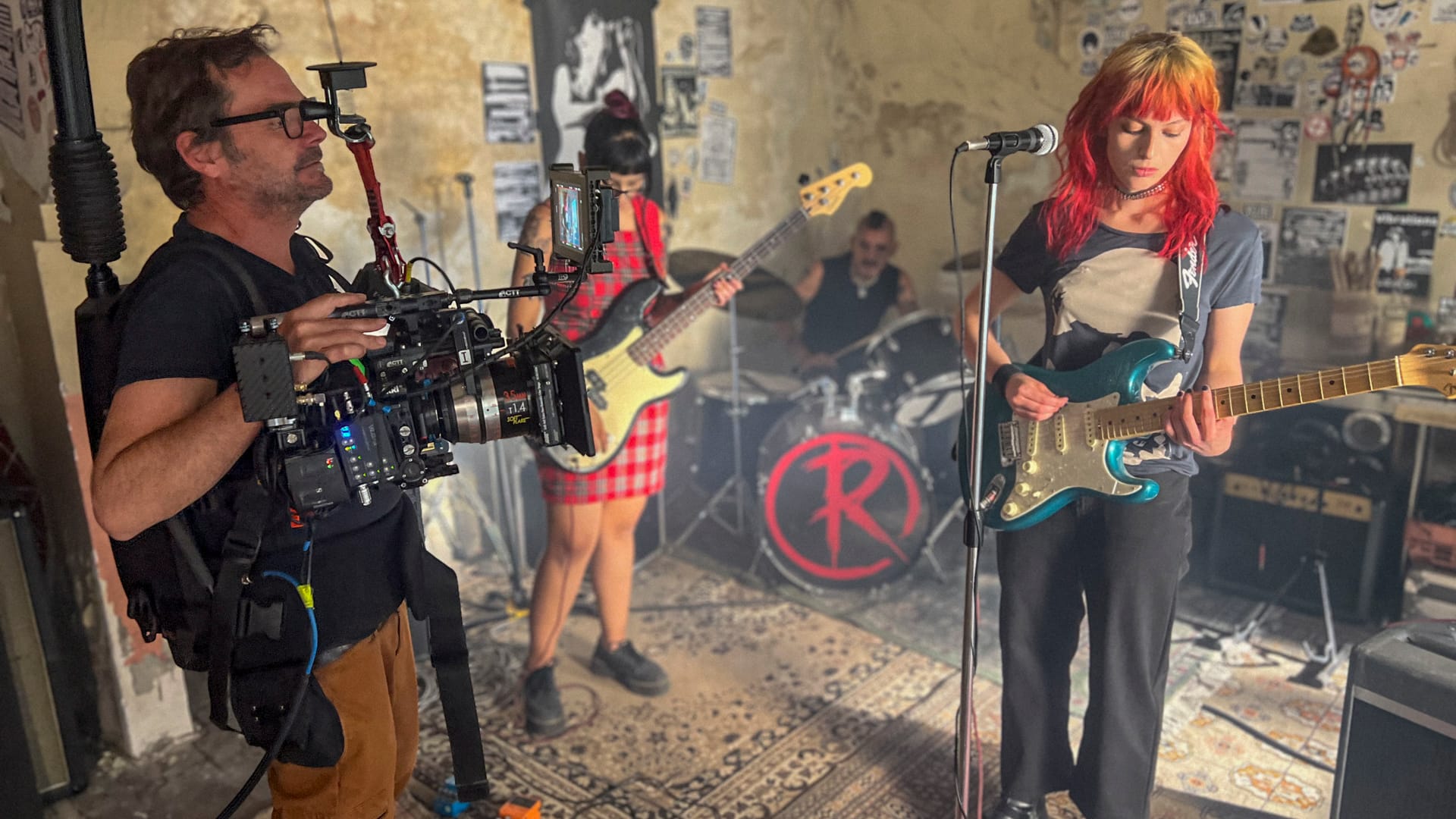
Absolutely — the concert scene where Eva, the film’s main female character, tears into the original song Smash the Patriarchy, cut against a student protest spiraling into violence. The band’s raw energy, the crowd’s roar, and the streets erupting in the same beat create a surge you can feel in your chest.
"That collision of music and revolt is my fingerprint: direct, unapologetic, and wired to shake the frame."
It’s the kind of sequence where image and sound don’t just tell the story — they hit it head-on, leaving no room for indifference.
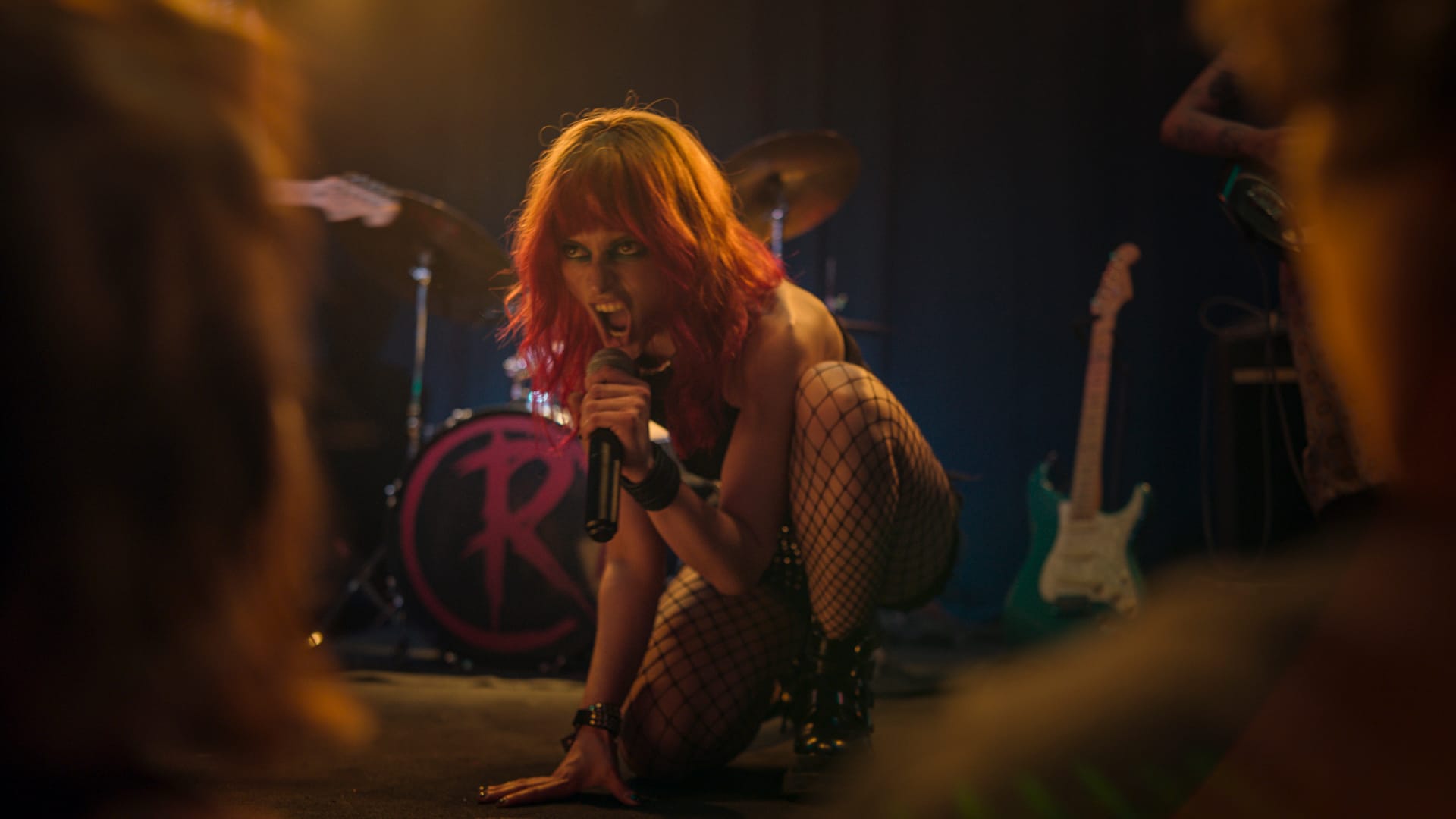
What was the hardest creative decision you made while making this film?
The hardest choice was refusing to soften the story. From the beginning, I knew Violent Butterflies had to keep its teeth — to show the violence, rage, and resistance without compromise. That meant embracing raw performances, unpolished textures, and moments that some might consider “too much.” It was a gamble: keeping the film as fierce and confrontational as the world it portrays, even if it meant making certain audiences uncomfortable. But for me, pulling any punches would have been a betrayal of the characters, their fight, and the truth we were trying to capture.
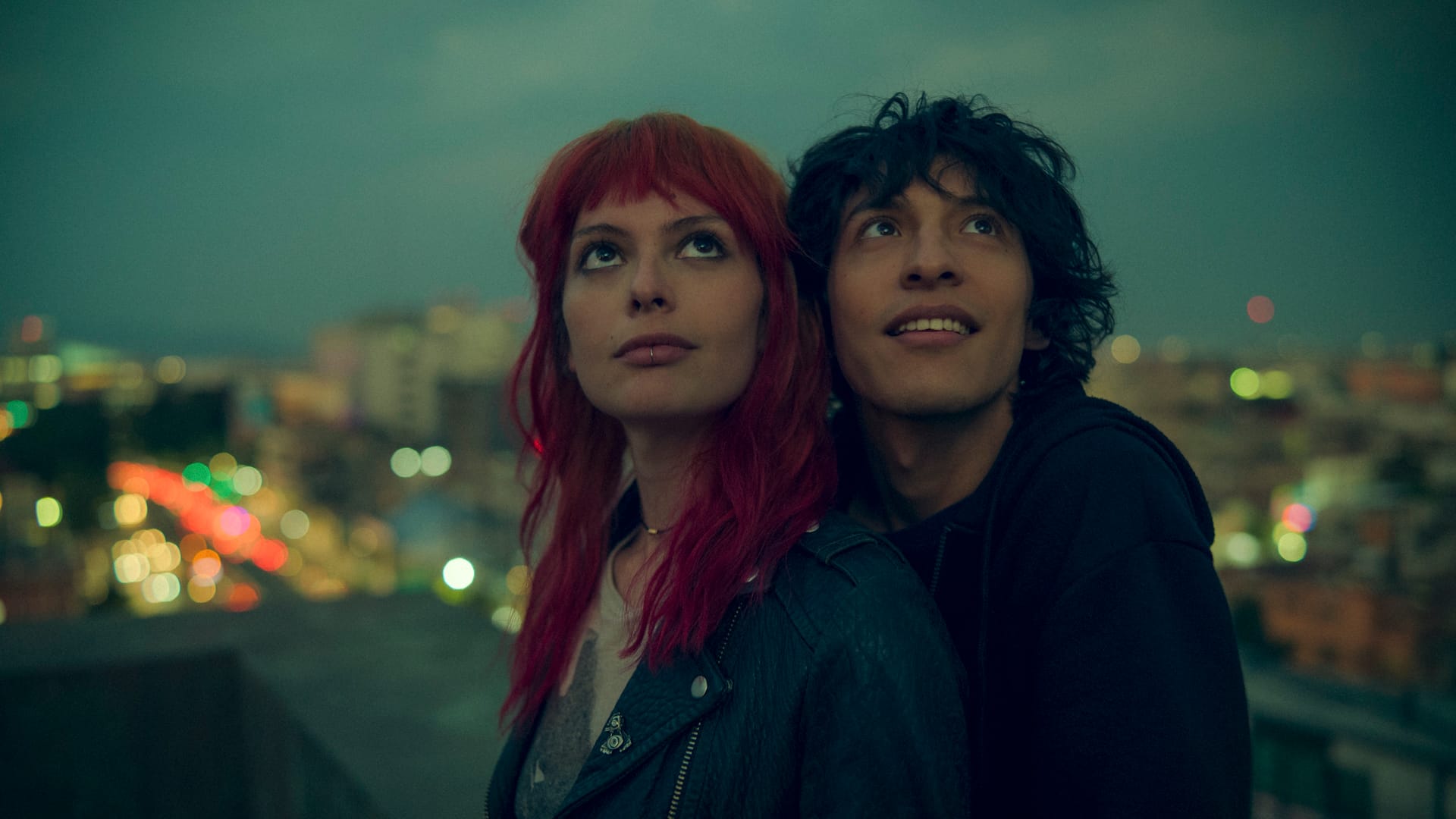
What do you hope audiences take away from your film?
I want audiences to reflect on the importance of justice — on what it means when a society fails to protect its people and how that shapes an entire generation. Violent Butterflies is also about the role of art as protest: how music, poetry, graffiti, and youthful expression can become weapons to confront power, reclaim space, and demand change. If the film leaves viewers questioning complacency and recognizing the strength of young voices in the fight for dignity, then it has done its job.
How has this film shaped or shifted the kind of stories you want to tell next?
Violent Butterflies was born from a deep need to speak about rebellion and injustice, to confront the social wounds that keep repeating in my country. While this fight is essential, most of my work is rooted in different territories — stories that explore mysticism, Mexican identity, and the weight of our cultural heritage in a postcolonial world. This film reminded me that my voice can move between the political and the poetic, and that both can coexist. Going forward, I want to keep building bridges between the rage of resistance and the spiritual depth of where I come from.
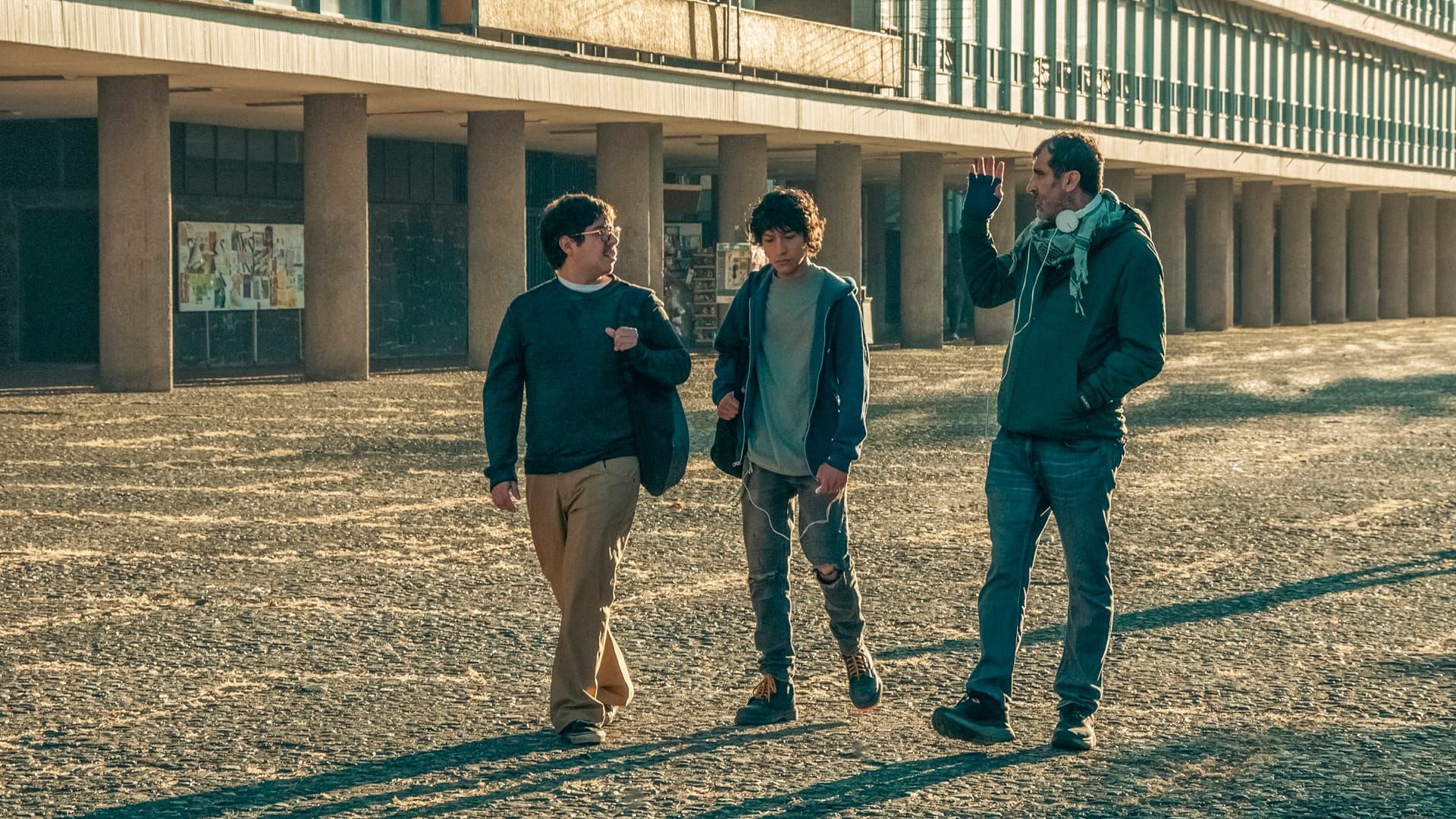
What’s a tool, technique, or resource that really helped you during production?
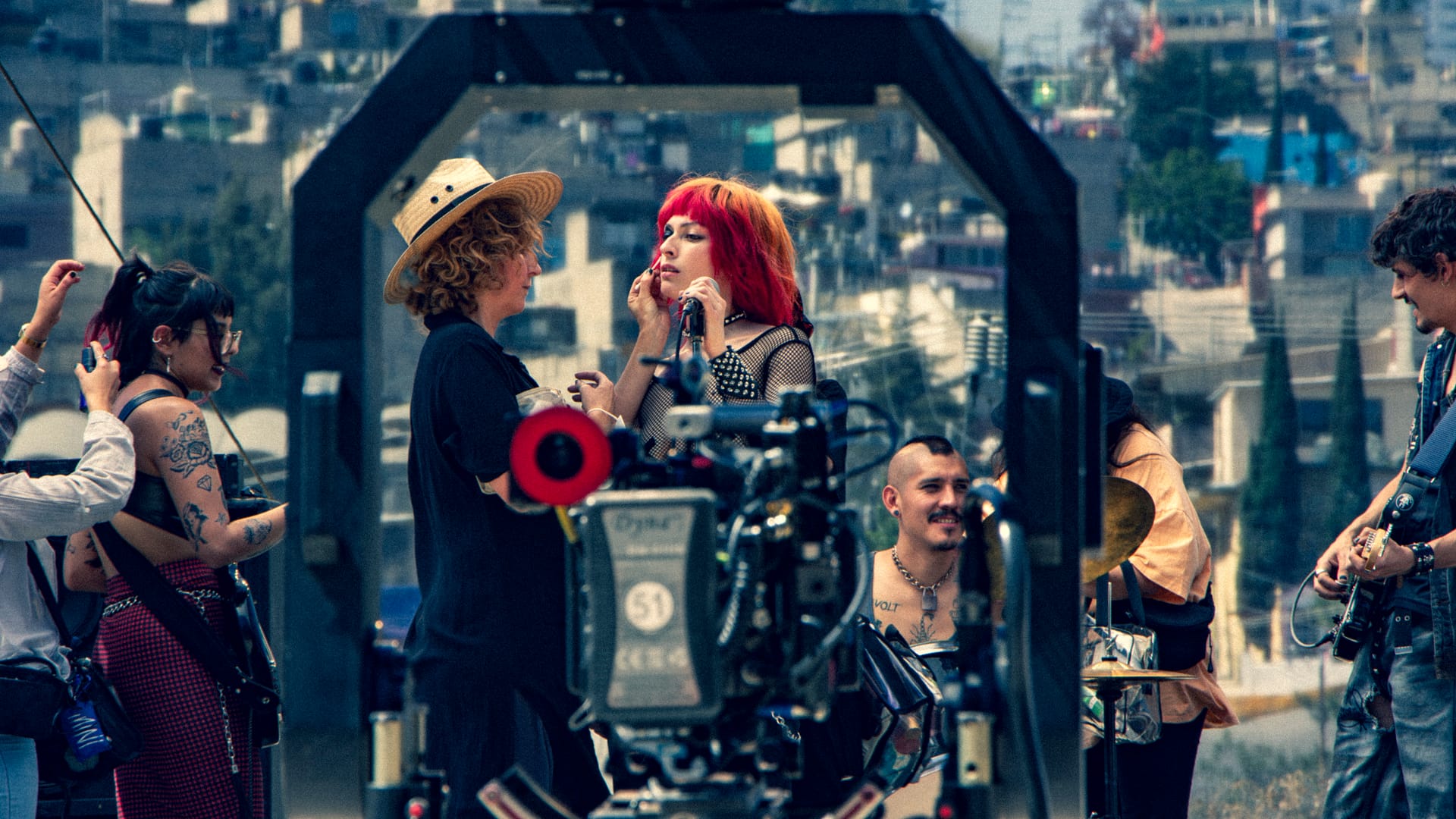
The script was the foundation — every decision, every image, started there. Writing and refining it gave the film its spine, and the planning that followed gave it muscle. During preproduction, we created a storyboard with hundreds of frames that became our shared map on set. It kept the entire crew in sync on rhythm, tone, and intention, allowing us to navigate the chaos of shooting with clarity. That combination — a strong script and a precise visual plan — was what kept the production moving forward with purpose from the first shot to the last.
Independent filmmakers often rewrite the rules out of necessity. What do you think is the greatest strength of independent filmmaking, and how did you lean into that on this project?
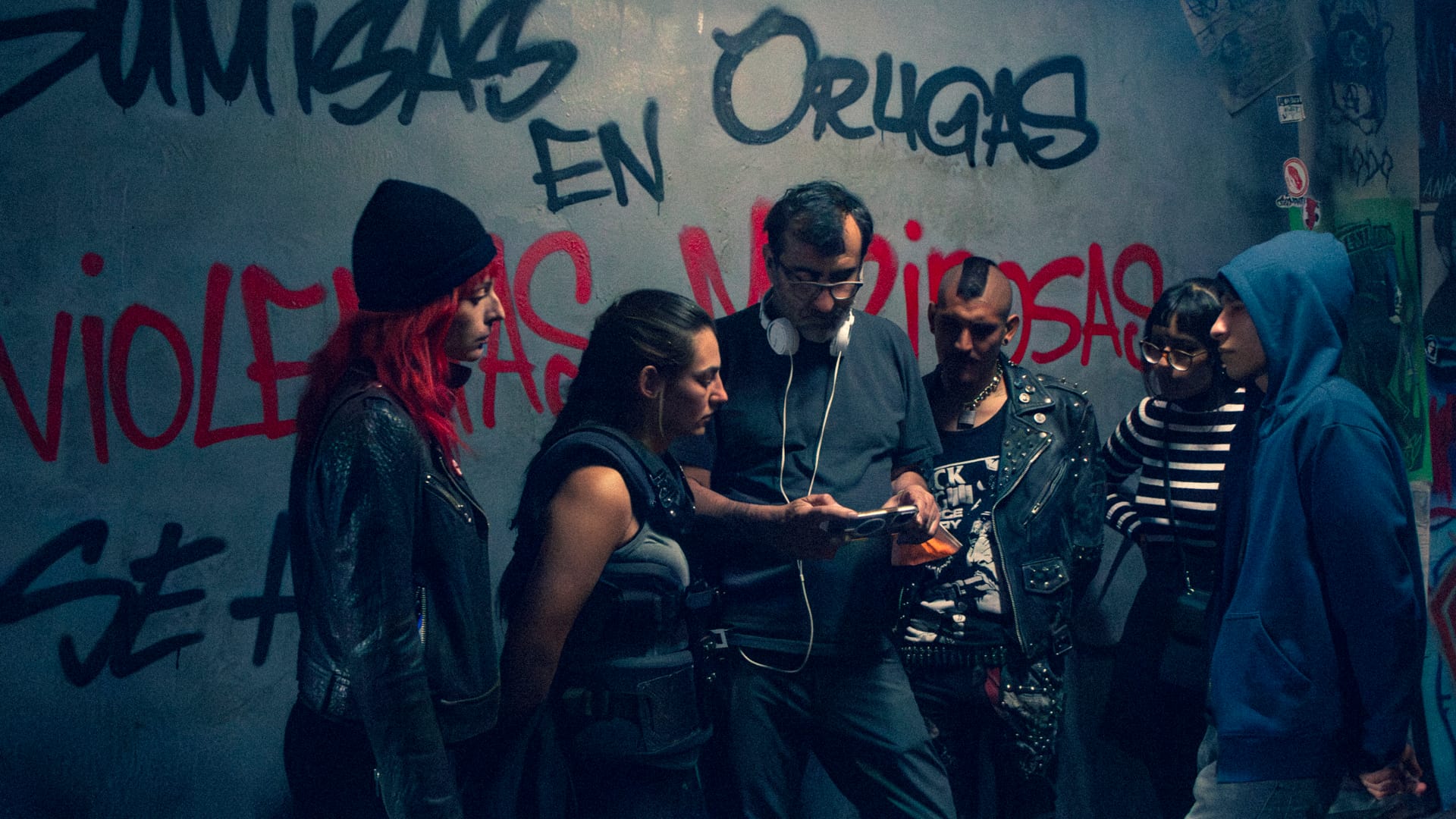
The greatest strength of independent filmmaking is absolute creative freedom — the ability to shape a story without having to dilute its vision to fit market formulas. On Violent Butterflies, that meant embracing risks: keeping the narrative raw, the performances unfiltered, and the visual style uncompromising. We leaned into our limitations, turning them into creative fuel rather than obstacles.
"Don’t wait for permission. Build your own map, trust your collaborators, and let the film grow from the truth you want to tell."
In independent cinema, constraints can become your sharpest tools — if you dare to use them that way.
What does it mean to you to have your film selected for Nòt Film Fest?
Nòt Film Fest carries a spirit that is young, independent, and unapologetically rebellious. I’m drawn to that energy because I want to connect with younger audiences — to inspire them, to ignite them, to share the fire that drives my work. Violent Butterflies was made to burn bright, and I believe Nòt Film Fest is the perfect space for it to do so in all its intensity.
How do you hope being part of Nòt Film Fest will shape the life of this film?
I want Nòt Film Fest to be a door flung wide open for Violent Butterflies — a space where its fire can meet open hearts and fearless minds. Bringing it to Europe, and especially to Italy, is more than a screening; it’s an act of crossing borders with a story about justice, rebellion, and the voices of youth refusing to fade. If it can ignite consciences here, if it can run wild in the minds of those who see it, then the film’s rebellion will have found another home.
Where do you see this film going next?
After Nòt Film Fest, Violent Butterflies will screen at FICDEH — the International Film Festival for Human Rights in Colombia — and at the Kanazawa Film Festival in Japan, with dozens of other festival submissions still pending. My priority is for its journey to keep it on the big screen, so audiences can experience it in its original cinematic format. This is a film made with high production values and a story that demands to be seen in a theater, where its images, sound, and emotions can truly breathe.
"At the core of all my work is a desire to make cinema rebellious again... — to use the screen as a place where stories challenge power, ignite thought, and carry the pulse of those who refuse to be silenced."
Cast & Crew
- Adolfo Dávila — Writer, Director
- Diana Laura Di — Actor
- Alejandro Porter — Actor
- German Bracco — Actor
- Fernanda Nibau — Actor
- Norma Pablo — Actor
- Production Company: Neural