Table of Contents
Some stories refuse to let go of the person who hears them. For Paige Morrow Kimball — an NYU Tisch alum, DGA and SAG-AFTRA member, and a filmmaker who has moved between documentary, scripted work for HBO's Sesame Street, and Olympic storytelling — the true story behind Wait was one of those. It stayed with her for years until she finally made it, a departure from the uplifting, lighter work she usually gravitates toward.
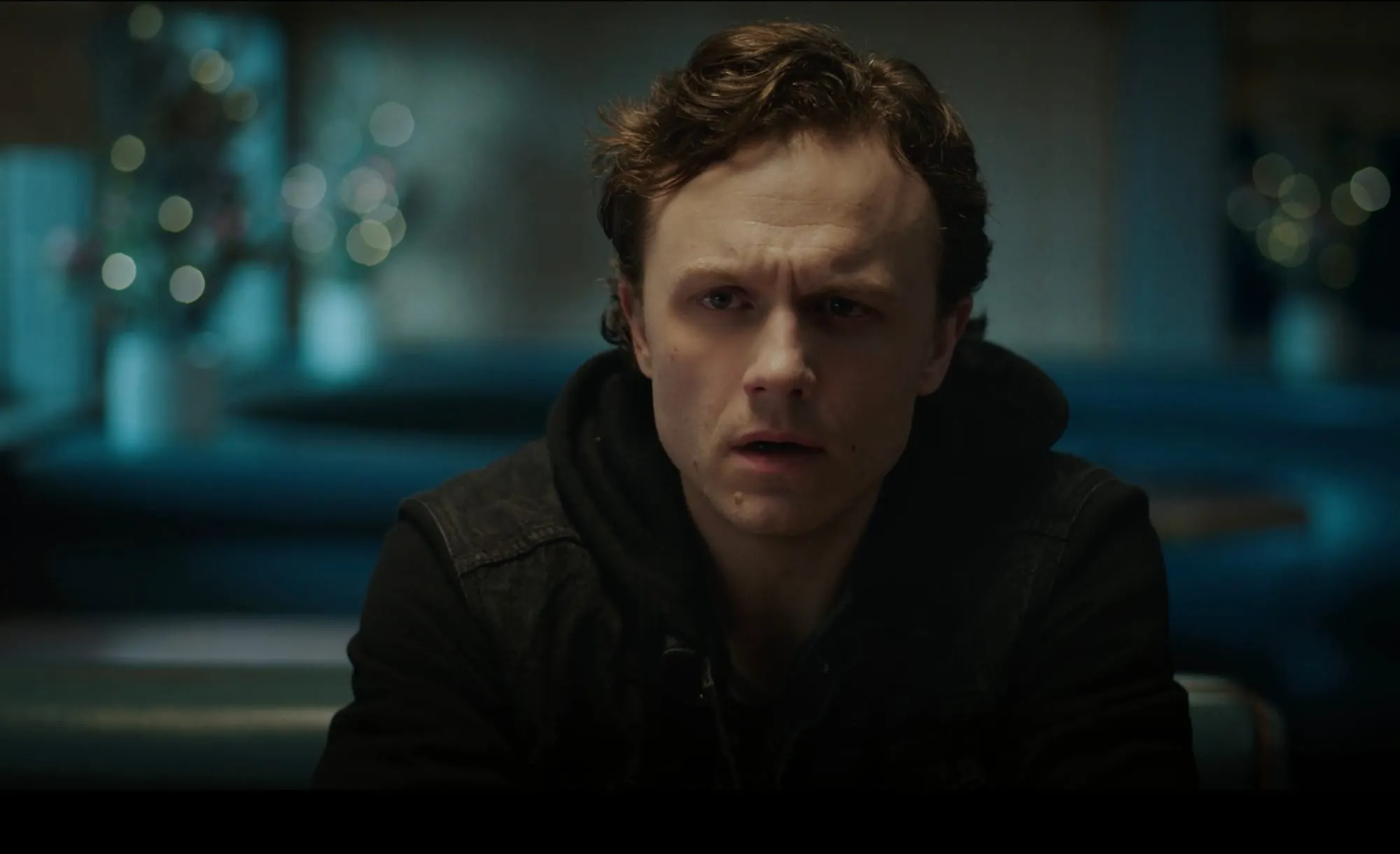
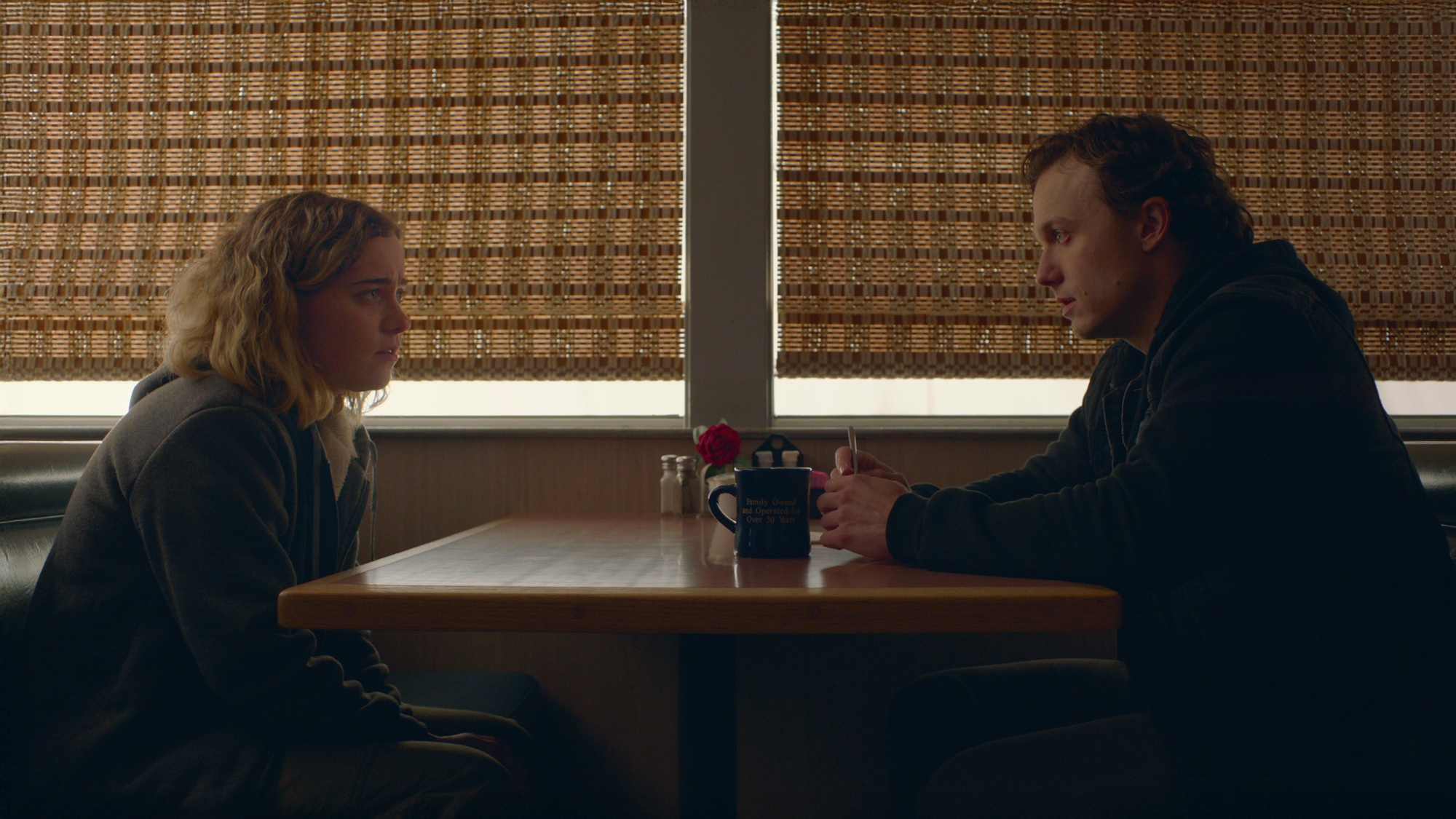
Wait follows Evie, 23, who agrees to meet Matt, the old friend who sexually assaulted her in high school, for an apology seven years in the making. Bubbling just beneath the surface is Evie's 16-year-old self, who says the things adult Evie is too afraid to say. Having its Los Angeles premiere at HollyShorts, the film is less about the assault than about what comes after: shame, silence, and the fragile possibility of speaking a truth that might set someone free.
Key Takeaways
- A story of sexual assault told through the lens of healing and accountability, not just trauma or justice.
- Budget limitations shaped a restrained, still visual language that mirrors Evie's emotional stasis.
- This fall, the film launches the WAIT Impact Screening Tour, bringing the film to campuses and organizations nationwide.
Kimball spoke about following what moves her, working within tight constraints, and why practicing consent behind the camera mattered as much as portraying it on screen.
Interview
What drew you to make this film, and why this story, why now?
I made this film because I couldn't let the story go. When I first heard the true story that Wait is based on, something in me locked in. It stayed with me for years. Some stories insist on being told — this was one of them. I had two teenage daughters. I thought about the world they are moving through, and the culture we've normalized around consent. I felt a real pull to create something that could contribute, even in a small way, to shifting that culture.
Wait is a departure for me. I'm usually drawn to stories that are uplifting and light, but as an artist, I've learned to follow what moves me. I rewrote the script a hundred times, to make sure that the dialogue was supportive of victims, and that the male character was fully drawn, and not just a cardboard villain. At its core, Wait is about silence, shame, and what happens when those things stay buried. But it's also about hope and the possibility of healing.
What surprised you most about the filmmaking process, including any moment on set that changed how you saw the story?
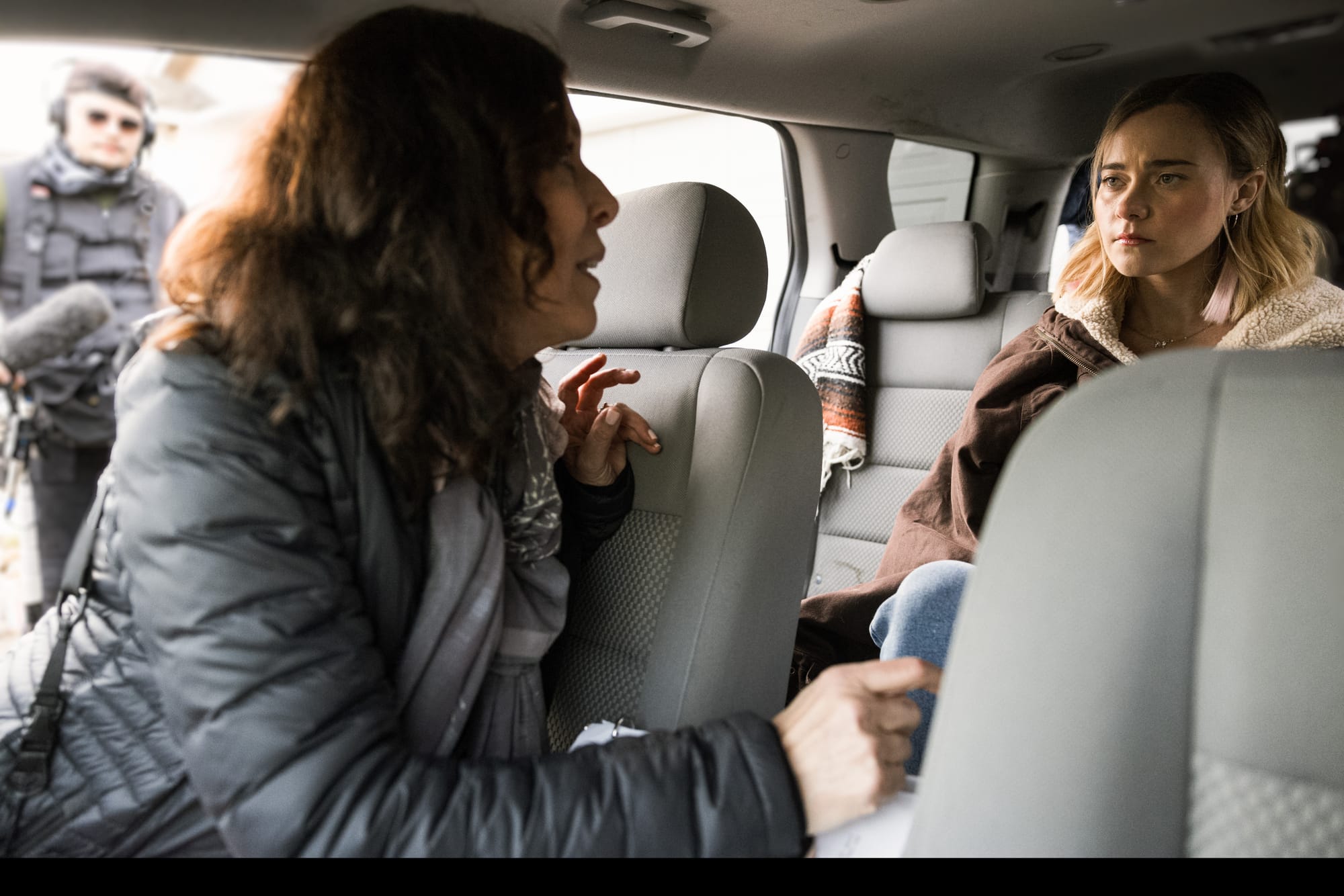
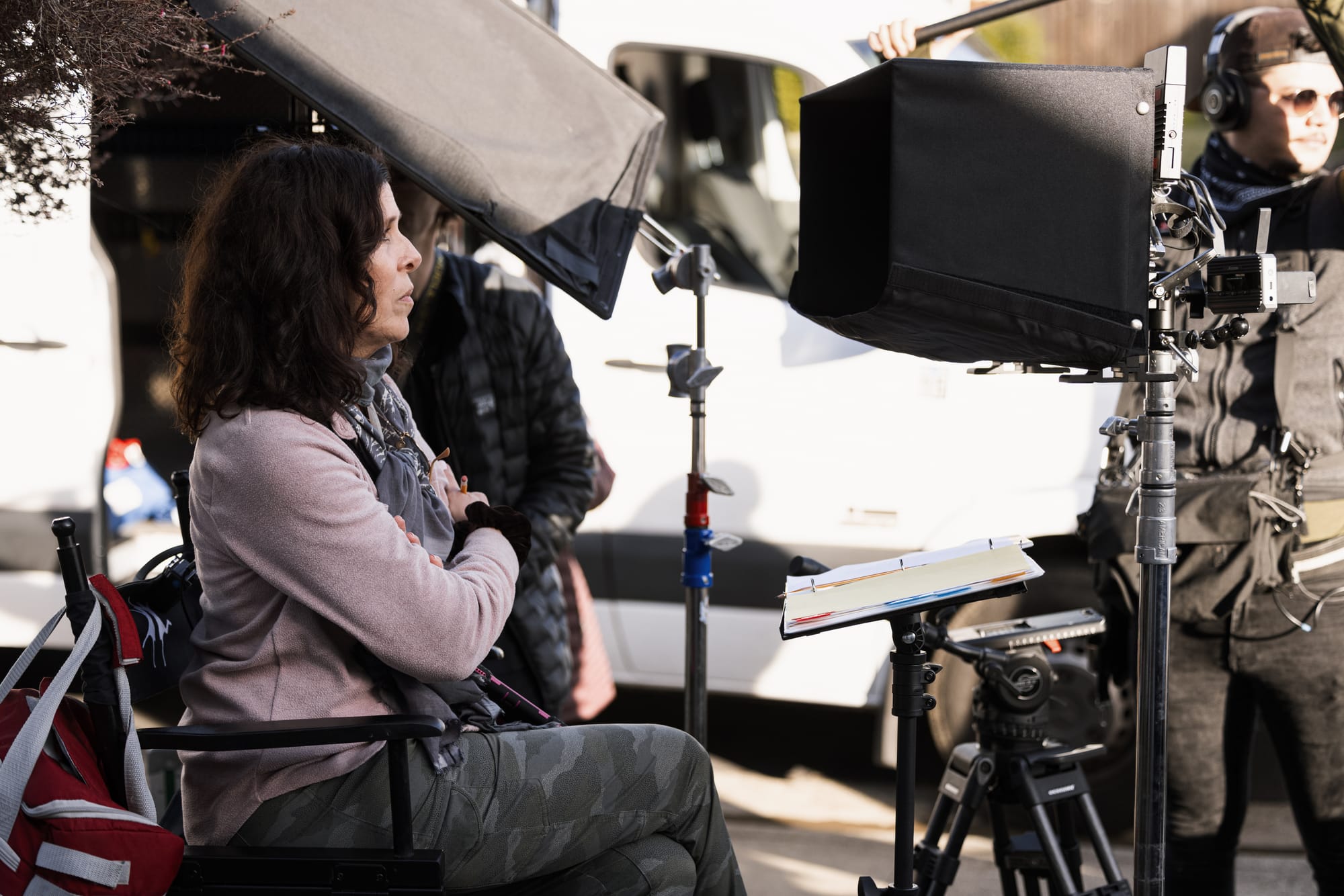
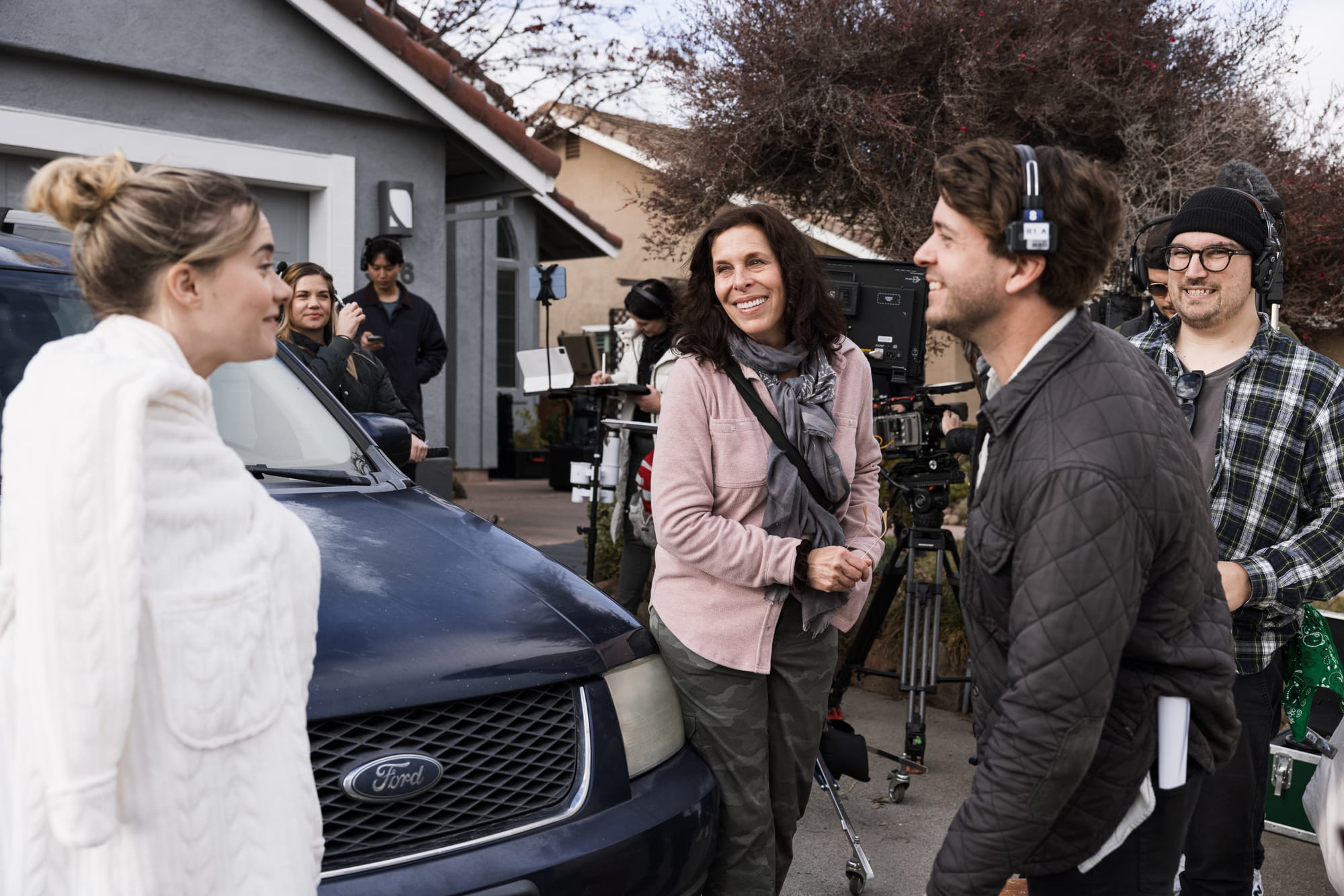
Making the film itself was a powerful experience. There was a sense of purpose on set that I've rarely felt — a kind of flow, camaraderie, and shared understanding that we were working on something bigger than ourselves. We shot 16 pages in two days, and somehow everything aligned, creating space for the performances, which were raw and grounded. Even the weather worked with us, giving us pounding rain for the first scene, and a few precious minutes of sunshine breaking through the clouds for the ending, creating production value we could never have bought.
What moment in the film feels most like you, or like something only you could have made?
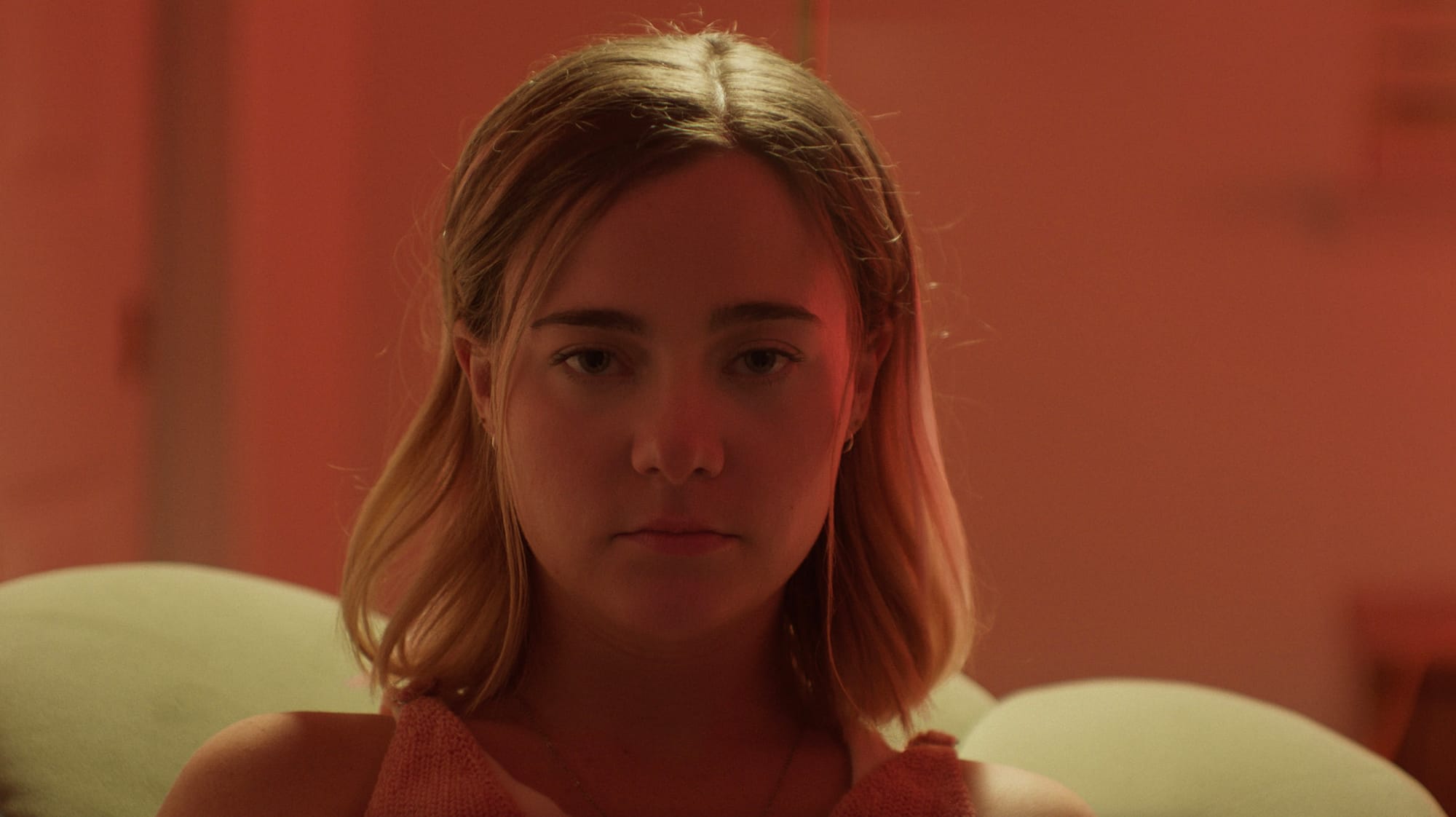
The moment in Wait that feels most like me is the assault scene. The camera slowly drifts past Matt and Evie on the bed before seamlessly finding Evie sitting across the room in a chair. She's left her body.
Dissociation is a common experience for survivors, and it was important to portray that truth visually. I wanted the shot to unfold as a single, uninterrupted take so the audience experiences that shift with her, rather than cutting away from it. It was equally important not to shy away from what was happening, while also avoiding gratuitous violence or sexuality. You understand what's taking place, but the focus stays on Evie's experience. We mostly hear her struggle rather than see explicit images, allowing the emotional reality of the moment to carry the scene.
What was the hardest creative decision you made while making the film?
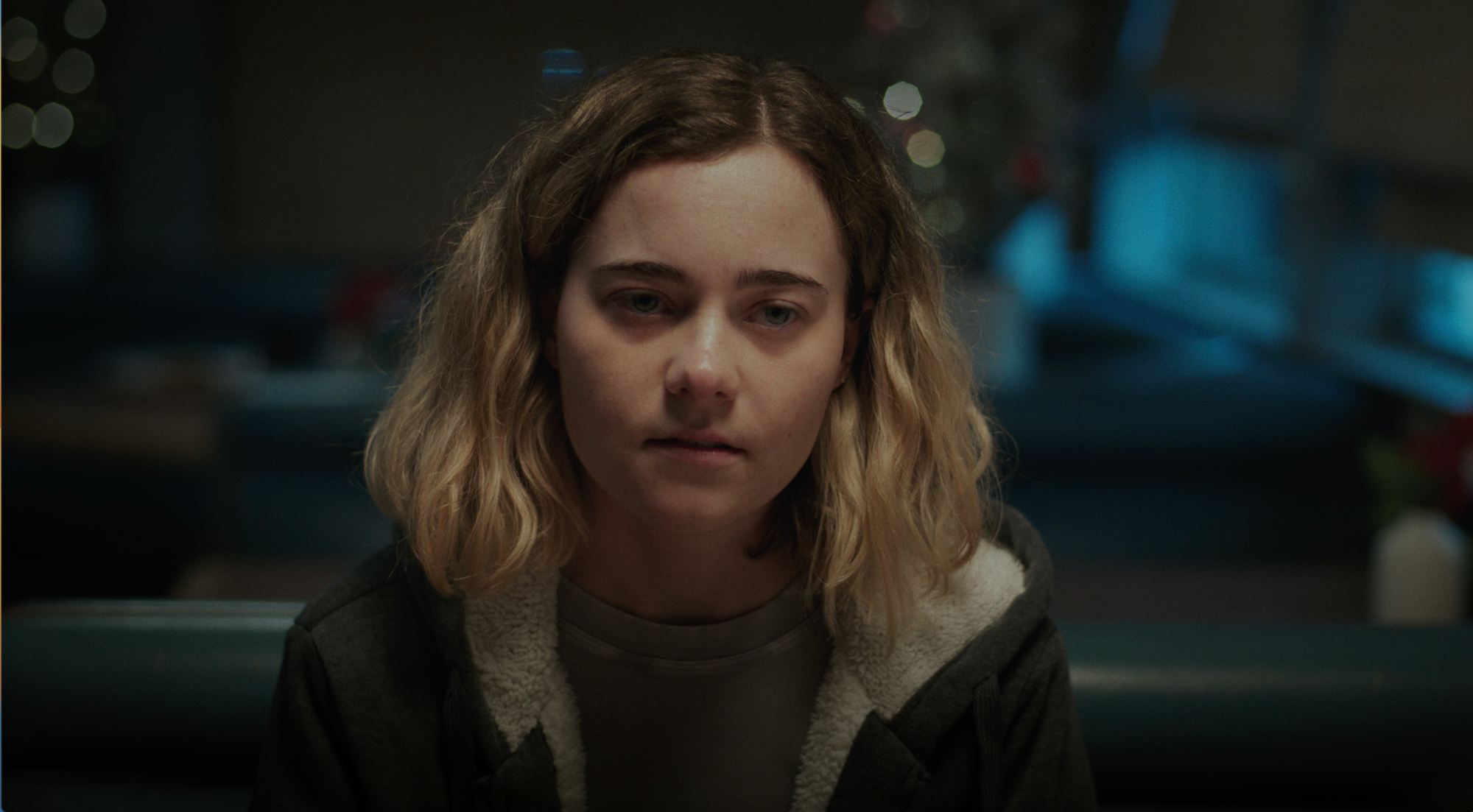
The hardest creative decision was how to work within an incredibly tight shooting schedule. We originally planned for three days, then two and a half, and eventually realized we simply didn't have the budget. We had to drop to two shooting days and make every decision based on what was absolutely essential.
With such sensitive subject matter, getting the performances right was everything. I wanted the actors to have the time and space to just be together, rather than feeling rushed or tense. That made rehearsal and preparation incredibly important. We went into production knowing exactly what we needed, and I'm proud to say we finished the film without a single pickup shot. Interestingly, those limitations ended up shaping the visual language of the film. We embraced a simpler, more restrained shooting style. The camera often remains still, reflecting Evie's emotional state — stuck in that room and unable to move forward. What began as a budget constraint ultimately became a creative choice that felt true to the story.
What tool, technique, resource, or collaborator helped most during production?
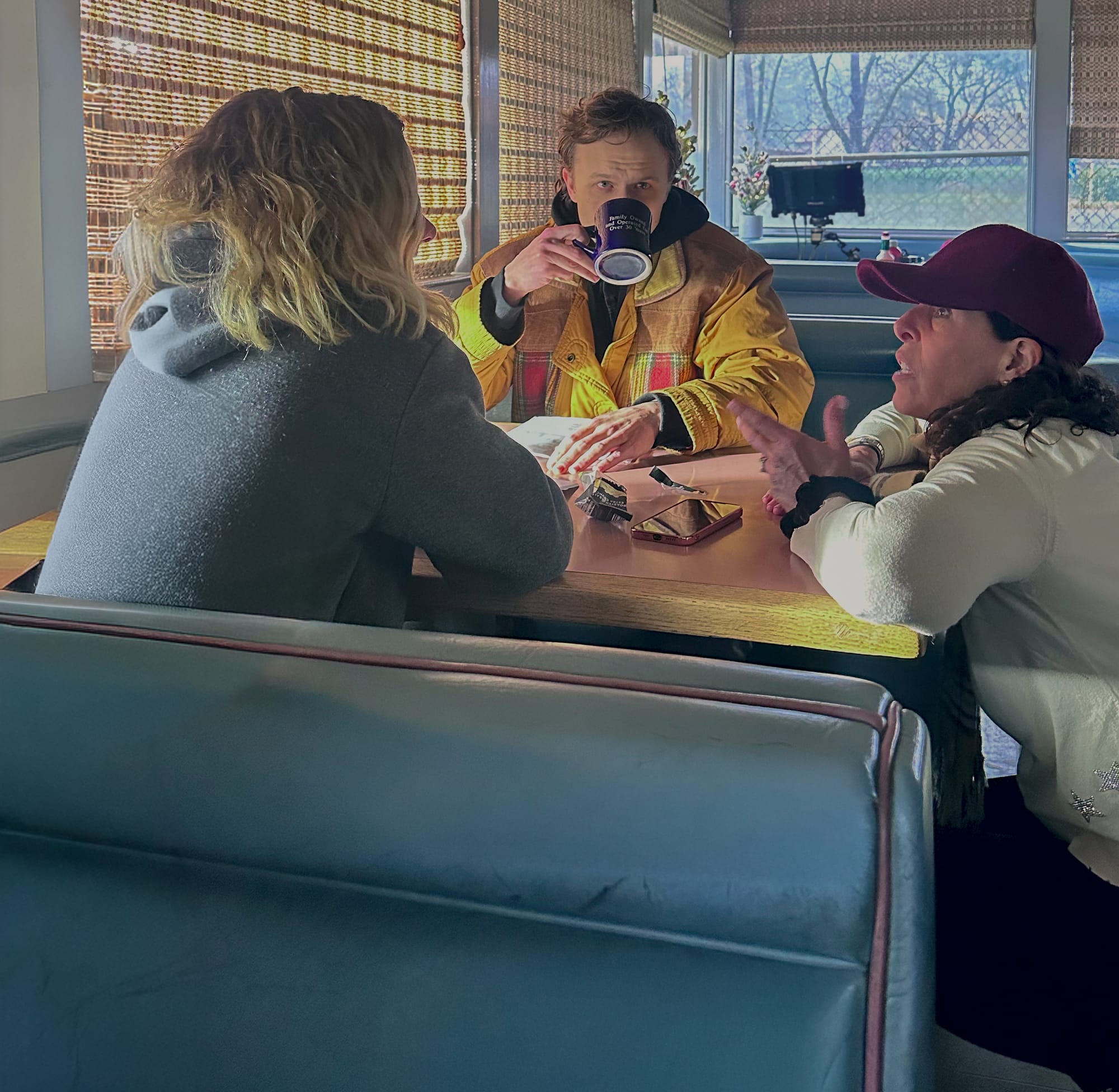
There were so many people and moments that made this film possible, but one of the most valuable learning experiences was working with our intimacy coordinator, Heather Ondersma. Watching Heather's process was eye-opening. Every moment involving intimacy was thoughtfully planned, discussed, and agreed upon well before we stepped onto the set. Nothing was left to chance.
What struck me most was how closely that process mirrored the central theme of Wait itself. This is a film about consent, and to see consent practiced so intentionally throughout the filmmaking process felt incredibly meaningful. It reinforced that creating a safe environment isn't just important for the actors — it's essential to telling the story honestly and respectfully. It's a process I'll absolutely carry with me on future productions.
What does it mean to have your film selected for HollyShorts, one of the world's premier short film festivals?
I'm beyond excited to have our Los Angeles premiere at HollyShorts! This is the second time I've had a film screen at the festival, and I'm absolutely thrilled to be back. Los Angeles is home, so having Wait premiere here feels especially meaningful. HollyShorts has built an incredible reputation by championing short films and curating some of the best work from filmmakers around the world. I've always believed there's something incredibly special about short films — they're bold, inventive, and emotionally powerful. I can't wait to spend the week watching as many shorts as I can. Bring on the popcorn!
Where do you see this film going next?
Our hope is that Wait has a long life beyond the festival circuit. This fall, we'll be launching the WAIT Impact Screening Tour, bringing the film to colleges, universities, organizations, and conferences across the country. We created Wait to be more than a film. We wanted it to serve as a catalyst for meaningful conversations about consent, accountability, healing, and prevention. Through storytelling and guided discussion, we hope to offer a modern, creative alternative to traditional educational programming — one that resonates emotionally and stays with people long after the credits roll. If Wait can inspire even one conversation that changes the way someone thinks about consent, then we've accomplished exactly what we set out to do.
Main Cast & Crew
- Directed by: Paige Morrow Kimball
- Written by: Jade Raybin, Paige Morrow Kimball
- Produced by: Fearon DeWeese, Paige Morrow Kimball
- Starring: Lexi Simonsen, Eian O'Brien
- Director of Photography: Trevor Hooper
- Production Designer: Bethanie Libby
- Edited by: Jill D'Agnenica, ACE, Paige Morrow Kimball
- Costume Designer: AJ Lashmett
- Music Composer: Catherine Joy
- Intimacy Coordinator: Heather Ondersma
Filmmaker Opportunities
💛 Fund your next project with fiscal sponsorship
Have a project in the works? As a 501(c)(3) nonprofit, the Cinematography for Actors Institute can accept tax-deductible donations on your film's behalf — a door-opener for grants, foundations, and supporters who want to back your work. We've serviced over 100 projects to date and helped route over $800,000 in funding to filmmakers. Explore fiscal sponsorship →
📬 Grant deadlines and festival opportunities, straight to your inbox
The CFA newsletter rounds up grants, festival calls, and community news for independent filmmakers — the kind of opportunities that are easy to miss and painful to miss. Join the newsletter →
🎬 Focus on the creative — we'll help with the logistics
Production Management, CFA's newest member program, launches this November: production insurance and workers' comp, payroll, film permits, gear rental coordination, SAG-AFTRA compliance, contract drafting, production consulting, and crew recommendations — handled by a team of working filmmakers, à la carte or all in, in partnership with Creative Access Group. It's waitlist-only until launch. Join the waitlist →
League of Filmmakers is published by our parent organization, the Cinematography for Actors Institute — a 501(c)(3) dedicated to education, community, and capital for underrepresented filmmakers and actors. Learn more about CFA →