Table of Contents
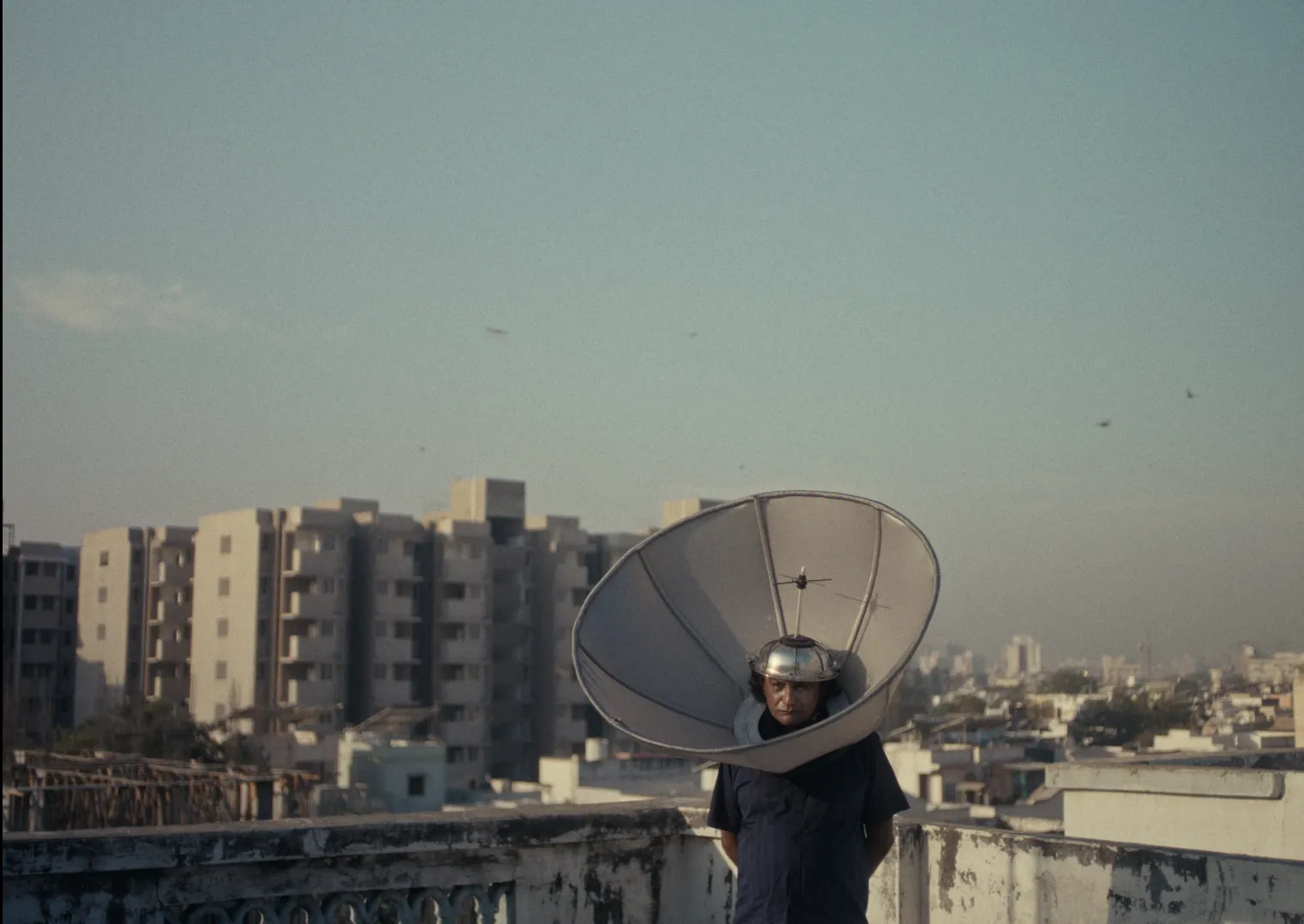
Pranav Bhasin's We Were Here begins with an image too good to leave alone: a man standing atop his building, dressed as a satellite dish, protesting technology taking human jobs. From that seed grows a mockumentary about three retired uncles in a sleepy old town who stage their resistance by pretending to be household appliances — a comedy that audiences keep telling him left them moved.
What makes the film land is the tension between its absurd surface and its aching center. Bhasin calls his emerging territory "lo-fi sci fi," and We Were Here wears that label well: spectacle built on real locations, human faces, and a documentary crew's eye. It is twisted and heartwarming at once, and it arrives in Los Angeles for the first time asking a quietly urgent question about what we lose when machines take over.
Key Takeaways
- A leap-of-faith production: much of the cast and crew assembled at the last minute, and the budget wasn't secured until filming wrapped.
- The ending was rewritten in the edit — built entirely from existing footage — to honor the film's true spirit.
- Shot on a small camera (Sony FX6) so the team could work loosely, like a documentary crew, and redesign on the go.
Bhasin spoke with us about intuition, spectacle, and the hope that audiences leave the theater and call their families.
Interview
What drew you to make this film, and why this story, why now?
It starts with a silly idea. I thought of a man standing on the top of his building dressed as a satellite dish, in protest against technology taking jobs.
What surprised you most about the filmmaking process, including a moment that changed how you saw the story?
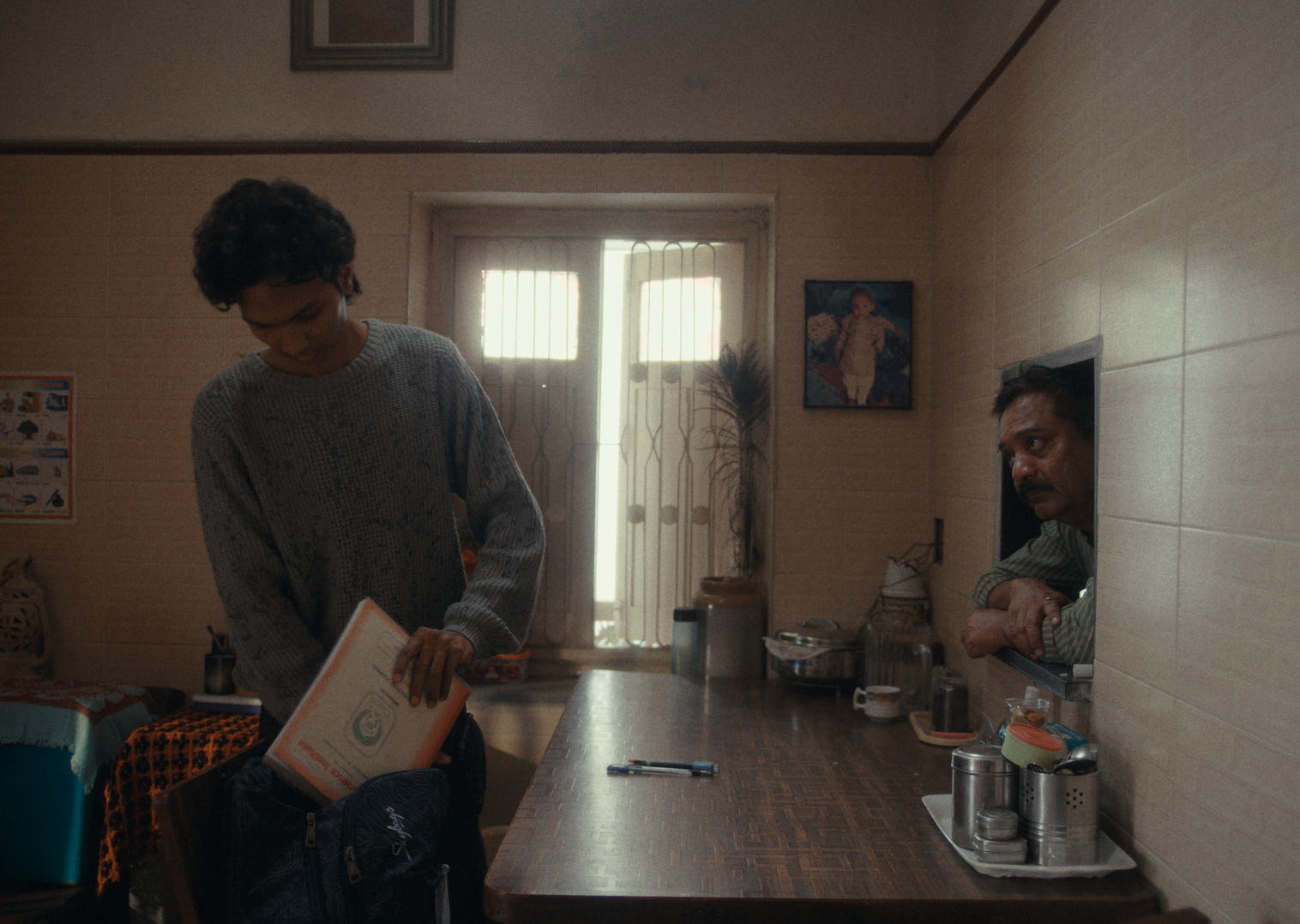
We actually changed the ending of the film in the edit. Despite my script suggesting an amicable conclusion to the fight, it felt important to acknowledge and extend the spirit of the film. My editor and I were able to make the revised ending work with existing footage.
What was the hardest creative decision you made while making the film?
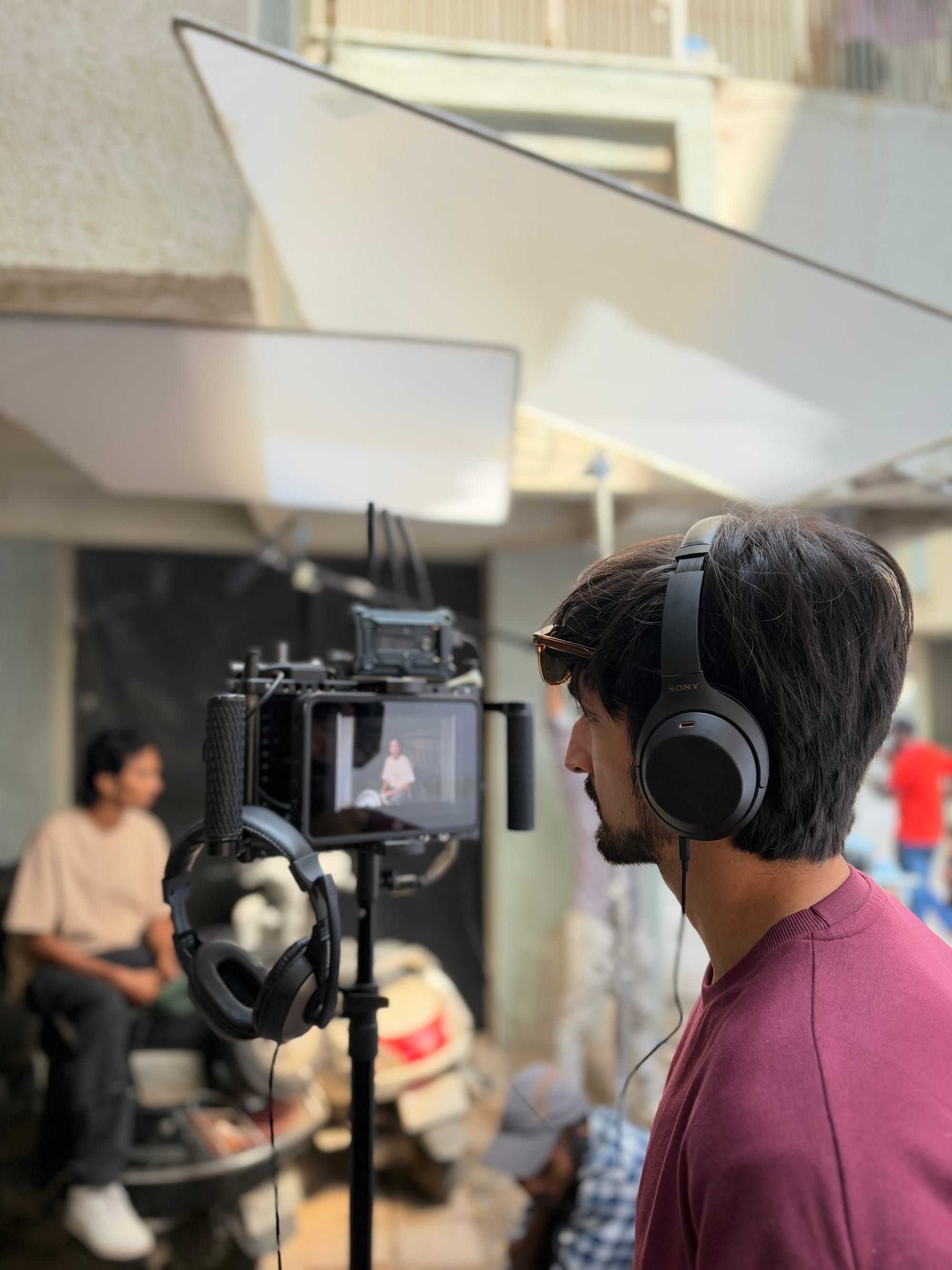
This production was a leap of faith. A majority of the crew and cast came together last minute, and the budget wasn't there until we finished filming. The script was always strong, and I remembered to remain intuitive and take risks throughout production.
What moment in the film feels most like you, or like something only you could have made?
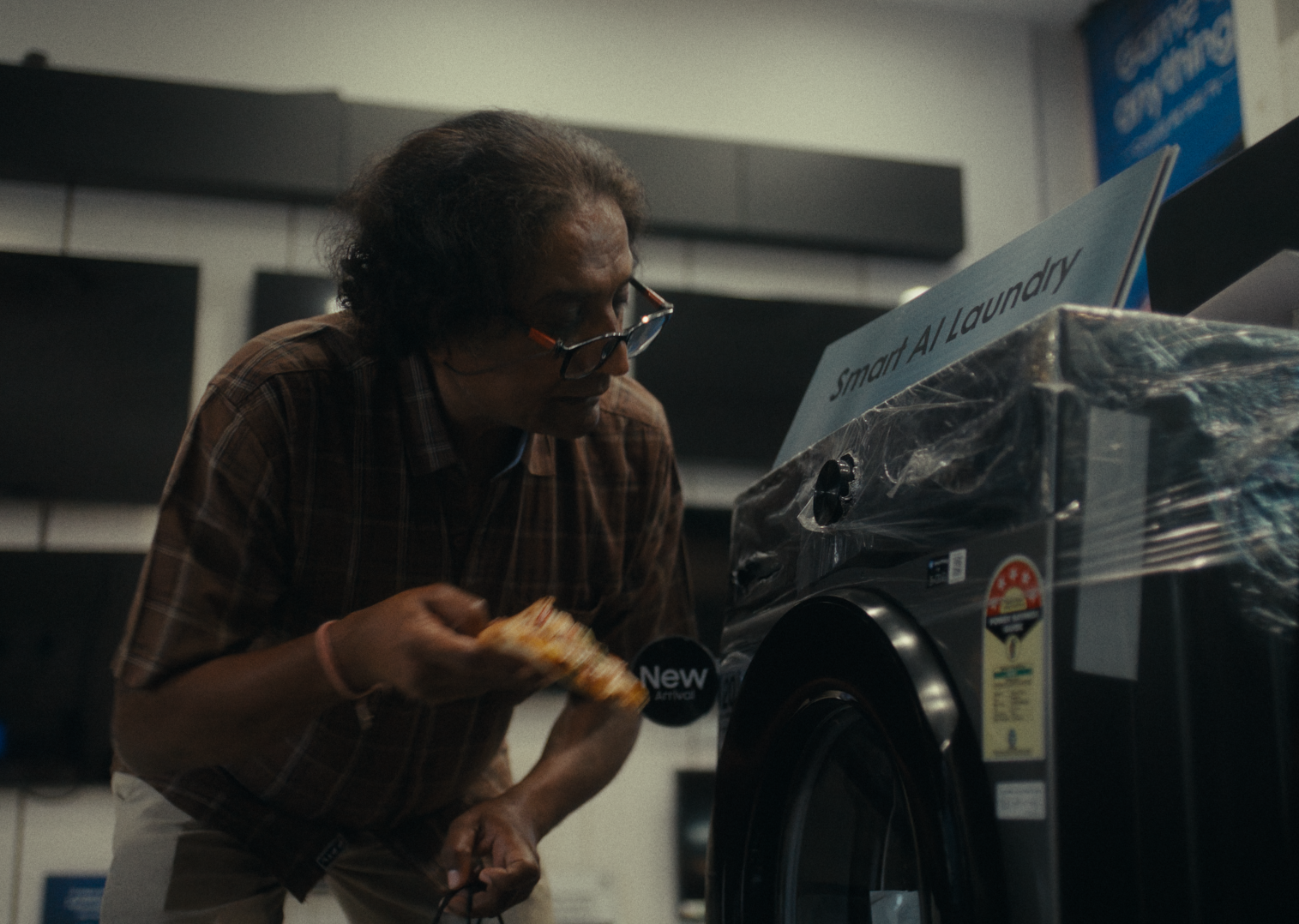
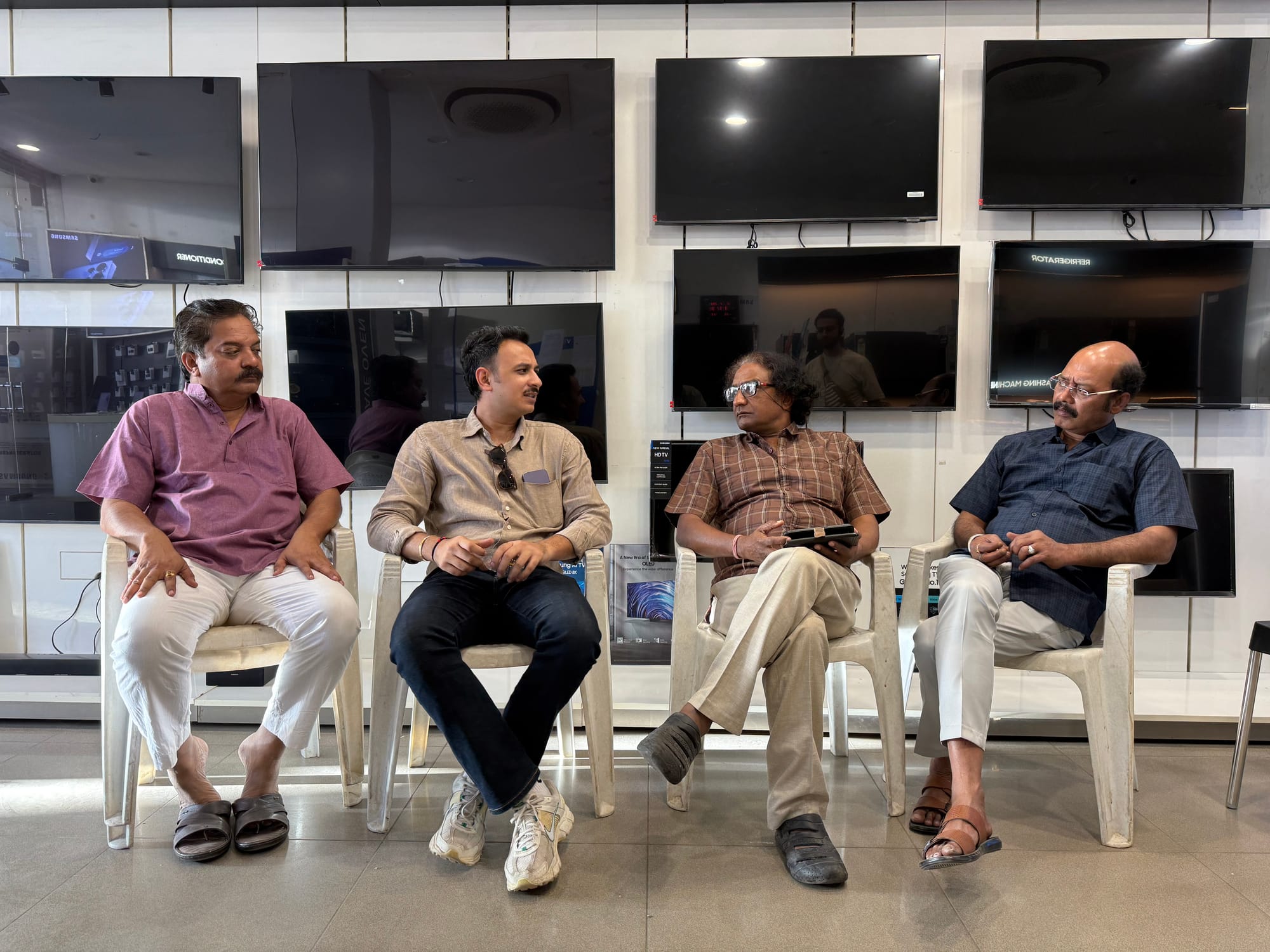
There's a moment where the "wife" ends up using the appliances on display at the electronics store. It's the thing I love most about movies with many characters — stories tying into each other. The idea had come up on set while we were scouting.
What tool, technique, or collaborator helped most during production?
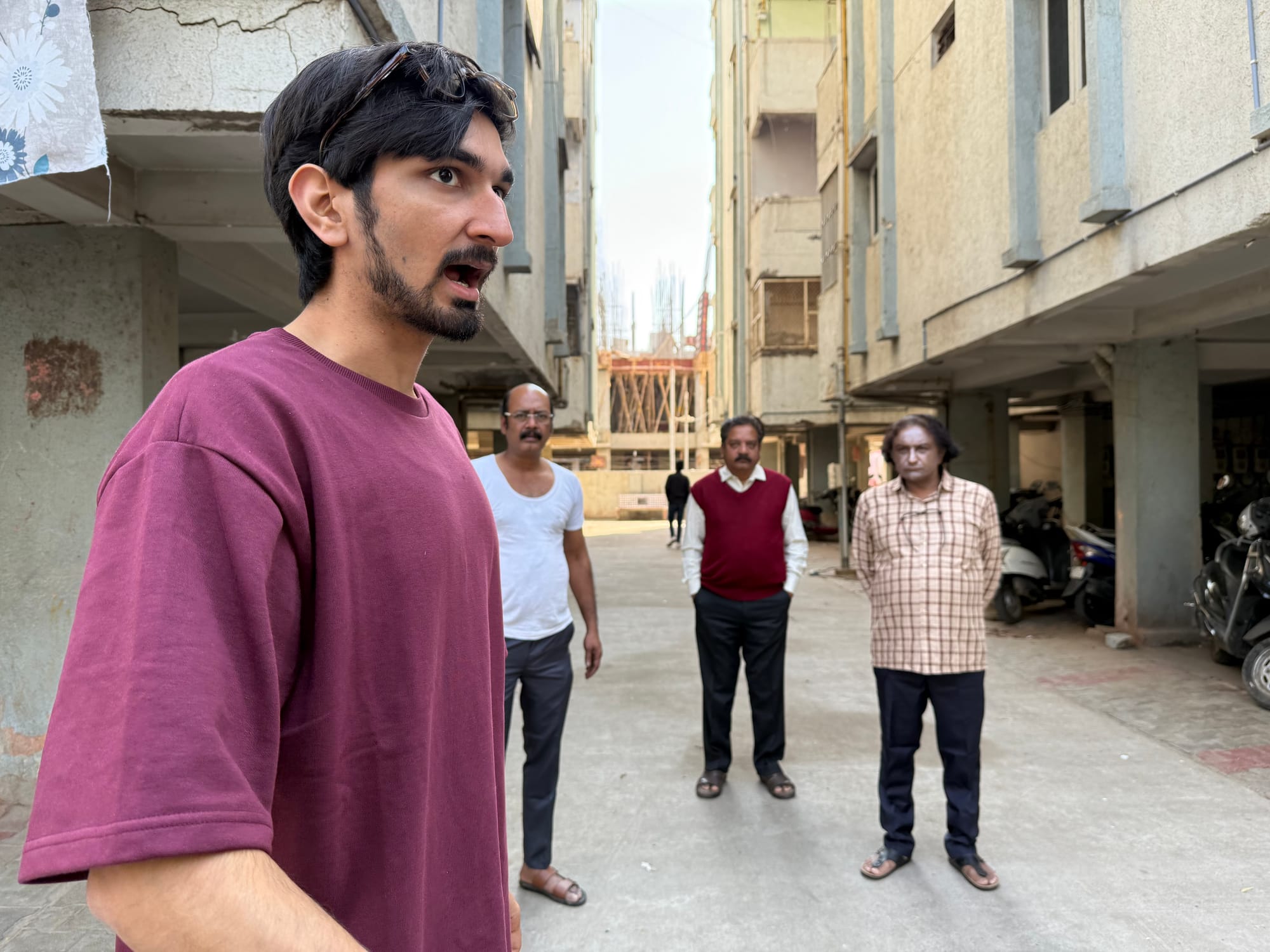
My producer, associate director, DP, production designer, casting director, editor and musician are invaluable and irreplaceable. Each one of them contributed deeply to this piece. We used a small camera, the Sony FX6, which enabled us to film like a documentary crew would. Being honest goes a long way. And flexibility is our biggest strength — we're on real locations and are able to redesign things on the go.
What do you hope audiences take away from this film?
I hope they call their family. I hope they love what they have more deeply. I hope they have words to explain why AI doesn't feel right.
What does it mean to have your film selected for HollyShorts, and where do you see it going next?
It's a dream for the film to play at the Chinese Theatre, and HollyShorts enabling that is a great example of the power of film festivals. This is the first time the film will play in LA, and I'm excited to see how people react. As for what's next, I've realized my interest in "lo-fi sci fi" as a genre, and how much I love spectacle movies. I like twisted, heartwarming stories, and I'll explore that. At the core of all my work is a desire to find light.
Main Cast & Crew
- Written & Directed by Pranav Bhasin
- Producer: Yash Gonsai
- Executive Producer: Andrew Scott
- Co-Producers: @devaiah.bopanna, @earlymanfilm, @rahul.bharti, @babullish, @vaibhav.bundhoo
- Cinematographer: Rajiv Malu
- Associate Director: @aestheticbaba
- Production Designer: @deardarkly
- Casting: @tpwcasting
- DA: @theflipsideboy
- Chief Assistant Director: Niel Modi
- Stylist: Niraali Shah
- Editor: @vpralay
- Music Composer: Yash Sahai
- Colorist: Yash Soni
- Sound: @utsxv_pvt26
- Post Producer: Jay Dantara
Filmmaker Opportunities
💛 Fund your next project with fiscal sponsorship
Have a project in the works? As a 501(c)(3) nonprofit, the Cinematography for Actors Institute can accept tax-deductible donations on your film's behalf — a door-opener for grants, foundations, and supporters who want to back your work. We've serviced over 100 projects to date and helped route over $800,000 in funding to filmmakers. Explore fiscal sponsorship →
📬 Grant deadlines and festival opportunities, straight to your inbox
The CFA newsletter rounds up grants, festival calls, and community news for independent filmmakers — the kind of opportunities that are easy to miss and painful to miss. Join the newsletter →
🎬 Focus on the creative — we'll help with the logistics
Production Management, CFA's newest member program, launches this November: production insurance and workers' comp, payroll, film permits, gear rental coordination, SAG-AFTRA compliance, contract drafting, production consulting, and crew recommendations — handled by a team of working filmmakers, à la carte or all in, in partnership with Creative Access Group. It's waitlist-only until launch. Join the waitlist →
League of Filmmakers is published by our parent organization, the Cinematography for Actors Institute — a 501(c)(3) dedicated to education, community, and capital for underrepresented filmmakers and actors. Learn more about CFA →