Table of Contents
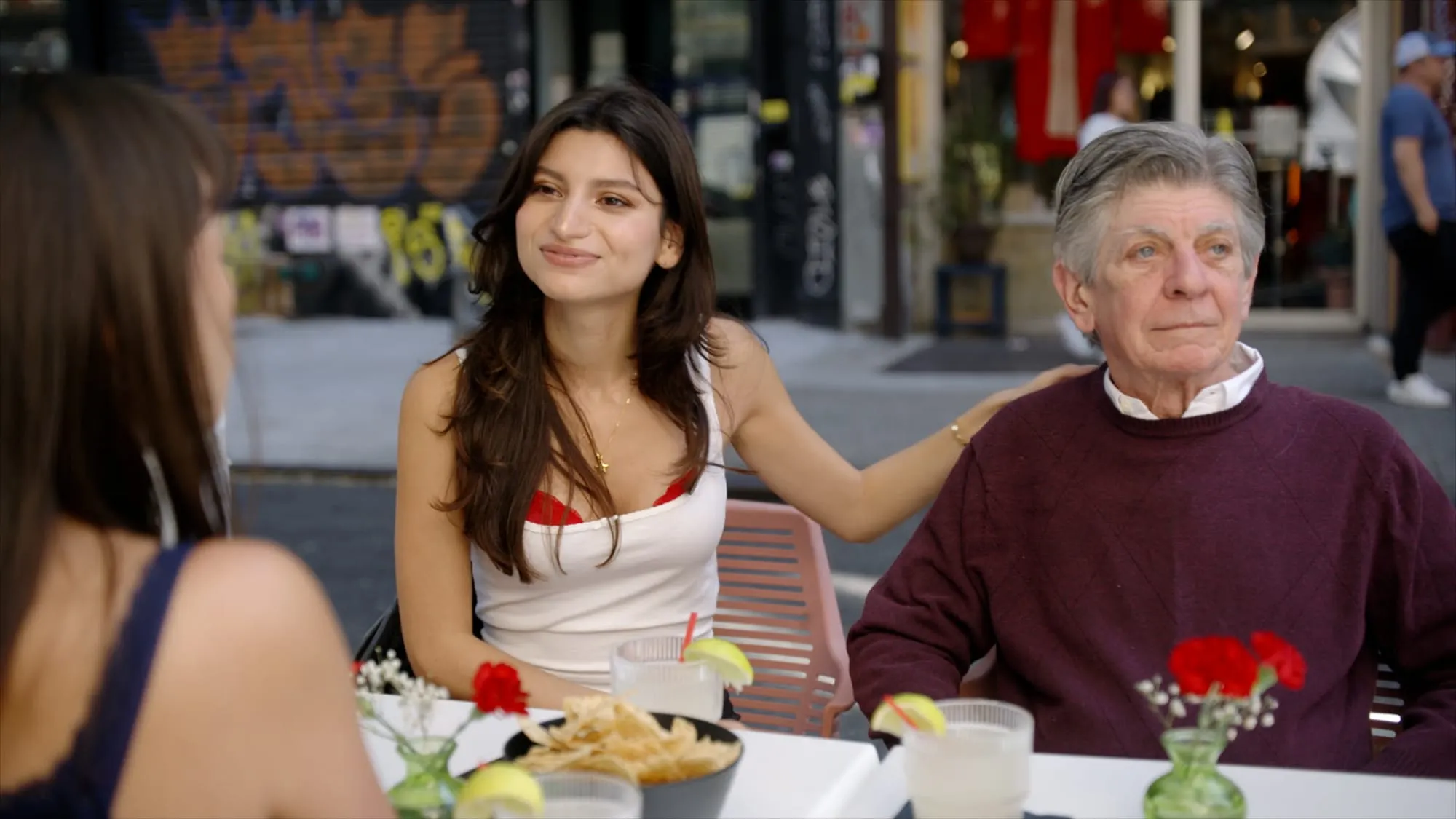
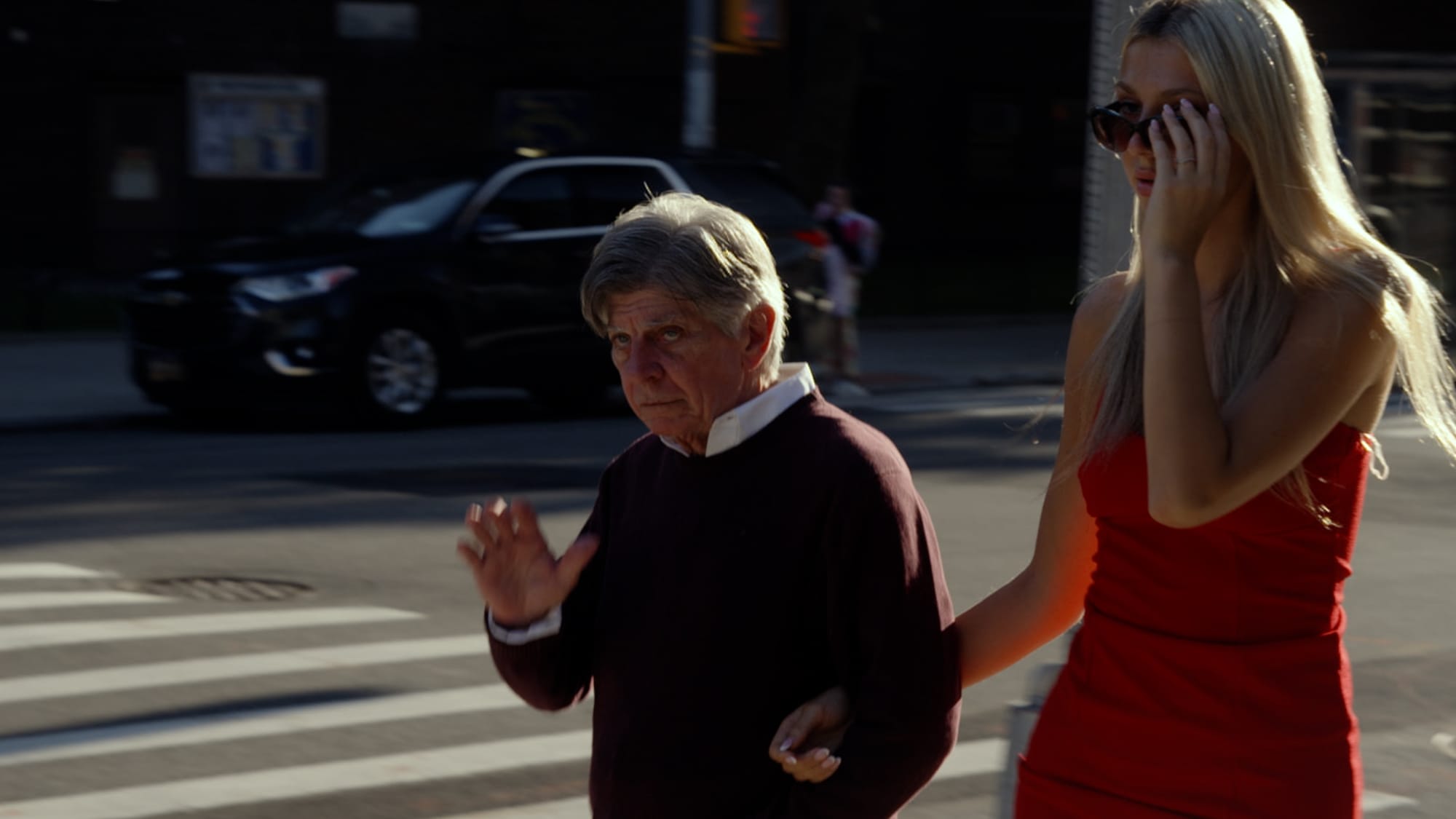
Chelsea Collazo Garcia wrote the series and plays Chelsea, "an insane version of myself navigating New York City." In Why Do You Hate Me?, an aimless young woman convinces herself modeling is her ticket to somebody-hood, then drags her best friend through a cycle of failed schemes. It is a dark comedy about identity, the city, and the pressure to have life figured out — a pressure Collazo Garcia treats with more curiosity than judgment.
The New York–based writer, director, and actress studied Film at Pace University, trained at The Lee Strasberg Theatre & Film Institute, and studied comedy at UCB. That mix — craft, performance, and improv instinct — shows in a series that lets its characters be messy, impulsive, and not always likable.
Key Takeaways
- A self-funded, short-form dark comedy built on "passion over payment" and collaborators who believed in the story.
- Chelsea, its lead, is a deliberately unlikable, anxious protagonist whose inner chaos collides with everyday New York reality.
- The film is chapter one of an ongoing web series, with three more episodes expanding Chelsea's world.
A conversation with Collazo Garcia about voice, chaos, and trusting her gut.
Interview
What drew you to make this film, and why this story, why now?
Why Do You Hate Me? is deeply personal to me. I wrote the series and play Chelsea, an insane version of myself navigating New York City. Through her chaotic search for success and validation, I wanted to explore the pressure to have life figured out that so many young people experience, using comedy and absurd situations to tell an honest and relatable story.
What surprised you most about the filmmaking process, creatively or logistically?
What surprised me most was how much the characters came alive through the actors. The script can only account for so much; it's their mannerisms, reactions, and little nuances that were things I couldn't have imagined.
Seeing them understand their characters and bring their own choices to the roles changed how I saw the story. I also learned to always plan for extra time, because those unexpected moments are often the best ones.
What moment in the film feels most like you, or like something only you could have made?
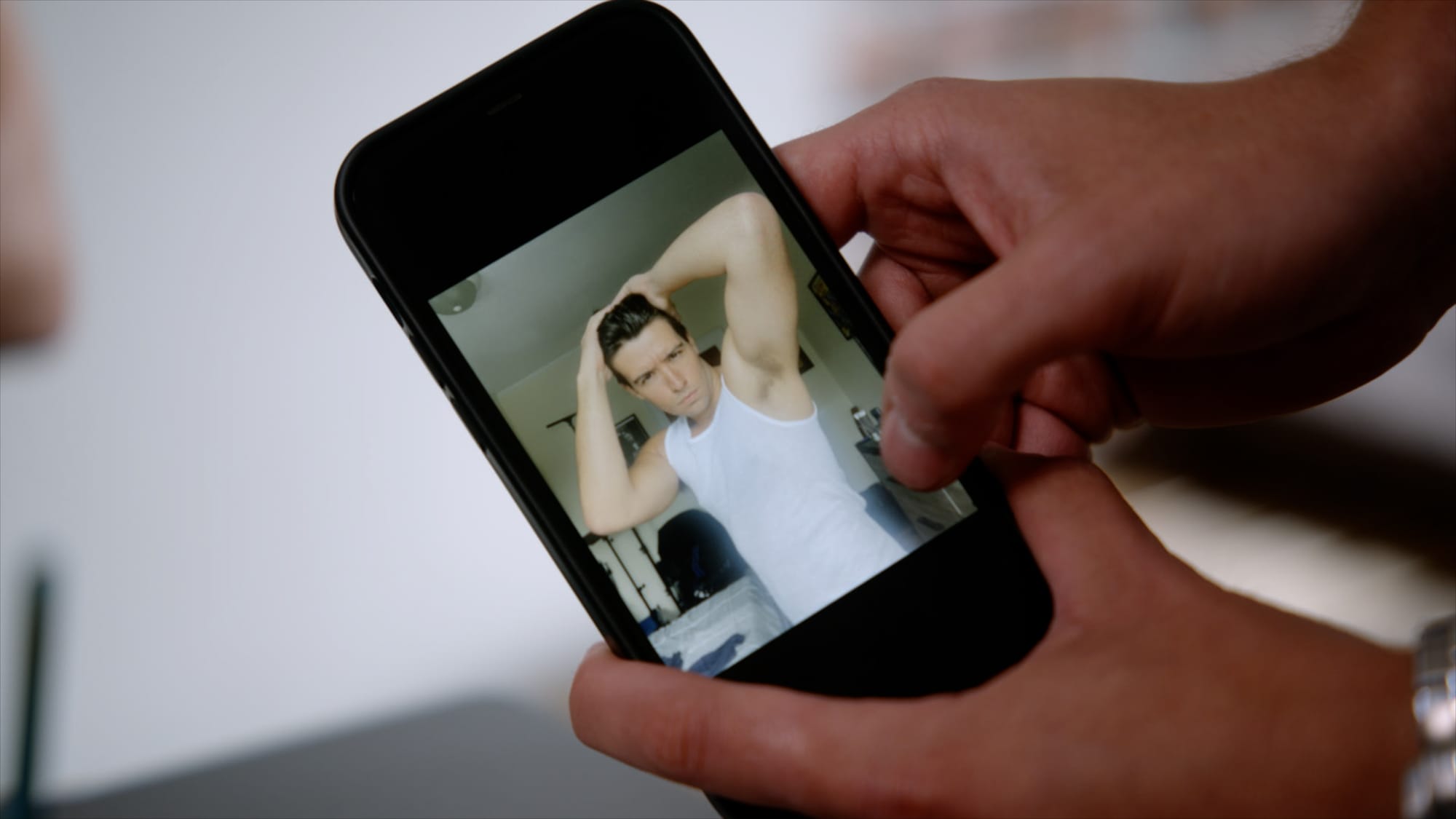
The moments that feel most like me are when Chelsea's inner chaos collides with everyday reality. I've always been drawn to finding humor in uncomfortable situations, and I wanted to show what it feels like to live inside an anxious, overactive mind. That mix of vulnerability, absurdity, and comedy feels uniquely personal to my voice.
What was the hardest creative decision you made while making the film?
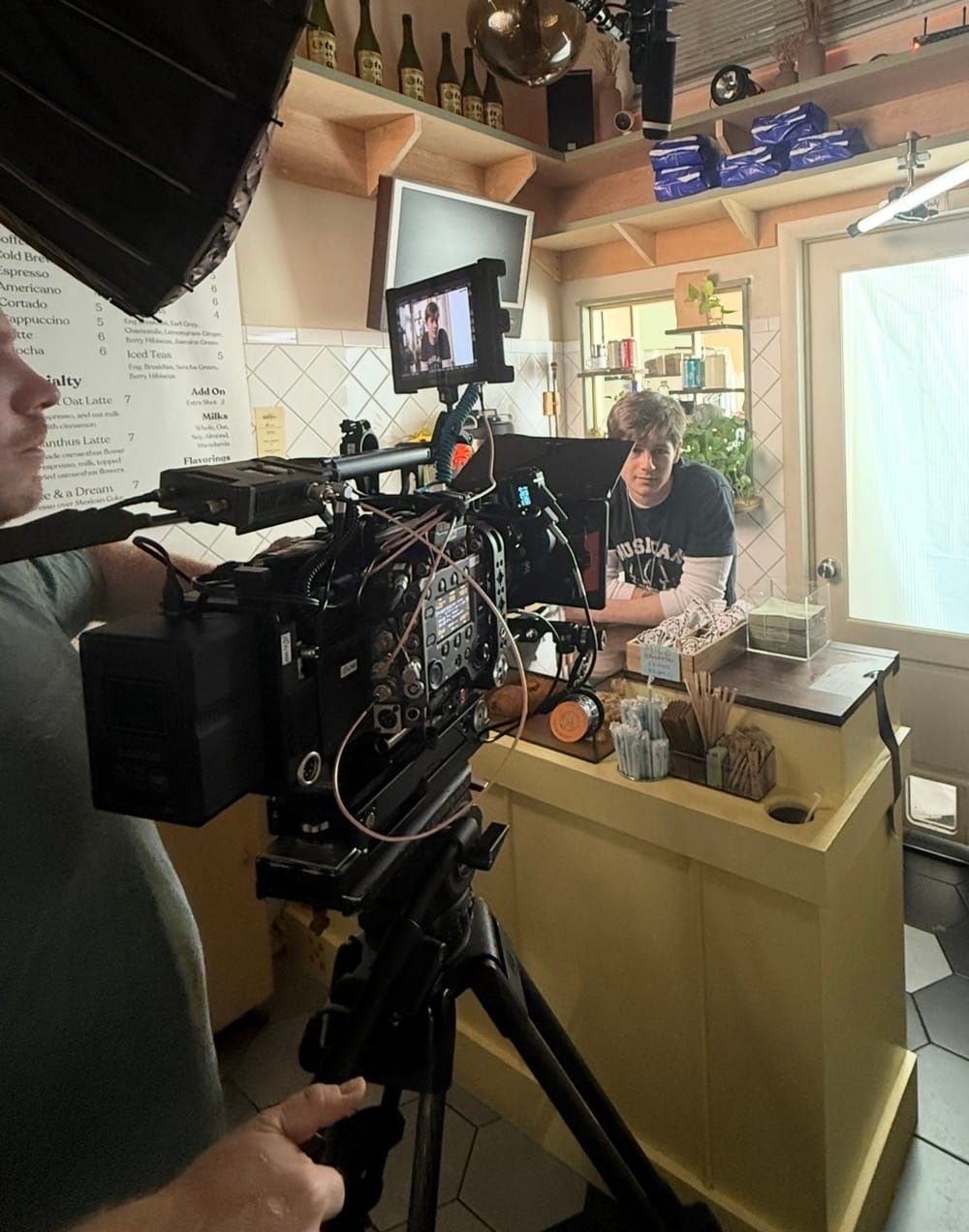
The hardest creative decision was learning to prioritize what served the story. In the edit, that often meant choosing the quickest and hardest-hitting cuts to keep the episodes moving.
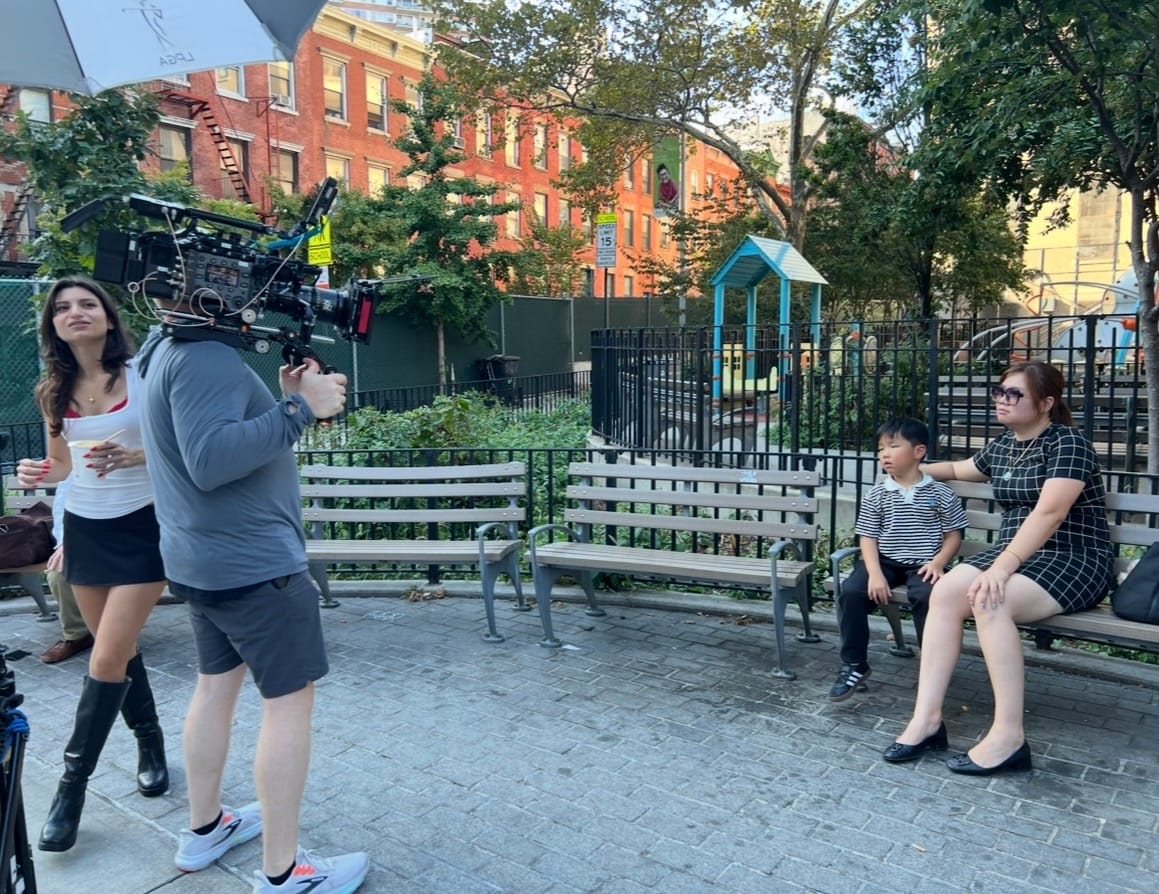
Shooting in the chaos that is New York City, I also had to balance performance with technical perfection, sometimes choosing the best take over the cleanest. In the end, that was so fitting, because it really painted a picture of NYC.
What tool, technique, resource, collaborator, or mindset shift helped most during production?
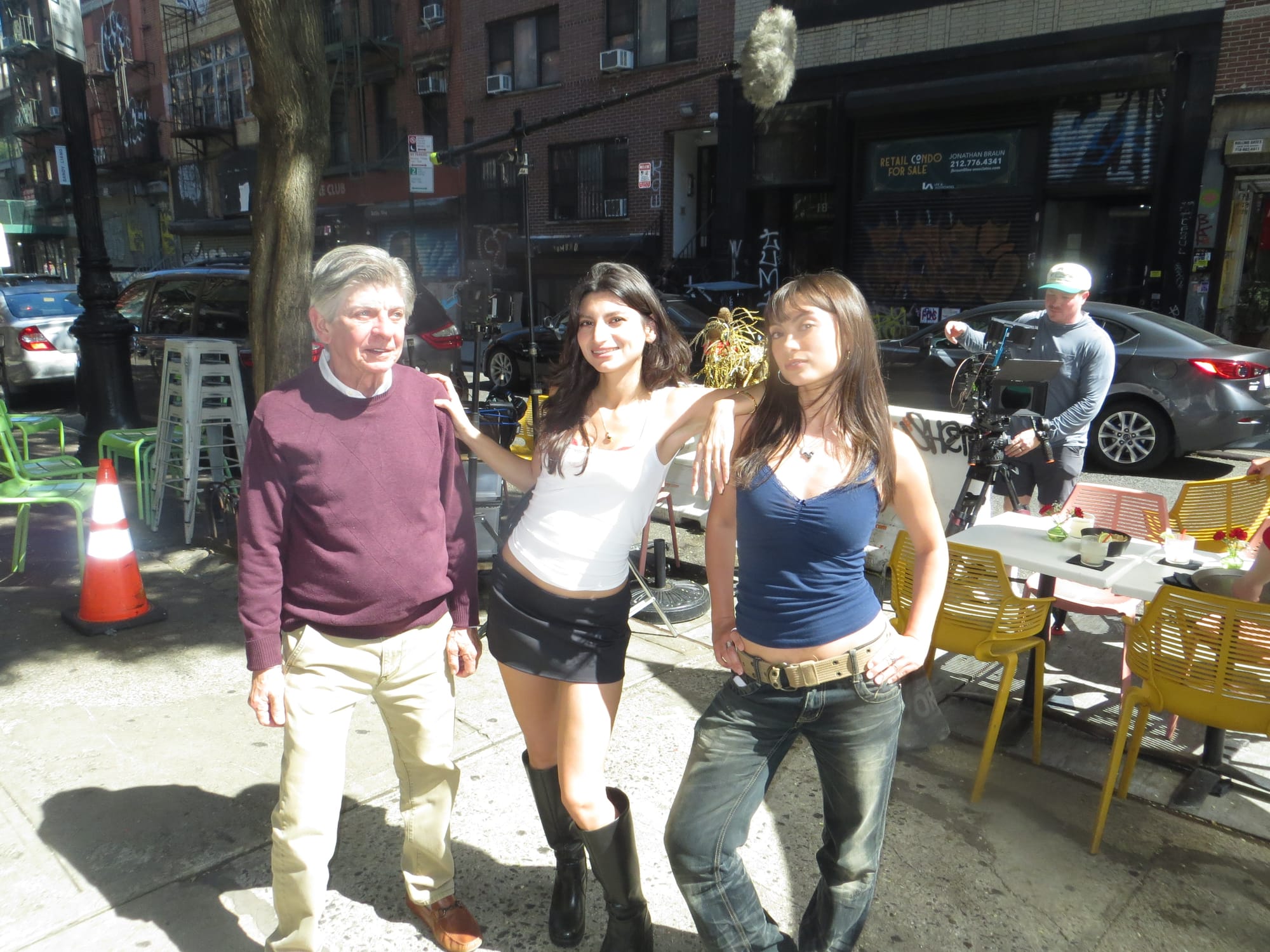
The biggest resource during production was learning to trust my own creative instincts. Collaboration was incredibly important, but I also had to trust my gut and have a clear vision for the world I wanted to create. Whether it was the performances or the small details that shaped Chelsea's reality, I focused on making the project as close as possible to what I saw in my head.
What is the greatest strength of independent filmmaking, and how did you lean into it here?
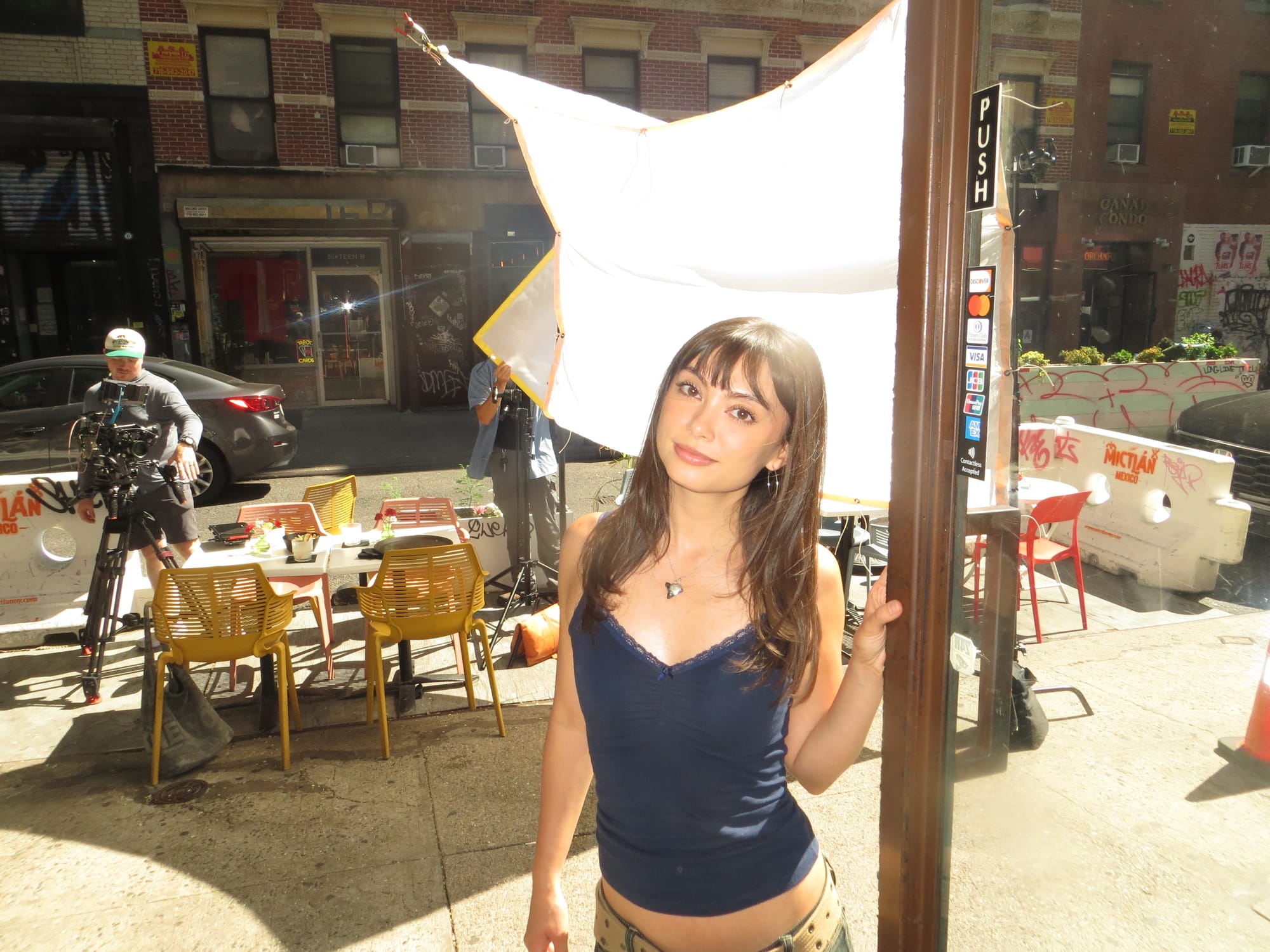
The biggest strength of independent filmmaking is that people come together because they believe in what you're making. I fully funded this project myself and had to ask for favors and find people who connected with the story. The biggest lesson I learned was the idea of passion over payment — having people who truly care about the project and want to bring it to life can make something so much stronger.
What does it mean to have your film selected for HollyShorts, and where does it go next?
Having Why Do You Hate Me? selected for HollyShorts means so much to me because this project is a piece of myself. I wrote and created Chelsea as a way to explore my own insecurities, anxiety, and the parts of ourselves we often hide from the world. To have a story that started from such a personal place recognized by one of the world's premier short film festivals is an honor.
I see Why Do You Hate Me? continuing beyond this first chapter. This is part of an ongoing web series with three additional episodes that further explore Chelsea's world and her journey. I would love to continue creating short-form storytelling and keep expanding this world in new ways.
What do you hope audiences take away from this film?
I hope audiences laugh first, but also recognize a part of themselves in Chelsea. We all search for validation and convince ourselves that external success will solve our problems. If the series encourages people to be a little kinder to themselves and realize they're not alone in those manic thoughts, that's everything. At the core of all my work is a desire to make people feel seen by bringing the messy, vulnerable, and absurd parts of being human to the screen.
Main Cast & Crew
- Chelsea Collazo Garcia — Writer, Director, Producer & Actress. A New York–based writer, director, and actress creating dark comedies about identity, New York City, and the chaos of being human. Her debut web series, Why Do You Hate Me?, won Best Web Series at the HollyShorts Comedy Film Festival. She studied Film at Pace University, trained in acting at The Lee Strasberg Theatre & Film Institute, and studied comedy at Upright Citizens Brigade (UCB).
- Kristian Mercado — Producer. A Puerto Rican writer, director, and producer whose work blends comedy, genre, and heartfelt storytelling. His feature directorial debut, If You Were the Last, premiered at SXSW, and his Oscar-nominated animated short, Nuevo Rico, premiered at Sundance. He has also directed episodes of The Brothers Sun, Bupkis, and The Horror of Dolores Roach.
Filmmaker Opportunities
💛 Fund your next project with fiscal sponsorship
Have a project in the works? As a 501(c)(3) nonprofit, the Cinematography for Actors Institute can accept tax-deductible donations on your film's behalf — a door-opener for grants, foundations, and supporters who want to back your work. We've serviced over 100 projects to date and helped route over $800,000 in funding to filmmakers. Explore fiscal sponsorship →
📬 Grant deadlines and festival opportunities, straight to your inbox
The CFA newsletter rounds up grants, festival calls, and community news for independent filmmakers — the kind of opportunities that are easy to miss and painful to miss. Join the newsletter →
🎬 Focus on the creative — we'll help with the logistics
Production Management, CFA's newest member program, launches this November: production insurance and workers' comp, payroll, film permits, gear rental coordination, SAG-AFTRA compliance, contract drafting, production consulting, and crew recommendations — handled by a team of working filmmakers, à la carte or all in, in partnership with Creative Access Group. It's waitlist-only until launch. Join the waitlist →
League of Filmmakers is published by our parent organization, the Cinematography for Actors Institute — a 501(c)(3) dedicated to education, community, and capital for underrepresented filmmakers and actors. Learn more about CFA →