Table of Contents
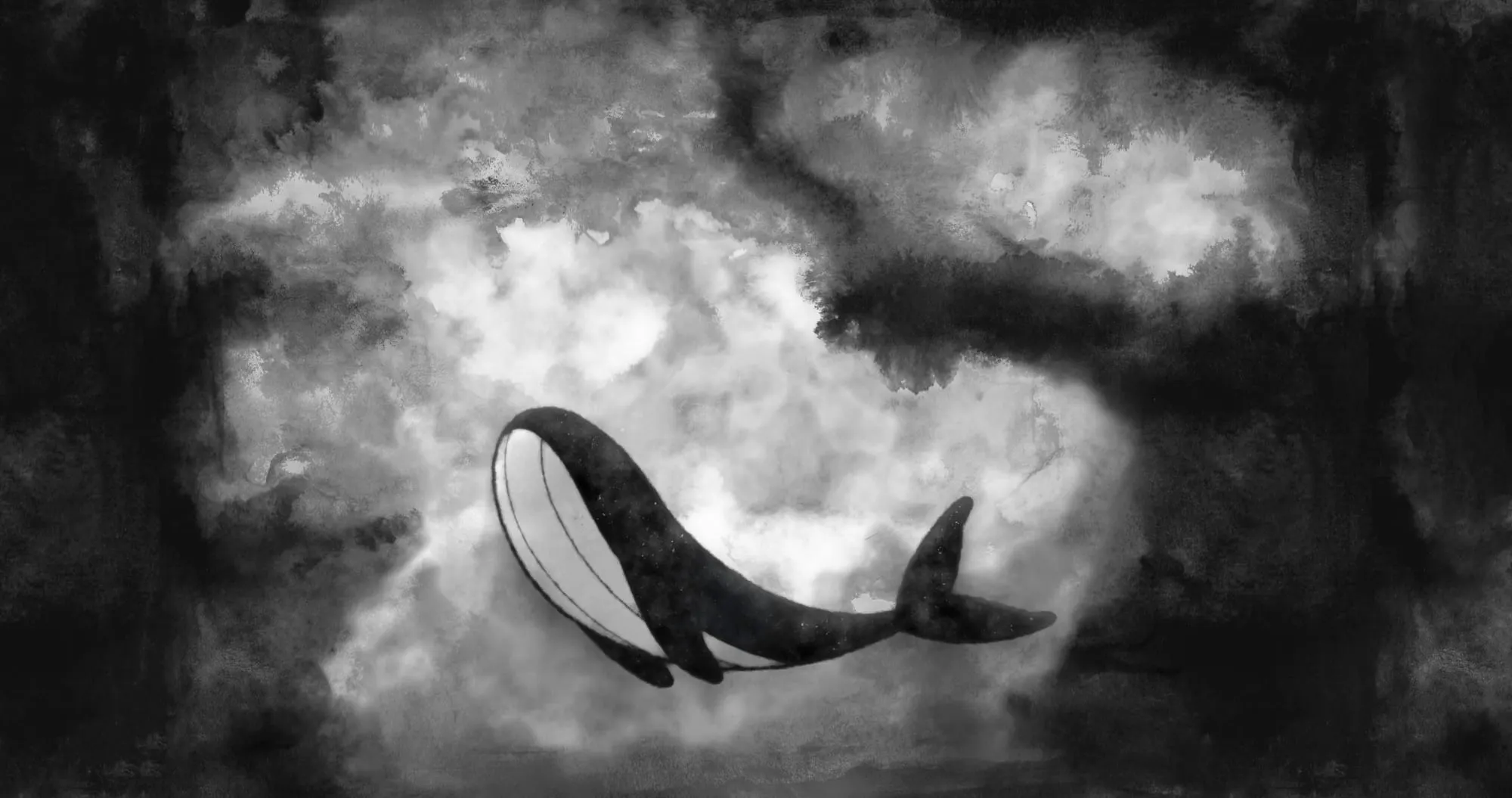
Some films arrive as arguments. WildKind arrives as a lullaby. Adapted from Ciara Tinney's own book of poetry and paintings, this animated short is a "universal bedtime story" — a fluid journey of hope and healing across what Tinney calls a shared watercolour motherland. Voiced by three generations of women in one family, it asks its audience to do something quietly radical: slow down, feel present, and come home to the wild.
Tinney wrote the original poem after the birth of her first daughter, at the end of four seasons as Second Assistant Director on HBO's Game of Thrones. She painted it, published it, and — after two more daughters — found her way back to filmmaking by producing the animation script alongside Dog Ears Studios in Derry, the acclaimed creators of Puffin Rock. The result is a homecoming on every level: to Mother Earth, to a mother tongue, and to a creative practice she had set aside.
Key Takeaways
- WildKind began as a poem written after the birth of Tinney's first daughter, then became a book and now a film.
- The film is voiced by three generations of one family, recorded in English, Irish, and Arabic — a reclaiming of mother tongues.
- A small, intuitive team at Dog Ears Studios meticulously recreated Tinney's ink paintings in digital form, set to a score built entirely from garden-studio nature sounds.
Below, Tinney speaks about motherhood, migration, and the language of hope.
Interview
What drew you to make this film, and why this story, why now?
This film began as a poem written after the birth of my first daughter. I had just finished my fourth season as the Second Assistant Director on HBO's Game of Thrones, filming across Ireland, Iceland and Croatia, and life was about to change dramatically. Becoming a mother is such a transitional time — everything can feel at sea. WildKind became an anchor, a way of connecting to my hopes and dreams for my daughter to live a life both wild and kind.
I painted the poem and published the book. And after birthing two more daughters, I found my way back to film by writing, painting and producing the WildKind animation script alongside the world-renowned animation studio Dog Ears in Derry, the creators of Puffin Rock, our wonderful director John McDaid, and our amazingly talented team.
The film is a homecoming — back to our Mother Earth, back to our mother tongue, and for me, back to the creative practice of filmmaking. The film was also recorded in my mother tongue, the Irish language. The script was translated by Aodán Jaff Mac Séafraidh, and this was my mother's first time learning her native language. It was also recorded in Arabic by generations of women from North Africa and the Middle East. Our mother tongue is an umbilical connection to the land beneath our feet. By whispering our mother's lost words to our daughters, we reclaim lost paths and reconnect to the wild.
What surprised you most about the filmmaking process, including a moment that changed how you saw the story?
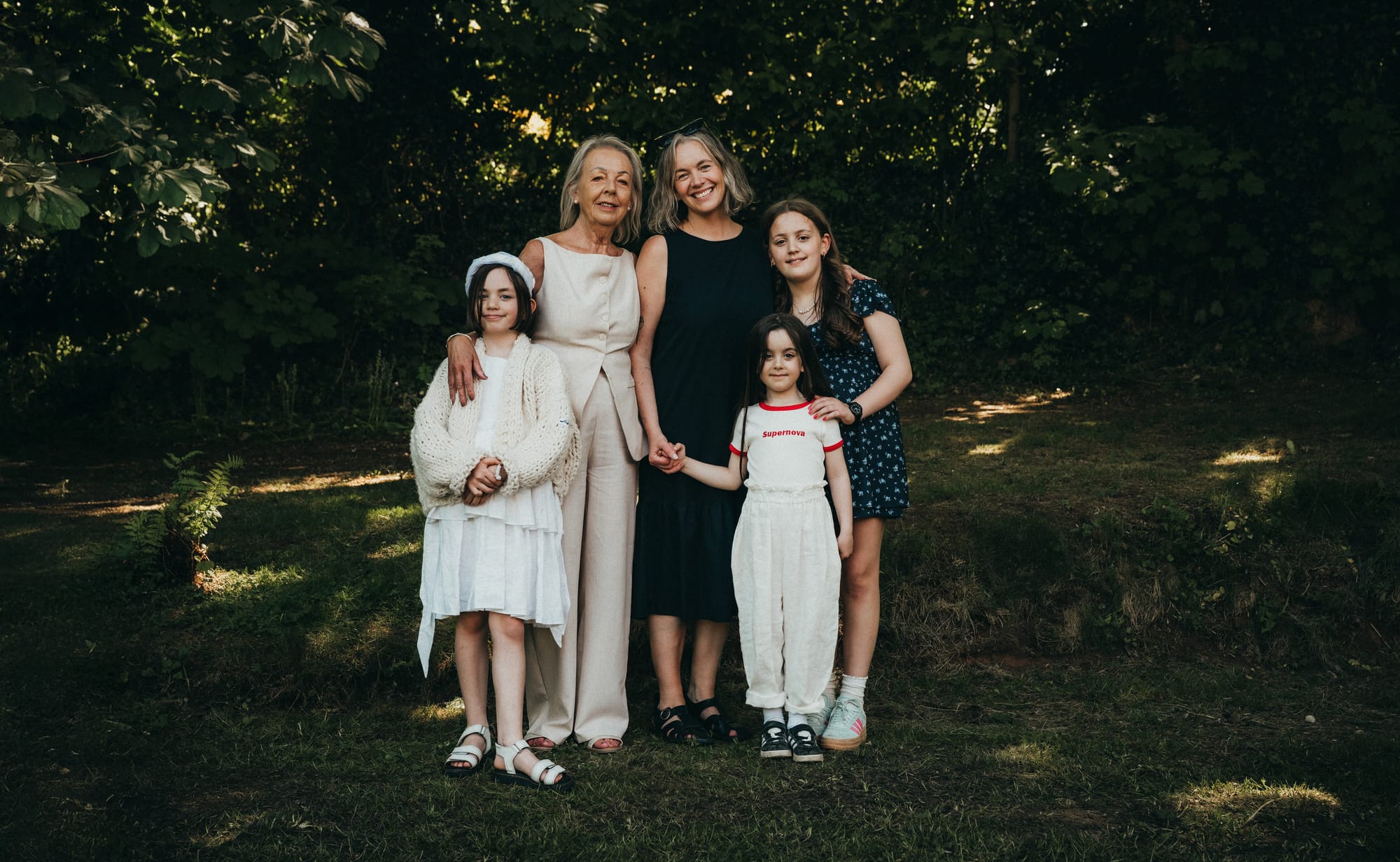
Sitting in Galway watching the film premiere at The Fleadh, and hearing my youngest daughter Birdie Blue's voice, made me realise how much she had grown — her voice sounding smaller. I remember that feeling of loss when we notice the passing of time. And I felt forever grateful to have the voices of three generations of the women in my family not only sitting with me in the darkened theatre in Galway that day, but captured on film — a moment in time to keep forever.
What moment in the film feels most like you, or like something only you could have made?
WildKind is such a personal project for me, and it feels very special to get to share my poem, paintings, daughters and mother with the world. Working with my husband Robbie, and seeing him create such a sensory symphony, all with the wonderful team at Dog Ears Studios — who we were so proud to collaborate with, and where we feel we have made lifelong friends — was a dream come true.
What tool, technique, or collaborator helped most during production?
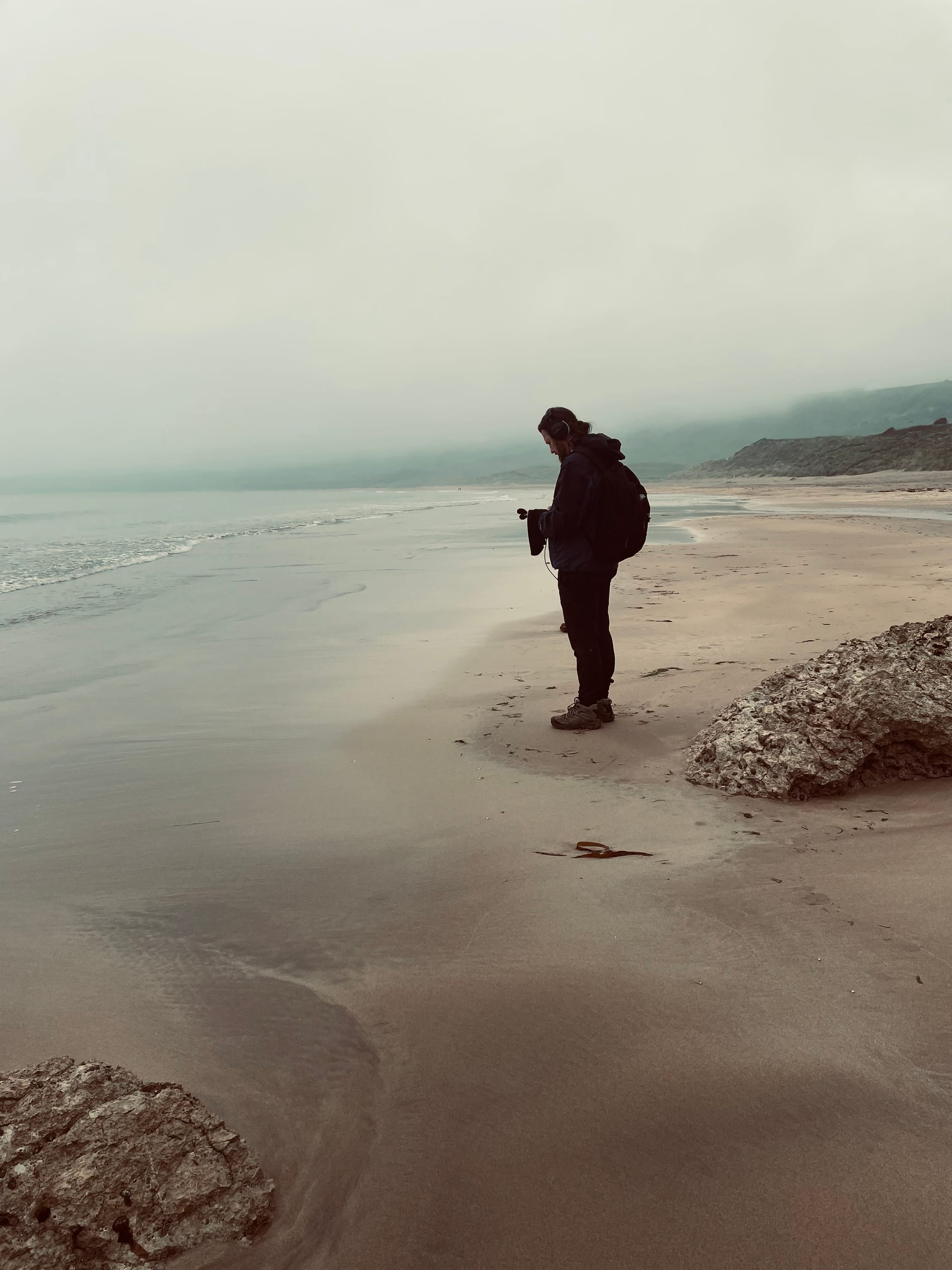
It was wonderful to work with my husband again. Robbie Boake (LMGI) and I worked on many different film and TV productions together, including HBO's Game of Thrones, where Robbie was the location scout and manager for the entire series. Robbie is also a musician and composer, and he created the most beautiful score for WildKind — recorded the VO and every single sensory nature sound, all from his garden studio at our home in Belfast. He releases music under the name Love from Belfast.
How does your film fit within, or push the boundaries of, its form?
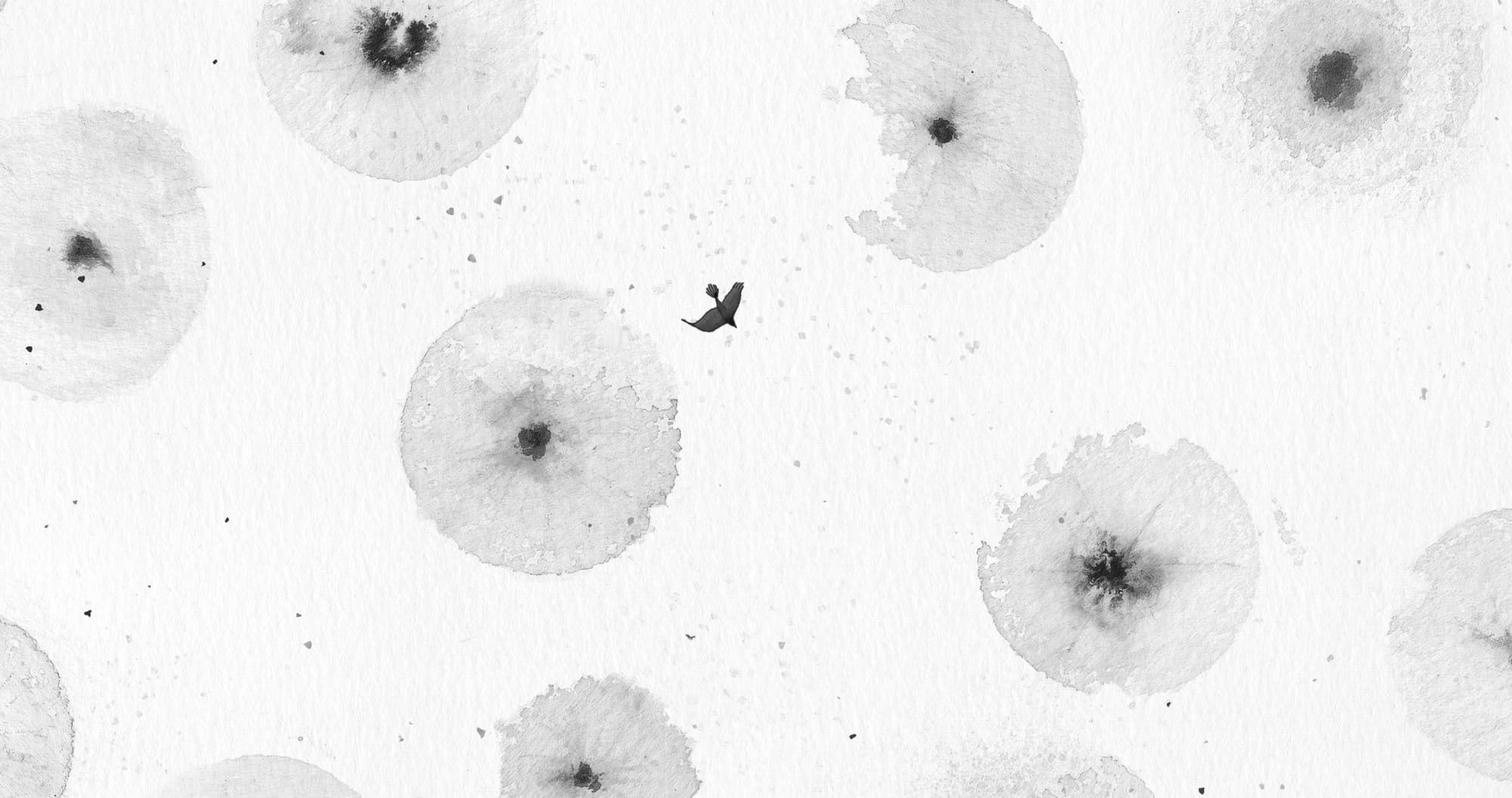
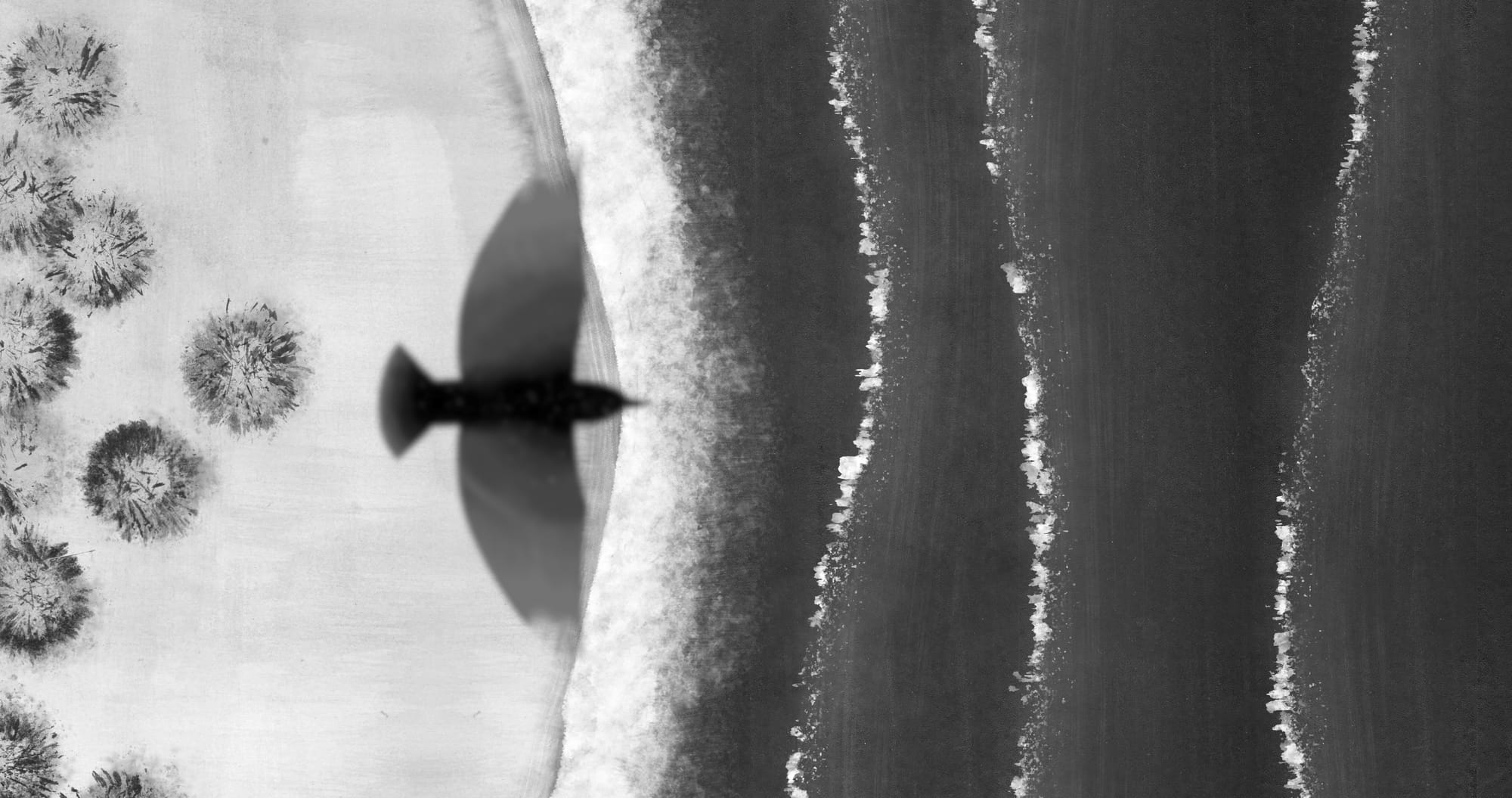
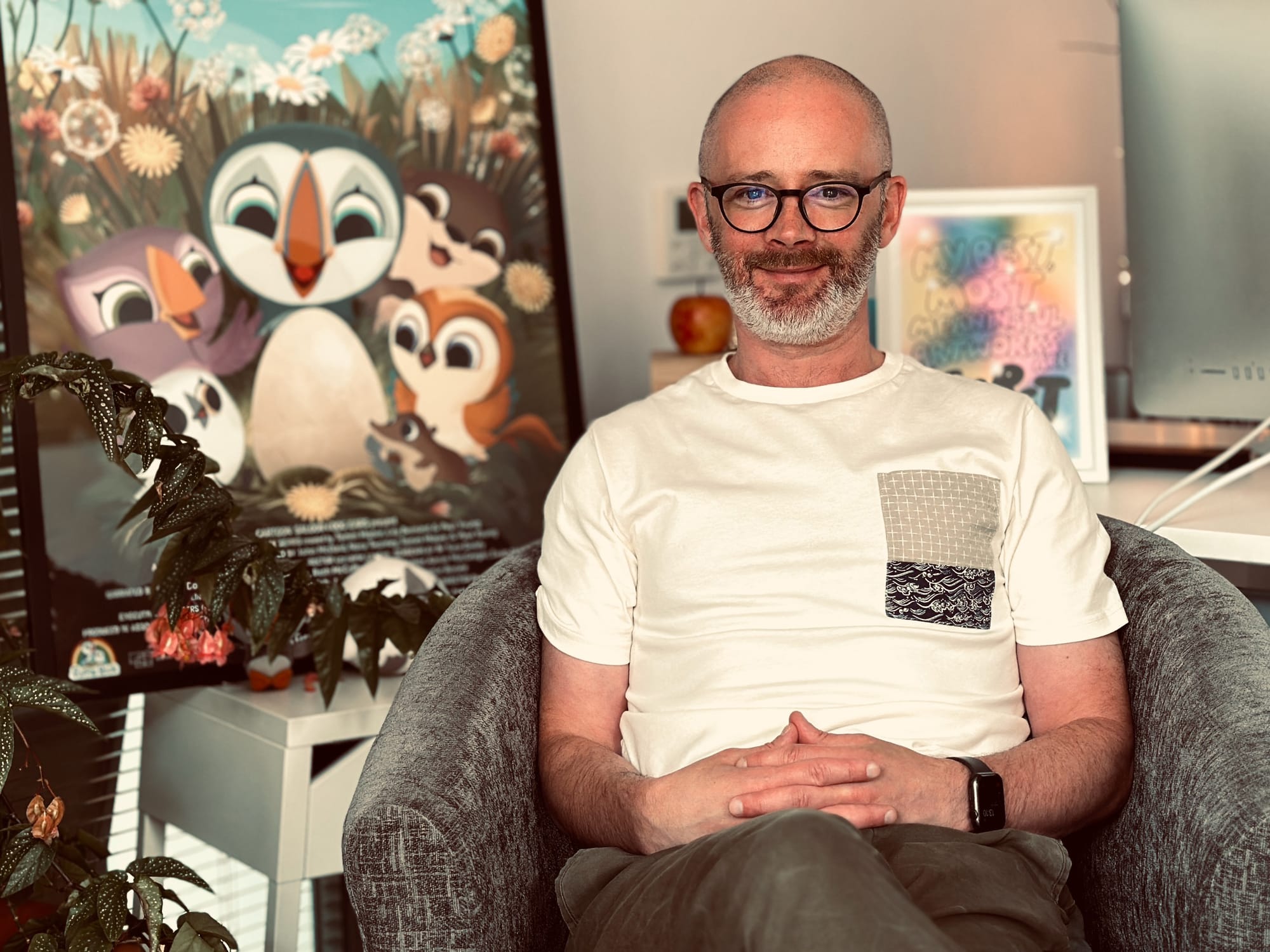
Director John McDaid and producer Fionnuala Deane from Dog Ears are world-renowned creators of animation that is playful, joyful and low stimulation. John said: "Our work in Dog Ears has always aimed to be emotionally resonant and driven by empathy. We create things we would love in our own homes, to share with our own children, and reading Ciara's book to my daughters, the elegance and strength of her words and imagery moved us all. Working with a small team of three artists/animators, with Ciara at the creative centre, we meticulously recreated her paintings in digital form, bringing her ink to life across time. Our finished film reflects the care and intention of the original book, the passion and dedication of our small team, and the timely message WildKind carries for us all."
What does it mean to have your film selected for HollyShorts?
We are delighted to be selected for HollyShorts — it is such a wonderful festival. To bring our film from the North of Ireland to Hollywood is a dream come true. We are very happy to have been selected at over 30 film festivals worldwide, and we look forward to sharing the film with more audiences to come. I would also like to say a huge thank you to Northern Ireland Screen for the support. Independent filmmaking creates the opportunity for true artistic expression, which is becoming more precious every single day.
How has this film shaped the kinds of stories you want to tell next?
I am currently writing a series version of WildKind — poetry in motion, low stimulation, slow, sensory animation. Themes include water and memory ("The rain remembers you") and being present ("Are we here yet?"). At the core of all my work is a desire to slow down, reconnect to the wild and the people around me, to consciously curate all that we consume, and to pass something beautiful downstream, to the next generation.
Main Cast & Crew
- Creator / Writer / Producer: Ciara Tinney
- Director: John McDaid
- Executive Producer: Fionnuala Deane
- Composer / Sound Design: Robbie Boake
- Animation: Morgane Tissier, Hugo McCrea, Jack Foley
- Production Managers: Carrie Bonner, Eimear McGowan
- Voiceover Artists: Jo Tinney, Ciara Tinney, Adabelle Boake, Fiadh Rós Boake, Birdie Blue Boake
- Singing: Jo Tinney & Adabelle Boake
Filmmaker Opportunities
💛 Fund your next project with fiscal sponsorship
Have a project in the works? As a 501(c)(3) nonprofit, the Cinematography for Actors Institute can accept tax-deductible donations on your film's behalf — a door-opener for grants, foundations, and supporters who want to back your work. We've serviced over 100 projects to date and helped route over $800,000 in funding to filmmakers. Explore fiscal sponsorship → You can also catch our 3rd annual financing panel at HollyShorts.
📬 Grant deadlines and festival opportunities, straight to your inbox
The CFA newsletter rounds up grants, festival calls, and community news for independent filmmakers — the kind of opportunities that are easy to miss and painful to miss. Join the newsletter →
🎬 Focus on the creative — we'll help with the logistics
Production Management, CFA's newest member program, launches this November: production insurance and workers' comp, payroll, film permits, gear rental coordination, SAG-AFTRA compliance, contract drafting, production consulting, and crew recommendations — handled by a team of working filmmakers, à la carte or all in, in partnership with Creative Access Group. It's waitlist-only until launch. Join the waitlist →
League of Filmmakers is published by our parent organization, the Cinematography for Actors Institute — a 501(c)(3) dedicated to education, community, and capital for underrepresented filmmakers and actors. Learn more about CFA →