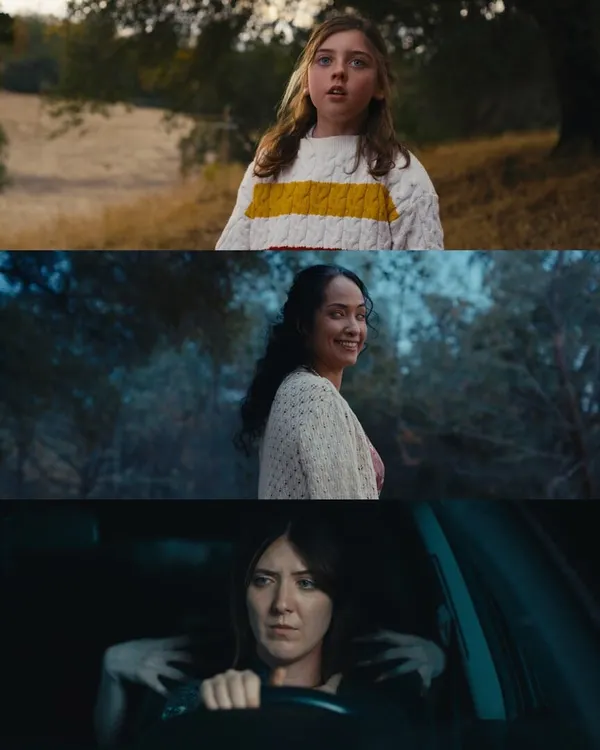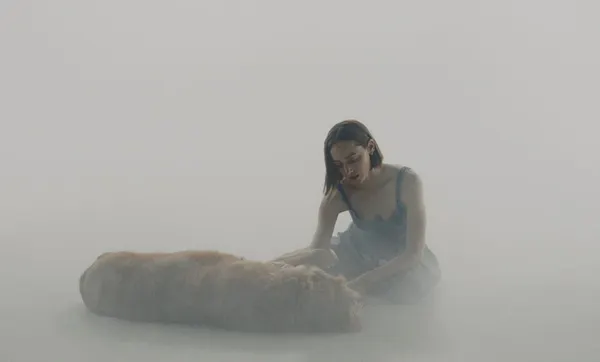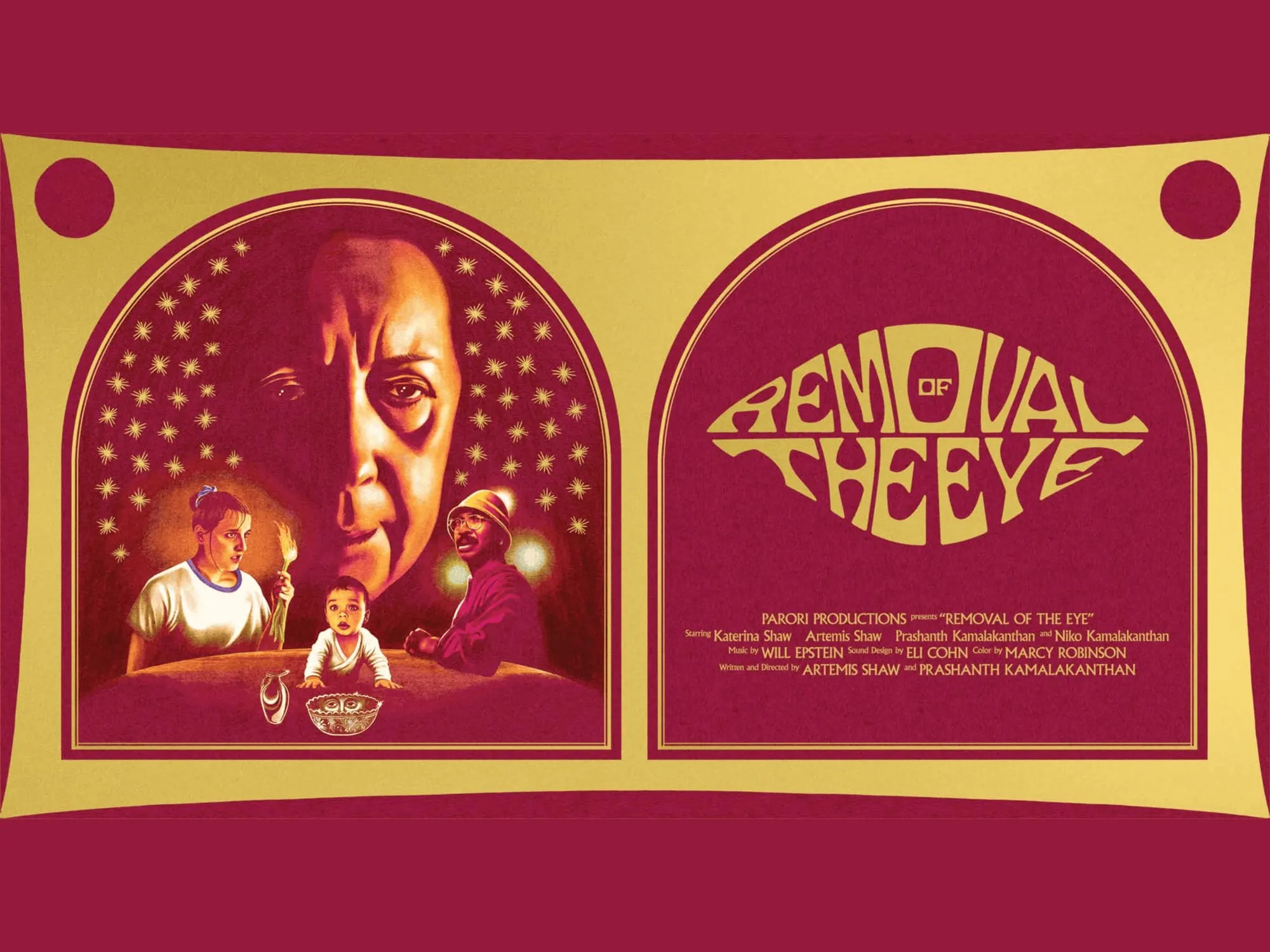
Prashanth Kamalakanthan and Artemis Shaw channel their partnership into powerful storytelling, working once again as creative collaborators on their sophomore feature, Removal of the Eye. The film follows Kallia and Ram, a couple already drowning in the stress of new parenthood and stalled careers, whose lives are thrown into total chaos when Kallia’s blind mother seeks to exorcise the family from the "evil eye."
Pulling back the curtain on the project, Kamalakanthan and Shaw open up about the unfiltered reality of independent filmmaking, discussing the experience of working outside of the studio system and sharing their advice on directing first-time actors.
Their beginnings as filmmakers
Artemis and Prashanth met at film school at NYU, where they learned all the conventional ways of framing and lighting a shot. What they didn't predict was that they would be entering the industry in 2020, when COVID-19 forced everyone to stay home. They had an idea for their first film and started writing and developing it during lockdown.
It was the height of the pandemic, but they pursued it as an experiment: "Can we make a film this way?" They found the idea endearing as many filmmakers start this way; as little kids, filming stuff alone at home. They originally envisioned the project as having a 10-person crew but decided to go through with it without, given the situation. They acted in it themselves and worked without a camera operator. This is how their first feature film together, New Strains, came to be. Needless to say, they were already experienced independent filmmakers by the time they decided to take on their next film, Removal of the Eye.
Themes of identity, culture, and the cycle of life
The perspectives that prevail within the film are Niko's (the baby) and Katerina's (the grandma). The parents, Kallia and Ram, are captured through those two perspectives throughout the film. What is interesting is the similarity between these characters' perspectives. Niko and Katerina are at opposite ends of human life: one is coming into the world, and one is letting go of it. It was very important for Prashanth and Artemis to establish those two poles in the story.
One of the film's major themes is parenthood. But they go a step further to depict the inevitable: at some point, as you raise your children, your parents also revert back to a more childlike state of being, in need of someone to take care of them. Throughout the film, they consistently showcase parallelism in how Kallia interacts and negotiates with both Niko and Katerina. It's a great representation of the cycle of life. This film is a thoughtful representation of the way sons and daughters eventually become the ones to parent their own parents.
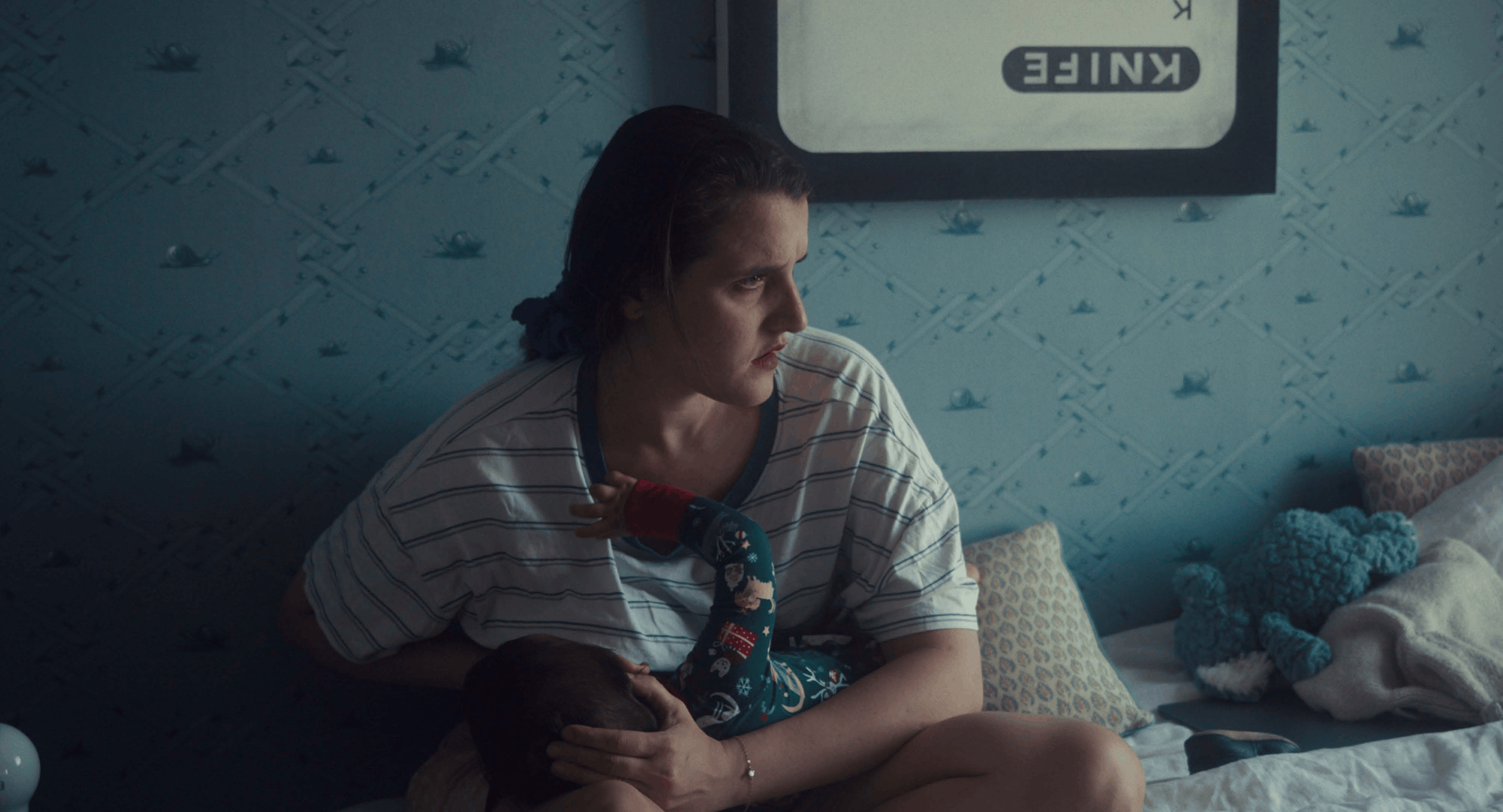
Both of the filmmakers are immigrants and decided to explore that theme within film. They opened up about the pressure of feeling like you have to assimilate and while simultaneously being expected to have your identity on display in an almost contradictory manner.
With Katerina's character, they wanted to depict the experience of being away from your culture and the distortion it can cause, how it changes the way you interact with your own identity. Artemis shared the observation that each Greek city she's lived in treats Greek customs differently, depending on how many generations have passed since the initial immigration. In the film, Katerina feels like part of her identity is performing these Greek rituals, but since it's been 40 years since she left home, it's now a mixed and reimagined version of her culture.
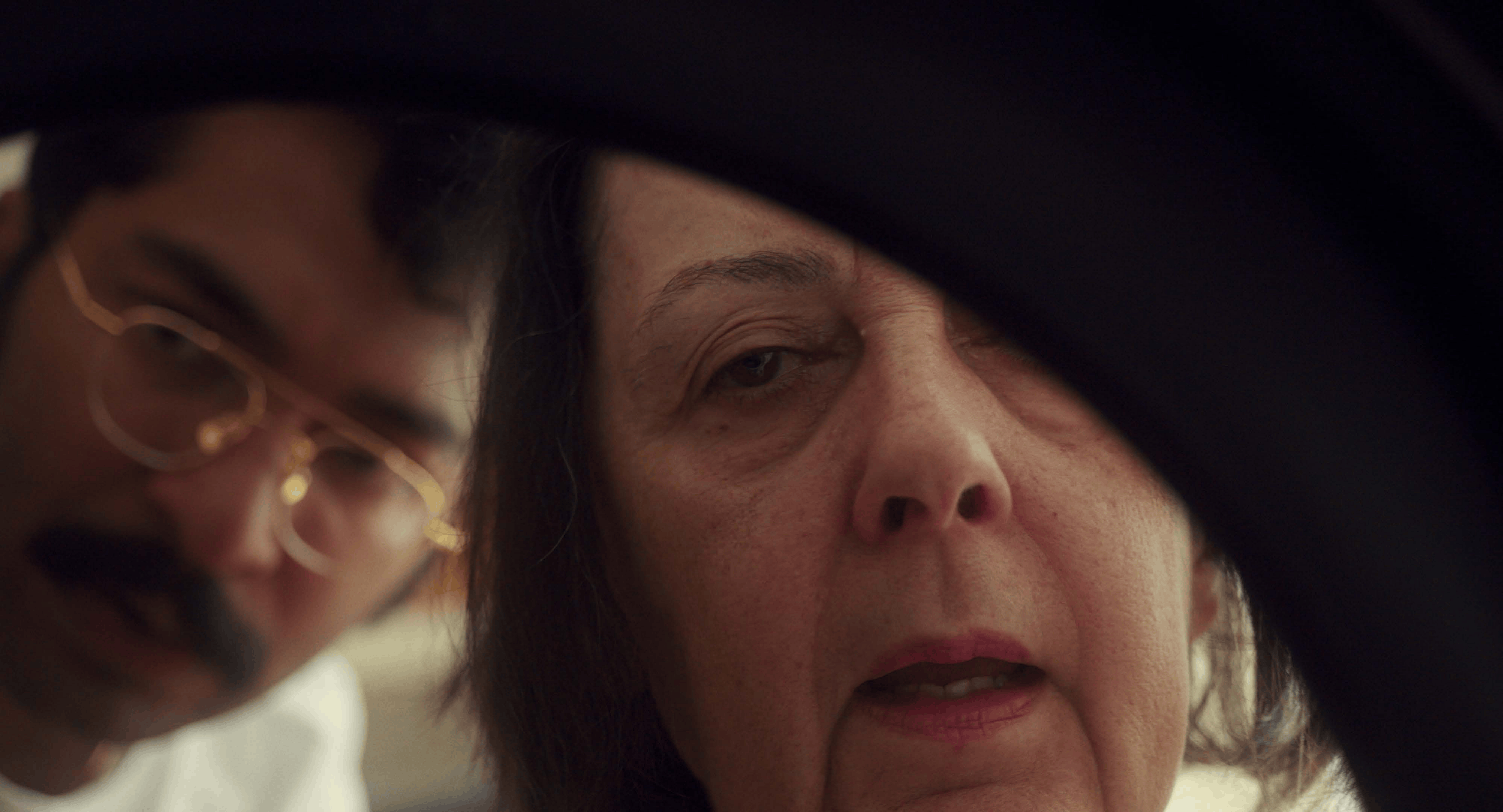
Alternatively, Kallia is trying to get into academia and uses that as a tool to process and understand the heritage of her immigrant family. As she starts working on her projects, she realizes she's stuck in the trap of wanting to resist and maintain her culture while also trying to comply and adapt to her current environment.
Parenthood in film and creative liberties of working with a baby actor
Prashanth believes there are very few real, intimate depictions of families with young children in cinema. He indulged in watching many films about parenthood in order to dive into the theme. He realized the baby is usually barely involved in the films themselves due to logistical and legal reasons. Professional underage actors are only allowed to film for a short number of hours, leading to babies not being included for extended periods of time in most films.
The advantage of shooting in this docu-fictional style with a flexible schedule and casting his own son, Niko, as the actor was that Prashanth had the opportunity to challenge himself to include the baby as much as possible in the film's runtime.
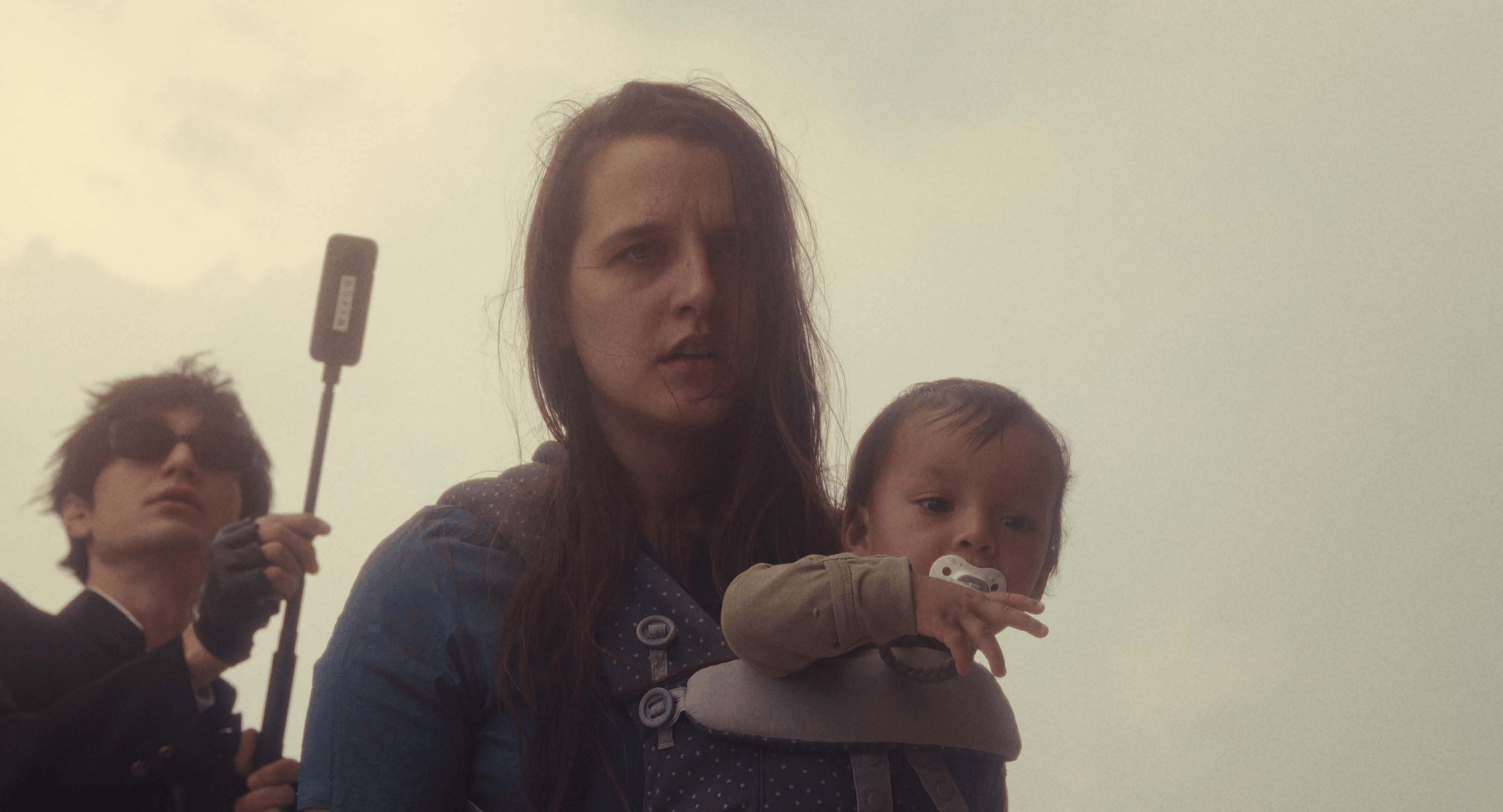
One of the creative highlights in Removal of the Eye was the use of fisheye shots to portray the baby and his point of view. As a dad, Prashanth realized he could put a 360 camera in the baby's pocket as a way of seeing through his perspective. When you are not backed by a huge production company, you get the freedom to work with image and sound in whatever way you choose. The 360 degree camera provided him with a whole new world of possibilities within his budget. He discussed the variety of shots that the camera provides if you try different settings.
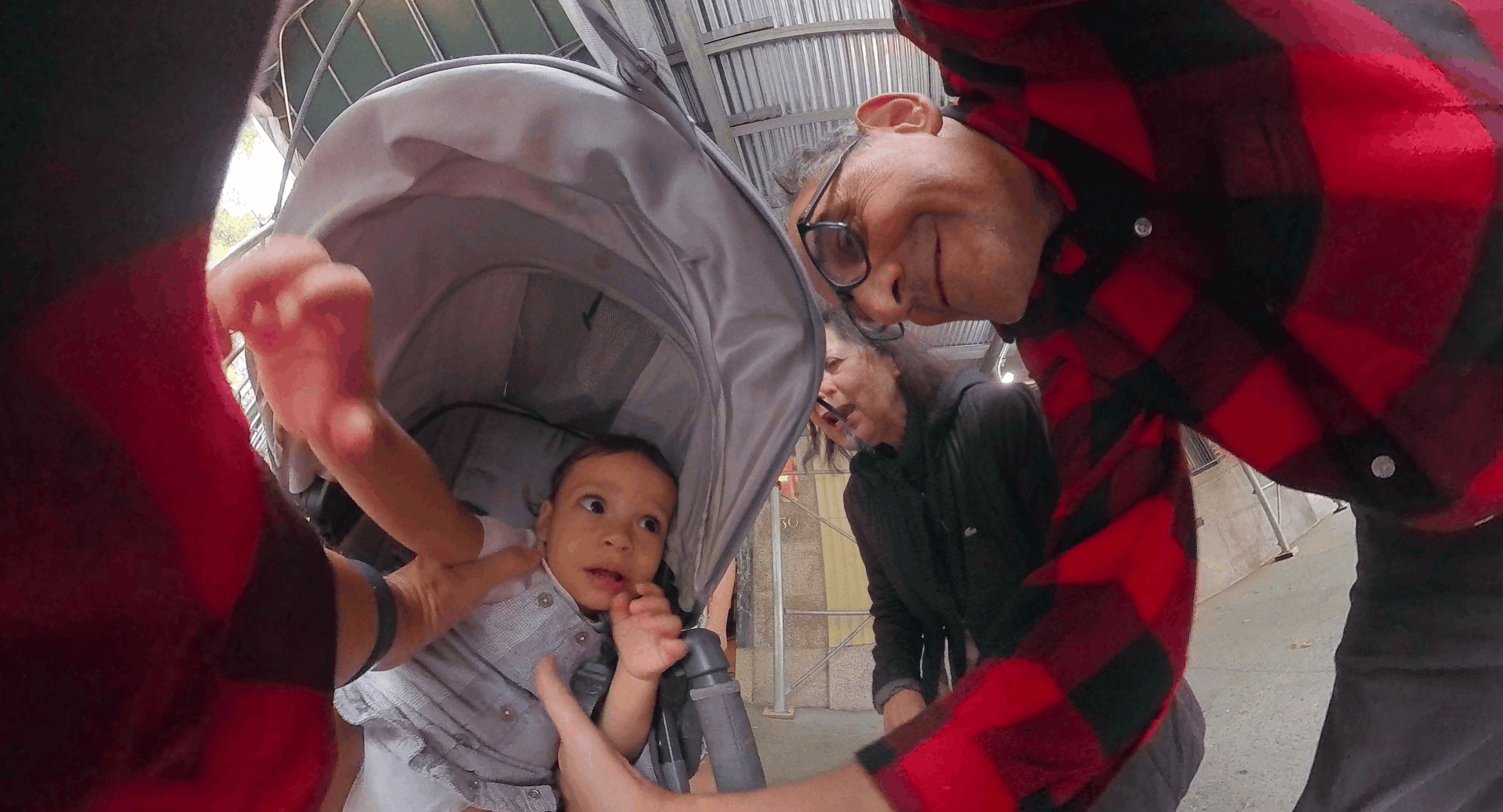
He states that it's important to understand that audiences nowadays are more literate in film and filmmaking than ever before. He used the fisheye lens to enhance the viewing experience and practice new ways of understanding filmmaking. He also shared that using interesting points of view correlates with an eye being such a prominent aspect of the film.
Prashanth: "Babies are able to look at the world without the baggage of language, concepts, or experience that we have, and they're looking at the world totally decontextualized. It felt like a powerful way of seeing in our search for establishing new ways of seeing."
Working with non-professional actors
Artemis discusses the benefits of independent filmmaking. It's a more comfortable environment for someone who's not an actor to perform in a room with two people than on a huge set with a whole production crew. People assume that films with micro-budgets are always making compromises that lessen the quality of the film, but these decisions lead to taking risks, which in many ways can actually improve the film.
Artemis: "Maybe you don't have fancy lighting, but you could have this intimate, authentic performance. It has its own benefits and its own quality."
Their films have always been acted either by them or by their family members, who are not trained in acting. Prashanth expressed how important it is to work on the acting, since a bad performance is unfixable. It breaks the illusion of the film, and there's no getting past that.
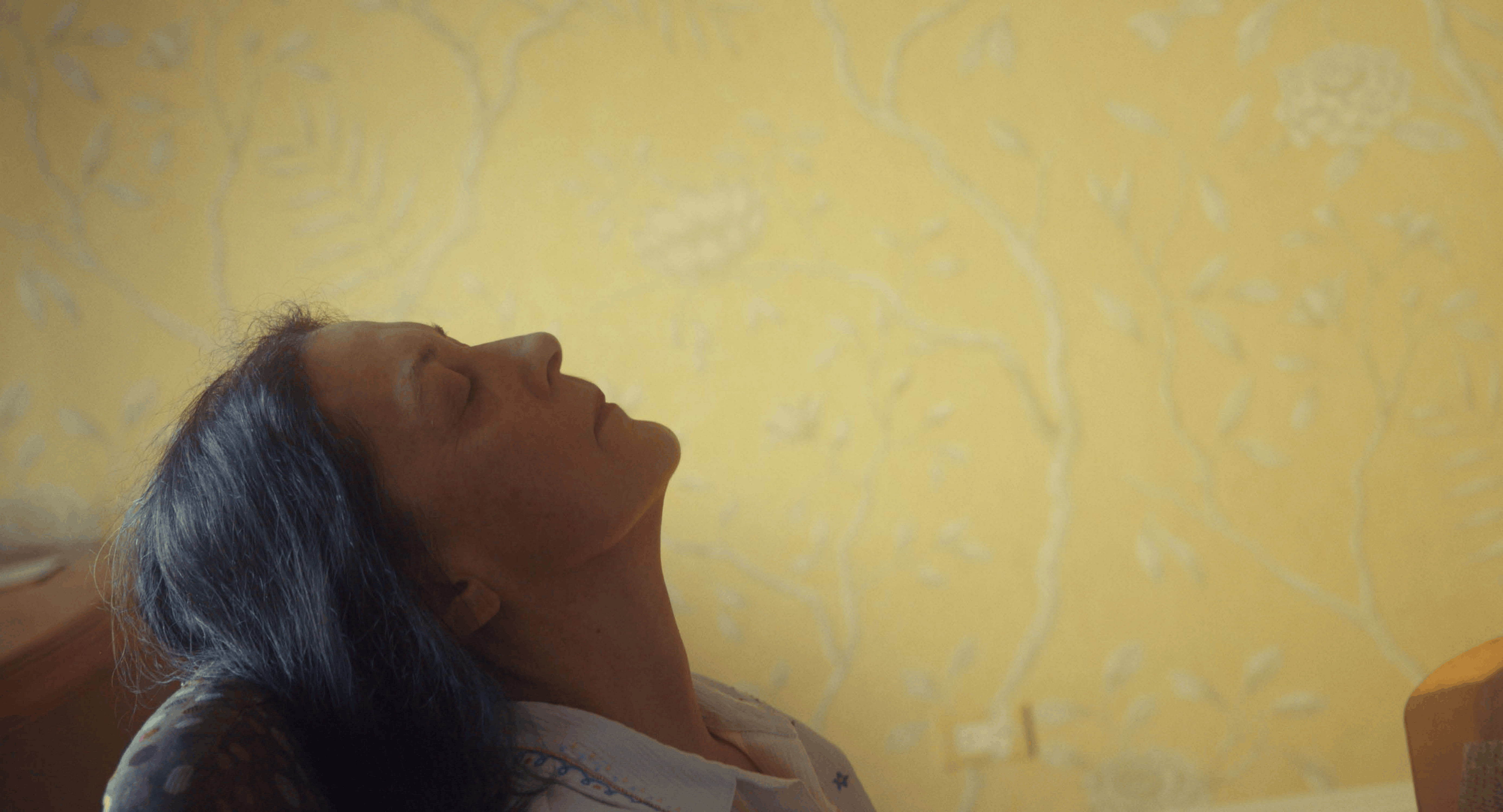
In Prashanth's experience, the prerequisite to making collaborative work is making sure there's some level of enthusiasm. By the time you start working with a team of actors on set, they need to be invested in the process and fully committed to making a film with you. If they're not committed to playing and being vulnerable, the performance will not be good.
Prashanth always tries to cast people similar to the characters he's trying to depict in his films instead of asking them to play big characters that aren't themselves. He casts people in a role that might only be slightly fictionalized, which essentially means turning up the dials on their pre-existing personalities. A first-time actor doesn't may not have the training but can bring themselves and the richness of their own life to the screen.
His final advice is to learn to compromise on lines or particular action. Prashanth has realized that actors who are not trained tend to get stuck when reciting their dialogue. They get blocked over forgetting one word of the speech, and it shows up in the performance. His take on this is to sit down with the actors and discuss the goal and the emotion behind the scene. As long as the actors can portray the purpose of the scene, it doesn't matter if they miss a word or interchanged two phrases. All they need is the intention.
Prashanth: "We've tried to free the actors to be themselves while they react to a totally artificial situation we've created for them."
Advice to new filmmakers
Prashanth's biggest tip in independent filmmaking is to form your filmmaking family. It's important to build a group of collaborators who will back you up and have similar goals as you in the field. When you don't have the budget of a big corporation behind your projects, your staff will usually end up being the people you meet at a festival and happened to exchange contacts with, or that friend from college who made a short film with you way-back-when.
A career in filmmaking is not only one of the most collaborative art forms but also one of the most resource-intensive. You need time, money, and people to a degree and magnitude that are not really matched in most other art forms.
When you have your set group of collaborators, you don't have to build from the ground up every time. If your team already knows all of your preferences from the minute you enter into a new project, you can start any conversation – cinematography, acting, overall goals – at a much higher level.