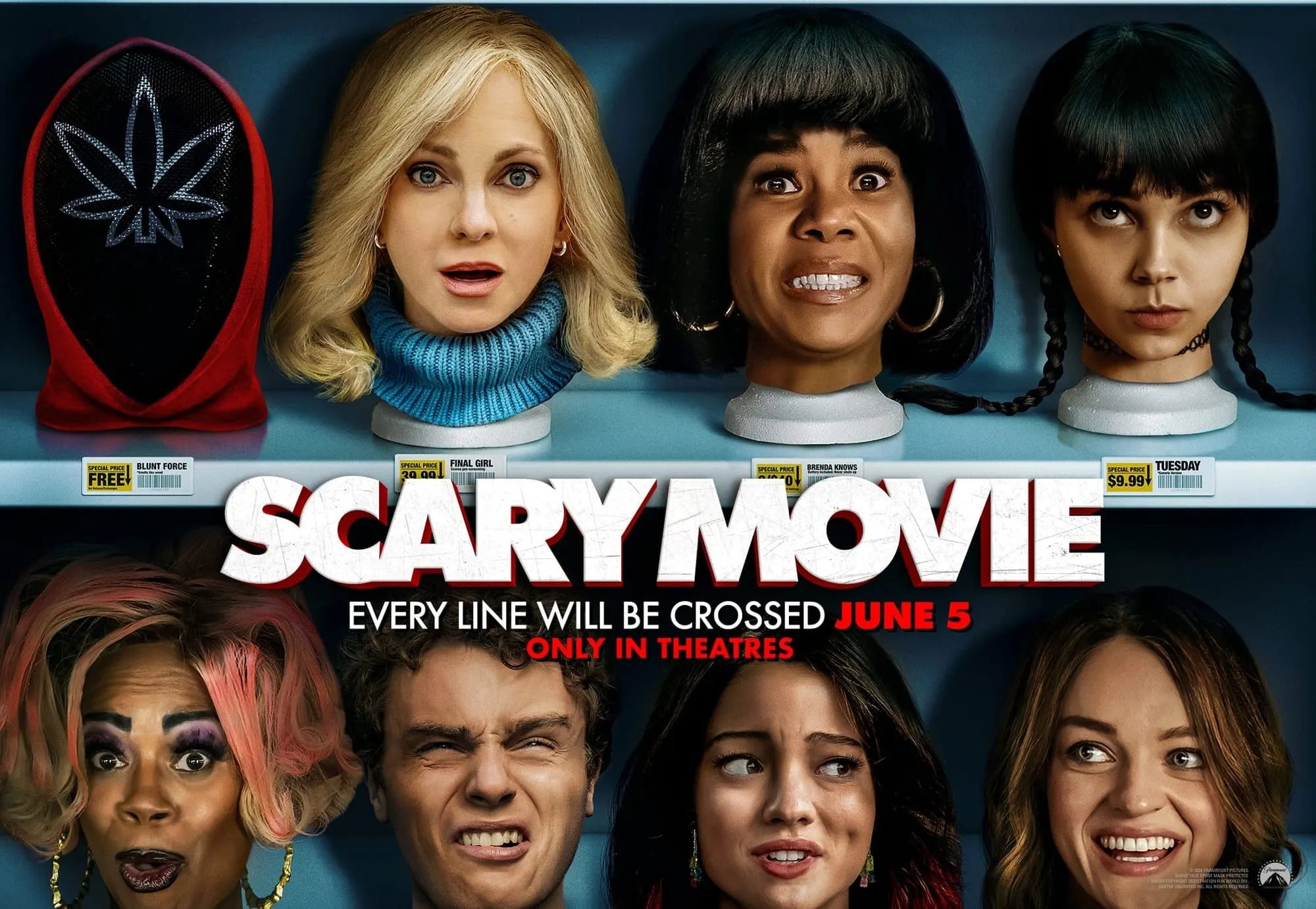
After waiting more than a decade, fans of the horror-parody franchise Scary Movie have finally been given a new installment in the series. Scary Movie (2026) stars Marlon & Shawn Wayans, Anna Faris, Regina Hall, and Dave Sheridan. It follows the franchise's trend of being an unashamed parody of iconic horror movies, earning its signature R-rating with the comedically gratuitous use of drugs, violence, and sexual innuendo.
However, the film is a black sheep among others in theaters right now. In a year when emotionally grounded dramas such as "Michael", "Project Hail Mary", and "Obsession" are dominating both critically and commercially, fans and filmmakers must ask: are audiences still in the mood for parody?
To answer this question, three key factors must be analyzed: popularity, profit, and method.
The popularity of Scary Movie 6 may be more polarizing than one may expect. For many critics, the film was a cringy nostalgia bait cash grab that struggled to find an identity in the modern world; or as Senior Writer at Salon.com, Coleman Spilde would say:
"The new 'Scary Movie' is stuck somewhere between then and now, with one foot in the early-millennial absurdism that spawned the series’ most beloved gags, and the other planted way too firmly in quote-unquote edgy humor."
On the inverse, general audiences seemed to largely enjoy the film, viewing it as a casual popcorn flick that leans into its own absurdity and doesn't take itself too seriously nor expect the audience to do so, securing it a strong 67% audience score on Rotten Tomatoes compared to a 24% critic's score.
But while Scary Movie 6 failed to impress the critics, one could argue that it was never trying to. The franchise has earned its stars by being unashamedly unfiltered, the antithesis of an Academy Award winner, and while that strategy certainly turns some movie-goers away, it can't be denied that the format has also secured the Wayans a loyal and supportive fanbase who show up when it matters.
Perhaps more important than public perception is the question of profit, and the fact is that Scary Movie 2026 is making a killing at the box office. The film marks the most profitable opening weekend in the franchise's history, earning a reported $55 million against a $30 million budget.
For context, this shatters the performance of the previous installment, Scary Movie 5, which saw a $14million opening weekend in 2013. The latest installment also edges out the franchise's previous record holder, Scary Movie 3, which saw a $49million opening in 2003.
The numbers speak for themselves, and the message is clear: audiences still have faith in this series and an appetite for quality parody.
But what made Scary Movie (2026) so much more successful than its predecessors? Thematically, tonally, and comedically, the film hardly varies from the rest of the series; and while one could argue that the thirteen-year-long wait between the fifth and the sixth installment is what built anticipation and led to its success, the franchise's previous entry, Scary Movie 5, was released seven years after its predecessor, the longest gap in the series at the time and yet remains the least profitable entry in franchise history.
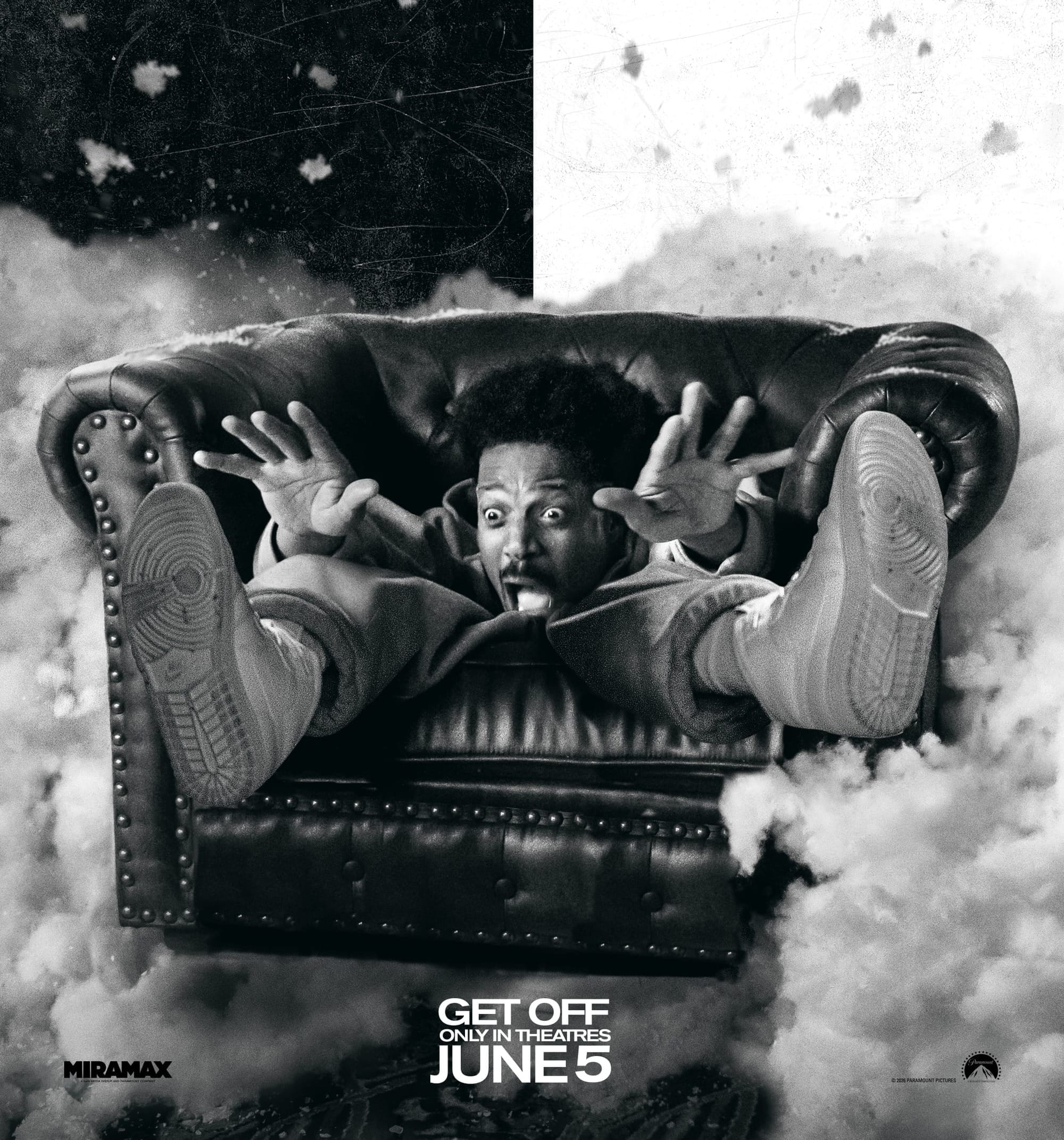
The key to the sixth installment's success lies primarily in one factor: marketing. The Wayans expertly utilized the viral power of social media marketing to their advantage, and by playing into the ways internet culture has evolved since the previous installment. Trailers for the film included parodies of films the franchise had never explored before, including Get Out, Ma, and Sinners, which sent a very clear message: Scary Movie has changed with the times.
Furthermore, the Wayans devised viral internet stunts such as designing a fake bong-shaped popcorn bucket, gathering the cast to "hot-box" in Times Square, and creating a series of short skits and fake posters, each spoofing a different film. One of the film's most viral marketing schemes was the creation of a website, subservientghostface.com, wherein fans can enter prompts to trigger reactions from Ghost Face. The website was made entirely without the use of A.I. and features hundreds of interactions for fans to explore.
It was the creative use of out-of-the-box marketing techniques such as these that re-awakened fans of the franchise, rousing them to flock to the theaters for what is on track to be one of the franchise's most successful titles. Proving to audiences and directors alike that, like a good horror movie killer, parody always comes back.