
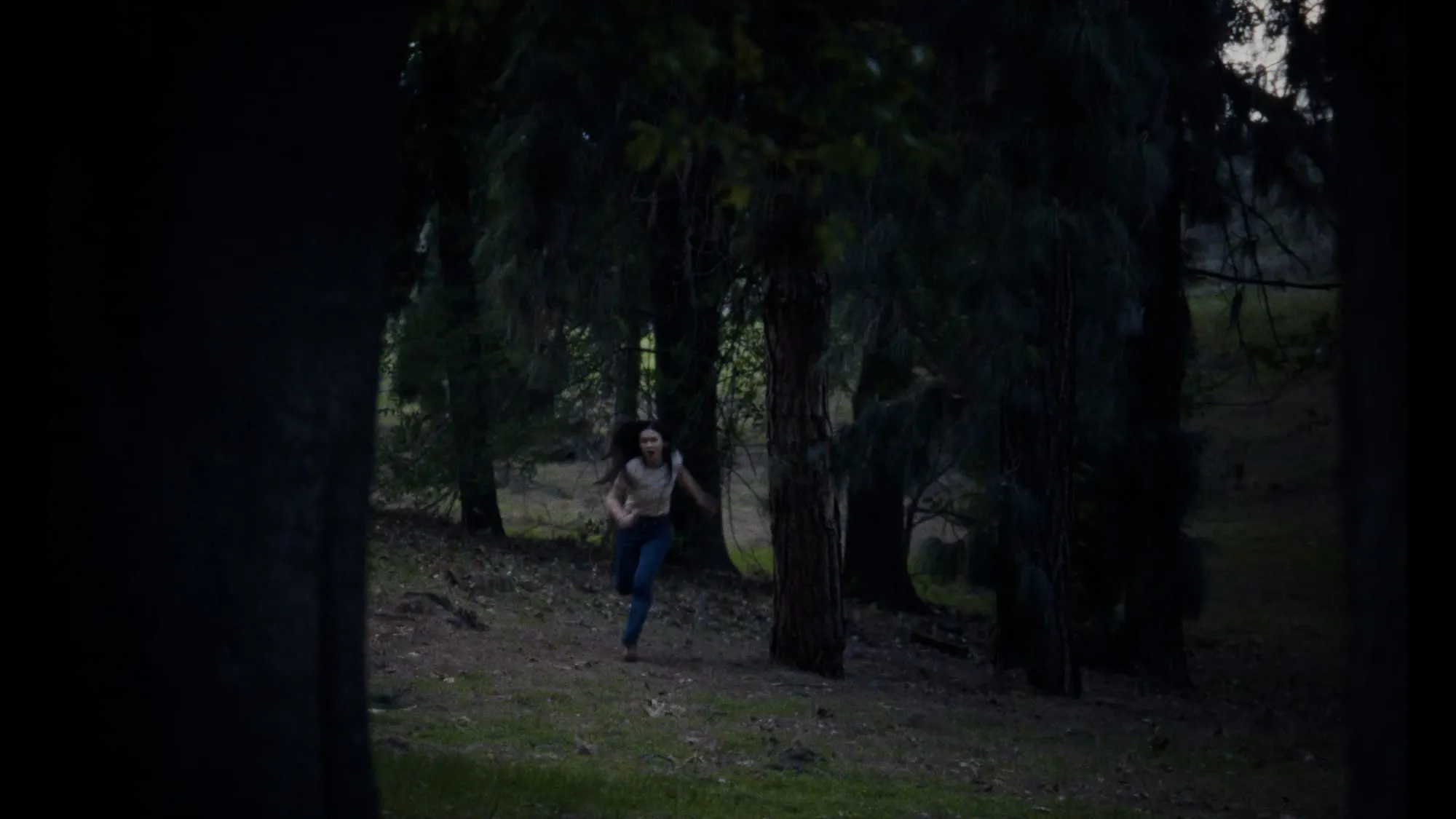
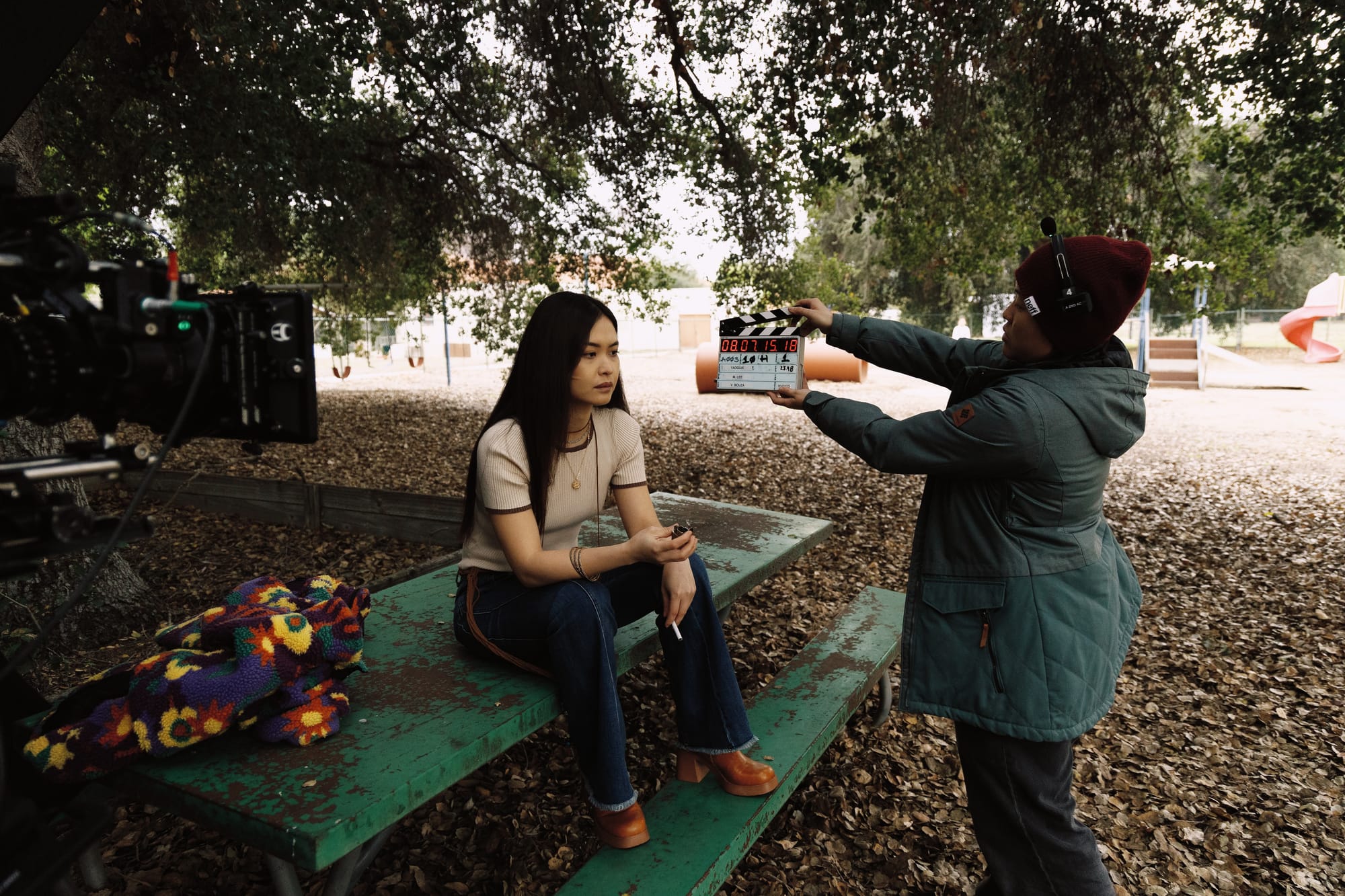
Mimi Lee has long wanted to examine the Asian American experience through the lens of horror, and Yaoguai is where those instincts converge. Set against a 1970s backdrop, the film follows Dana, a guarded aspiring actress and a rare presence in her community, whose disturbing encounter on the road awakens a familiar entity she can't escape.
A Taiwanese American filmmaker and photographer based in Los Angeles, Lee works fluidly across horror, thriller, and grounded sci-fi. Her training as a music artist and competitive dancer shows in her attention to rhythm, sound, and movement — and in Yaoguai, that discipline meets a story about the quiet cost of adapting until you disappear.
Key Takeaways
- Yaoguai began as a HollyShorts screenplay finalist in 2024 and returns to the same festival for its completed world premiere.
- Lee and producer Ramfis Myrthil assembled the ambitious 1970s production — minors, stunts, a monster, prosthetics — in two weeks and just three shooting days.
- The horror is built from character outward: Dana's emotional reality dictates where the fear lives and what shape it takes.
Lee spoke with us about survival, kill-your-darlings discipline, and the full-circle return to the festival that first believed in the story.
Interview
What drew you to make this film, and why this story, why now?
I've always wanted to explore a piece of the Asian American experience through the lens of horror. I grew up in an immigrant household where adaptability was a practice. Work hard, read the room, keep your head down. Those are useful skills for survival. But when you adapt long enough, you start to lose yourself.
Yaoguai is a film about survival, perception, and the costs of cultural homogenization. It explores what happens when someone like our protagonist Dana has spent her entire life perfecting that bargain. What gets erased in the pursuit of universal appeal. At a moment when our stories, identities, and even our sense of self are continually optimized for engagement and approval, Dana's horror feels very familiar.
What was the hardest creative decision you made while making the film?
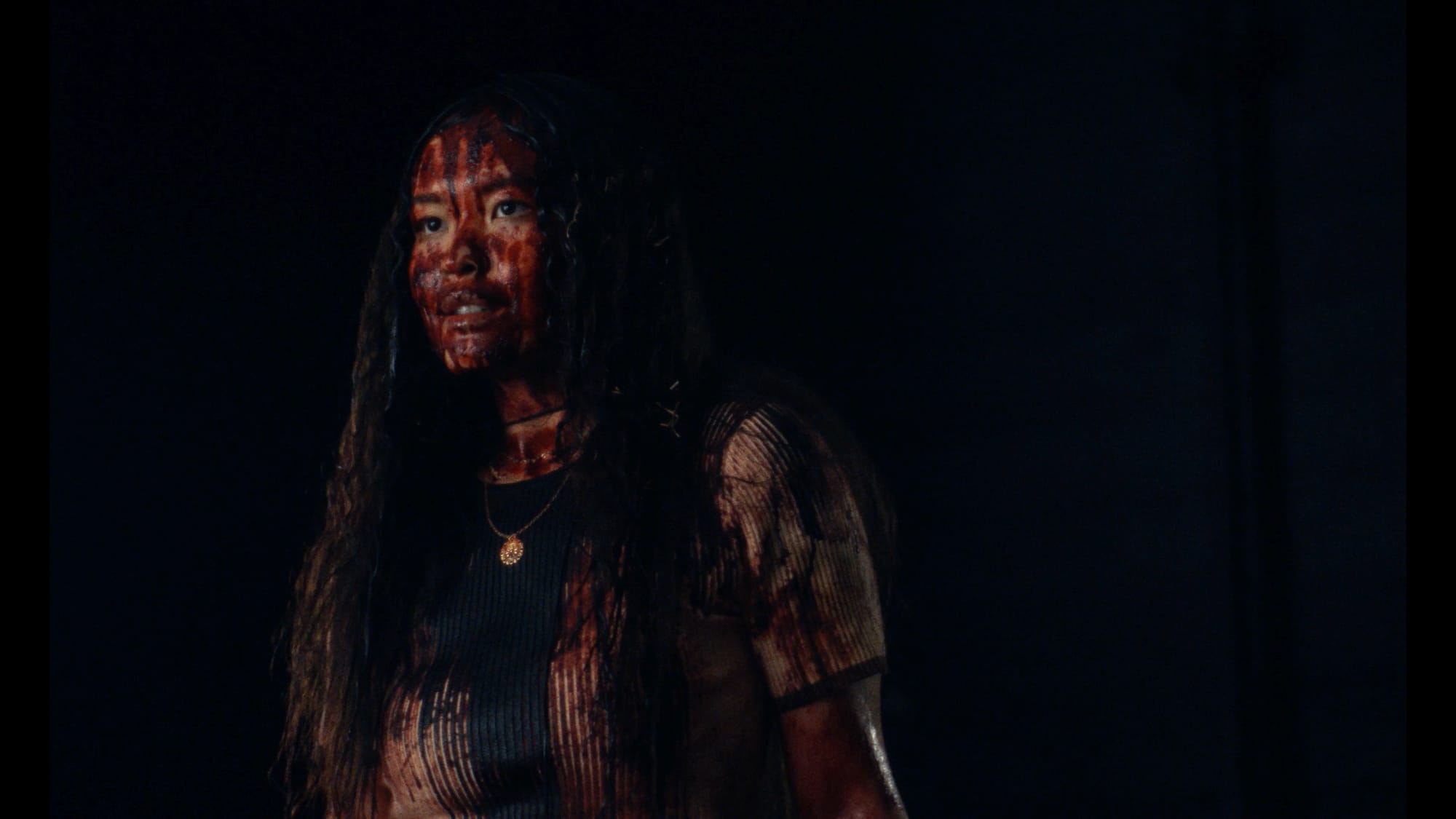
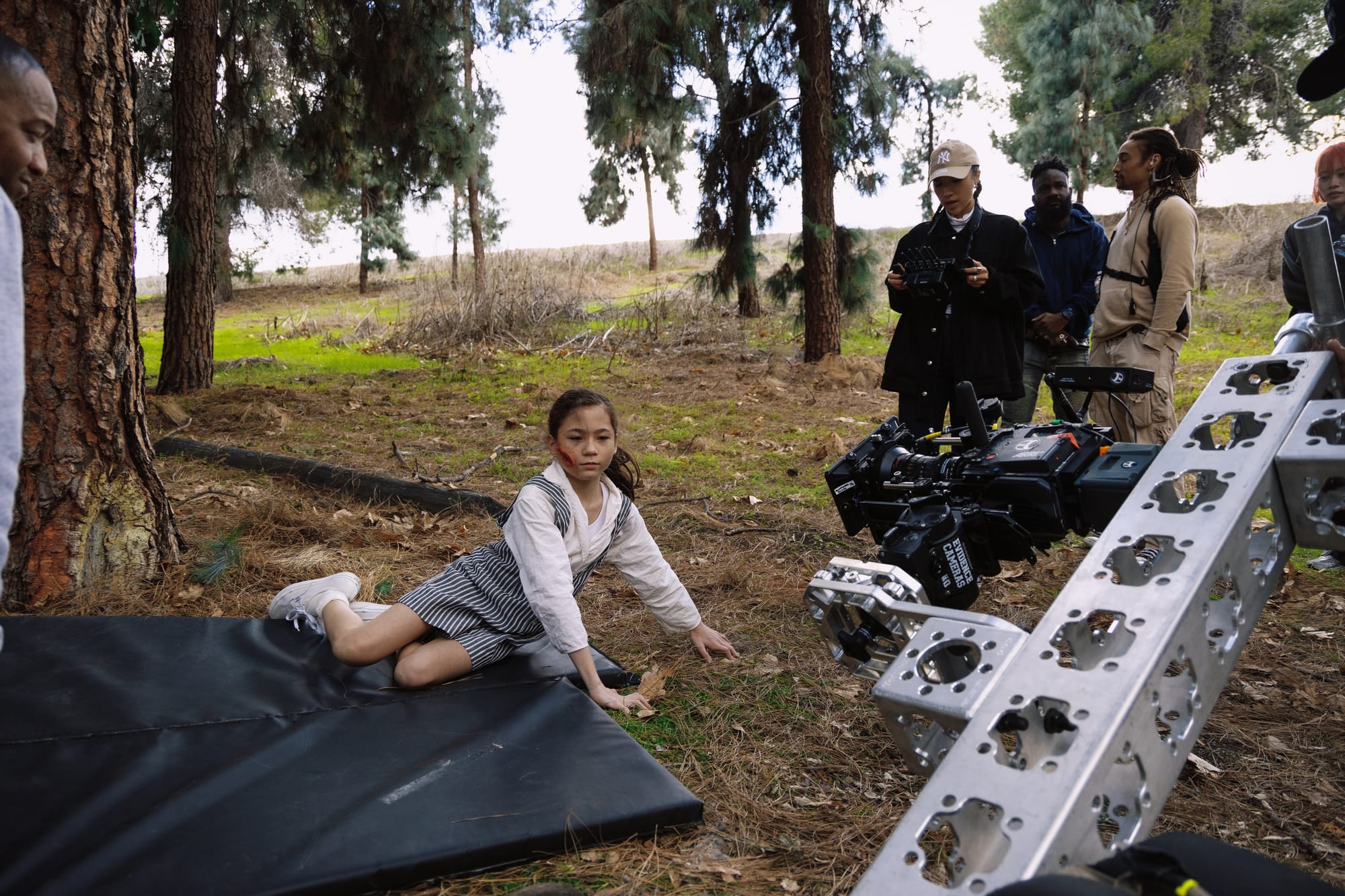
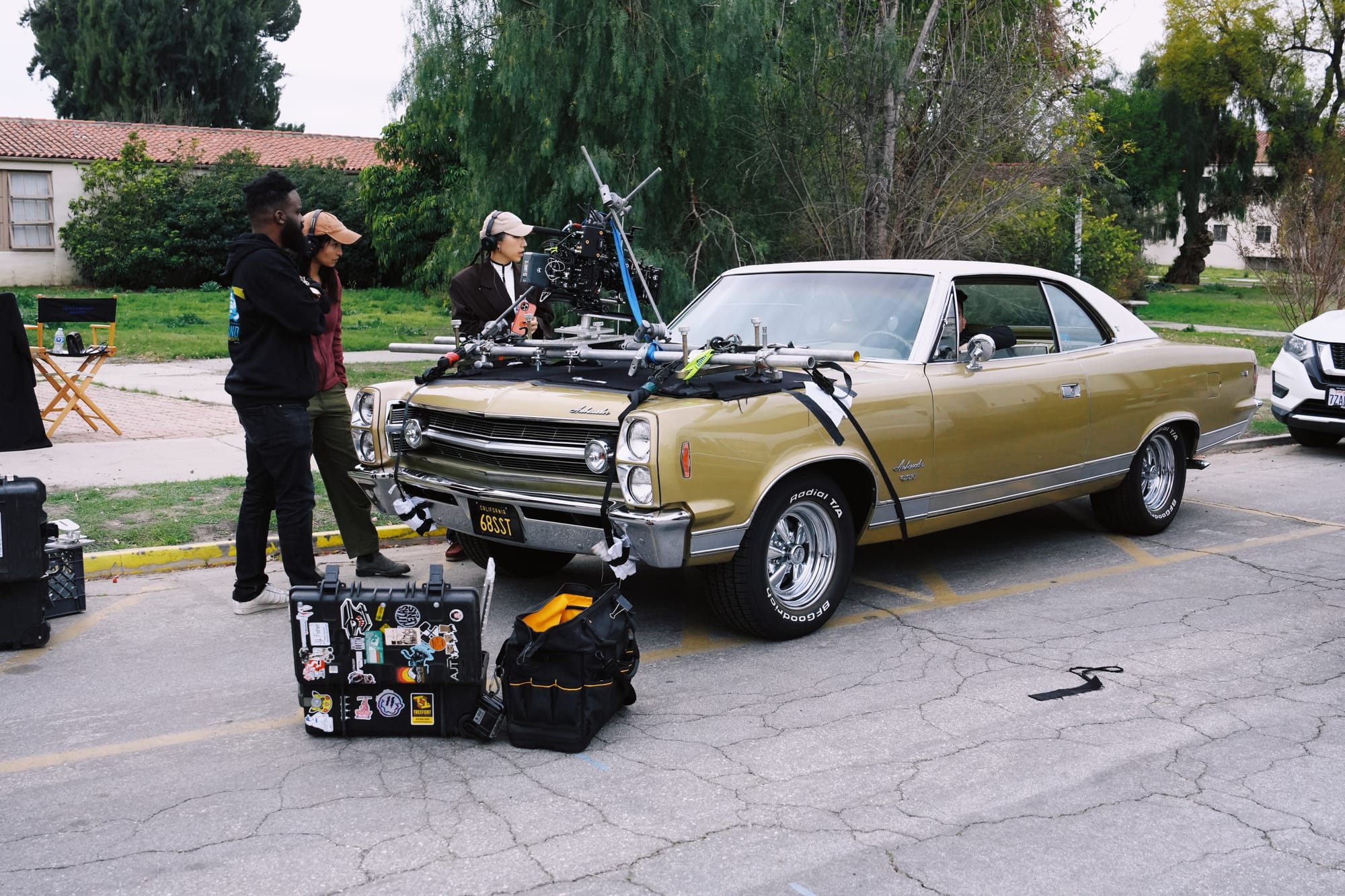
Without question, cutting our stunt scene at the end. The film was ambitious from the start: set in the 70s, featuring several minors, stunt work, a monster, prosthetics, and only three shooting days. Naturally, some sacrifices had to be made. Ultimately, the film works emotionally without the big stunt sequence at the end. But did cutting it hurt? Oh ya. I come from a dance background, so stunt work feels like choreography to me, I love it. But this was a true kill-your-darlings moment, and we had to be disciplined about what truly served the story.
What tool, technique, resource, collaborator, or mindset shift helped most during production?
Being open enough to treat process as discovery.
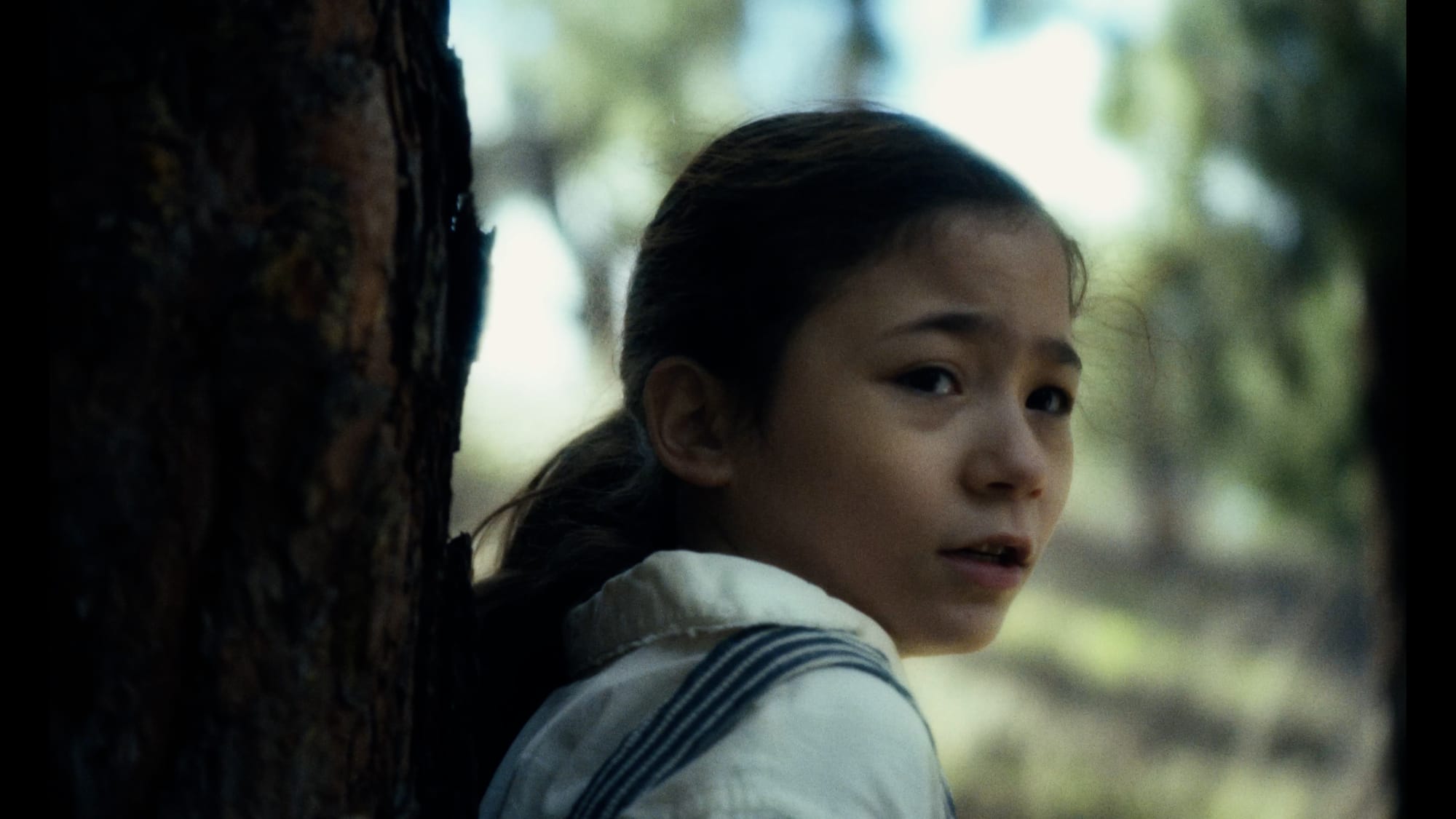
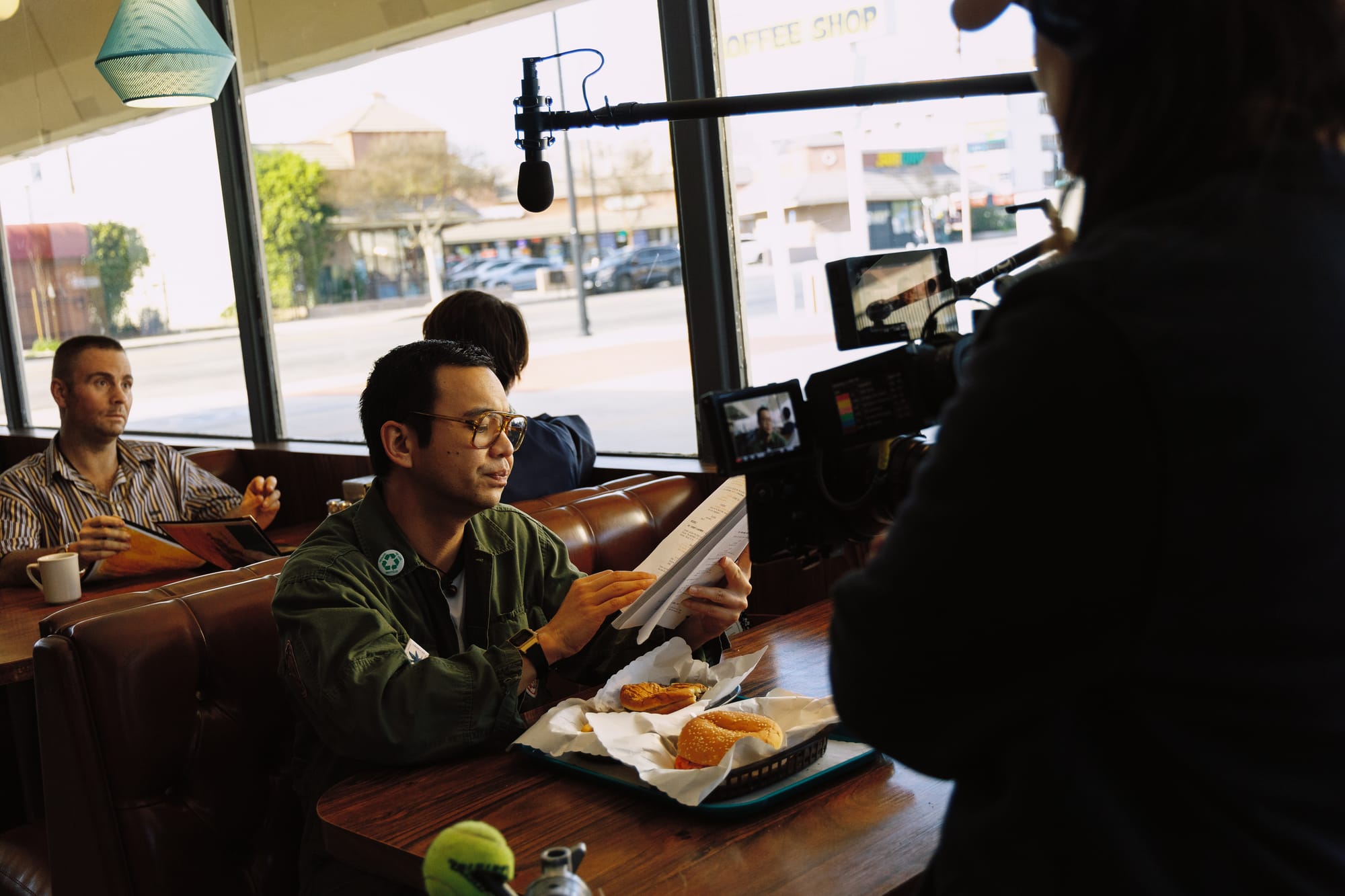
My co-writer, Vanessa Vo, and I spent countless hours working through the monster's mythology and mechanics. Most of what we developed never made it onscreen, but none of that discovery was wasted. To create a monster that embodied our themes, I worked closely with our monster designer, Austin Jose, to determine how to bring the creature to life. And when I tell you that my producer, Ramfis Myrthil, and I pulled the production together in two weeks, I'm not exaggerating. It was an enormous challenge, and only the right team could have made it possible. There are so many other collaborators I could name. Every one of them helped shape the film.
How does your film fit within, or push the boundaries of, its genre or form?
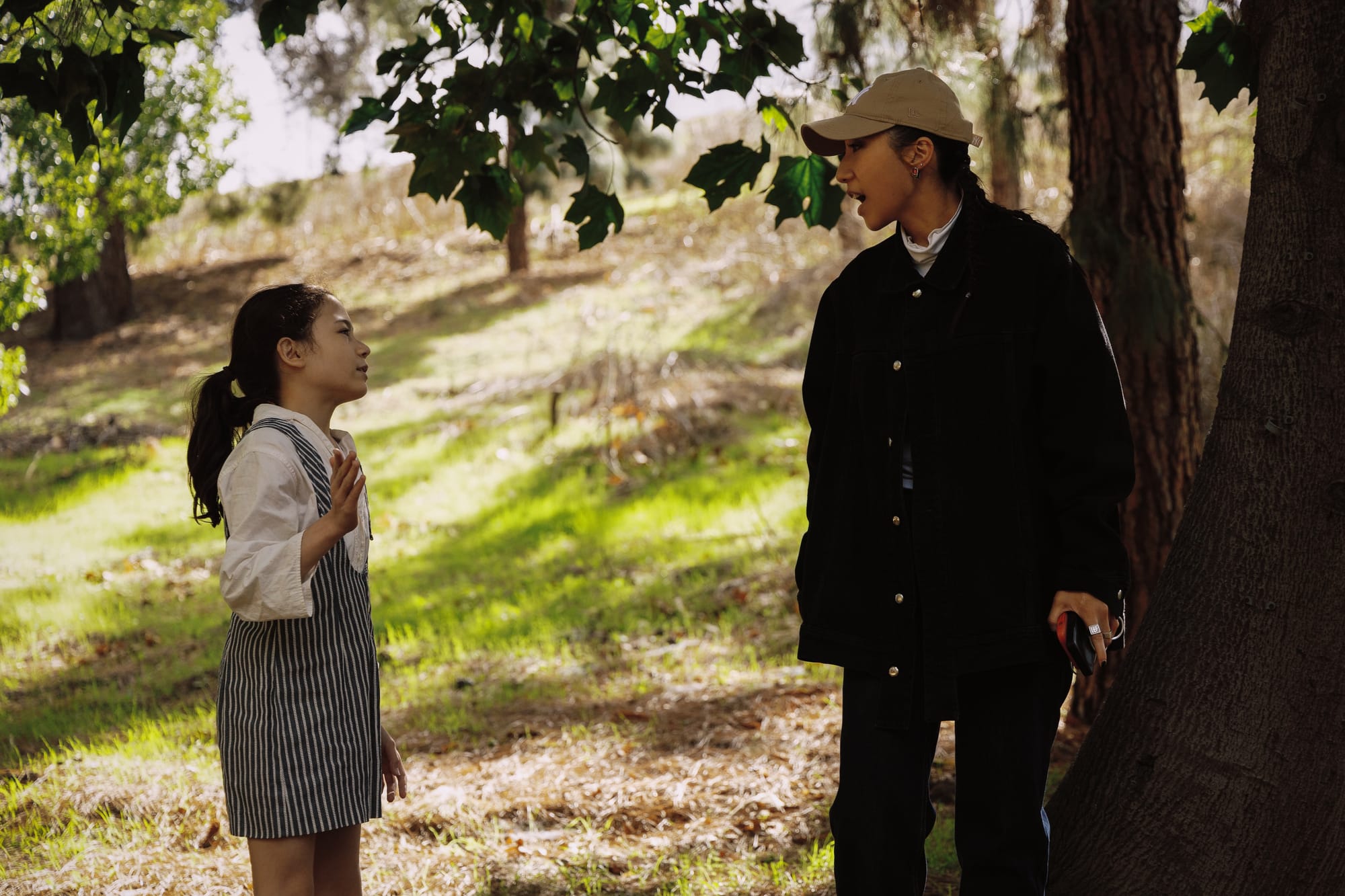
If you invite an audience to a horror film, you do owe them some horror. I respect that contract. But rather than beginning with the tropes of the genre, we started with our character, Dana, and let her emotional reality determine where the horror lived, how it moved, and what shape it took.
What do you hope audiences take away from this film?
I'm less interested in prescribing a single takeaway. Instead I hope audiences recognize the insidious ways our histories, memories, and lived experiences can shape our professional spaces. And the importance of dismantling them.
What is the greatest strength of independent filmmaking, and how did you lean into it on this project?
The freedom to take creative risks. For me, independent filmmaking means committing to a vision, finding inventive ways to realize it, and bringing together brilliant folks who are just crazy enough to believe you can achieve it.
What does it mean to have your film selected for HollyShorts, one of the world's premier short film festivals?
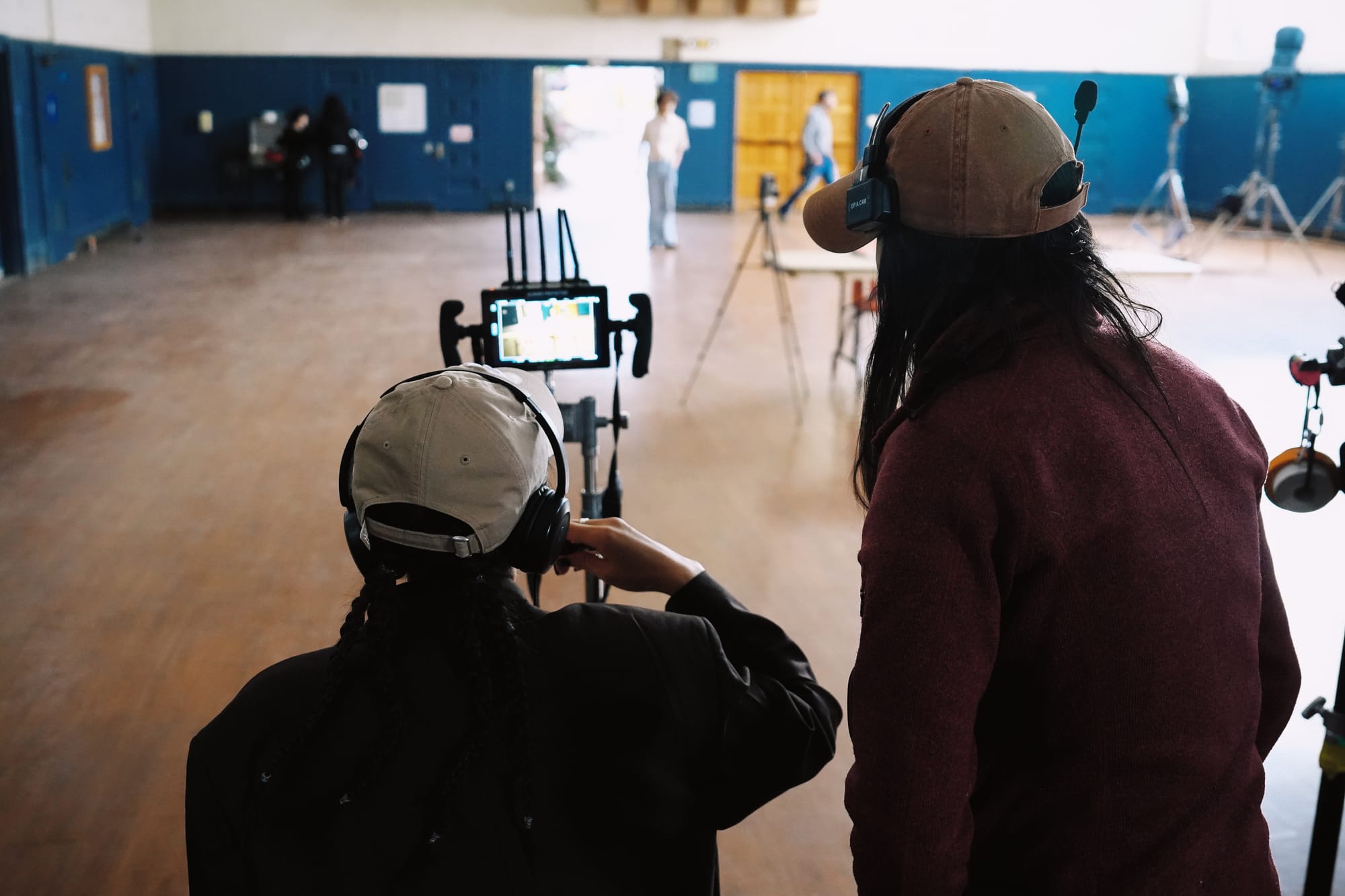
This feels very full circle. We submitted the script to HollyShorts in 2024, and it became a finalist for their screenplay competition. At that point, Yaoguai was still just words on a page plus a very ambitious monster I hadn't been forced to figure out how to build just yet. Now we're returning with the completed film for its world premiere. HollyShorts was one of the first to recognize the story's potential, and now it will be where the film meets its first audience, so it's very special to us.
How has this film shaped or shifted the kinds of stories you want to tell next?
This was my first time directing horror, and I loved it. I've always been drawn to genre. Thriller, sci-fi, action, horror. I love all of it, and now I'm hungry for more.
I'm currently developing Yaoguai as a feature. It explores the same themes but gives us more room for big, fun set pieces, deeper mythology, and more opportunities to push (and blur) the boundaries of genre filmmaking. It's been a few years since we began writing the short, and I've evolved as a storyteller since then. Returning to those themes with a fresh perspective, and shaping them into something that feels deeply connected to the moment we're living in, has been both rewarding and creatively invigorating.
Main Cast & Crew
- Director — Mimi Lee
- Producers — Ramfis Myrthil & Mimi Lee
- Writers — Vanessa Vo & Mimi Lee
- Executive Producers — Lauri Firstenberg & Elaine Sir
- Co-Producers — Jonathan Segal & Angel Williams
- Casting Director — Tanya Giang
- 1st AD — Brandon Scotland
- Director of Photography — Veronica Bouza
- Editor — Ilana Rozin
- Music Composer — Jon Ong
- Production Designer — Rashi Jain
- Costume Designer — Ruth Araujo
- Starring — Jessica Lee, Kevyn Fong, Sabine Grace
Filmmaker Opportunities
💛 Fund your next project with fiscal sponsorship
Have a project in the works? As a 501(c)(3) nonprofit, the Cinematography for Actors Institute can accept tax-deductible donations on your film's behalf — a door-opener for grants, foundations, and supporters who want to back your work. We've serviced over 100 projects to date and helped route over $800,000 in funding to filmmakers. Explore fiscal sponsorship →
📬 Grant deadlines and festival opportunities, straight to your inbox
The CFA newsletter rounds up grants, festival calls, and community news for independent filmmakers — the kind of opportunities that are easy to miss and painful to miss. Join the newsletter →
🎬 Focus on the creative — we'll help with the logistics
Production Management, CFA's newest member program, launches this November: production insurance and workers' comp, payroll, film permits, gear rental coordination, SAG-AFTRA compliance, contract drafting, production consulting, and crew recommendations — handled by a team of working filmmakers, à la carte or all in, in partnership with Creative Access Group. It's waitlist-only until launch. Join the waitlist →
League of Filmmakers is published by our parent organization, the Cinematography for Actors Institute — a 501(c)(3) dedicated to education, community, and capital for underrepresented filmmakers and actors. Learn more about CFA →


