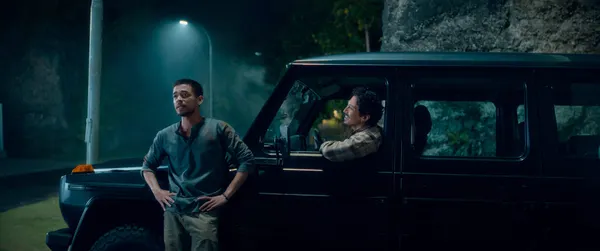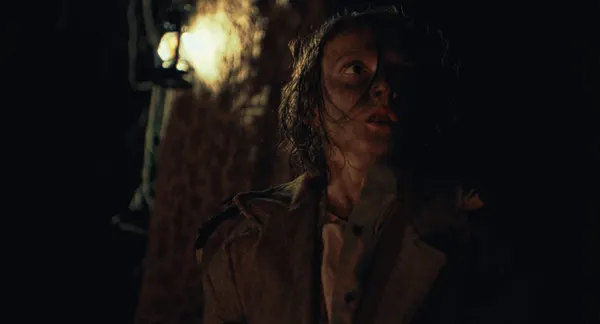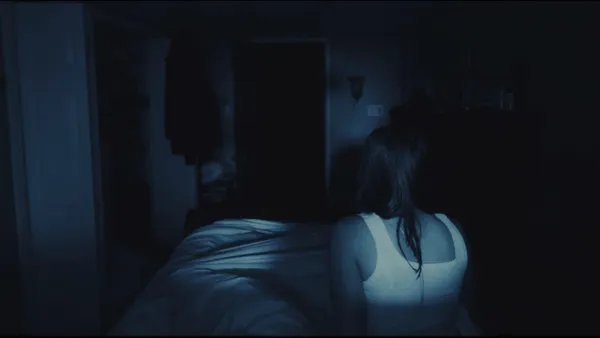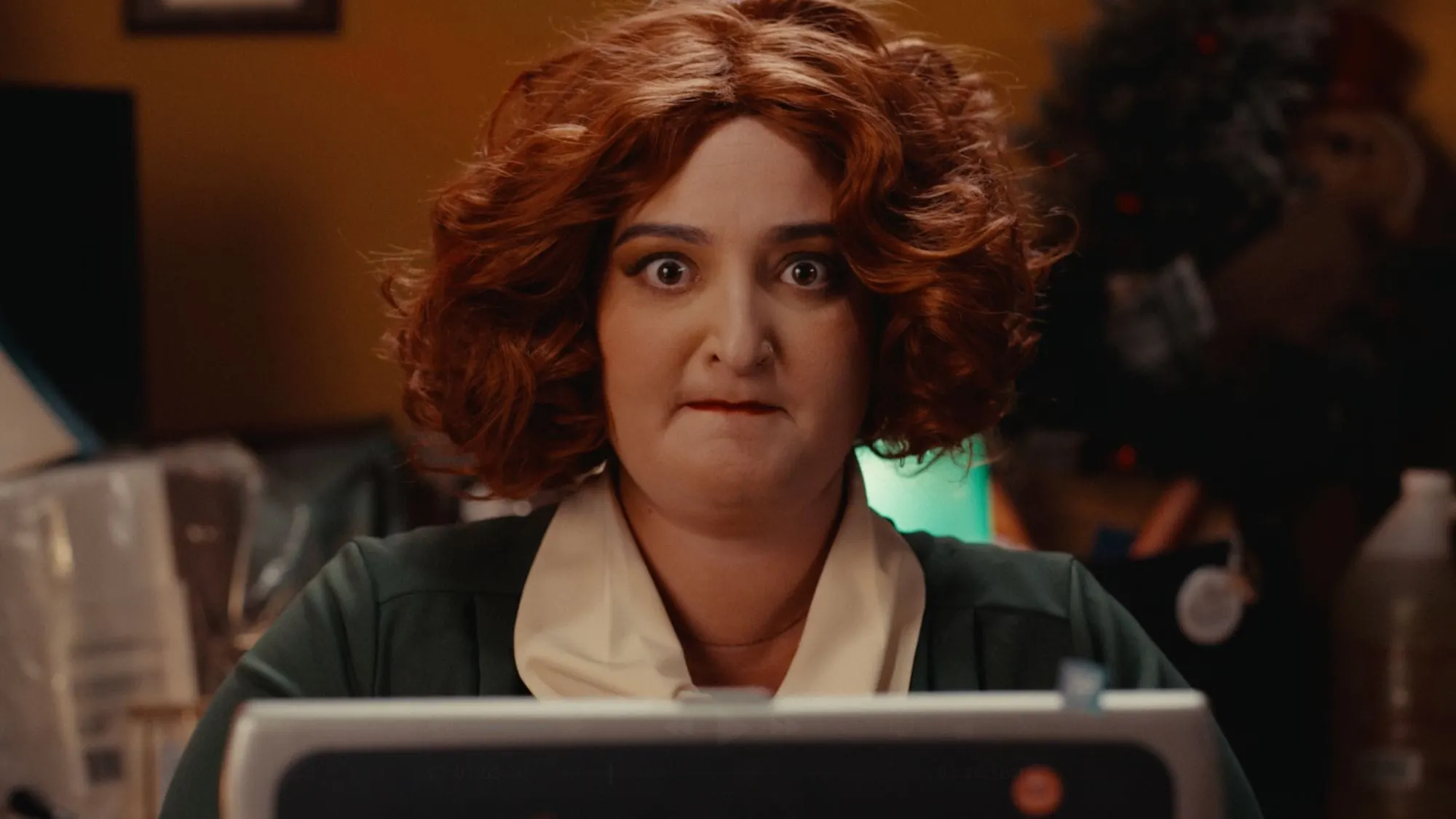
A simple interview spirals into a nightmare of bizarre encounters and escalating chaos. That's the logline, and it's also, more or less, the emotional weather report for anyone who has applied for work in the last few years. FRANKSLIST follows Meg Chambers through an obstacle course built out of corporate ego and insanity, and director-writer-editor Christine Celozzi calls it a darkly comedic, satirical love letter to the current interview process. "If you've ever been unemployed and desperately vying for your next paycheck," she says, "this film was made for you."
What makes the film land is that Celozzi isn't interested in lecturing anyone about the job market. She's interested in the absurdity of it — the hoops on fire, the performance of worthiness, the gap between what a role actually requires and what candidates are asked to prove. The result is a film that has collected best comedy, best horror, and best thriller awards, sometimes from the same circuit, and arrives at FilmQuest as something close to a homecoming.
Key Takeaways
- FRANKSLIST was built with all women+ department heads and an 85% women+ on-set crew, a structure Celozzi credits for how smoothly the shoot ran.
- The film resists single-genre classification, winning in comedy, horror, and thriller categories — which has made it both exciting and difficult to program.
- Celozzi's core producing team kept an obsessive director anchored, and the film's reception has given her the courage to go even further into absurdity next.
Below, Celozzi talks about the insanity she set out to document, the set culture that surprised her, and why FilmQuest feels like family.
Interview
What drew you to make this film, and why this story, why now?
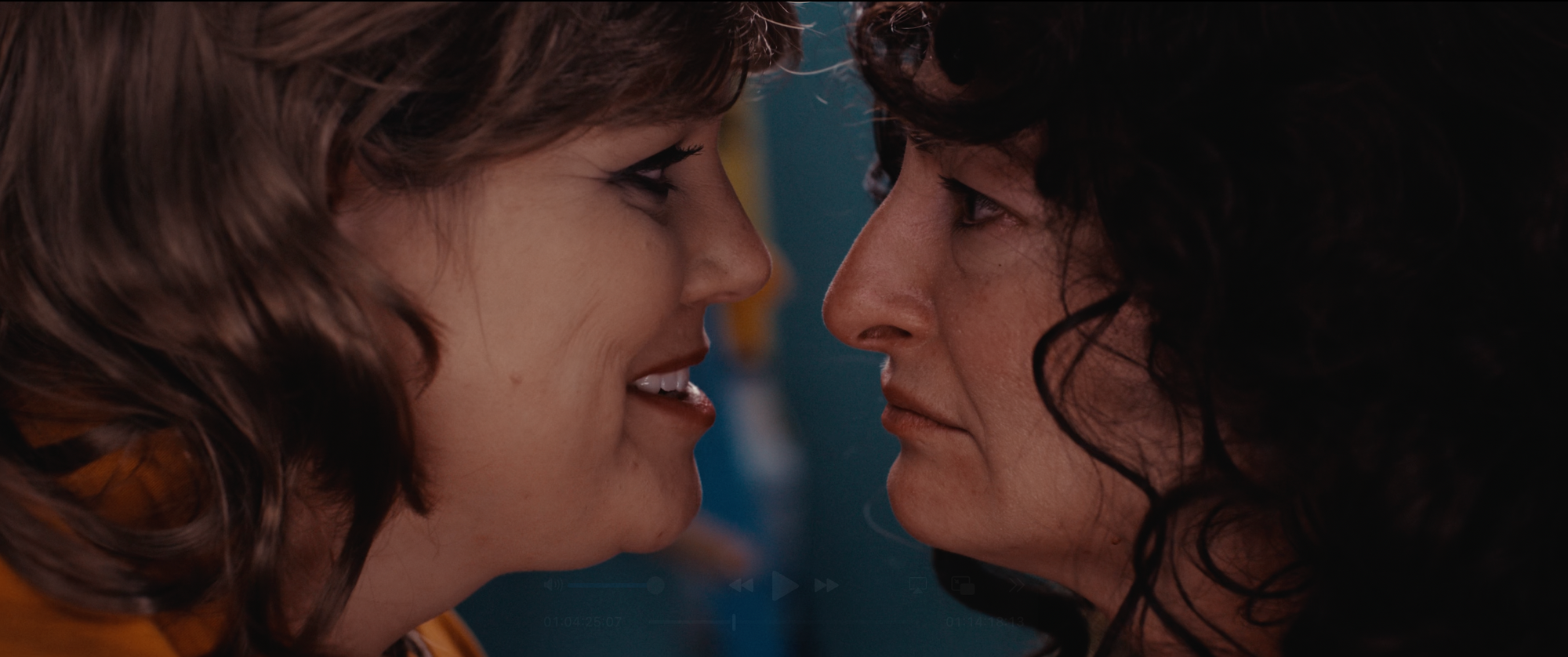
I wanted to make this film as someone who has experienced the sometimes-feeling-never-ending battle we go through when trying to find a job. The interview process associated with this current job market has us hopping through hoops on fire to prove that we're the best for a job that sometimes, quite frankly, an orange could do. It's insanity, and I wanted this film to be a love letter to the insanity and ridiculousness of this process, which seems to be resonating with a lot of people in our current economy. Now seems to be the time to question and analyze how over-the-top interview processes are and whether or not it's necessary.
What surprised you most about the filmmaking process, creatively or logistically?
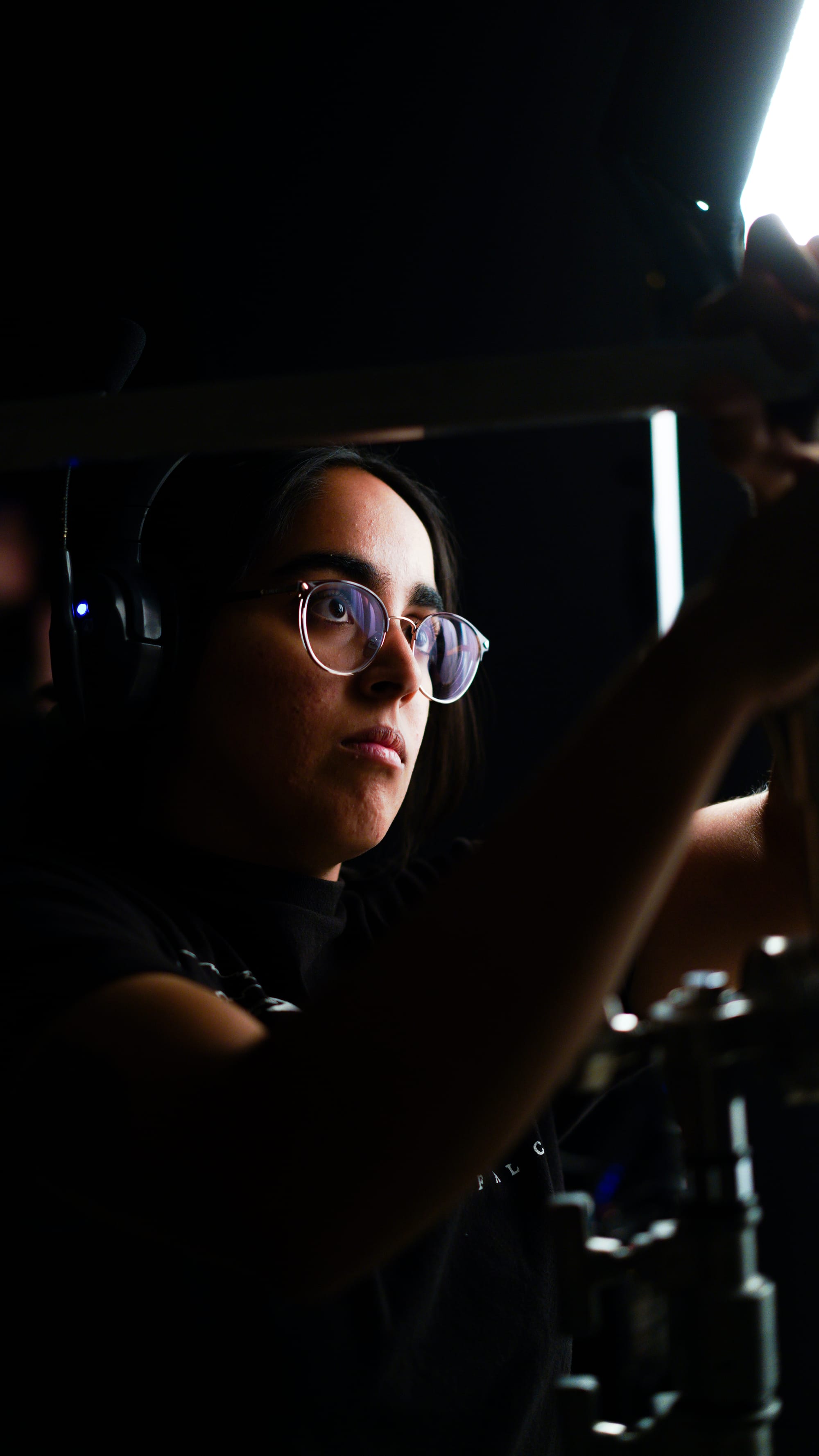
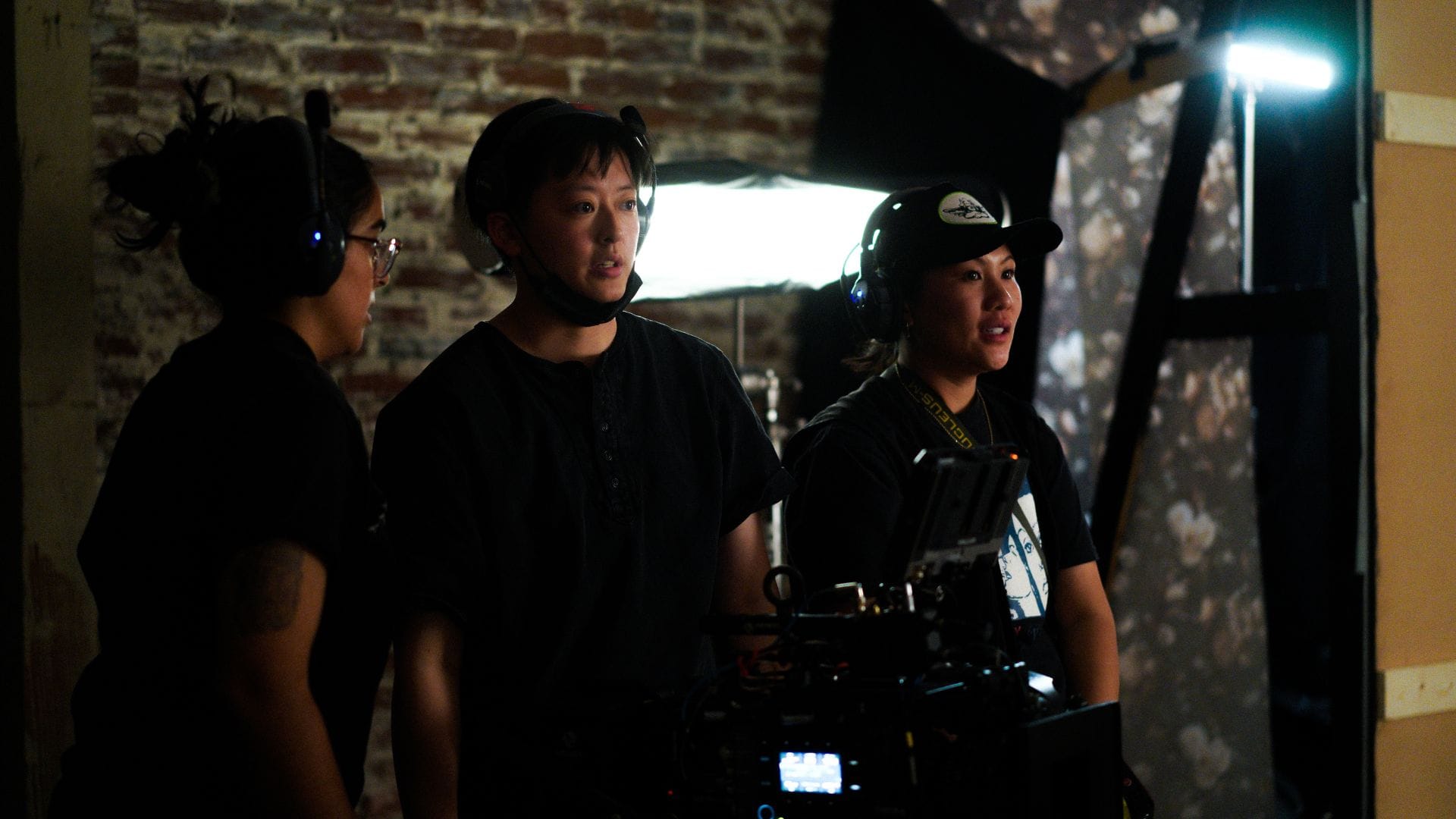
The thing that surprised me the most with this particular film has nothing to do with the story at hand, but the story happening behind the scenes. We had all women+ department heads and 85% women+ on-set crew, and I was so pleasantly surprised at how well-oiled the machine was. We communicated, we shared respect, excitement, kindness. It was incredibly important to myself and my producers that everyone on set felt safe, heard, and, above all, happy, and as a result we had crew members tell us this was one of their greatest experiences on set, which as a director, I can't ask for more.
What moment in the film feels most like you, or like something only you could have made?
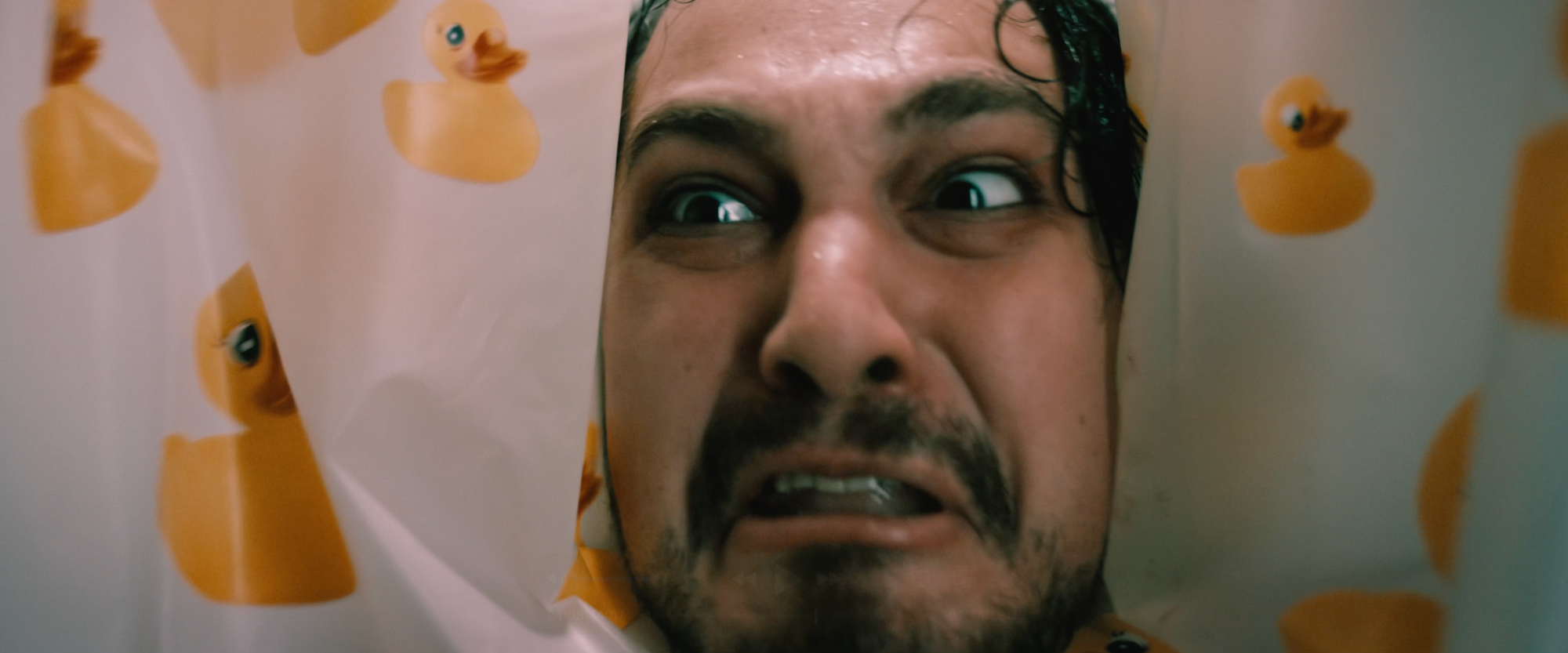
The whole thing. It's a fever dream. It's on brain. I like making weird, absurd films that make you feel uncomfortable to the point that you laugh. I've had quite a few friends say, "oh yes, it's definitely a Christine Celozzi film," which always makes me chuckle.
What was the hardest creative decision you made while making the film?
Having to sacrifice some of the more stylized shots for time broke my heart a little bit, but you wouldn't be able to tell as just an audience member. Yuxin did a fantastic job working with me and Rose on set to make the shots more manageable time-wise. And overall, I'm very happy and proud with how the film turned out.
What tool, technique, resource, collaborator, or mindset shift helped most during production?
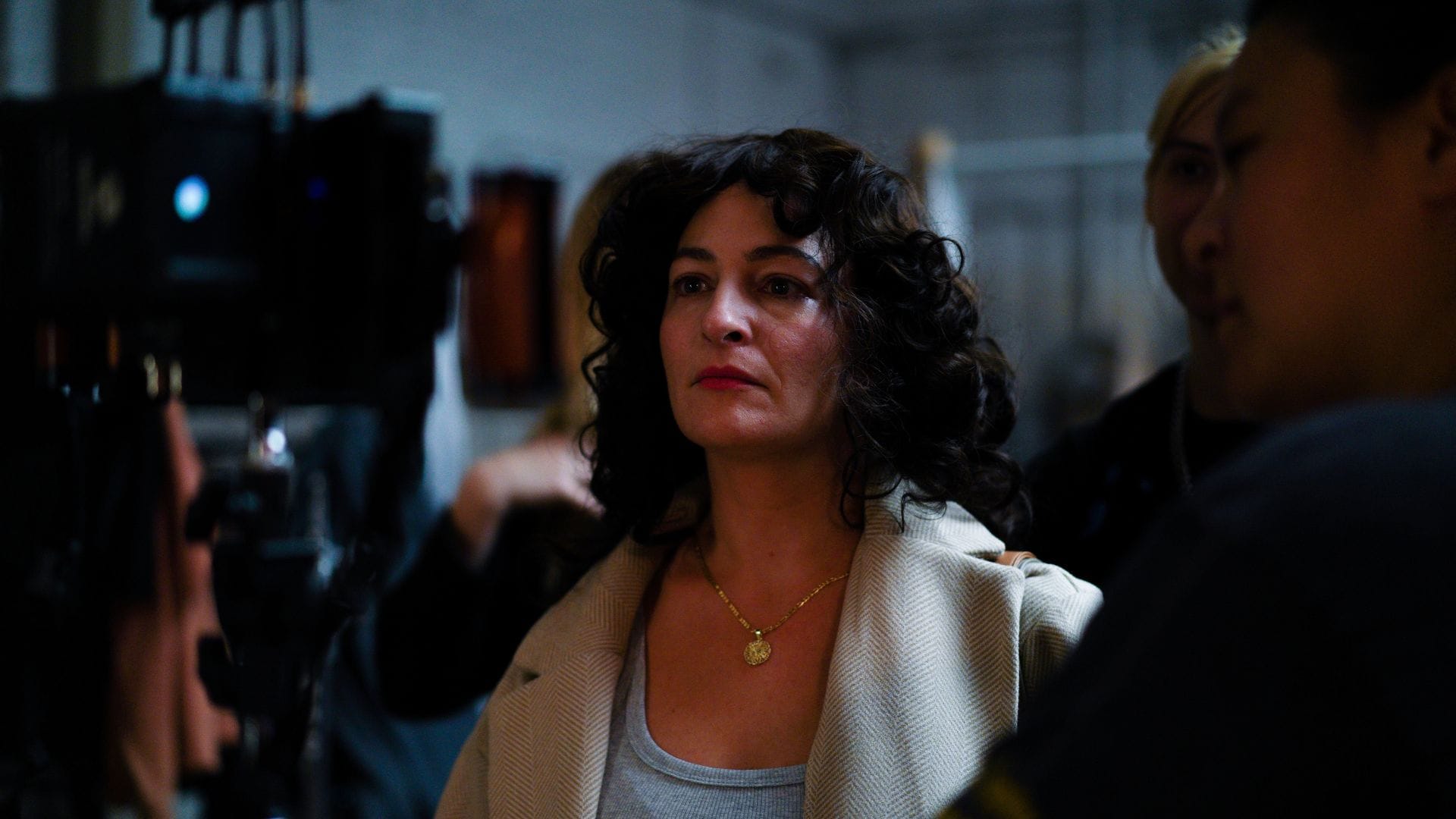
My core team — Ming Fen, Rose, and Alexa. Definitely. I was obsessed, and they were the anchors that held me in place so I didn't completely go off the rails.
I'd also say the greatest strength of independent filmmaking is resiliency. No matter how hard things get, your hunger as an independent filmmaker drives you. Our entire team leaned into this notion. There wasn't a single hurdle we couldn't figure out or overcome. I would say allow yourself to think as far outside of the box as possible and keep the faith that it's all going to work out exactly as it's supposed to.
How does your film fit within, or push the boundaries of, its genre or form?
I'd say our film definitely pushes the boundaries of genre. We're difficult to pin down to a single genre. We've won best comedy, we've won best horror, we've won best thriller. To have so many elements wrapped into one, we've been told it can be difficult to program our film because of the many places it fits and at the same time doesn't. It's been a very interesting experience to see the different ways in which this project has been viewed, and it's eye opening.
What do you hope audiences take away from this film, and how has it shifted the stories you want to tell next?
I hope it gives them a mental break. I like providing everything for an audience, so all you have to do is sit back and relax and let it guide you without knowing where you're going. The end result always being, "what the fuck was that?" And then you can take the evening to analyze all of the subtext, red herrings, and easter eggs.
The reception of FRANKSLIST has given me more courage to explore the world of absurdities. My next story is even more off the walls, and I'm so excited that FRANKSLIST has essentially paved the way for that. At the core of all my work is a desire to make people laugh while making them feel seen.
What does it mean to have your film selected for FilmQuest, and where do you see the film going next?
The most. FilmQuest is my favorite film festival, so to be able to bring a project to FilmQuest and be welcomed back is a feeling of coming home. These people have become family to me, and I can't wait to give them all a massive group hug. And hopefully we continue trekking on the festival circuit.
Main Cast & Crew
- Christine Celozzi — Cast; Director, Writer, Editor
- Alessandra Levy — Cast
- Katie Novotny — Cast
- Mitchell Slan — Cast
- Rebecca Gomberg — Cast
- Ming Fen Congdon — Producer, Production Designer
- Rose Knight — Producer, 1st AD
- Alexa Frisch — Producer, Production Manager
- Yuxin Cha — Director of Photography
Filmmaker Opportunities
💛 Fund your next project with fiscal sponsorship
Have a project in the works? As a 501(c)(3) nonprofit, the Cinematography for Actors Institute can accept tax-deductible donations on your film's behalf — a door-opener for grants, foundations, and supporters who want to back your work. We've serviced over 100 projects to date and helped route over $800,000 in funding to filmmakers. Explore fiscal sponsorship →
📬 Grant deadlines and festival opportunities, straight to your inbox
The CFA newsletter rounds up grants, festival calls, and community news for independent filmmakers — the kind of opportunities that are easy to miss and painful to miss. Join the newsletter →
🎬 Focus on the creative — we'll help with the logistics
Production Management, CFA's newest member program, launches this November: production insurance and workers' comp, payroll, film permits, gear rental coordination, SAG-AFTRA compliance, contract drafting, production consulting, and crew recommendations — handled by a team of working filmmakers, à la carte or all in, in partnership with Creative Access Group. It's waitlist-only until launch. Join the waitlist →
League of Filmmakers is published by our parent organization, the Cinematography for Actors Institute — a 501(c)(3) dedicated to education, community, and capital for underrepresented filmmakers and actors. Learn more about CFA →