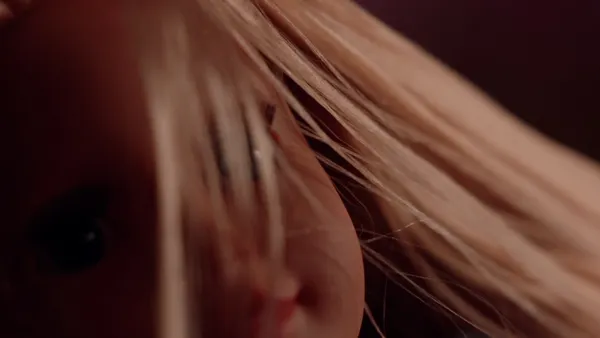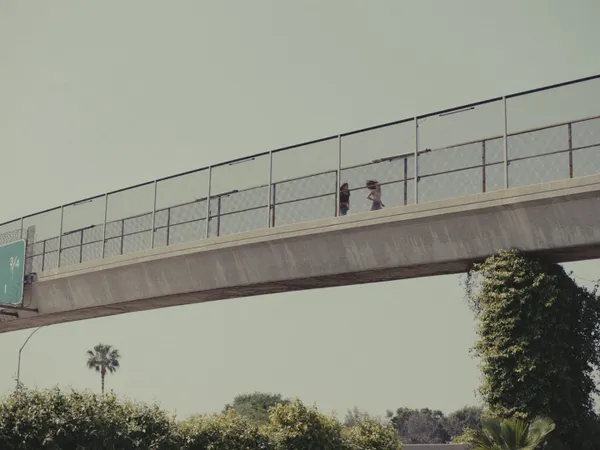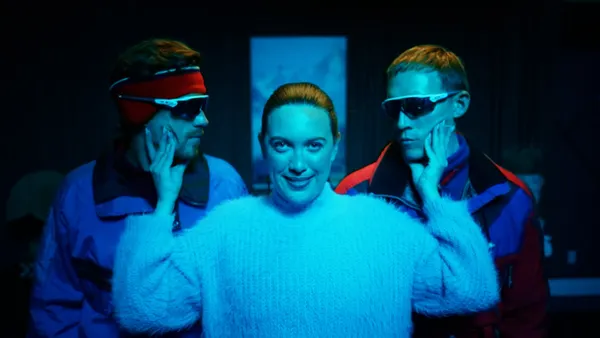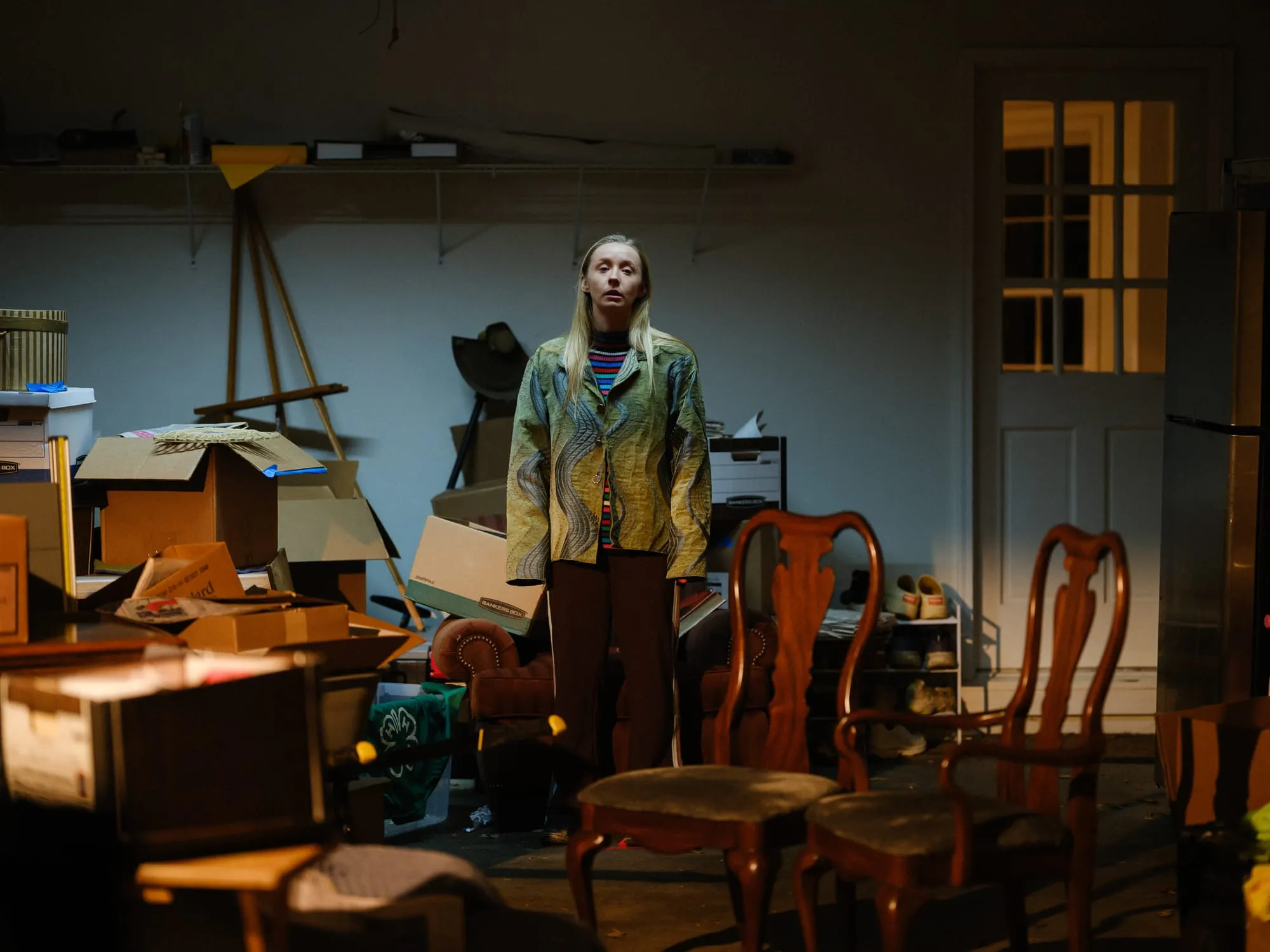
John Roche III's Love in All the Wrong Places opens on a premise as blunt as its two-word logline — "Become Her." After being denied the right to love in a state-controlled society, a young woman becomes obsessed with her neighbors' relationship. When she discovers a brutal method of inherited magic, she risks everything to experience intimacy, with unforeseen consequences.
Roche, an Atlanta-based filmmaker, writer, and commercial director, is the founder of Juice Factory Media and has published a book of poems and short stories. His work blends sharp comedy, strong visuals, and a distinctly offbeat sensibility, and all three are at work here. The film has been sitting inside him for years — characters came and went, endings changed, the rules of the invented society and its magic kept shifting — until it distilled into something that refuses to settle into a single genre. Folk horror, dystopian science fiction, thriller, body horror: it's all of them, and Roche is at peace with that.
Key Takeaways
- The film grew out of years of rewriting, with Roche distilling shifting characters, endings, and magic rules into a single shooting script.
- Obsessive prep — including walking the shots with DP Kristian Zuniga on a DSLR before the shoot — made the set calm, fast, and creatively open.
- Roche sees the film as genre-resistant by design, and is already developing a feature version of the story.
Below, Roche talks about repression and internet cruelty, the one moment of real panic on set, Anthony Doud's score, and why preparation is the kindest thing a director can offer a crew.
Interview
What drew you to make this film, and why this story, why now?
This story bounced around in my head for years. Different characters came and went, different endings, what the rules of the made up society and magic were. It took a lot of distilling in order to come to the shooting script we did.
There's something intoxicating to me about this story. It deals with the extremely powerful desire to be loved, a world that represses your instinct to reproduce, and this very flimsy, finicky idea of intimacy that holds everything together.
Whenever I see some bizarrely mean spirited comment on the internet these days I immediately recognize that person as feeling unloved or undesired.
What surprised you most about the filmmaking process, creatively or logistically, including any moment on set or in post that changed how you saw the story?
I was pretty shocked as to how calm I was through the process, lol. We prepped this project like crazy. To the degree that I really felt walking on set like, "Ok, this is going to be what it is now. No reason to panic, that certainly won't help."
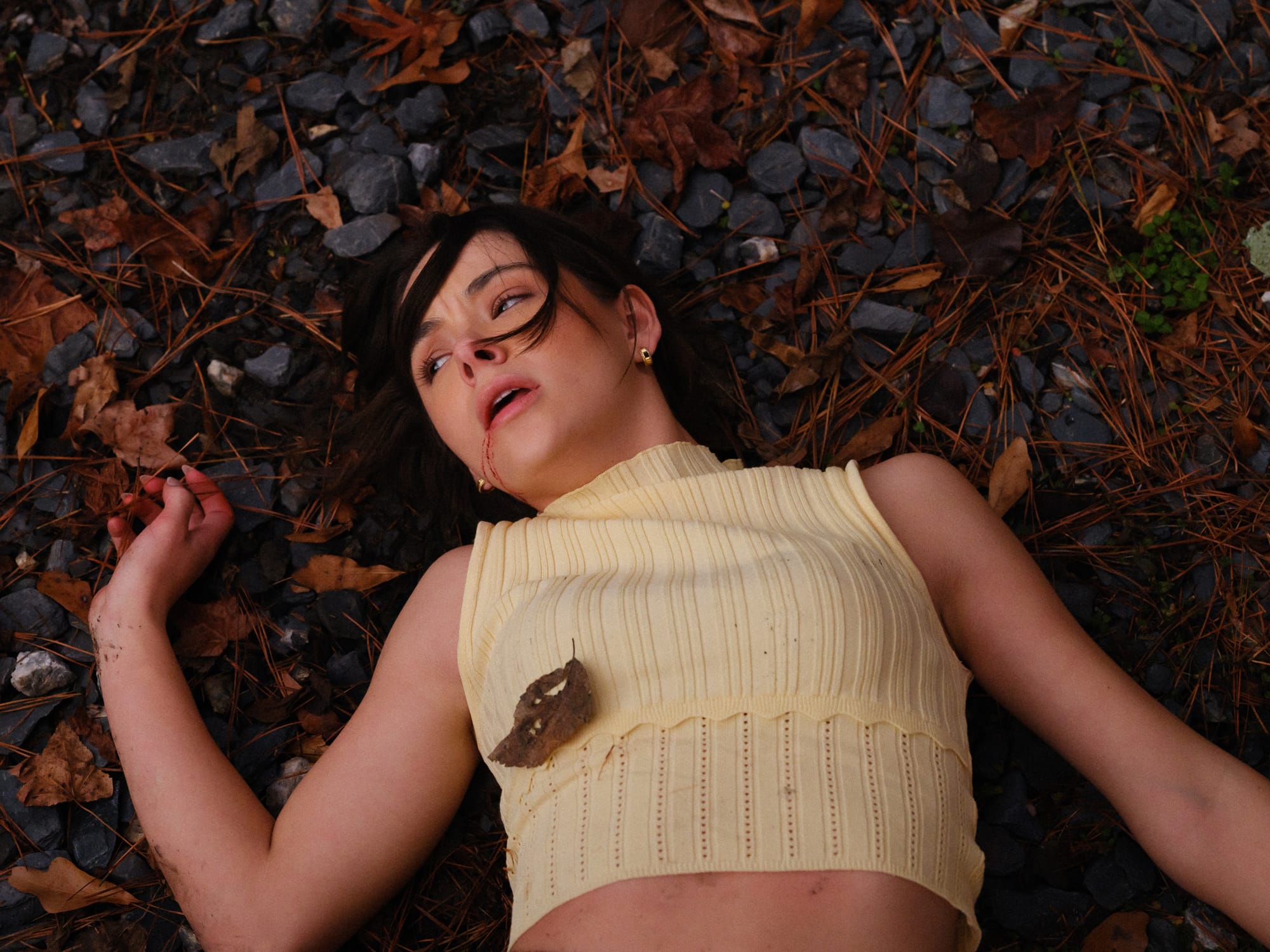
There was really only one moment of climactic stress as the sun set during an important performance.
What moment in the film feels most like you, or like something only you could have made?
I would say there are two.
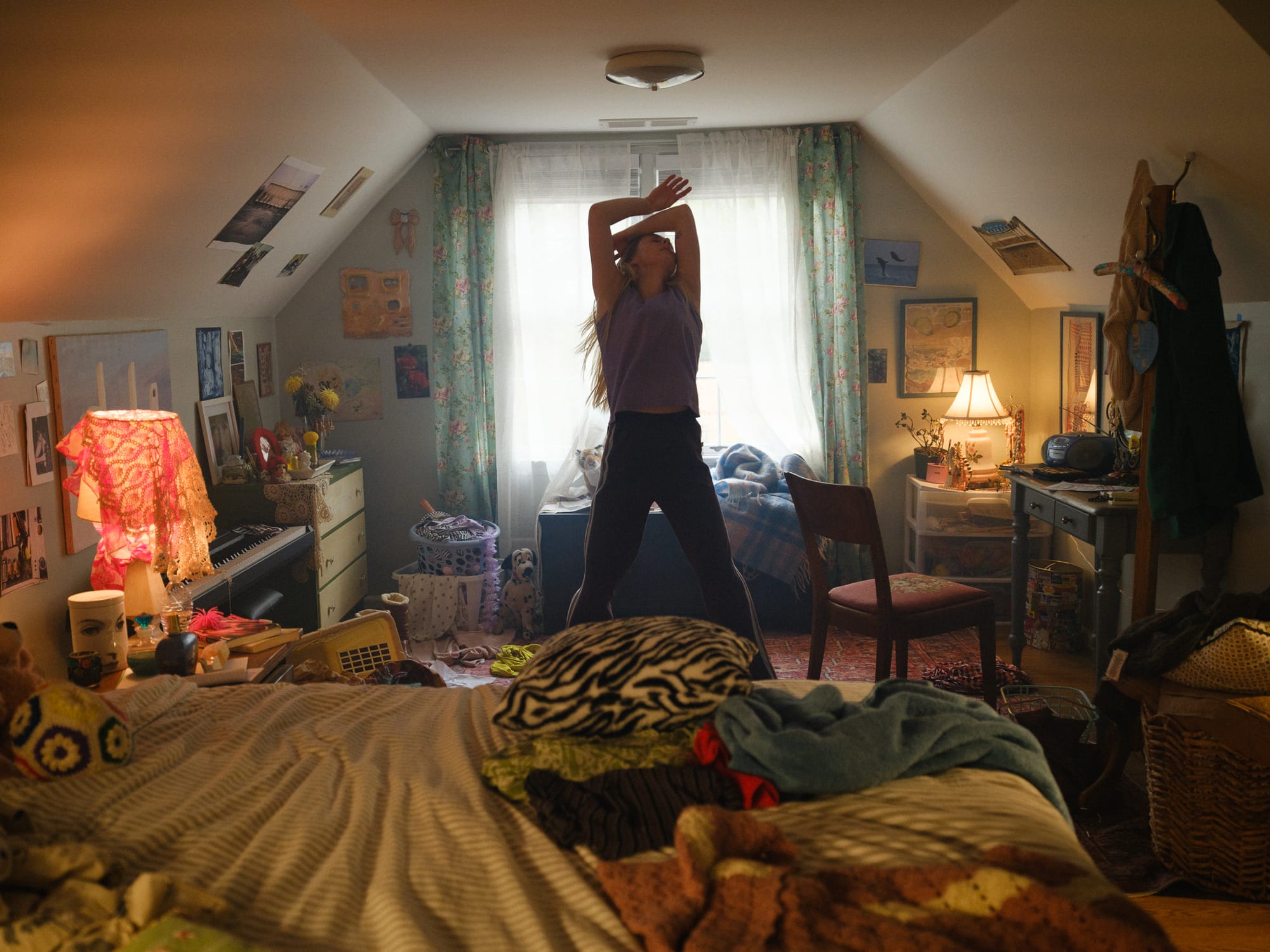
The intro through the title and into the dance sequence / masturbating. That feels pretty savage, funny, and visceral. Very happy with that.
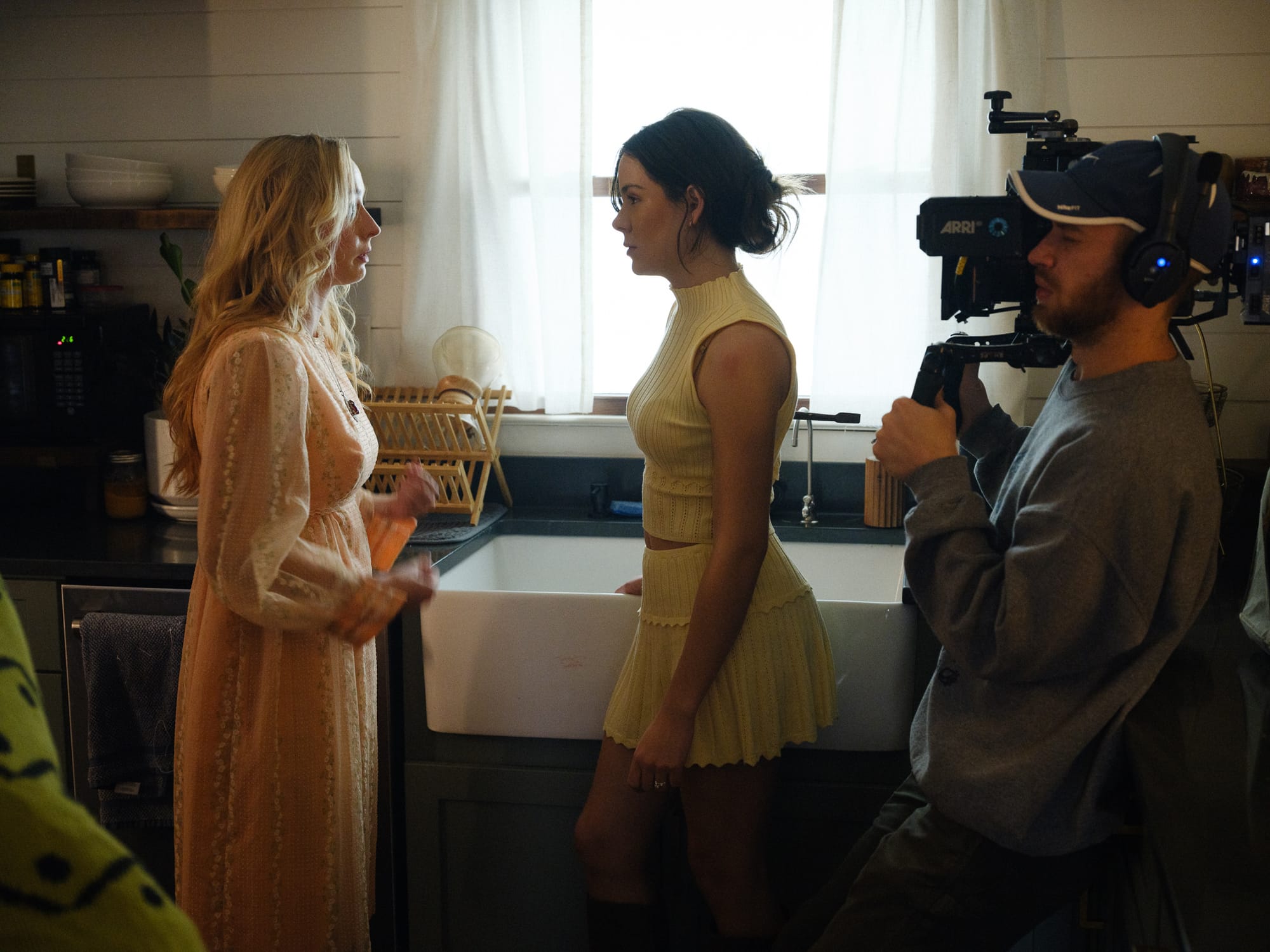
The other is the disturbing messiness of Katie and Petra duking it out in the kitchen.
Ok, honorable mention… the score to this movie is AMAZING. Made by the great Anthony Doud. I am so, so proud of the music and feelings per each scene.
What was the hardest creative decision you made while making the film?
Casting our lead. There were some great candidates, but it would've been our loss to go with anyone but Aedin Waldorf. She is such a killer in this, and I have never had more fun, trust, and ease working with an actress before.
What tool, technique, resource, collaborator, or mindset shift helped most during production?
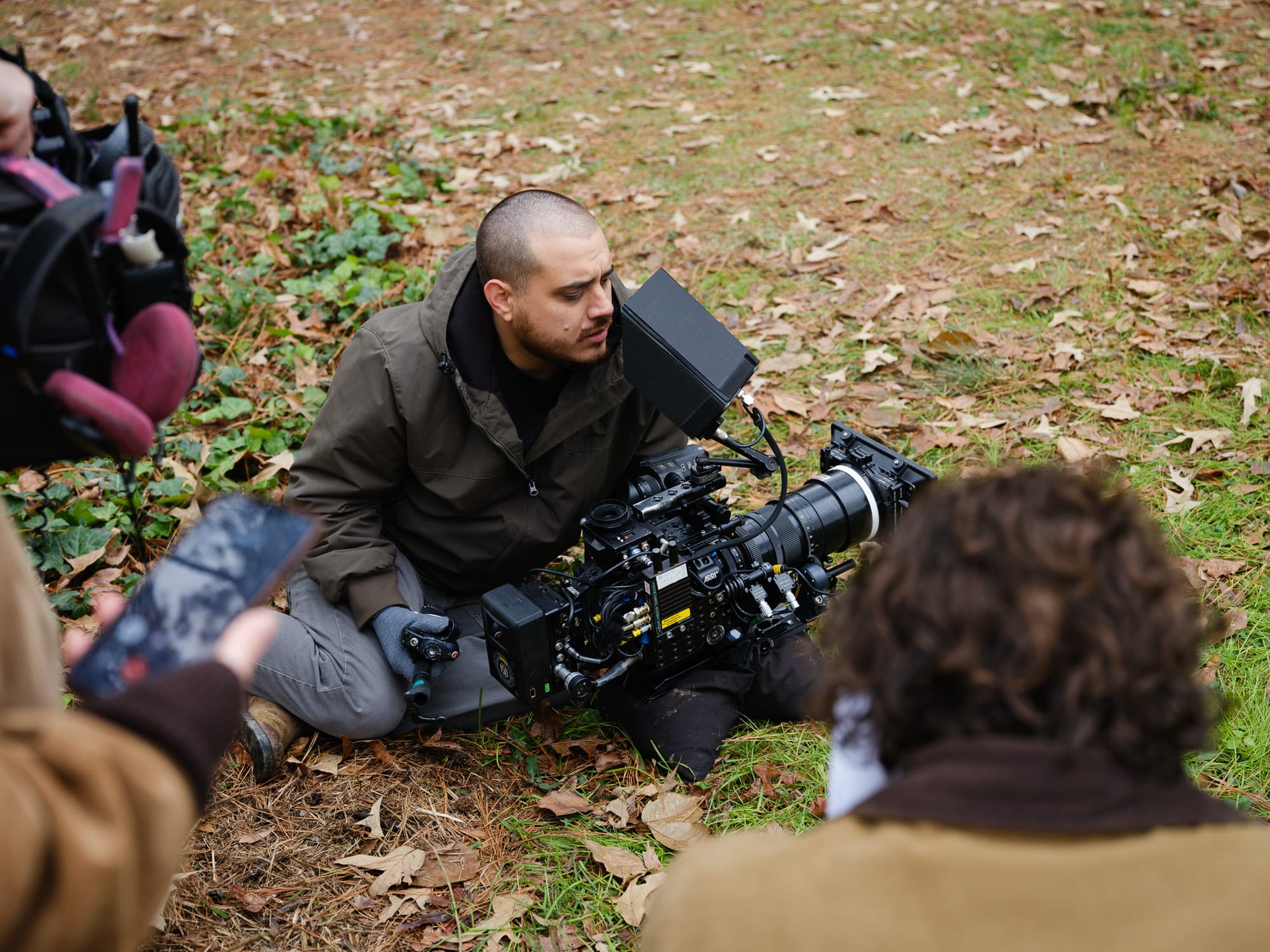
My DP, Kristian Zuniga, was amazing. We got together before the shoot days and worked through our shots on a DSLR, so on the day of shooting we both knew more or less where the camera was going next.
What is the greatest strength of independent filmmaking, how did you lean into it on this project, and what lesson would you share with others?
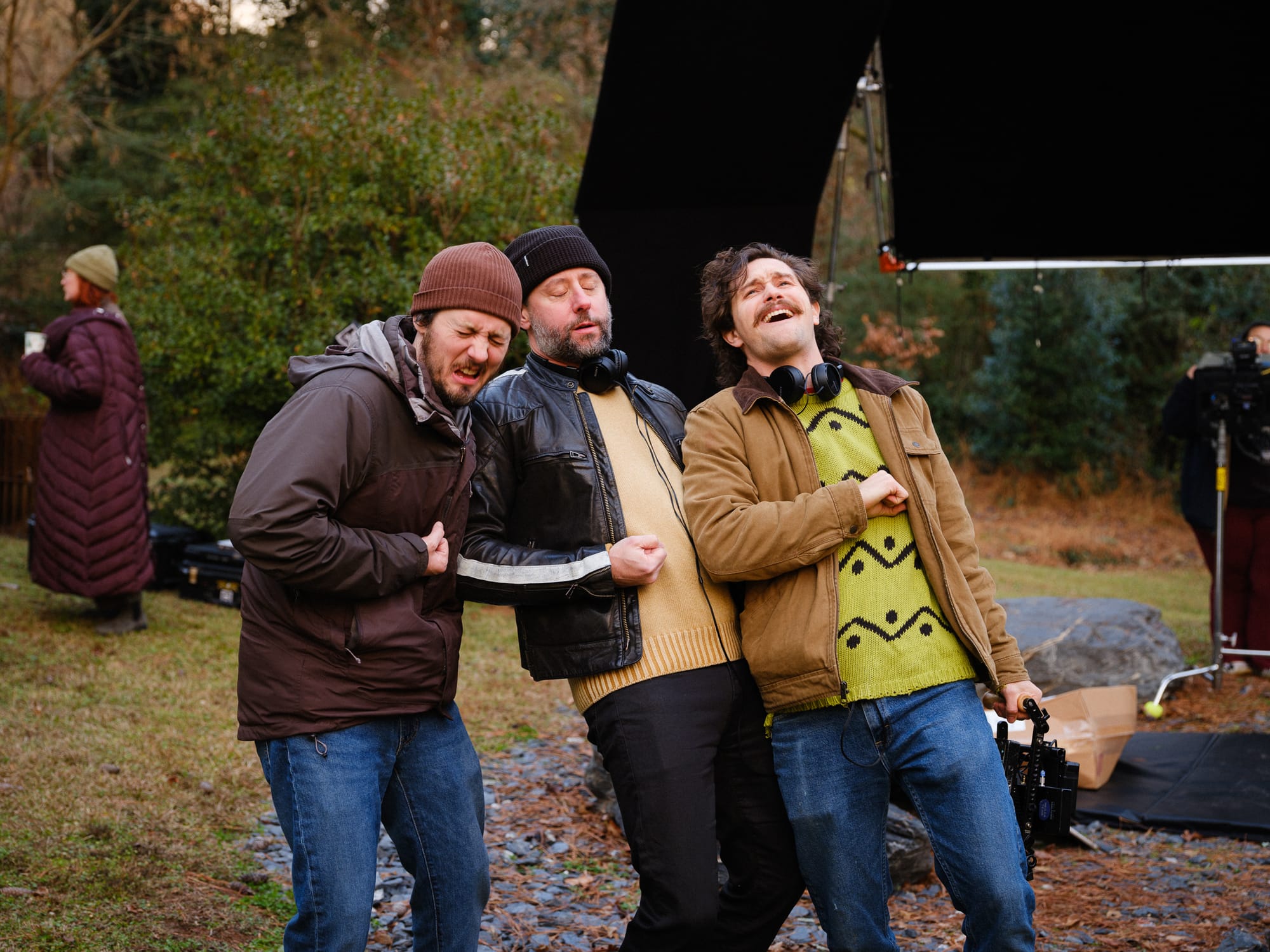
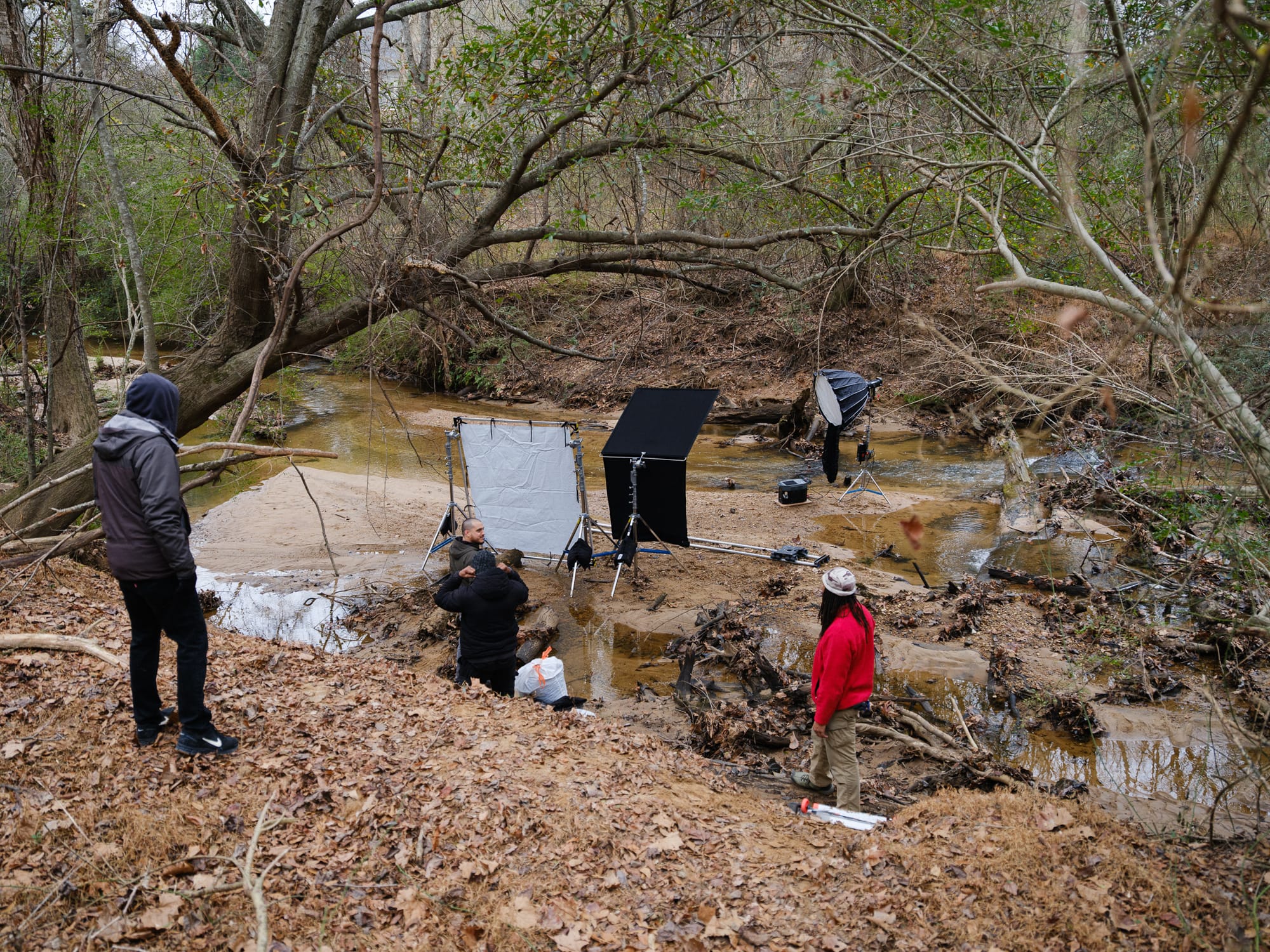
Human beings, man. The crew. These people are in this industry because they LOVE MOVIES. Just like you. None of us are here for CORPORATE INTERVIEWS??? Are you kidding? No way.
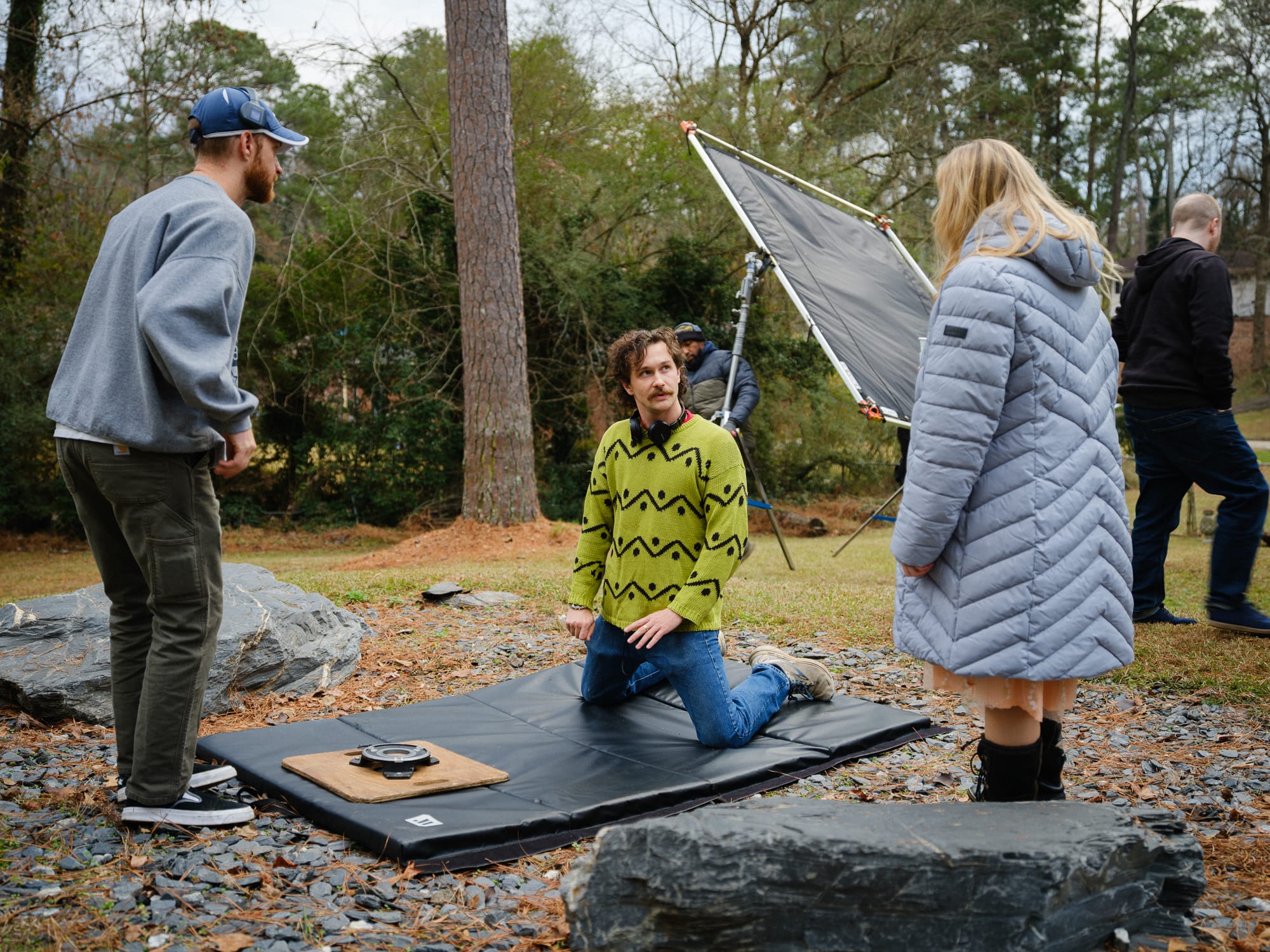
Inspire yourself, then share that with everyone around you. I did everything I could to make the shooting environment as fun and open and creative as possible, and I think that plays on screen.
It should not be stressful if you are prepared. When something goes wrong, eat shit and make a decision.
How does your film fit within, or push the boundaries of, its genre or form?
I think it really struggles to fit into genre. It's folk horror, dystopian sci-fi, thriller, body horror. I think it'll suffer on the festival circuit because of that, but a boy's gotta follow his heart. ;)
What does it mean to have your film selected for FilmQuest, and what do you hope audiences take away?
To be honest, I wasn't familiar with the festival when we first got accepted. But after digging around and talking to friends, reading about the fest, I am STOKED. These people are in it for the right reasons. I think we share a core philosophy of making things "for the people," accessible to all, and plainly FUN.
I love when a movie ends and I get to turn to my friend and be all, "Ok, I think this meant that, and this was my interpretation of this moment — what did you think??" Etc. I hope people talk to each other. :)
How has this film shaped the kinds of stories you want to tell next, and where does it go from here?
I think I am coming to terms with my interest in identity and intimacy. Inside me lives a pretty terrible body horror movie that is lying in wait, right next to an absolutely dead pan comedy. And maybe they're the same film.
Next: into the hands of some big muckety muck producer, 'cause there's a feature script in the works.
Finish this sentence: at the core of all my work is a desire to ______.
Weird people out and make them listen to cool music.
Main Cast & Crew
- Aedin Waldorf — Cast
- Kim Sandwich — Cast
- John Roche III — Writer, Director, Editor. Atlanta-based filmmaker, writer, and commercial director, and founder of Juice Factory Media, an all-in-one production company specializing in commercials, music videos, branded content, and feature and short films. He has published a book of poems and short stories. Both his writing and filmmaking blend sharp comedy, strong visuals, and a distinctly offbeat sensibility. He loves a windy day.
- Kristian Zuniga — Director of Photography
Filmmaker Opportunities
💛 Fund your next project with fiscal sponsorship
Have a project in the works? As a 501(c)(3) nonprofit, the Cinematography for Actors Institute can accept tax-deductible donations on your film's behalf — a door-opener for grants, foundations, and supporters who want to back your work. We've serviced over 100 projects to date and helped route over $800,000 in funding to filmmakers. Explore fiscal sponsorship →
📬 Grant deadlines and festival opportunities, straight to your inbox
The CFA newsletter rounds up grants, festival calls, and community news for independent filmmakers — the kind of opportunities that are easy to miss and painful to miss. Join the newsletter →
🎬 Focus on the creative — we'll help with the logistics
Production Management, CFA's newest member program, launches this November: production insurance and workers' comp, payroll, film permits, gear rental coordination, SAG-AFTRA compliance, contract drafting, production consulting, and crew recommendations — handled by a team of working filmmakers, à la carte or all in, in partnership with Creative Access Group. It's waitlist-only until launch. Join the waitlist →
League of Filmmakers is published by our parent organization, the Cinematography for Actors Institute — a 501(c)(3) dedicated to education, community, and capital for underrepresented filmmakers and actors. Learn more about CFA →