Table of Contents
When people dream of going to film school, they usually imagine themselves writing scripts, producing student projects, and walking the red carpets at film festivals. However, many film schools require a class that students often dread: film theory.
It's hard to find the exact value in theory classes. Sure, the topics that they teach are interesting to think about and discuss, but because most students plan on using their degree to advance their career, they don't tend to enjoy these classes nearly as much as their production classes. A class that won't help in the workforce can feel like a waste of time and money, and when students don't believe a class is worth their time, they won't put as much effort into it as they probably should.
So, if students don't like these classes, should schools continue to offer them in the first place?
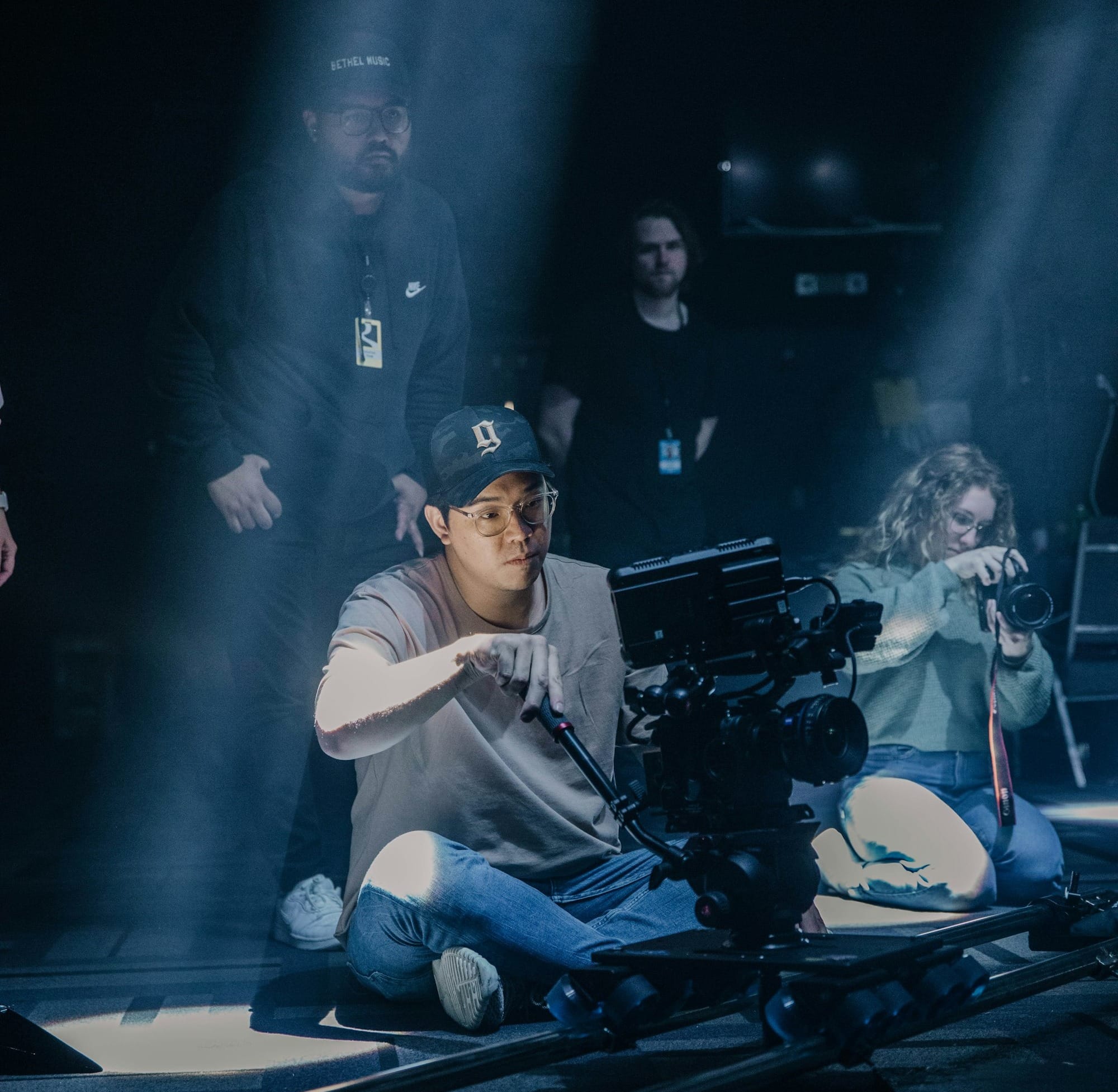
Classes in film theory generally teach students about different philosophical lenses to look at films through. Topics often include auteur theory, queer theory, and paracinema, to name a few. Schools tend to require students to learn about film history as well. However, students don't seem to dislike these classes as much because they know that understanding past films is essential to creating new ones.
Assignments can range from in-class discussions to lengthy papers. Unless someone is interested in writing and discussing philosophical ideas, they're not going to like this class very much.
Screenings of specific films to go with each topic are also usually required. While watching movies can be fun, the activity can get repetitive, especially when the screenings have assignments associated with them.
Another issue with theory classes is their high barrier of entry. They often require students to read a lot of academic papers, and if a student doesn't have the best reading comprehension skills, they might not be set up for success in the class. Even students with advanced reading and writing skills may struggle.

I'm not advocating for schools discontinuing these classes. As a writer, I've enjoyed class discussions and found much of the required reading to be thoughtful and interesting. I think there's a lot of value in challenging students to think philosophically and encouraging them to read challenging material. The problem with theory classes, in my opinion, is that they throw students into the deep end without teaching them to swim.
Professors could go over important ideas before asking students to read. They could break down ideas in more simple terms. They could also help students write papers by giving them smaller assignments which help them build a thesis. While this might seem like holding students' hands, it's important to remember that you can't learn complicated ideas without learning the basics. You can't learn calculus without first learning algebra.
They could also better exhibit the ways film theory can be applied in real life. Show directors how they can be affected by auteur theory or show writers how to use semiotics in their screenplays.
The bottom line is that students shouldn't feel like a class wastes their time and money. If schools are going to require that students learn theory, they need to show students that these topics are interesting and valuable. They need to help students prepare to write their paper by helping them understand the material. And they need to show students the importance of understanding film theory.