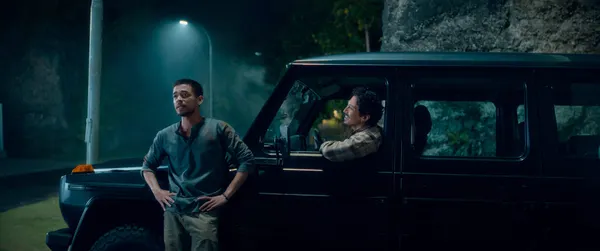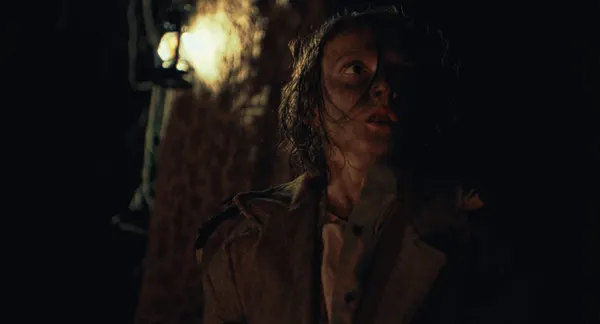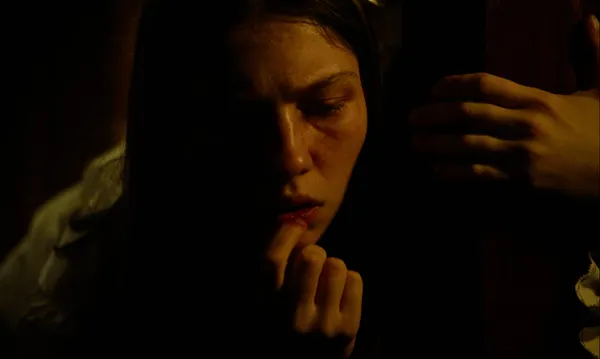
A recluse is forced to confront a dark secret from years past that has kept him from going outside after midnight. That's the whole premise of STAY IN, and its economy is the point. Directed by Michael Buran and written by Buran with Amy Eisinger, the film works in a register that rewards patience: long holds, negative space, and a sound mix that does more haunting than any musical sting could.
Buran is interested in the moment domestic safety curdles — when a familiar room starts behaving like an unfamiliar one. STAY IN arrives at FilmQuest, a festival with a long reputation for championing genre work that takes risks, and it earns its place there not through spectacle but through restraint. The terror here lives just outside the frame, and Buran is in no hurry to show it to you.
Key Takeaways
- STAY IN inverts a core horror convention: instead of escaping the house, its character locks herself back in and believes that makes her safe.
- The sound mix reshaped the film in post, trading obvious stingers for unnatural ambient frequencies that doubled the suffocation.
- Buran's lesson for independent filmmakers: treat preparation as your real budget — airtight blocking and visual intent buy you dread a lean crew can actually deliver.
Below, Buran discusses paranoia as architecture, the discipline of holding a shot longer than most films dare, and what comes after the festival run.
Interview
What drew you to make this film, and why this story, why now?
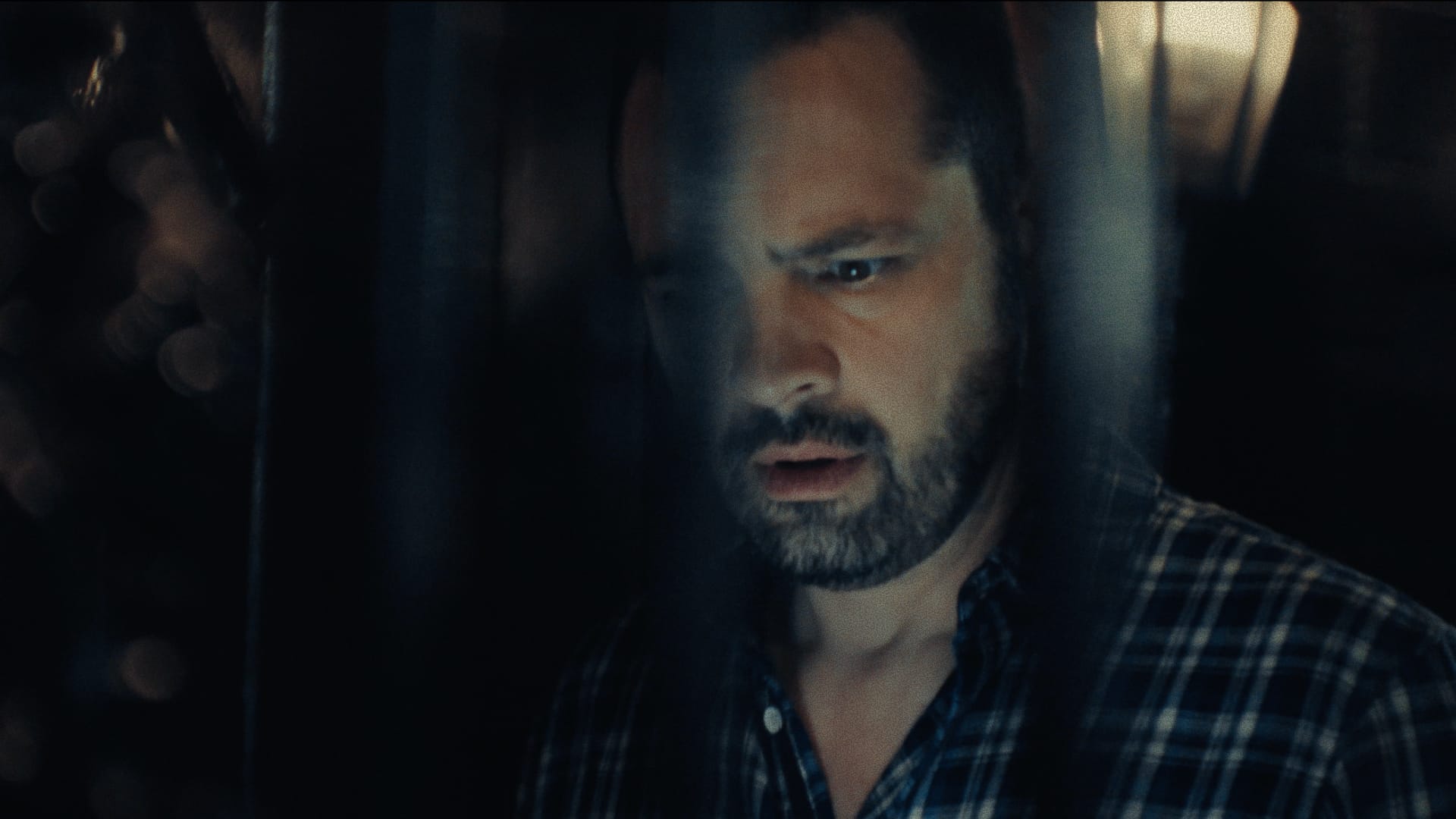
I've always been drawn to how we assume we are safest in our homes and how quickly those spaces can turn hostile when anxiety and paranoia take root. With STAY IN, I wanted to explore psychological dread through an intimate, claustrophobic lens. At a time when the outside world feels overwhelming and isolating, the instinct is to retreat: lock the door and shut everything out. But horror is at its best when it reminds us that the walls we build to keep the world away often trap us with the very things we're trying to escape.
What surprised you most about the filmmaking process, creatively or logistically?
What surprised me most was how much emotional weight negative space and sound design could carry. On set, you meticulously block camera moves and light the frame, but during the sound mix the entire rhythm of the film changed. We pulled back on obvious musical stingers and let quiet, unnatural ambient frequencies hang in the room, and the atmosphere became twice as suffocating. The story shifted from what's happening in front of the lens to the terror of what's lingering just outside the frame.
What moment in the film feels most like you, or like something only you could have made?
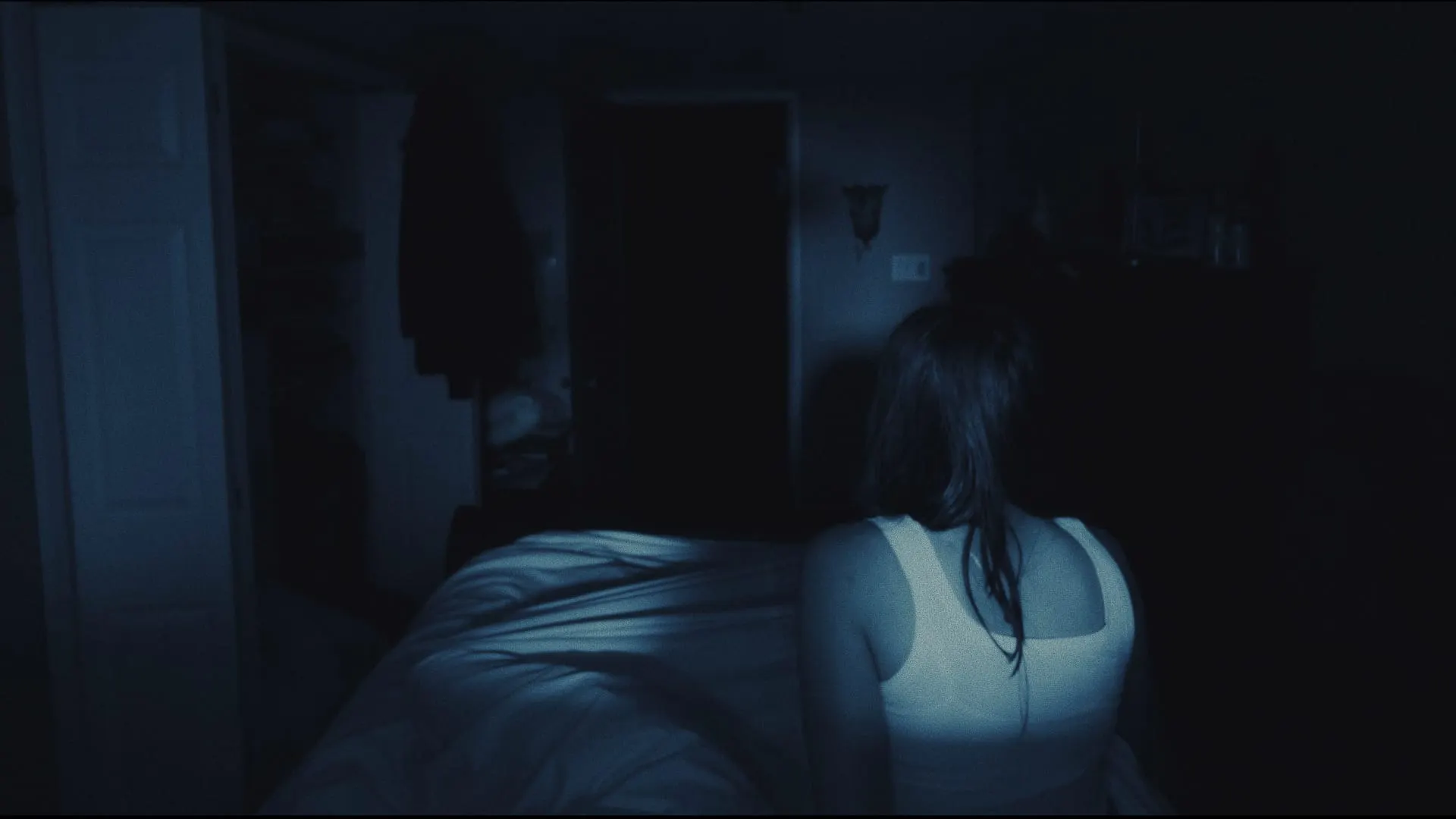
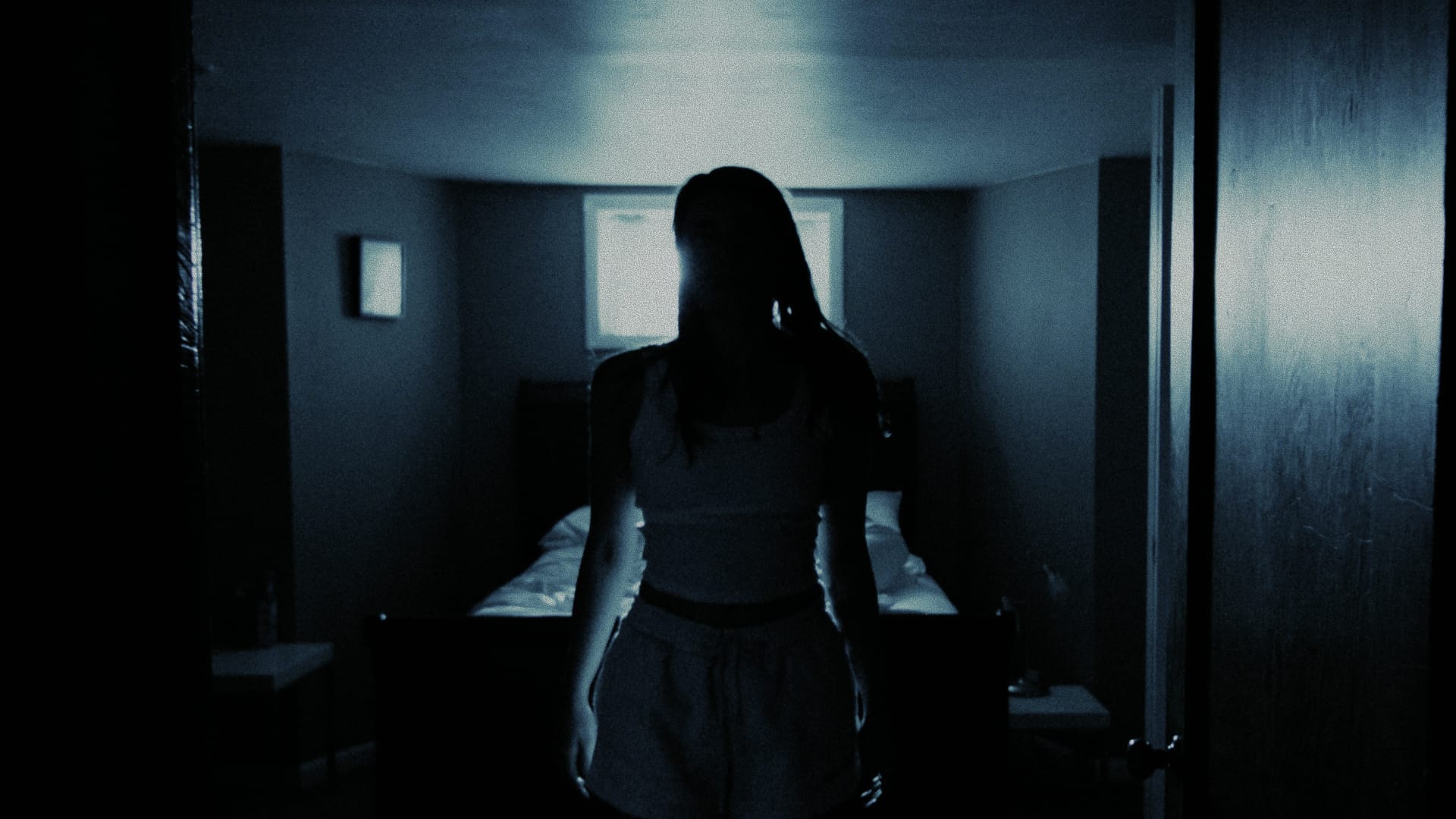
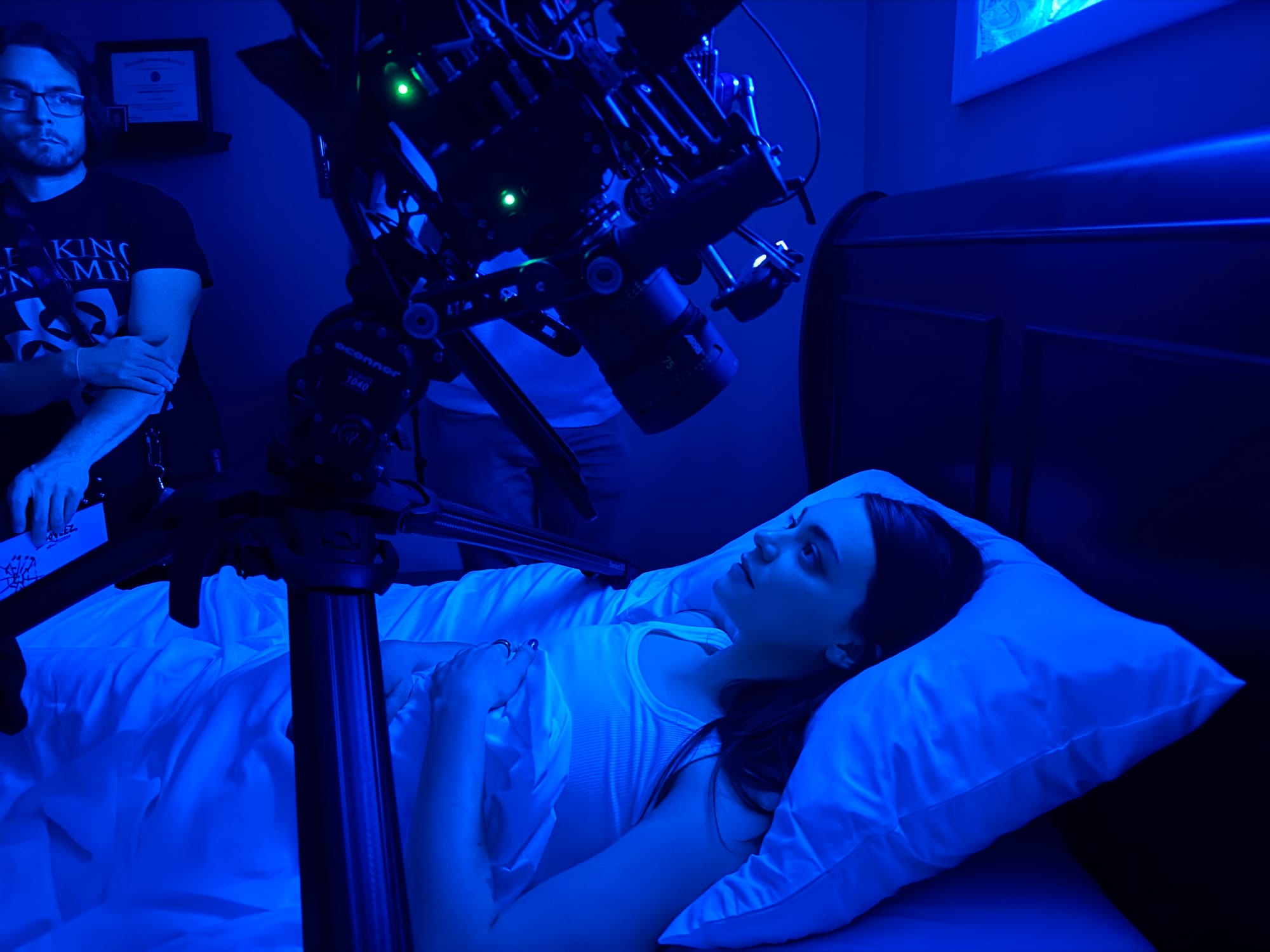
It's the scene where Regina sits up in bed in the middle of the night. It's very quiet, with only faint noises from outside the room. I stay on her with almost no movement as she looks into the dark beyond the bedroom door and sees nothing. Then she gets up and walks toward it, and we hold that shot for far longer than most films would dare. That slow build of tension is my signature. By the time she turns the corner, the idea at the heart of the film has taken hold: we've spent the story talking about staying in, but the outside world has its own ideas.
What was the hardest creative decision you made while making the film?
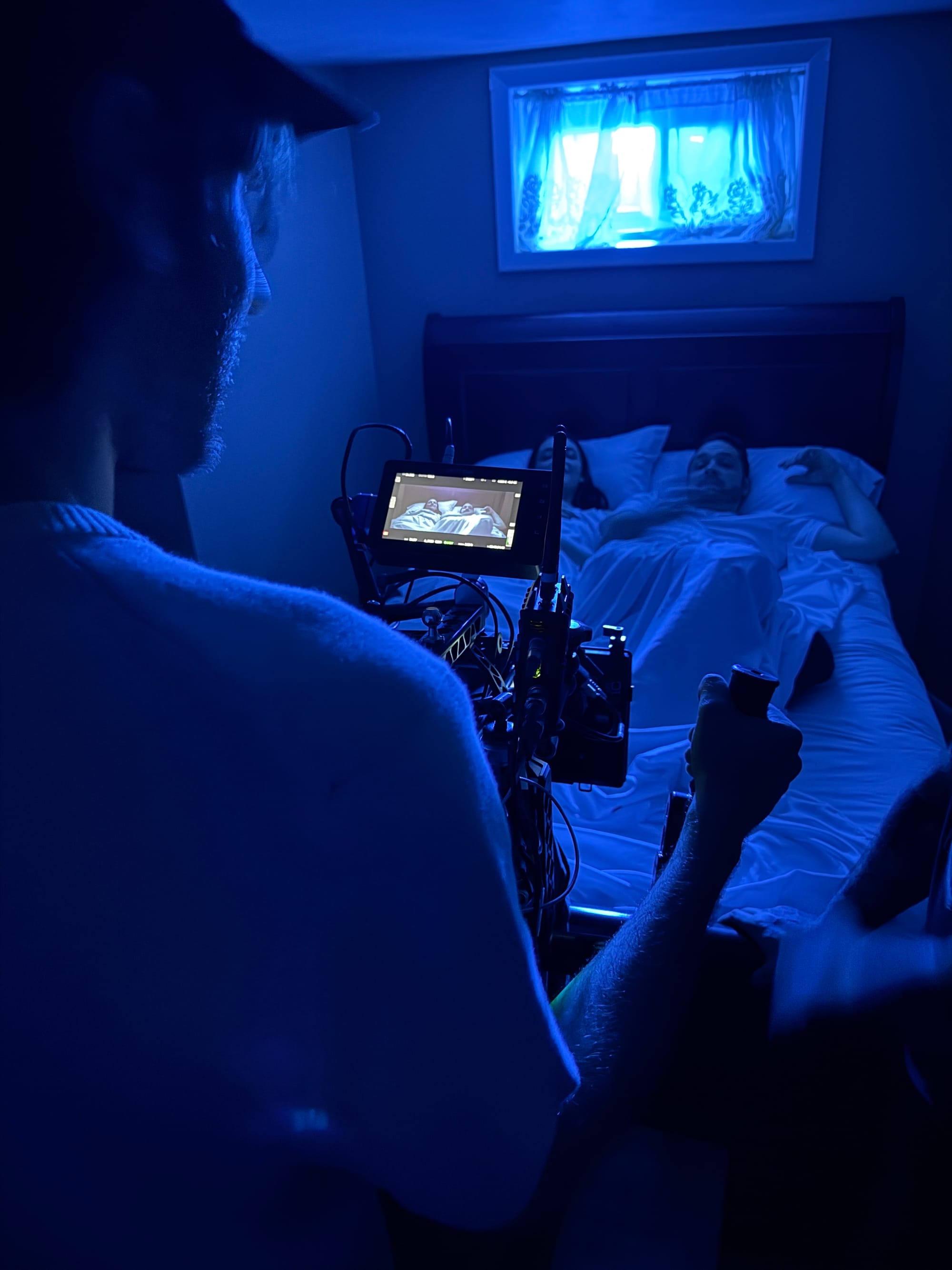
Restraint. In horror, the temptation is always to show more, escalate faster, or reach for a jump scare to release the pressure. The hardest call was constantly choosing to hold back: cutting away before giving the audience a clean, comforting explanation, and trusting them to sit with ambiguity. Sustaining that slow-boil tension without an easy out takes discipline in both the edit and the performance notes, but it's what gives psychological horror its staying power.
How does your film fit within, or push the boundaries of, its genre?
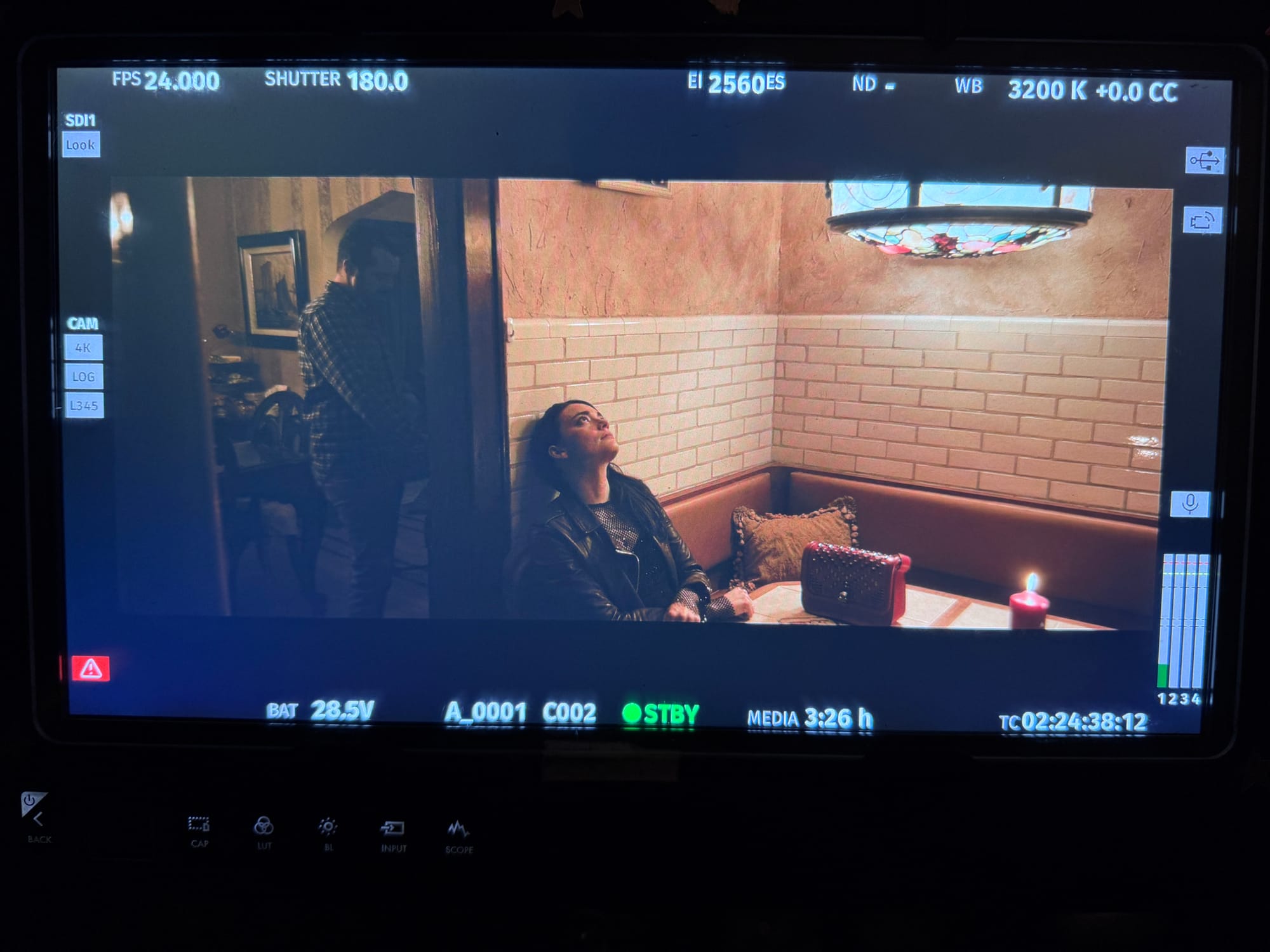
It honors the legacy of classic slow-burn psychological horror while subverting familiar genre tropes. The film doesn't rely on spectacle. Instead, STAY IN lets silence, framing, and sound do the haunting. So many horror films are about getting away — escaping the house, the threat, whatever is chasing you. This one is about locking yourself back in and believing that makes you safe. That inversion is how I think STAY IN pushes the boundaries of the genre.
What tool, technique, resource, collaborator, or mindset shift helped most during production?
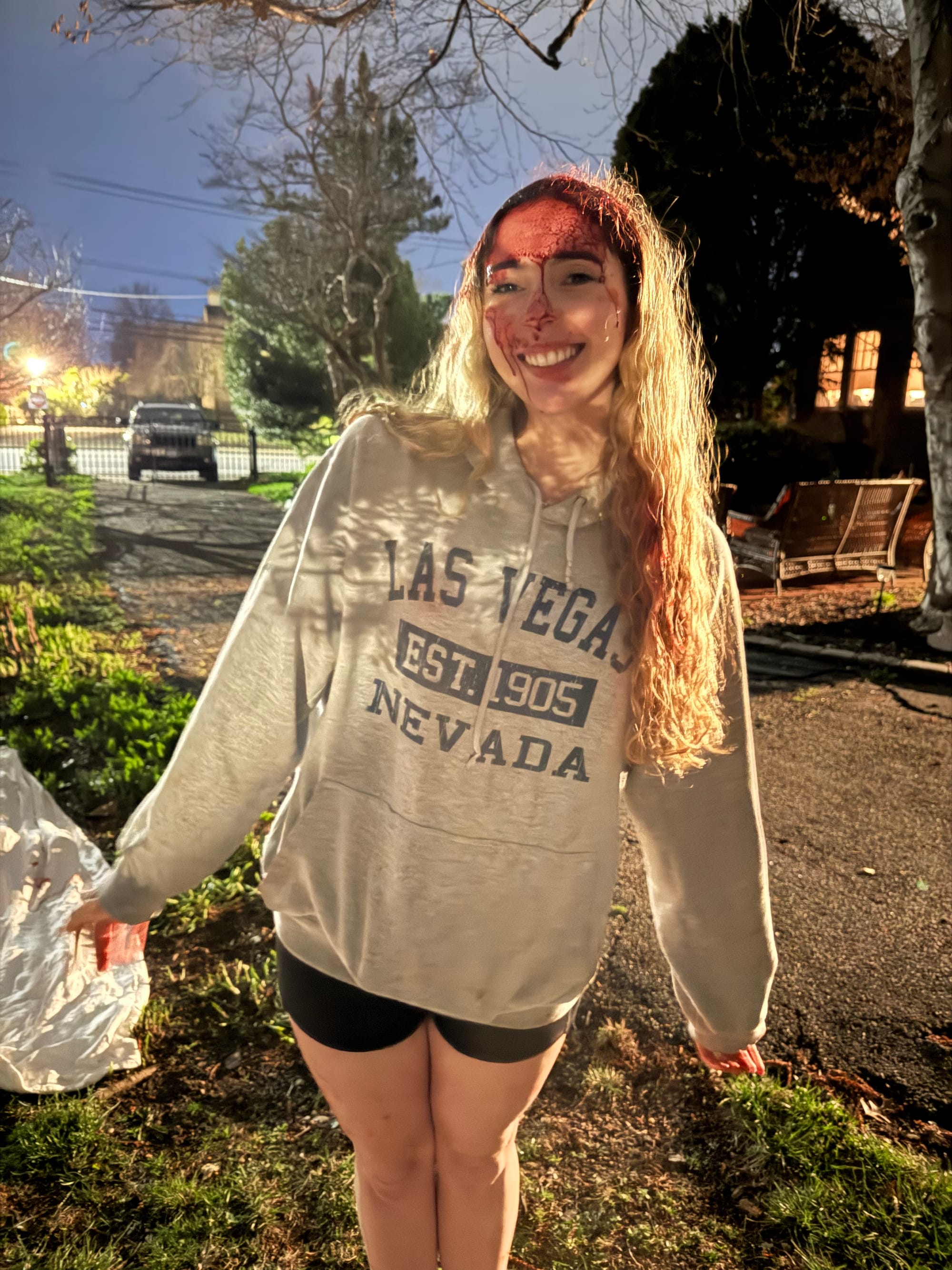
Rigorous pre-visualization paired with open, trusting collaboration on set. Detailed storyboards gave the entire team a shared visual language before we ever rolled camera. Because the technical groundwork was locked, the actors and crew had the freedom and safety to experiment with nuance, micro-expressions, and texture on the day without costing us precious shooting time.
What is the greatest strength of independent filmmaking, and what lesson would you share with others?
The greatest strength of indie filmmaking is the uncompromised vision. You don't have to sand down the edges or design by committee. On STAY IN, we leaned into that agility by treating every constraint as a creative boundary that sharpened the tone. My biggest takeaway for fellow filmmakers: treat preparation as your real budget. When your blocking, visual intent, and thematic core are airtight, you can achieve real production value and genuine dread with a lean, dedicated crew.
What does it mean to have your film selected for FilmQuest, and where does it go next?
FilmQuest is legendary in the genre world for celebrating bold cinema. To have STAY IN recognized by a festival that truly understands and champions horror is an incredible validation for our entire cast and crew. Screening alongside such boundary-pushing storytellers is an honor and a thrill. Following its festival run, STAY IN will premiere online, and it will serve as a stylistic and tonal launchpad for the feature-length horror projects I currently have in development.
What do you hope audiences take away from this film?
I hope audiences leave wrestling with it. STAY IN doesn't hand over a clear sense of right and wrong, and that's deliberate. I want viewers to walk out still turning over what they saw, questioning their own judgments, and carrying that unease with them long after the credits roll. The film also solidified my focus on character-driven, high-tension horror that excavates complex interpersonal and family dynamics. It gave me greater confidence to explore grounded concepts where physical spaces act as extensions of the characters' psyches — territory I'm continuing to push. At the core of all my work is a desire to excavate the past we can't shake and confront the psychological fractures we try hardest to hide from ourselves.
Main Cast & Crew
- Director: Michael Buran
- Writers: Amy Eisinger & Michael Buran
- Cast: Cassidy Layton (Severance), Anthony Gaudioso (What Josiah Saw)
- Producers: Amy Eisinger, Michael Buran, Frank Mosca
- Director of Photography: Ryan Chernin
Filmmaker Opportunities
💛 Fund your next project with fiscal sponsorship
Have a project in the works? As a 501(c)(3) nonprofit, the Cinematography for Actors Institute can accept tax-deductible donations on your film's behalf — a door-opener for grants, foundations, and supporters who want to back your work. We've serviced over 100 projects to date and helped route over $800,000 in funding to filmmakers. Explore fiscal sponsorship →
📬 Grant deadlines and festival opportunities, straight to your inbox
The CFA newsletter rounds up grants, festival calls, and community news for independent filmmakers — the kind of opportunities that are easy to miss and painful to miss. Join the newsletter →
🎬 Focus on the creative — we'll help with the logistics
Production Management, CFA's newest member program, launches this November: production insurance and workers' comp, payroll, film permits, gear rental coordination, SAG-AFTRA compliance, contract drafting, production consulting, and crew recommendations — handled by a team of working filmmakers, à la carte or all in, in partnership with Creative Access Group. It's waitlist-only until launch. Join the waitlist →
League of Filmmakers is published by our parent organization, the Cinematography for Actors Institute — a 501(c)(3) dedicated to education, community, and capital for underrepresented filmmakers and actors. Learn more about CFA →