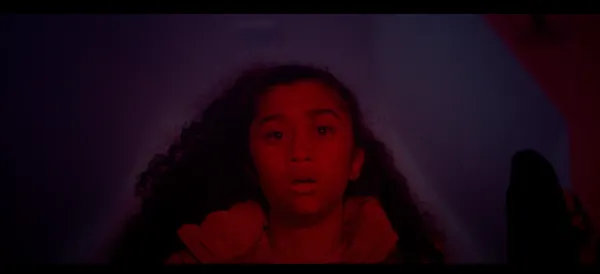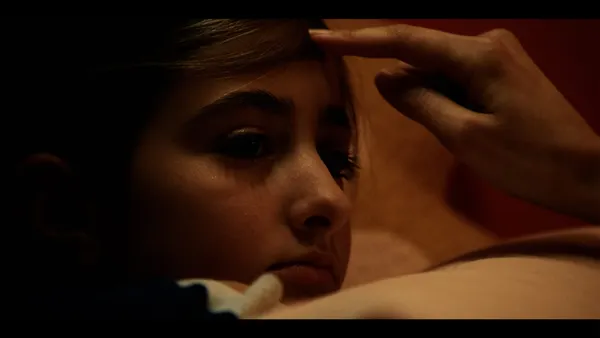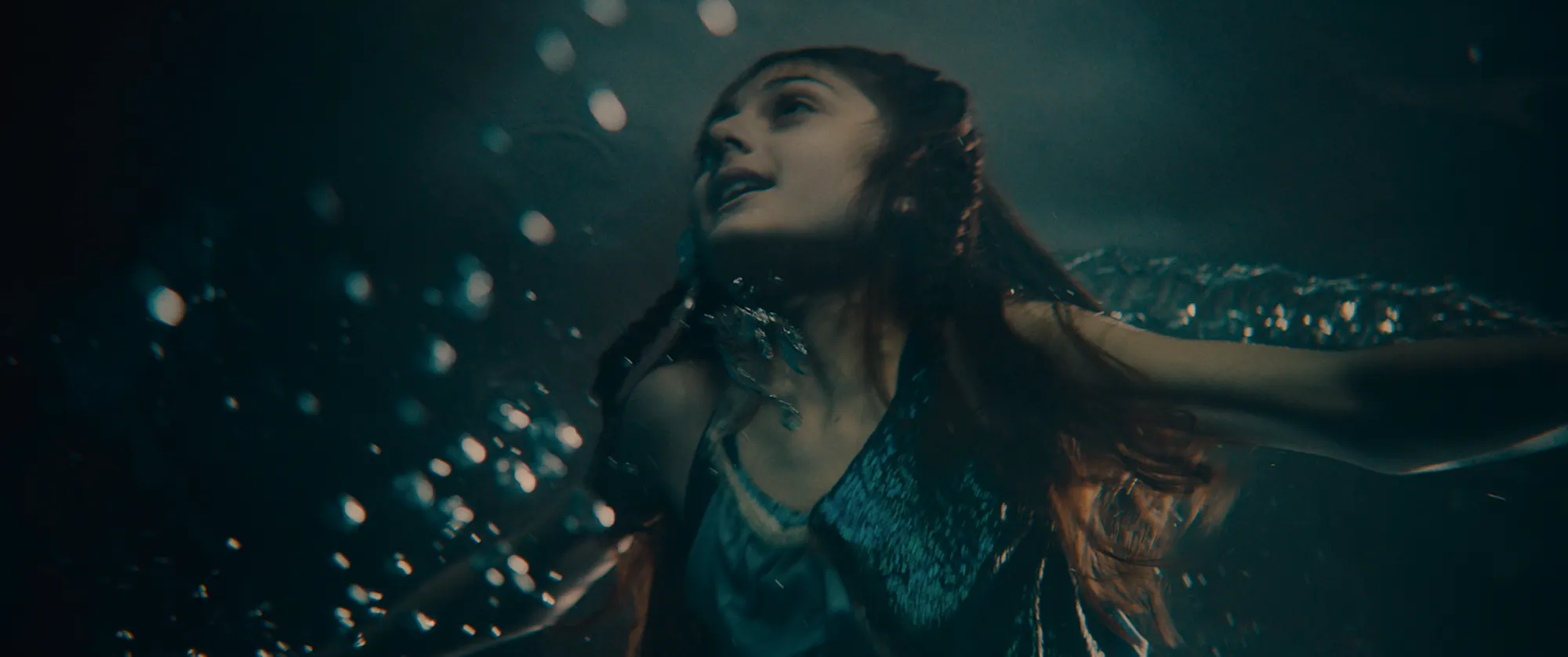
A young orphan desperately searches for the mermaid she believes to be her mother, before she is adopted and sent to live far away. That premise carries To Catch a Siren, a modern-day fairytale set against the harsh reality of refugee boats crossing the British Channel — a story about grief and displacement told through the eyes of a child.
Director Raphaela Wagner came to Harvey John's script already primed for it, remembering her parents reading her "The Little Match Girl" and the conversation about death that followed. What she found in the film is a form she trusts: the old, unsoftened fairytale, deployed on a subject the news cycle has largely stopped covering. The result screens at FilmQuest among genre work that Wagner argues deserves exactly this kind of serious attention.
Key Takeaways
- Wagner and her collaborators changed the leads from boys to girls — a shift that reframed the whole script once she realized how few reference images existed of girls building boats.
- Underwater work with a child actress demanded an experienced water team, led by underwater camera operator Dan Travers, with stunt coordinators and safety divers; Wagner's advice to indie filmmakers is blunt: don't run and gun this.
- A feature based on the short is in active development, following the team's participation in Torino Film Lab Next.
Wagner spoke about grief as common ground, the logistical gauntlet of a Cornwall shoot, and why fairytales are not children's stories.
Interview
What drew you to make this film, and why this story, why now?
When I first read the script written by Harvey John it sparked an incredibly deep emotion in me. It reminded me of my parents reading the Andersen fairytale "The Little Match Girl" to me as a young child and it being our first conversation about death. Harvey wrote the script for To Catch a Siren after losing someone incredibly dear to him, and I believe his love for them carries through every line in the script. The way he interwove his own experience with the tragic realities behind the refugee headlines really spoke to me. For as much as we may differ in culture, where we are from or where we are heading, in grief, we are united.
The numbers of lives lost in dangerous sea crossings are rising, but the conversation is stalling and the press no longer covers these tragic happenings. It really made us want to tell a story that is not about statistics and numbers, but that brings it back to a personal level and hopefully evokes the kind of empathy that might, in time, inspire change.
What surprised you most about the filmmaking process, creatively or logistically?
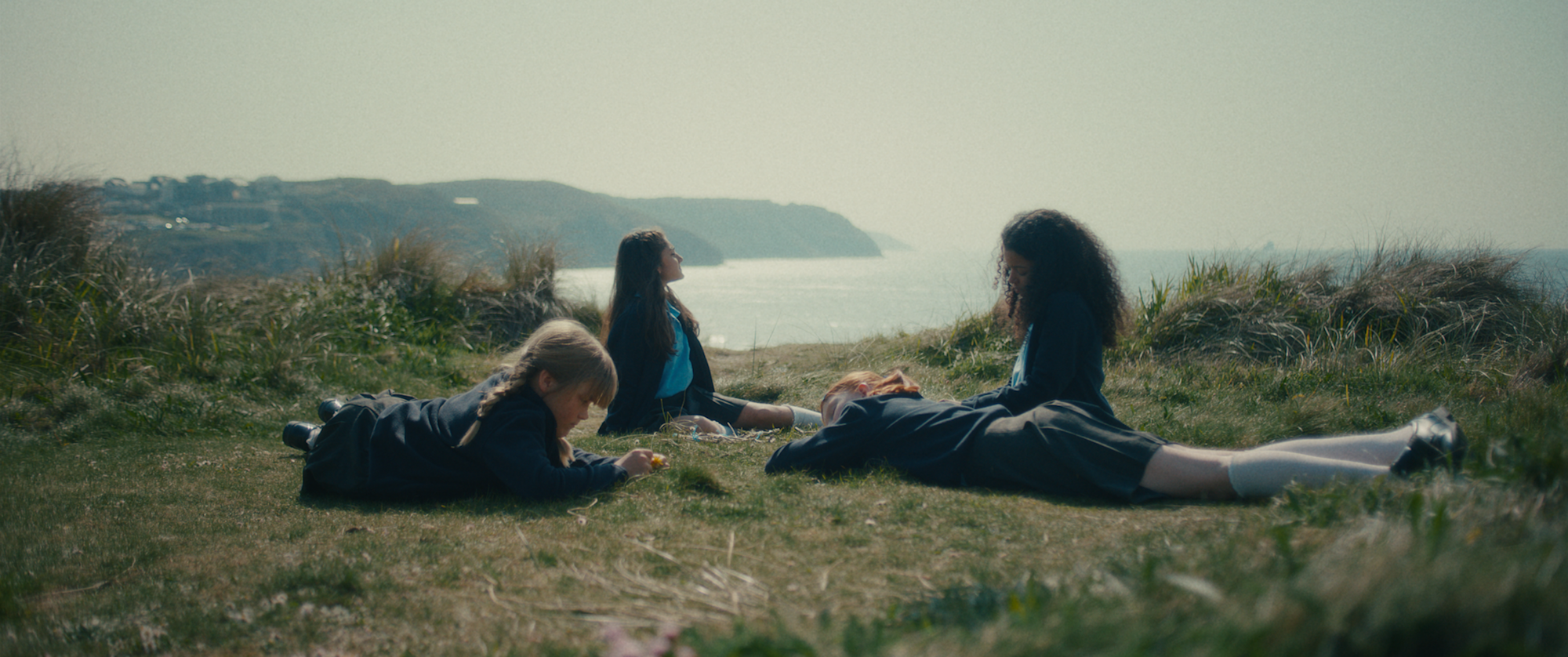
There was a moment very early on, back when the lead characters in the film were male. Harvey and our co-writer Jasmine later changed it to girls, and it struck me that while I had found a great many reference images of boys building boats, there were hardly any of girls doing the same. I myself was a child who loved to scavenge and build things, and so that change really gave the whole script a shift.
On the more logistical side of things, this shoot really taught us that you can never be prepared enough. We spent a lot of time in prep, trying to cover all grounds. Who would have thought that on a film with difficult underwater scenes and tight child shooting hours, equipment vans would be one of the biggest challenges? From finding overnight parking spots that would keep the equipment safe, to navigating tiny roads in Cornwall, to the headlights malfunctioning on the first shooting day, all the way to having a van get stuck in sand and having to tow it out.
What moment in the film feels most like you, or like something only you could have made?
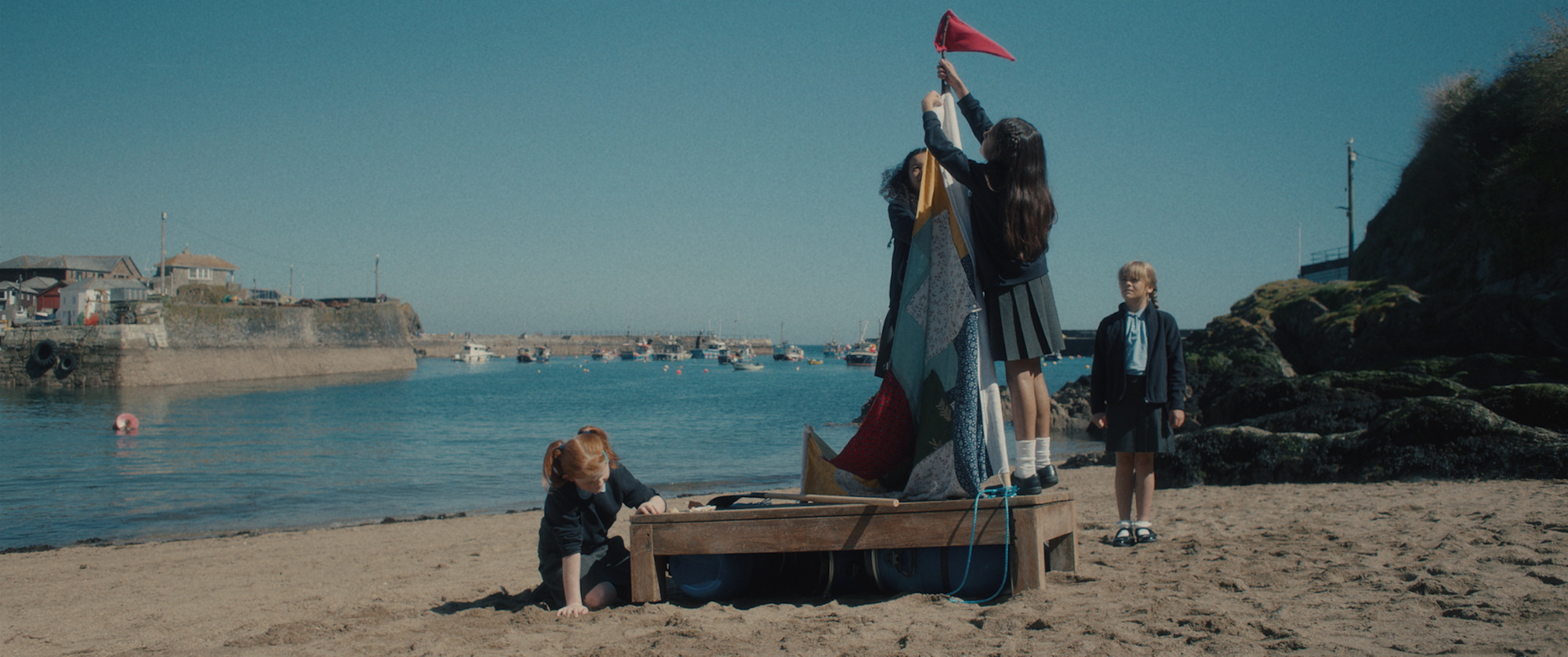
There's a montage in the film where the girls are scavenging the beach town in order to build a raft. I think there's a lot of my own childhood in there. And overall I've often had people tell me that my films — even the ones that weren't fantasy — have a very fairytale-esque atmosphere, which of course comes out strongly in this project.
But what's really special about To Catch a Siren is that it is Harvey's work as much as it's mine or anyone else's on the team. I feel we all gave it a piece of our hearts, and thus it's not a film "only I could have made." It's in every way a film only we could've made. And I find that so much more beautiful.
What was the hardest creative decision you made while making the film?
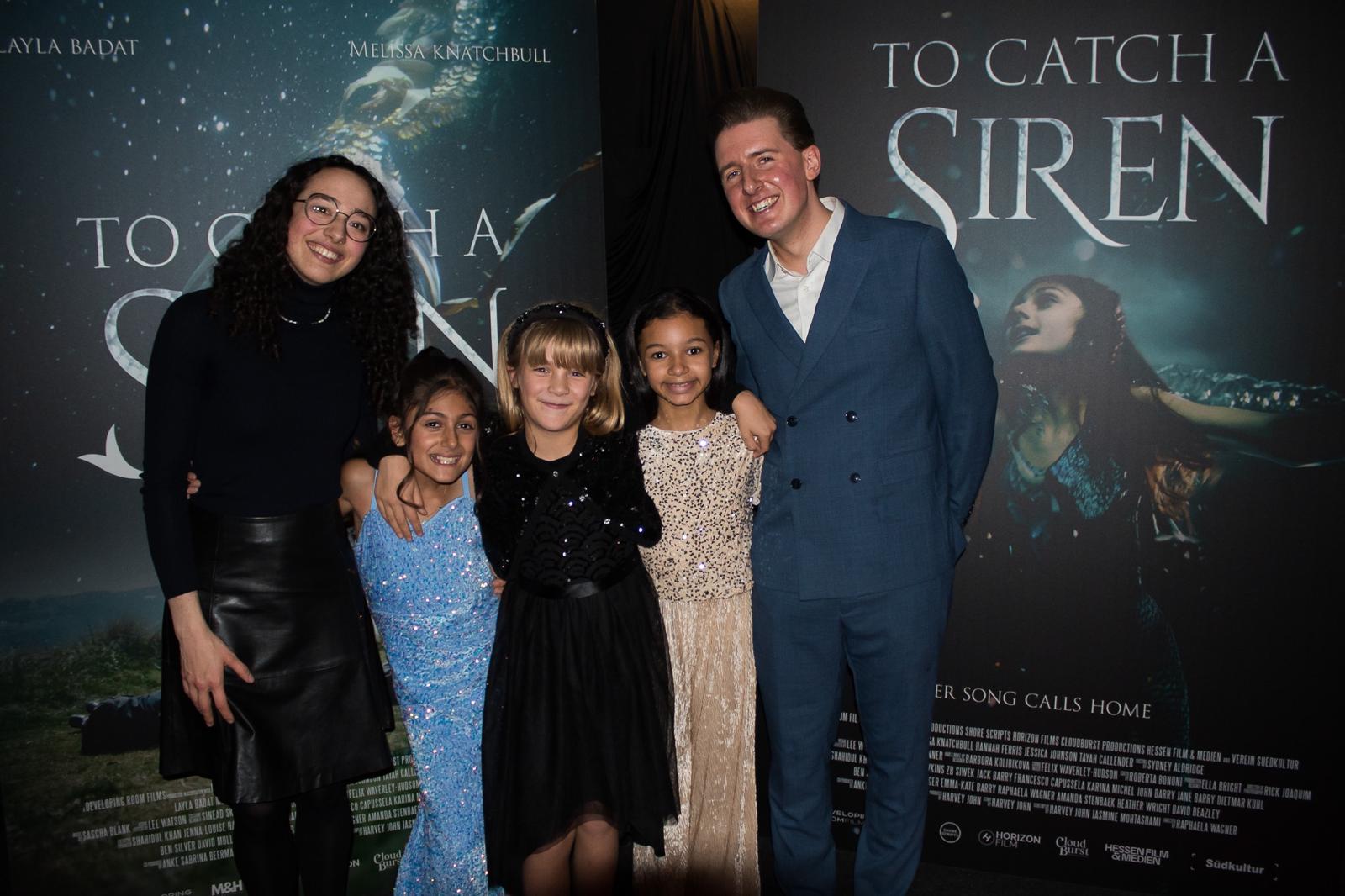
There was a moment in post-production where the sound mix was fast approaching but we hadn't yet found the right soundtrack for the film. This led to some incredibly hard decisions, and some big learnings. But now it's actually one of the elements I love most.
What tool, technique, resource, collaborator, or mindset shift helped most during production?
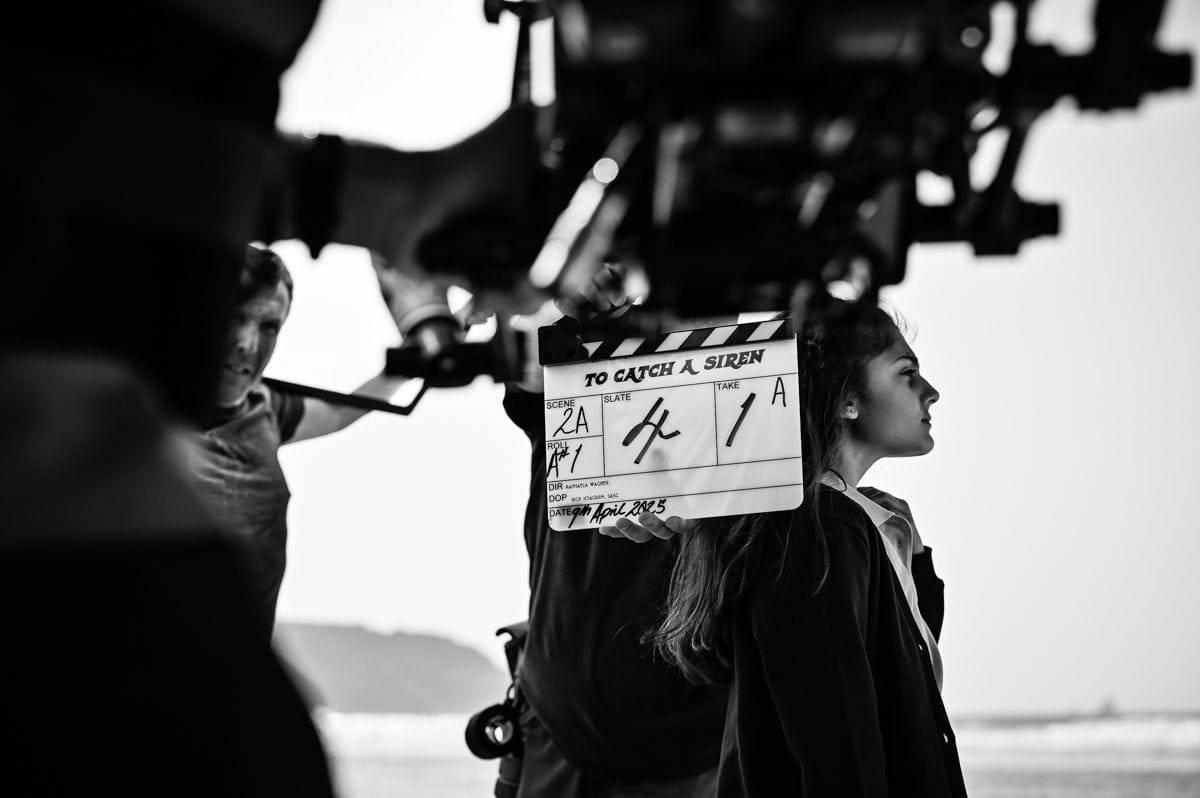
From the beginning we were very aware of the challenges that come with underwater scenes led by a child actress. One of the best decisions was to bring on an experienced water team led by underwater camera operator Dan Travers. They were amazing to work with, being both excited by our shots and really supportive of my vision, but at the same time bringing a level of calmness to the workflow that was crucial for water days.
It's something I would advise to any indie filmmaker tackling a project with this level of challenging scenes. It's a legal requirement for good reason. Don't "run and gun" this type of thing. Make sure you work with stunt coordinators, safety divers and experts that make everyone feel safe. It can't be stressed enough.
And the greatest strength of independent filmmaking is getting to work with people who are in it for the love of the project as much as anything else. There is an incredible power in a team that will give its all to make a project the best it can be. That's something I'm incredibly grateful for.
How does your film fit within, or push the boundaries of, its genre or form?
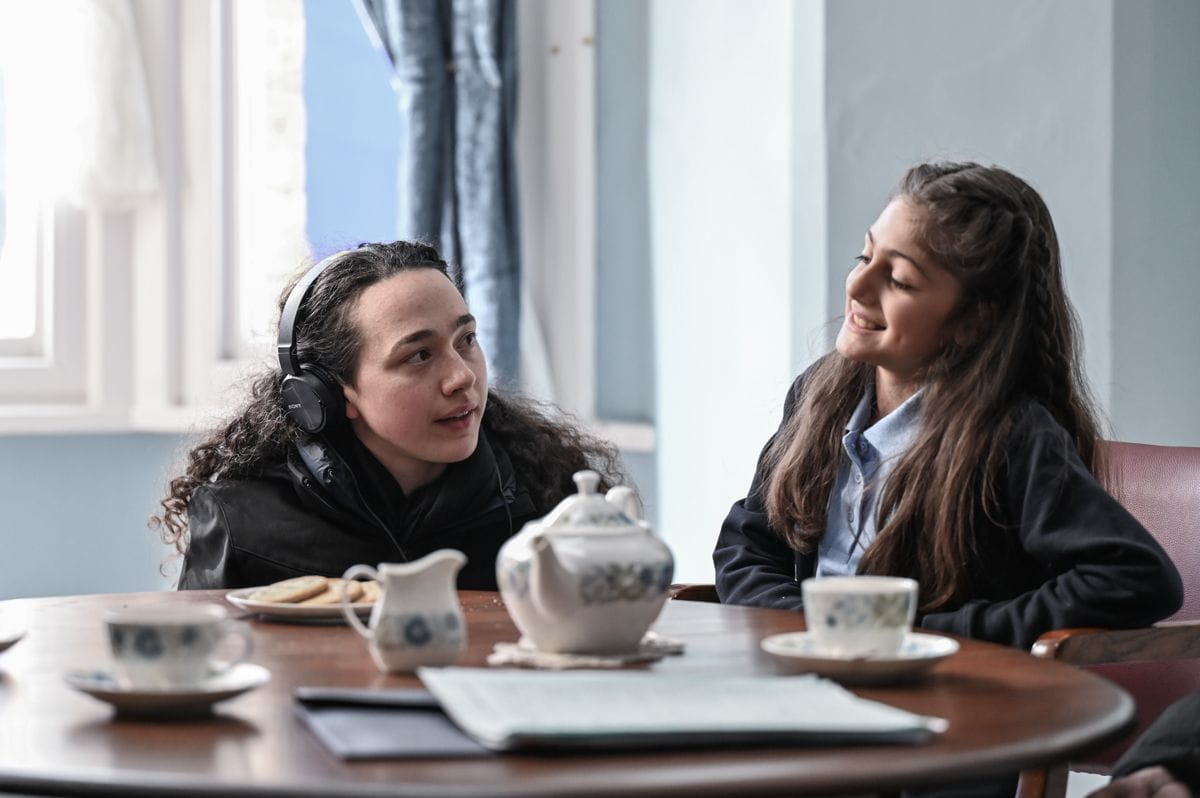
The film merges the magical, fantastical, scary atmosphere of old-school fairytales with a current, real-world topic. While this is not new in the genre, I find it's an area that could and should be explored much more. Fairytales are so often thought of as "children's stories," but having grown up with the original Grimm tales and not the Disney version, I would highly disagree. Fairytales, or perhaps better said folktales, carry wisdom passed on from generation to generation. And we should continue this tradition, writing and filming our own fairytales of this day and age.
This film has also rekindled my love of fantasy to tell hard-hitting stories about larger truths. I've recently been trying to come up with projects that are less of a production struggle, but To Catch a Siren has reminded me just why I love telling exactly this kind of story. The children on set, as well as the ones who have seen the film to date, have tackled the difficult subject matter with such beautiful analyses that it has shown me films for younger audiences really shouldn't be dumbed down. The films that challenge you offer a path to really meaningful conversations. They push you to build your own opinion and find your own take on morality, life and humanity — a skill that is perhaps more important to learn now than ever.
What does it mean to have your film selected for FilmQuest, and where does the film go next?
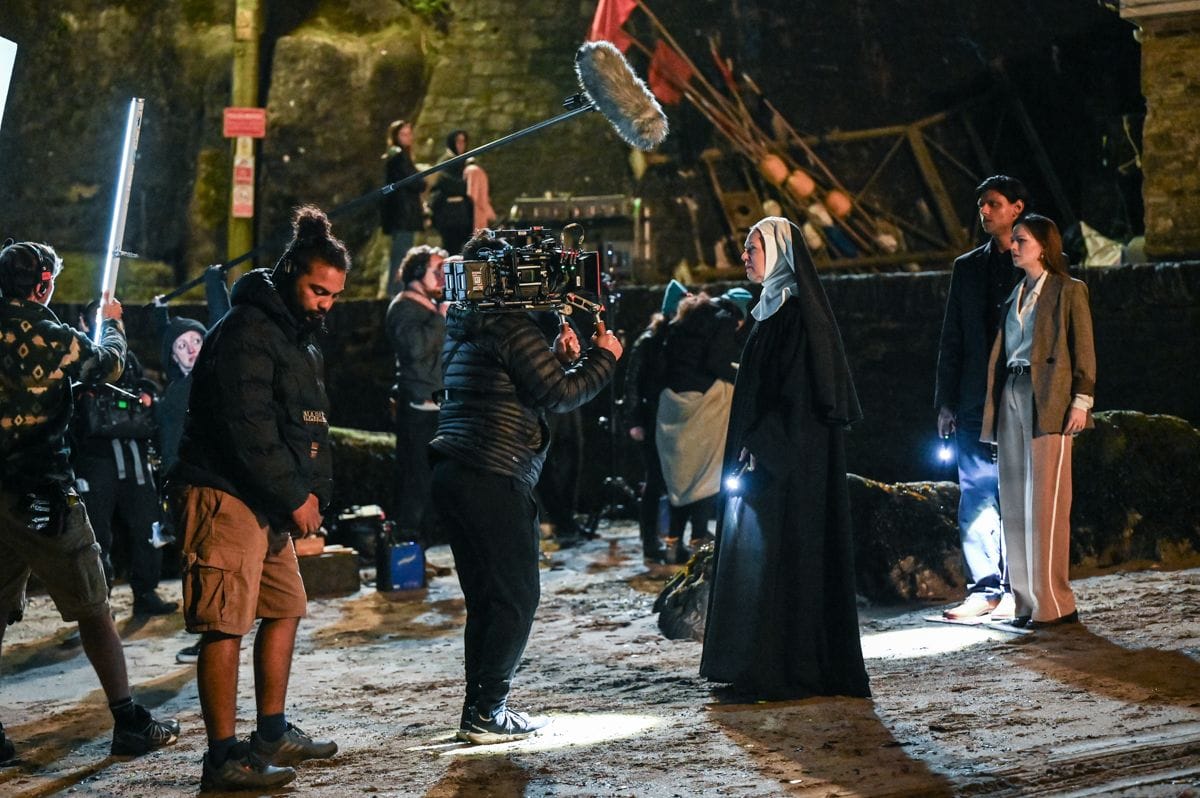
Everything. To be screening amongst the best of what genre film has to offer is an incredible honour. I also really love that at FilmQuest, we get to celebrate genre film as a whole. I can't help but feel like sometimes these films are less valued against dramas and reduced to their escapism, when in fact I find them a crucial part of storytelling. They carry the ability to show a subject matter, theme or human experience in a heightened way, able to reach, touch or shock an audience differently than pure drama or documentary does. So being able to just celebrate this, see the incredible bandwidth of genre stories, and also hang out with fellow nerdy, fantastical, wonderful genre filmmakers is an absolute treat.
We're actively developing a feature film based on the short and recently got to partake in Torino Film Lab Next. We've had some very exciting conversations already and would really like to dive deeper into the topics of the short. The longer film allows us to bring it even more into reality and show the lived experience of refugee minors in more detail.
At the core of all my work is a desire to evoke emotion and empathy. That's at the crux of storytelling, isn't it — to enable us to better understand our lives, the people around us, and to empathise with others. In a world so bent on algorithms and polarising opinions, film offers a unique tool to bring back discussion, open communication and re-learning to step into the shoes and feelings of another person. I hope this film allows audiences to connect to their empathy, so that when they read news articles in the future, they think beyond the statistics and their own prejudices. That it connects them to their humanity, even if that is much harder than hiding in a shell of indifference.
Main Cast & Crew
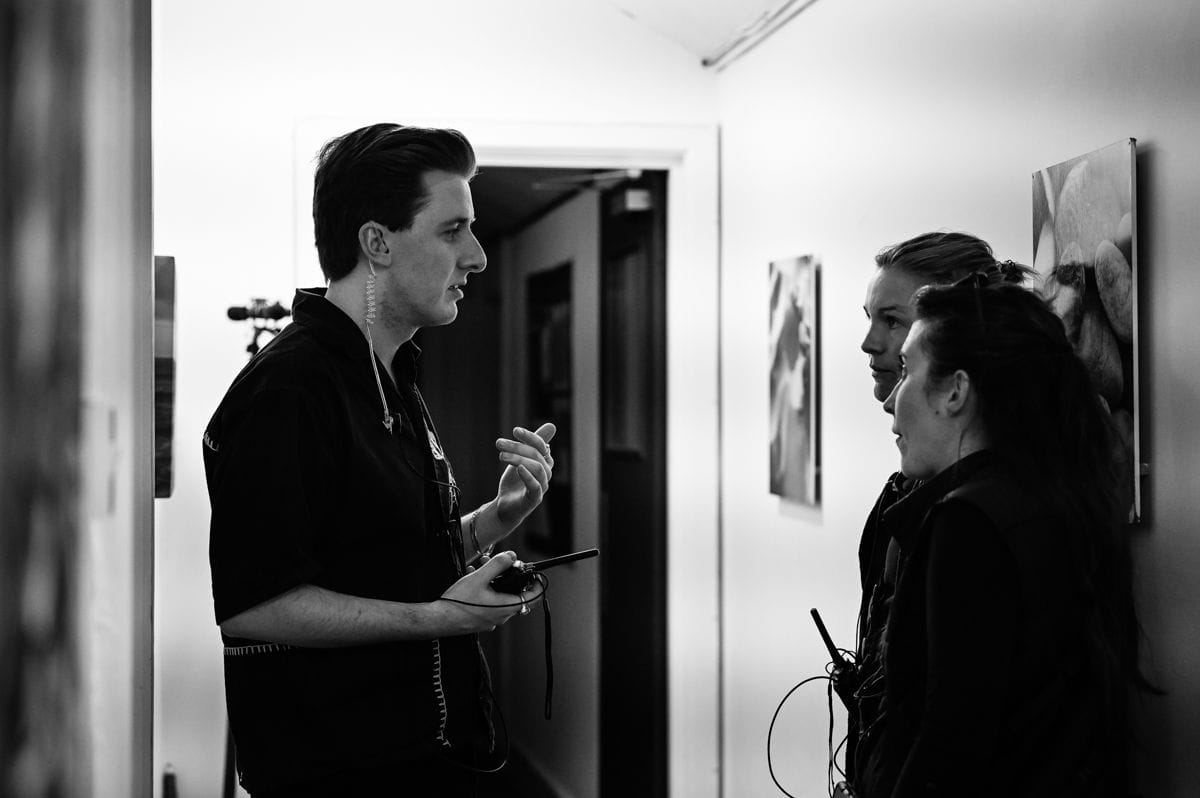
- Director: Raphaela Wagner
- Writer/Producer: Harvey John
- Co-Writer: Jasmine Mohtashami
- Co-Producer: Anke Sabrina Beermann
- Underwater Camera Operator: Dan Travers
- Cast: Layla Badat, Melissa Knatchbull (Four Weddings and a Funeral, Pennyworth, Mission: Impossible), Hannah Ferris, Tayah Callendar, Jessica Johnson, Jane Withers, Sanee Raval, Burcin B. Kilic
- Supported by Hessen Film & Medien, Shore Scripts, Cloudburst Productions, Horizon Film House, Refugee Support Group and Verein Südkultur
- Full cast and crew here
Filmmaker Opportunities
💛 Fund your next project with fiscal sponsorship
Have a project in the works? As a 501(c)(3) nonprofit, the Cinematography for Actors Institute can accept tax-deductible donations on your film's behalf — a door-opener for grants, foundations, and supporters who want to back your work. We've serviced over 100 projects to date and helped route over $800,000 in funding to filmmakers. Explore fiscal sponsorship →
📬 Grant deadlines and festival opportunities, straight to your inbox
The CFA newsletter rounds up grants, festival calls, and community news for independent filmmakers — the kind of opportunities that are easy to miss and painful to miss. Join the newsletter →
🎬 Focus on the creative — we'll help with the logistics
Production Management, CFA's newest member program, launches this November: production insurance and workers' comp, payroll, film permits, gear rental coordination, SAG-AFTRA compliance, contract drafting, production consulting, and crew recommendations — handled by a team of working filmmakers, à la carte or all in, in partnership with Creative Access Group. It's waitlist-only until launch. Join the waitlist →
League of Filmmakers is published by our parent organization, the Cinematography for Actors Institute — a 501(c)(3) dedicated to education, community, and capital for underrepresented filmmakers and actors. Learn more about CFA →