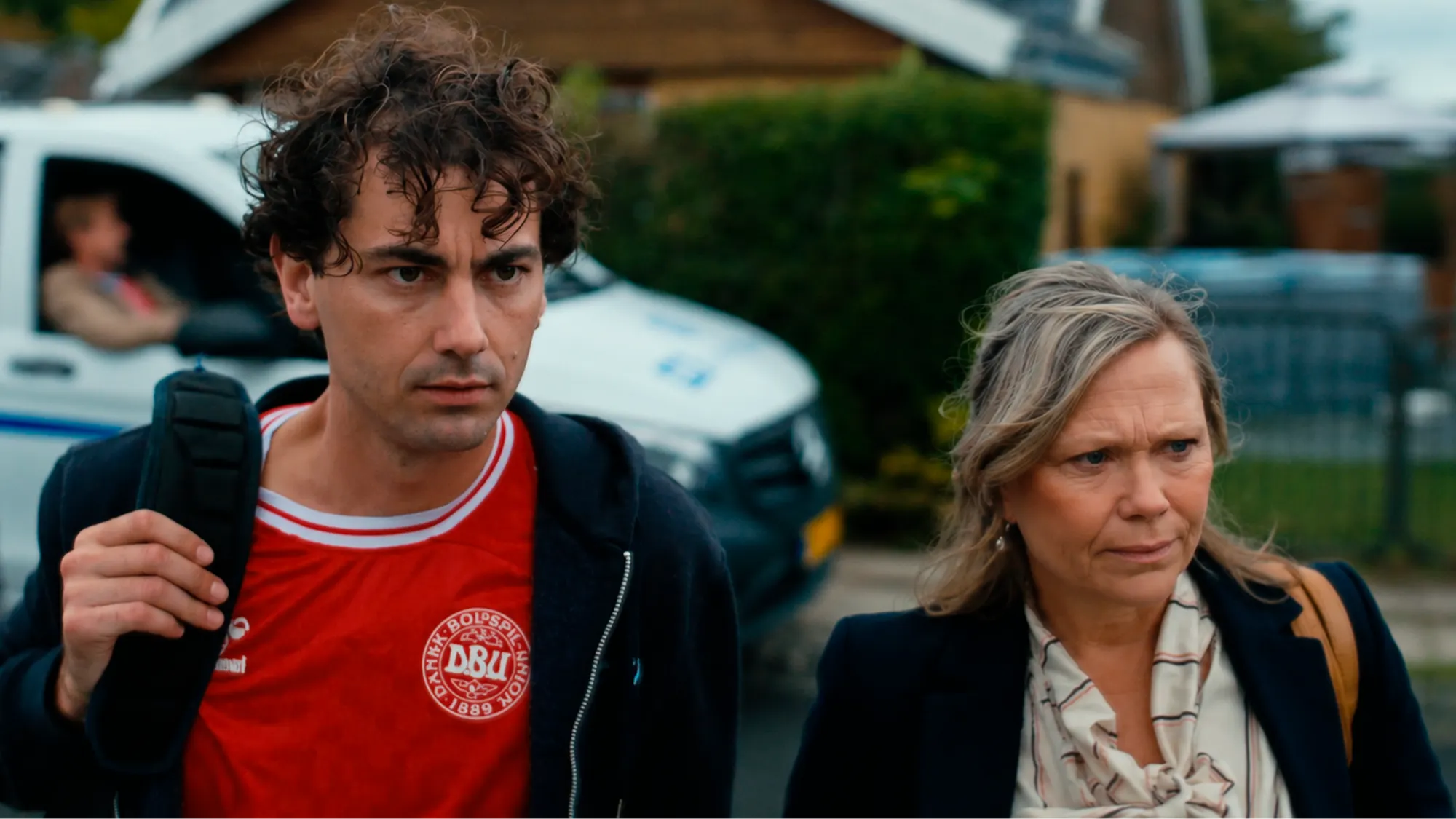
A young locksmith named Anders is called to assist the authorities on a forced removal. His task is simple: open the door. But as the situation unfolds, Anders is faced with a dilemma — by doing his job, is he enabling a harmful situation forced upon an innocent family? That question, spare and unrelenting, drives Martin Strange-Hansen's Best Practice.
The film grew from something close to home. Strange-Hansen learned of M.E. (Myalgic Encephalomyelitis) from Hjalte Ilsøe Gustavussen, the actor playing Anders, whose sister lives with the condition and whose family is struggling with local authorities over her treatment. Having had a rare disease close to him as well, Strange-Hansen recognized the frustration of an unfruitful conversation with a doctor — and built a tense, humane, single-take drama around it.
Key Takeaways
- Best Practice is a one-shot drama with eight actors, staged across a single shooting day after three days of rehearsal.
- The film draws on the real, poorly understood experience of living with M.E. and fighting local authorities over treatment.
- Strange-Hansen treats blocking as his primary directing tool, editing the camera's movement in rehearsal with his editor on call.
A conversation with the director follows, on the personal roots of the film, the demands of the one-take form, and the freedoms hidden inside a low budget.
Interview
What drew you to make this film, and why this story, why now?
Hearing about the condition, M.E. (Myalgic Encephalomyelitis), from the actor playing the lead role, Hjalte Ilsøe Gustavussen. His sister suffers from the same condition, and the family is struggling with the local authorities about her treatment. The condition is so rare and so peculiar that it is hard to fathom, all depending on how your local doctor sees it — or acknowledges it. I've also had a rare disease close to me, so I recognized the frustration and the severeness that an unfruitful communication with your doctor can be.
What surprised you most about the filmmaking process, creatively or logistically?
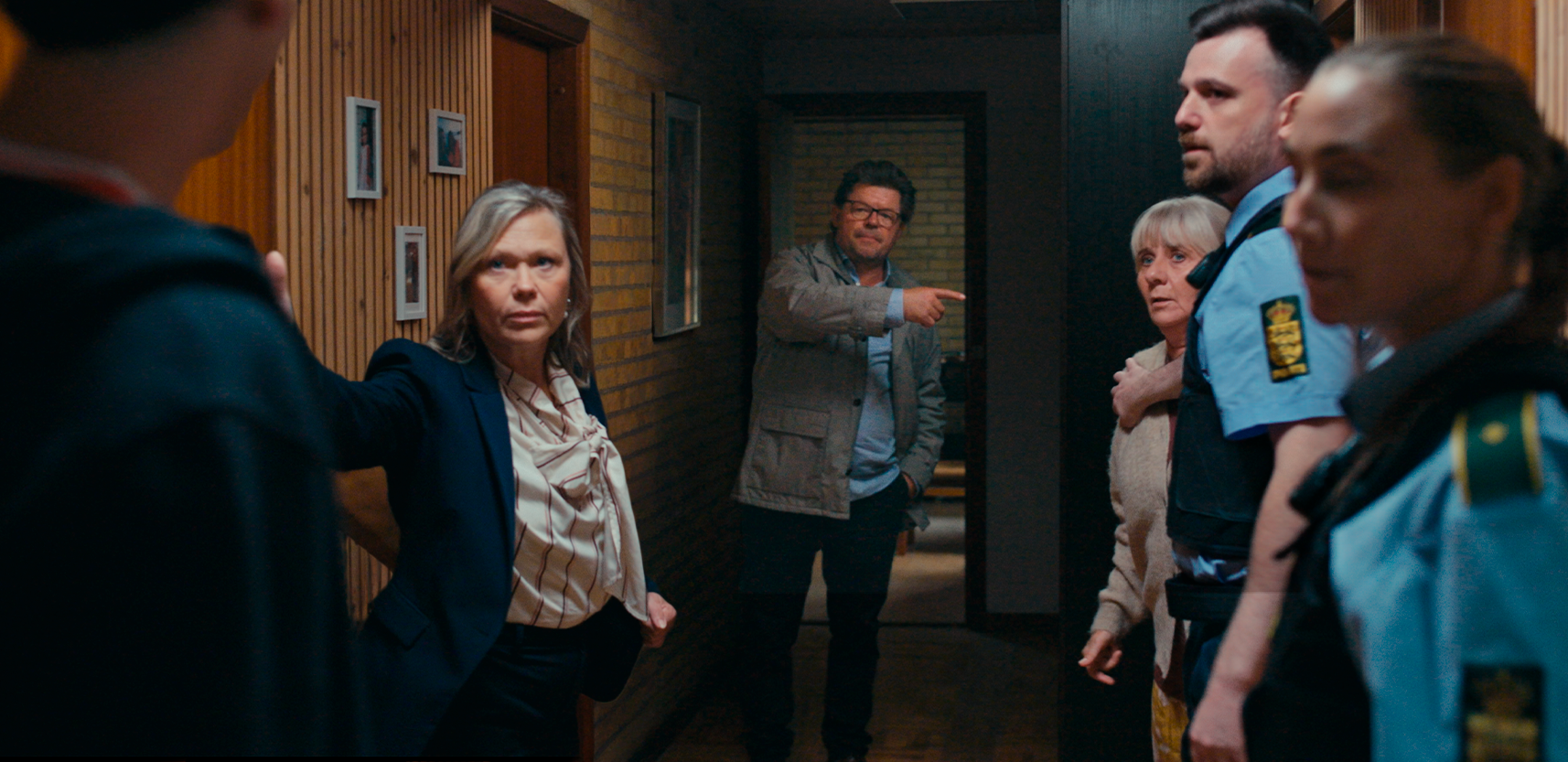
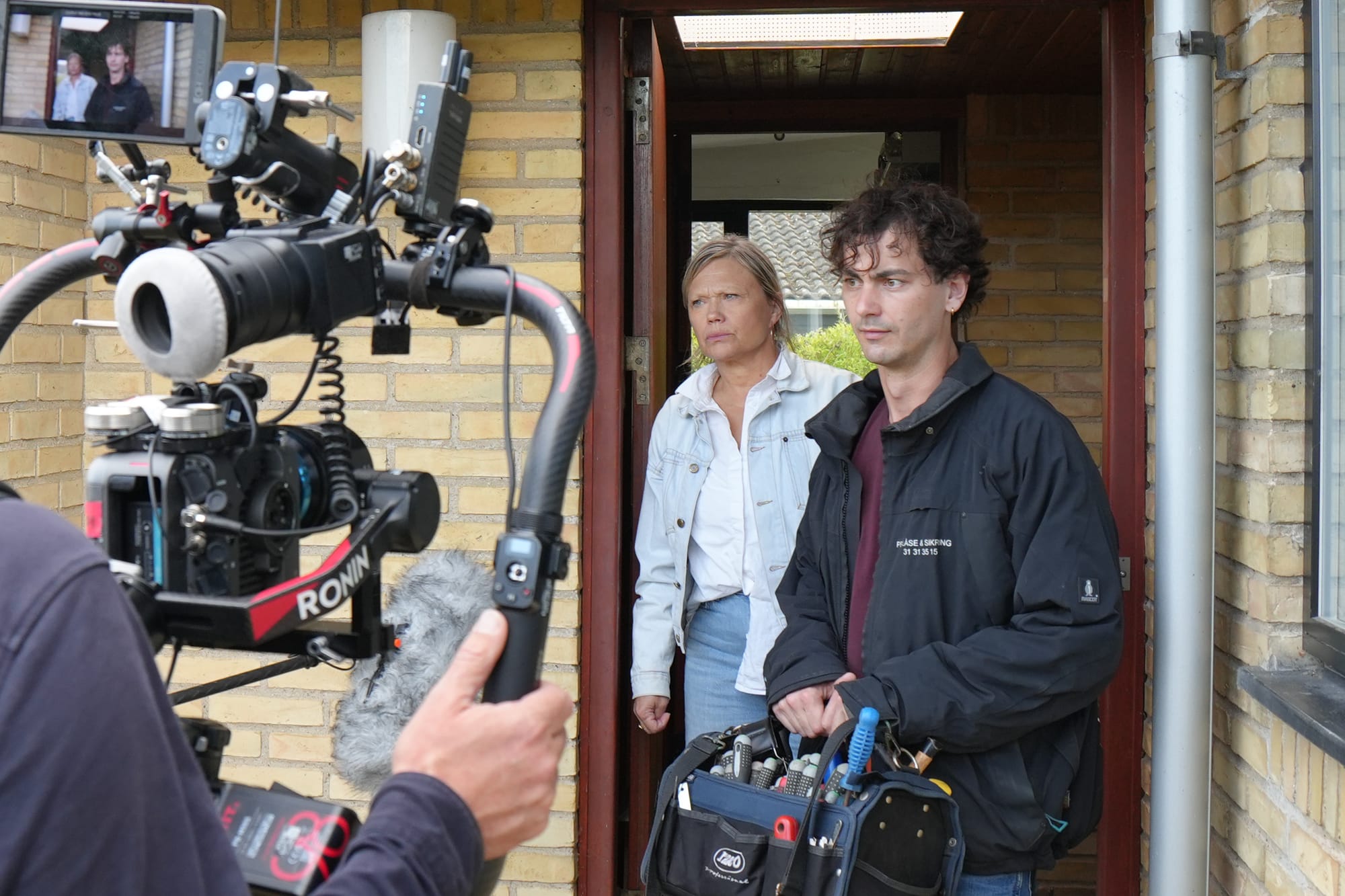
How many more people we actually needed on set when we made a one-shot, in contrast to how few we could have done it with if we had done it conventionally.
What moment in the film feels most like you, or like something only you could have made?
Probably the scene when the policeman barges through the door. The balancing of absurdity and humor during a dramatic point in the story feels like me. Also the interaction between the father and the son is close to my sensibility.
What tool, technique, or mindset shift helped most during production?
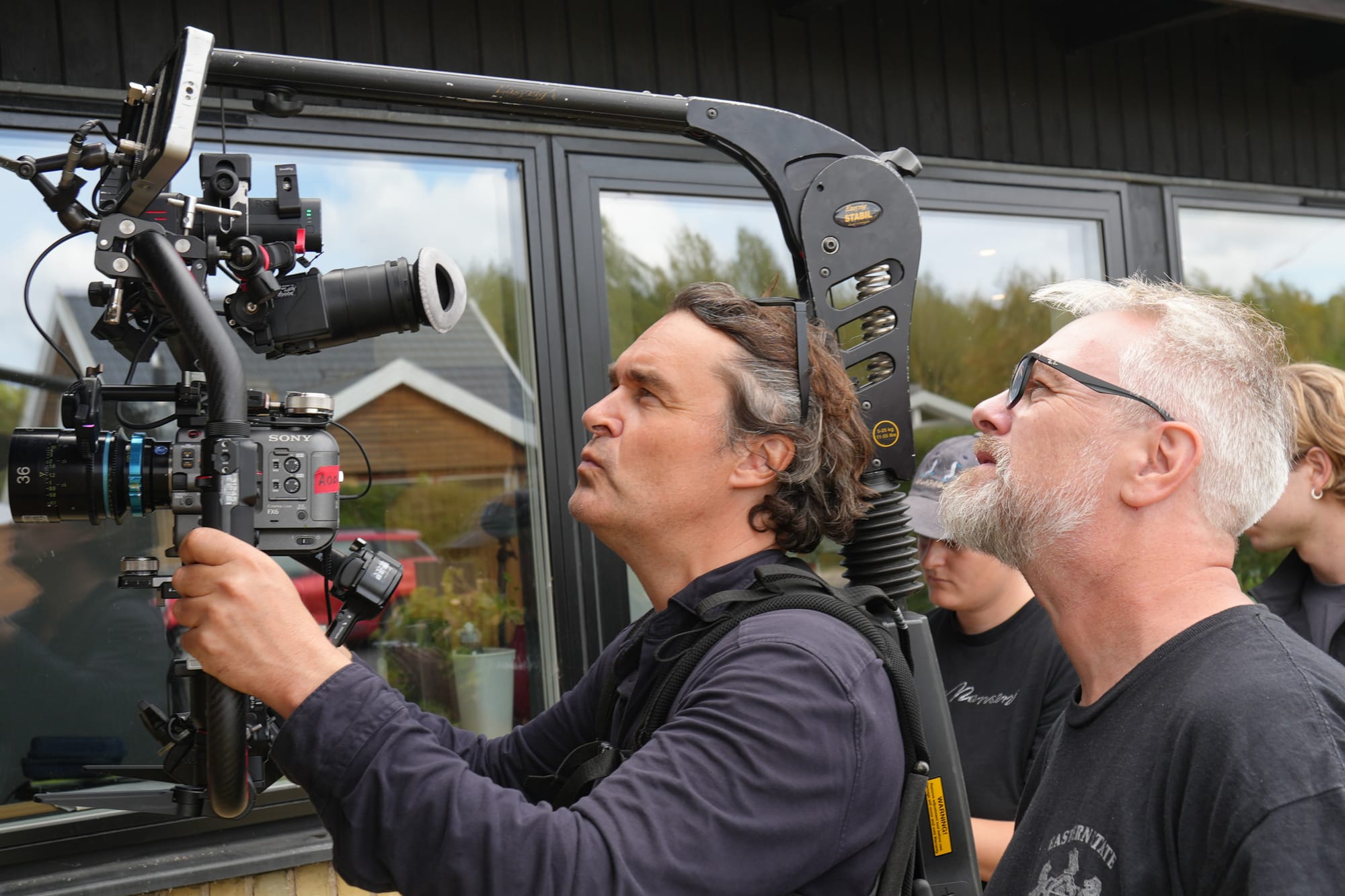
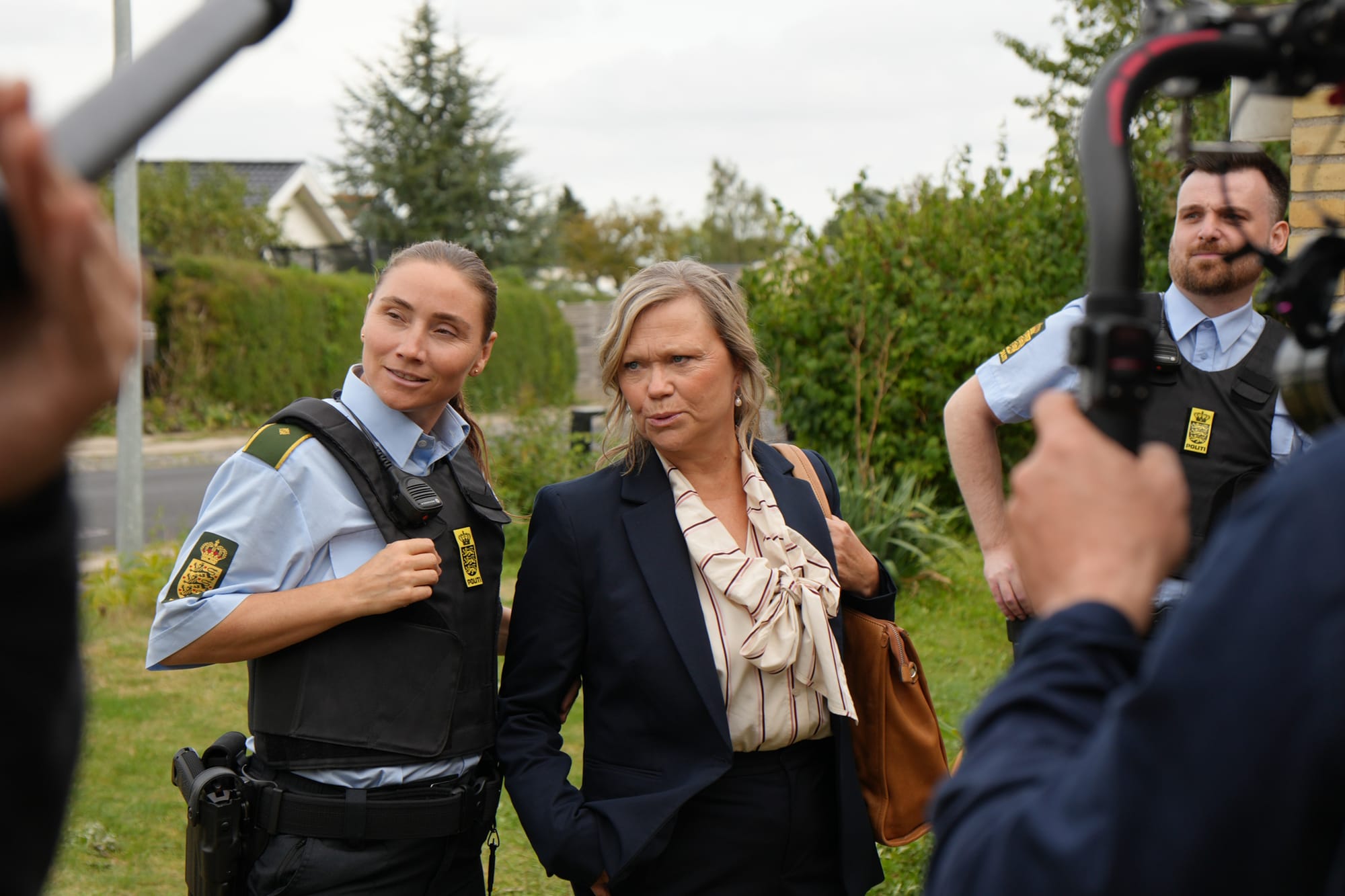
At one point we had planned a 180 pan during a scene in the hallway. That almost worked with the blocking of the actors, but when we got the real camera on set to test the day before shooting, we realized it wasn't possible. I had to crawl on the floor underneath the camera to avoid getting in frame. We realized this was not feasible, so we changed it by rearranging the blocking — and pow, there it was. Now it worked.
Generally, the blocking has been the most versatile tool we had to direct the camera and make the story move forward. When you don't edit, you have to think like an editor, so I had Søren, the editor, on call and sent him recordings of our blockings while we did the rehearsals. With his advice, we optimized the flow of the blocking and the camera — like you would do in editing.
What is the greatest strength of independent filmmaking, and what lesson would you share?
Independent filmmaking equals low budget. So when writing and producing independently, you always have to use the constraint of economy as a creative boundary and force. Because when you manage to work with your low budget in mind, it does give you amounts of creative freedom. On this film I decided early on that we'd do a one-shot, also because it serves the story best.
With a one-shot we could limit the shooting to one day. But to do that, we used three days of rehearsals with the actors and the DoP on location. The rehearsal space is a space of creativity and freedom, because fewer people are involved. This was also a choice to be in a creative zone I love to explore: the rehearsal with the actors. I would always advise low-budget or independent filmmakers to prioritize at least a day or two for rehearsals. It does save you amounts of time.
How does your film push the boundaries of its genre or form?
I wanted to challenge myself, and doing a one-take with eight actors was definitely a new challenge. It's pushing the boundaries both with the one-take form, but also with the mixture of humor within high-stakes drama.
What do you hope audiences take away, and where do you see the film going next?
What would I do, and when is my job or my actions enabling something which does not correspond with my morals? At the core of all my work is a desire to move the audience and tell stories close to the human condition.
The film is going to loads of festivals, but we're also trying to get a debate going about the condition of M.E. treatment. As an alumni, I'm super happy to be selected for Not Film Fest. I like the supportive nature of the festival — so I'm really sad that I won't be able to attend it in person.
Main Cast & Crew
- Cast: Hjalte Ilsøe Gustavussen, Nicolaj Kopernikus, Sofie Stougaard, Helle Dolleris, Stephanie Leon
- Director: Martin Strange-Hansen
- Director of Photography: Adam Morris Philp
- Composer: Anna Rosenkilde
- Sound Design: Emil Roland
Filmmaker Opportunities
💛 Fund your next project with fiscal sponsorship
Have a project in the works? As a 501(c)(3) nonprofit, the Cinematography for Actors Institute can accept tax-deductible donations on your film's behalf — a door-opener for grants, foundations, and supporters who want to back your work. We've serviced over 100 projects to date and helped route over $800,000 in funding to filmmakers. Explore fiscal sponsorship →
📬 Grant deadlines and festival opportunities, straight to your inbox
The CFA newsletter rounds up grants, festival calls, and community news for independent filmmakers — the kind of opportunities that are easy to miss and painful to miss. Join the newsletter →
🎬 Focus on the creative — we'll help with the logistics
Production Management, CFA's newest member program, launches this November: production insurance and workers' comp, payroll, film permits, gear rental coordination, SAG-AFTRA compliance, contract drafting, production consulting, and crew recommendations — handled by a team of working filmmakers, à la carte or all in, in partnership with Creative Access Group. It's waitlist-only until launch. Join the waitlist →
League of Filmmakers is published by our parent organization, the Cinematography for Actors Institute — a 501(c)(3) dedicated to education, community, and capital for underrepresented filmmakers and actors. Learn more about CFA →