Table of Contents
When I sat down to write this article, I was at a loss. What can I say that hasn't been said a hundred times over? I don't need to say that Curry Barker's Obsession is good. The numbers speak for themselves. Over 90% on all major critic websites. An opening weekend that dethroned the latest Star Wars movie. Not to mention, it is the first movie to increase in sales over the second and third weekends since E.T.'s (1982) $155 million worldwide box office against a budget of less than $1 million.
For horror fans, this is the best thing to happen for us in years. All the cultural impact of Terrifier without the controversy.
For years, we've been enduring discussions of "original IPs not being profitable", "movie theaters are dead", and "Gen Z doesn't go to the movies." Obsession has turned all of these arguments on their head. The word on everyone's lips – the industry is forever changed. But is that true? And if it is, what does that really mean?
The success of Obsession is unique, and its impact will be lasting, but not for the reasons everyone is focused on.
While Obsession is a landmark historical moment, this isn't the first time indie horror has had an unprecedented victory over Hollywood blockbusters. Going as far back as John Carpenter's Halloween, horror has been known to yield huge box-office returns for micro-budget films. The aforementioned Terrifier franchise began on a budget of $35,000 dollars before it became the highest-grossing unrated franchise of all time. Horror has always been the most profitable genre in this way.
This isn't even the first time that a YouTuber has made a successful original horror movie. Talk to Me (2022) was created by the Philippou Brothers of "RackaRacka" fame, and it grossed $92.2 million against a $4 million budget and earned a 94% on Rotten Tomatoes.
One of the many things that makes Obsession unique is the hold it has on Gen Z.
In the age of the internet, monoculture is all but completely dead. We're not all forced to watch the same shows, the same movies, or listen to the same music. We can all narrow our experiences to one niche. As a result, many believe Gen Z is incapable of the same cultural moments that we saw in decades past. It's one of the main reasons people think movie theaters are dead.
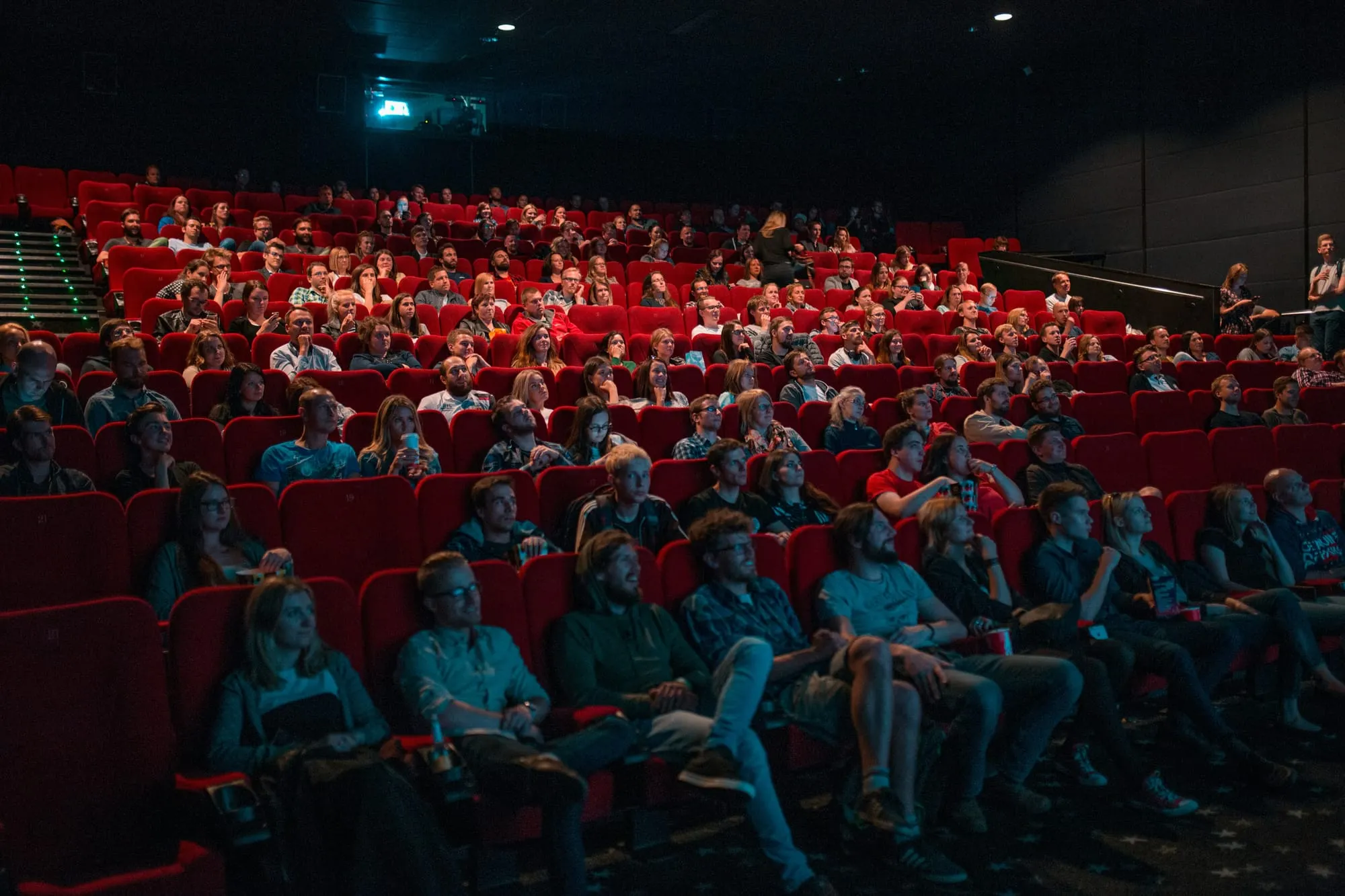
This just isn't true. Gen Z loves going to movie theaters more than any other generation right now. It just has to be an event. It has to be such a phenomenon that we can't wait for it to hit streaming. It has to be a movie that resonates with us so much that everyone goes to their social media just to say "YOU NEED TO SEE THIS MOVIE".
Obsession is a movie from a Gen Z filmmaker that touches on Gen Z fears. The fear of feeling stuck in life. The fear of codependency. The feminine fear of friend-zoning a male friend. The fear of not being able to help your friend when they're trapped in a toxic relationship. Moreover, it exploits those fears in a way that makes a statement while still being entertaining.
It's why the movie has become inescapable.
Even before it came out, people were talking about the billboard publicity stunt where they made a love note more and more unhinged as weeks passed. After its unprecedented opening weekend, people flooded social media telling with one message: go see it. Two record-breaking weekends later, people are visiting the restaurant from the iconic "NO NO NO" scene and taking turns with the photo op. People have dubbed Backrooms and Obsession "Barbenheimer for sickos". When I went to see it, there was a line out the door waiting just to see this movie.
In this way, Obsession is more than just a movie. It is a triumphant battle cry ringing in Gen Z's turn at Hollywood. It is a stand against remakes, reboots, and franchises. It is a proud statement that says: "We love movie theaters and aren't reliant on streaming." There is no doubt that our grandchildren will ask us "What was it like when Obsession came out?"
Now, if you excuse me, I have to go make plans to watch Backrooms and Obsession back to back.