
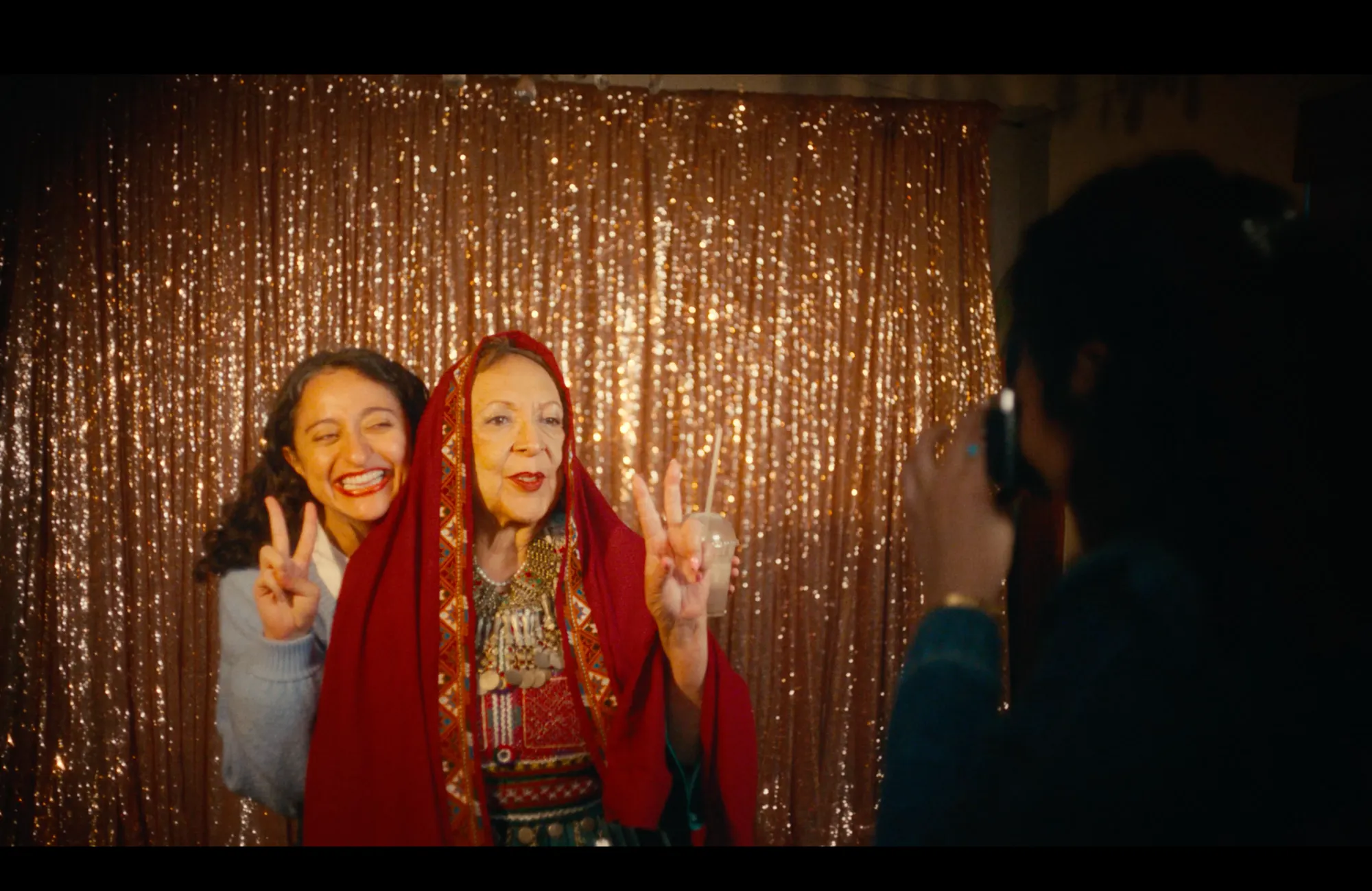
Negine Sekandari's Haram Salami begins where so many family stories live — in the space between a mother's fear and a daughter's dream. Following three generations of Afghan women as they navigate their relationships with one another, the film lets a single bold act spark a confrontation that brings buried questions about identity, tradition, and the cost of ambition to the surface.
Written by Sekandari and co-directed with Ayda Rojhantalab, Haram Salami is a story she has carried in various forms across her life. As an Afghan-American Muslim woman, she was drawn to the question of what it means to be in conversation with God while holding dreams that don't always fit neatly within cultural expectations — and to the idea that photographs and art-making might themselves be acts of care, remembrance, and celebration.
Key Takeaways
- The film sits at the intersection of comedy, family drama, and cultural storytelling, making room for joy and humor rather than centering struggle.
- Sekandari acted opposite her real mother, drawing on an emotional honesty between them that already existed.
- Its most personal scene recreates a photoshoot Sekandari once staged with her late grandmother, framing image-making as preservation.
A conversation with Sekandari about faith, family, and the courage to imagine a future without limiting it.
Interview
What drew you to make this film, and why this story, why now?
Haram Salami has existed in different forms throughout my life, but I always knew it was a story that deserved to stand on its own. It comes from years of questioning, observing, and trying to reconcile different parts of my identity. As an Afghan-American Muslim woman, I've always been interested in what it means to be in conversation with God while also holding dreams and desires that don't always fit neatly within cultural expectations. I wanted to explore the space between faith and fear, tradition and self-expression, and the love that often exists underneath both.
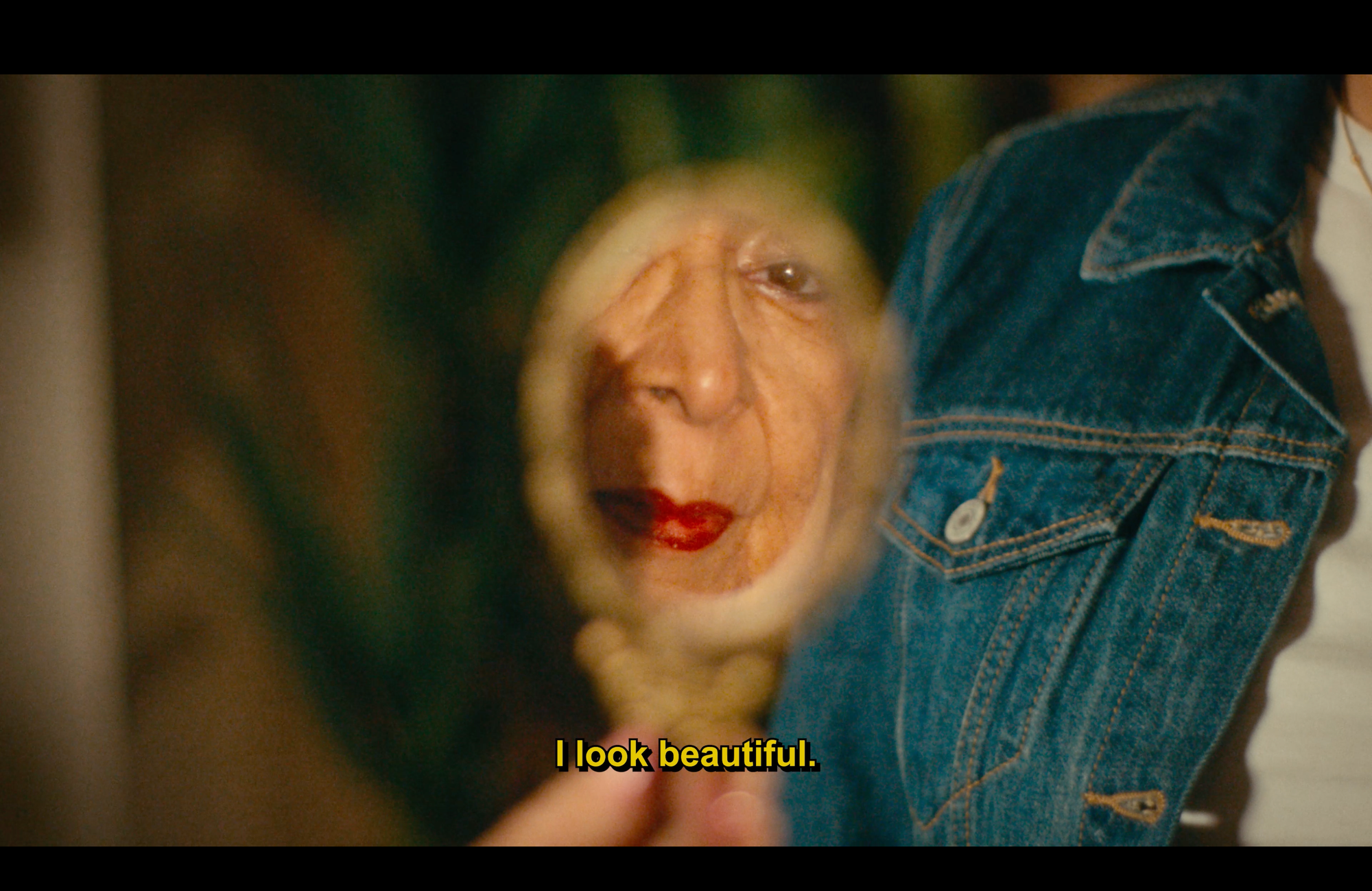
One of the questions that inspired this film is our relationship to imagery. In many Muslim communities, being photographed or having your image shared can carry a sense of discomfort or even shame. I wanted to challenge that idea, not by dismissing faith, but by asking whether photography and art-making can also be acts of preservation. Our faces carry history. At its heart, this is about a mother and daughter who love each other deeply but imagine different futures. That's a tension many children of immigrants understand: the people who love us most can also be the ones most afraid of the risks our dreams require.
What surprised you most about the filmmaking process?
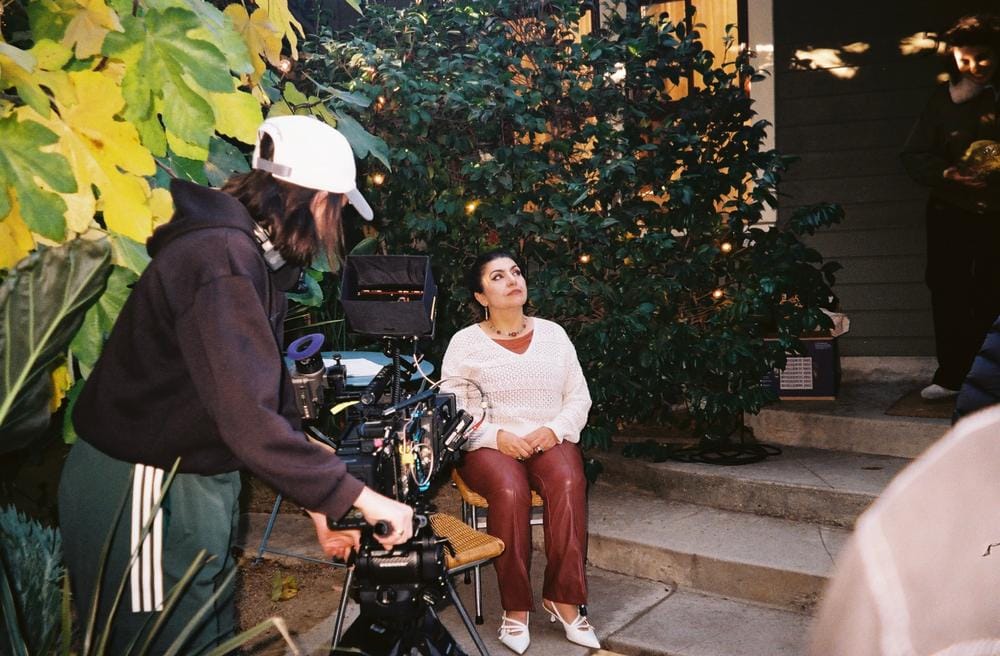
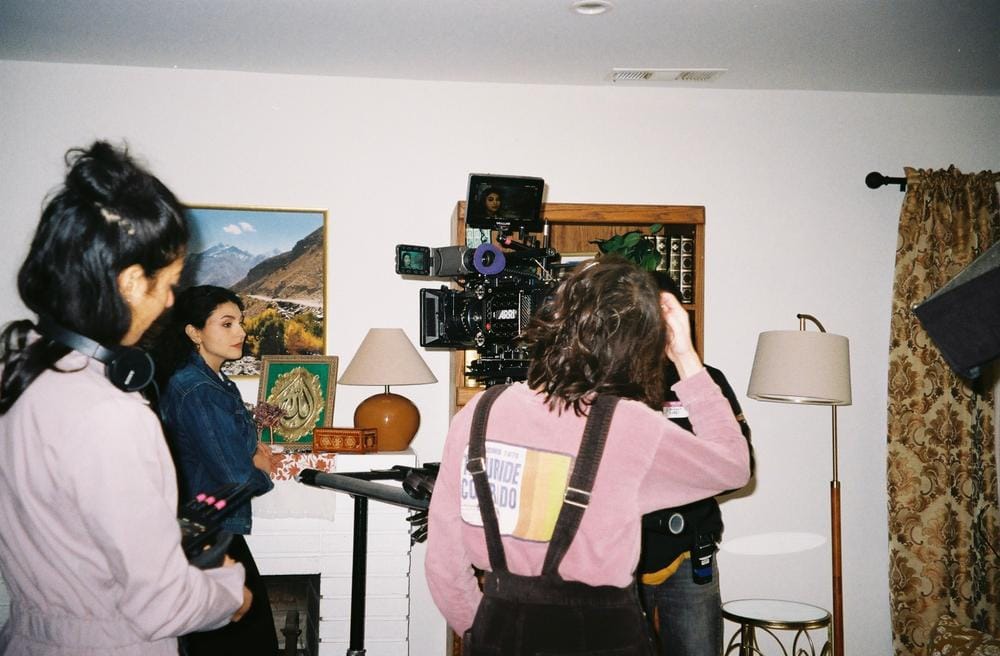
The moment that surprised me most happened before we even rolled the first shot. I remember driving up to set on the first day and seeing the production truck, all of the equipment, and the crew unloading gear. I just started crying. It hit me that a story that had lived quietly inside of me — just words on a piece of paper — had somehow brought all of these people together. It reminded me that filmmaking is one of the few art forms where a personal idea becomes a collective act of belief.
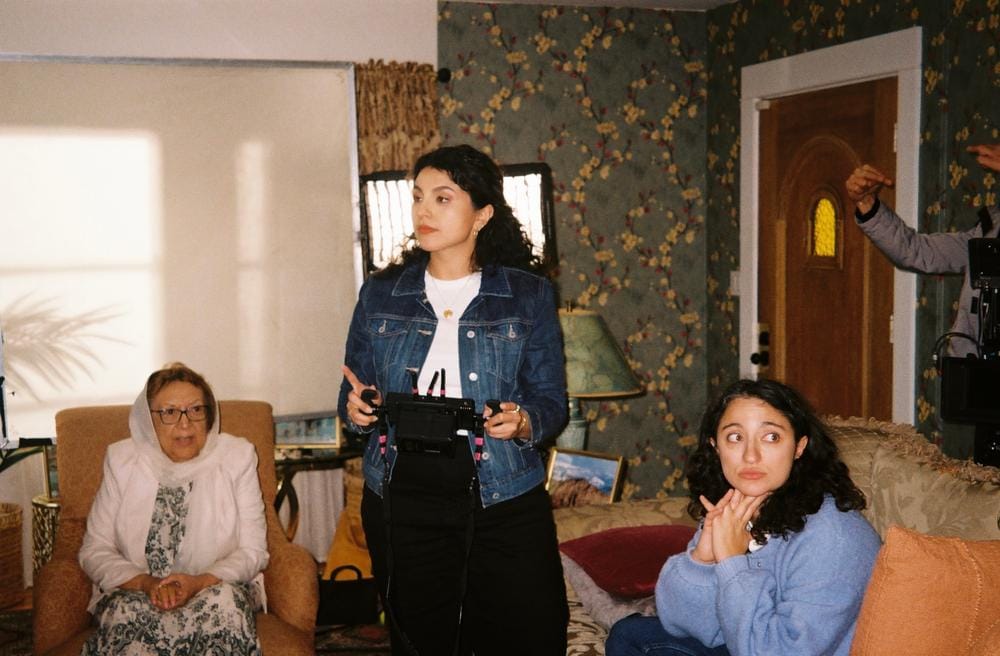
Once we were on set, I was surprised by how emotional the process became. I was wearing several hats as a writer, co-director, and actor, but the most vulnerable part was acting opposite my real mother. There was something incredibly disarming about sharing those scenes with her. The emotional honesty between us wasn't something we had to manufacture, it already existed. I realized the story wasn't just about the tension between a mother and daughter; it was also about the profound love that exists beneath their disagreements.
What moment in the film feels most like you, or like something only you could have made?
The moment that feels most like me is the scene where cousins Yasmine and Mina, played by Mitra Jouhari, photograph their grandmother, played by Fahim Bock, dressed in traditional Afghan clothing. That scene is rooted in one of my most cherished memories. Years ago, I set up a photoshoot with my late grandmother, and I remember how transformative it felt to see her through my camera. It was not just about taking photographs. It was about honoring her, preserving her beauty, and creating something our family could hold onto forever.
Recreating that experience for the film was incredibly emotional. It allowed me to revisit a memory that has stayed with me for years and to share the feeling behind it with others. That scene captures the heart of Haram Salami. It asks what it means to preserve the people we love and whether making images can be an act of care, remembrance, and celebration.
What was the hardest creative decision you made while making the film?
The hardest decision was letting go of a few comedic characters that I had initially been very attached to. Those characters brought a lot of joy and energy to the story, and it was difficult to admit that they were not necessarily serving the larger emotional journey of the film.
Removing them became an important lesson in trusting the story over my attachment to individual moments. By writing them off, the film had more room to explore the central relationships, especially the bond between Yasmine, her mother, and her family. That process taught me that filmmaking is not just about adding elements that are exciting or entertaining. It is also about understanding what the story truly needs and having the courage to make decisions that allow it to become more honest.
What tool, technique, resource, collaborator, or mindset shift helped most during production?
The mindset shift that helped me most came from a quote I had as my lock screen throughout the process: "Either you do it like it's a big weight on you, or you do it as part of the dance." Making Haram Salami was deeply rewarding, but also incredibly challenging. There were moments when the pressure of carrying so many responsibilities felt overwhelming. I cared so deeply about getting the story right that at times I forgot to allow myself to experience the joy of making it.
That quote reminded me that filmmaking, and life, is not just about enduring the hard moments. It is also about moving with them. Once I stopped treating every obstacle as something I had to overcome alone, I was able to embrace the unexpected. It taught me that making art requires both discipline and surrender. You have to show up fully, but you also have to leave room for the process to surprise you.
What does it mean to have your film selected for HollyShorts?
Having Haram Salami selected for HollyShorts is an absolute honor. To have this film recognized among such a talented group of filmmakers is incredibly meaningful. What makes it even more special is that the festival takes place in Los Angeles, a city where I feel like I am continuing to grow and find my voice as a filmmaker. LA has been a place of learning, community, and creative discovery for me.
This film began as something very personal, rooted in my family, my culture, and my own questions about identity and preservation. To now have the opportunity to share it with audiences and be part of a festival that celebrates short form storytelling is something I am incredibly grateful for. It feels like a beautiful reminder that the stories we carry within us can travel further than we ever imagined.
How has this film shaped or shifted the kinds of stories you want to tell next?
Making Haram Salami has felt like a release in many ways. It feels like the first story that needed to be told before I could make space for the stories that come next. This film gave me the confidence to continue exploring stories rooted in culture, humor, family, and connection.
Moving forward, I want to keep telling stories that feel like a warm glass of tea: stories that bring people together, make them laugh, and remind them of the beauty in everyday moments. I am currently developing my pilot The Mosque Next Door, a mockumentary sitcom about a group of quirky, diverse Muslims who come together to rebuild a new mosque and create a community centered on love, growth, and belonging. I hope to continue telling stories that celebrate the complexity of our communities while showing the humor, humanity, and heart within them.
Main Cast & Crew
- Directed by Negine Jasmine Sekandari & Ayda Rojhantalab
- Written by Negine Jasmine Sekandari
- Produced by Coral Worley
- Executive Producers: Negine Sekandari, Ibrahim Mimou, Coral Worley
- Cast: Negine Jasmine Sekandari, Naima Sekandari, Mitra Jouhari, Fahima Bock
- Director of Photography: Amina Zadeh
- Production Designer: Ayda Rojhantalab
- Editor: Jonathan Kramer
- Costume Designer: Ibrahim Mimou
- Sound Designer: Charles Dayton CAS MPSE
- Colorist: Kevin Wu
- Composer: Ramiz Safar
Filmmaker Opportunities
💛 Fund your next project with fiscal sponsorship
Have a project in the works? As a 501(c)(3) nonprofit, the Cinematography for Actors Institute can accept tax-deductible donations on your film's behalf — a door-opener for grants, foundations, and supporters who want to back your work. We've serviced over 100 projects to date and helped route over $800,000 in funding to filmmakers. Explore fiscal sponsorship →
📬 Grant deadlines and festival opportunities, straight to your inbox
The CFA newsletter rounds up grants, festival calls, and community news for independent filmmakers — the kind of opportunities that are easy to miss and painful to miss. Join the newsletter →
🎬 Focus on the creative — we'll help with the logistics
Production Management, CFA's newest member program, launches this November: production insurance and workers' comp, payroll, film permits, gear rental coordination, SAG-AFTRA compliance, contract drafting, production consulting, and crew recommendations — handled by a team of working filmmakers, à la carte or all in, in partnership with Creative Access Group. It's waitlist-only until launch. Join the waitlist →
League of Filmmakers is published by our parent organization, the Cinematography for Actors Institute — a 501(c)(3) dedicated to education, community, and capital for underrepresented filmmakers and actors. Learn more about CFA →


